Xie Cong, Zhang Shuangfei, Qiao Xinuo, Hao Ning
Shanghai Key Laboratory of Mental Health and Psychological Crisis Intervention, School of Psychology and Cognitive Science, East China Normal University, Shanghai, China.
NPJ Sci Learn. 2024 Dec 4;9(1):75. doi: 10.1038/s41539-024-00285-z.
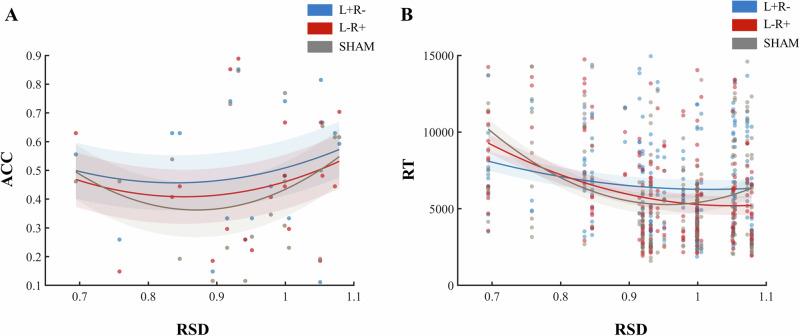
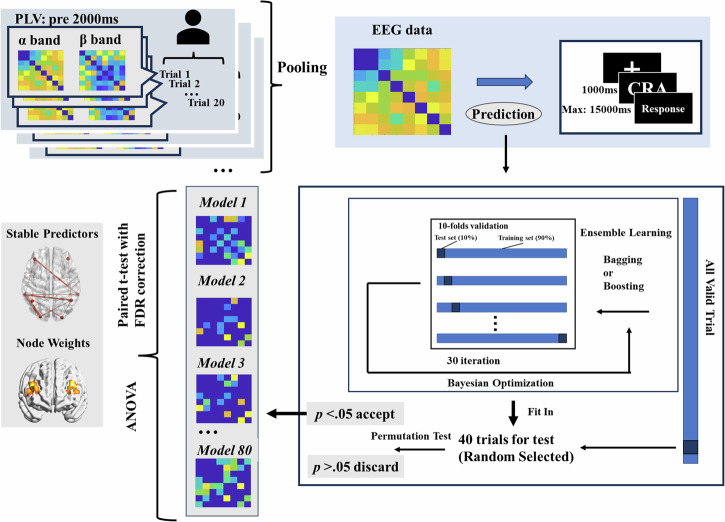
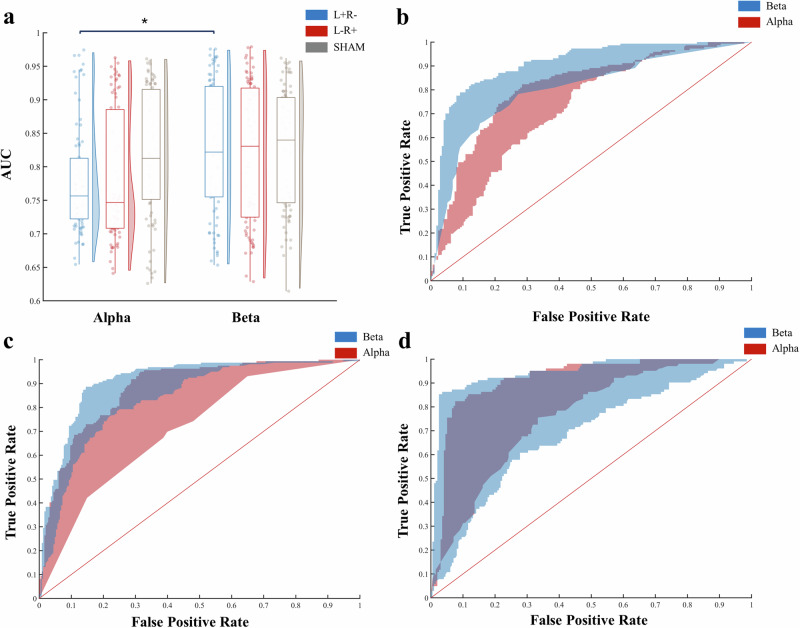
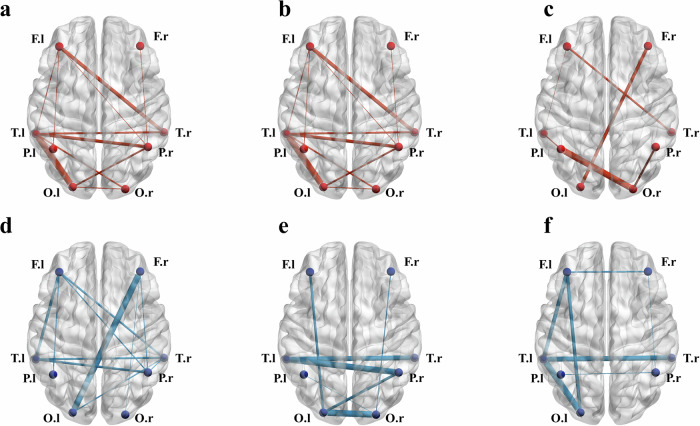
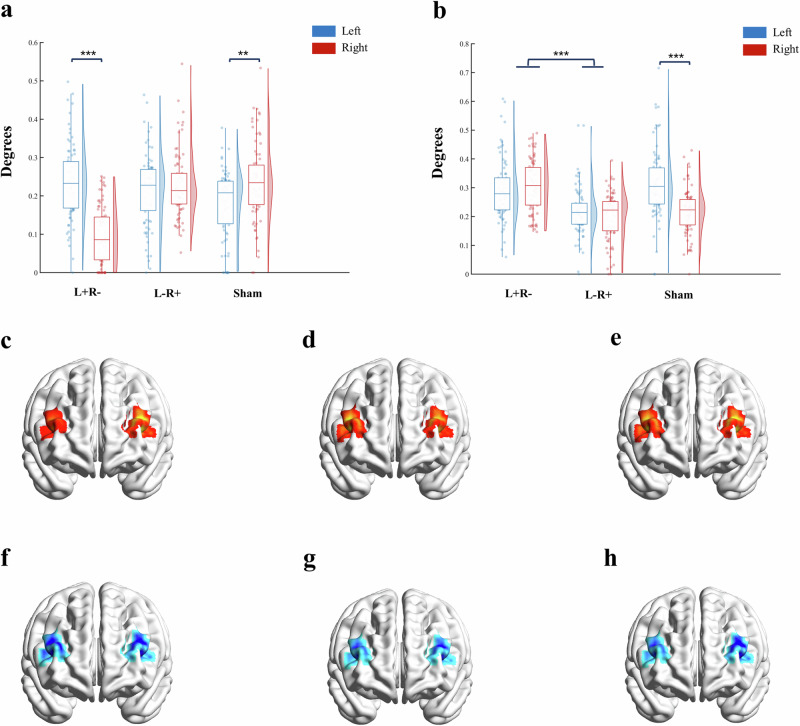
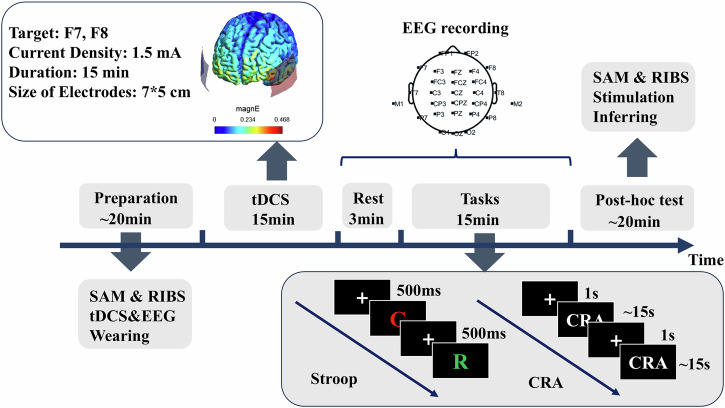
This study investigated whether transcranial direct current stimulation (tDCS) targeting the inferior frontal gyrus (IFG) can alter the thinking process and neural basis of creativity. Participants' performance on the compound remote associates (CRA) task was analyzed considering the semantic features of each trial after receiving different tDCS protocols (left cathodal and right anodal, L + R-; right cathodal and left anodal, L-R+; and Sham). Moreover, we constructed and compared 80 prediction models of CRA performance for each group based on task-related functional connectivity. Results showed that L + R- stimulation improved performance in semantically bundled CRA trials, while L-R+ stimulation enhanced performance in trials with greater semantic distance. Furthermore, alpha-band task connectivity models for the L + R- group showed inferior performance and greater left frontal lateralization than other two groups. These findings suggest that tDCS targeting the bilateral IFG alters cognitive processes during creative ideation rather than enhancing or impairing an established thinking process.
本研究调查了针对额下回(IFG)的经颅直流电刺激(tDCS)是否会改变创造性思维的过程和神经基础。在接受不同的tDCS方案(左阴极和右阳极,L+R-;右阴极和左阳极,L-R+;以及假刺激)后,根据每个试验的语义特征分析参与者在复合远程联想(CRA)任务中的表现。此外,我们基于任务相关功能连接为每组构建并比较了80个CRA表现预测模型。结果显示,L+R-刺激提高了语义捆绑CRA试验的表现,而L-R+刺激增强了语义距离较大试验中的表现。此外,L+R-组的α波段任务连接模型表现不如其他两组,且左侧额叶偏侧化程度更高。这些发现表明,针对双侧IFG的tDCS改变了创造性构思过程中的认知过程,而非增强或损害既定的思维过程。