Moshfeghinia Reza, Sanaei Erfan, Mostafavi Sara, Assadian Kasra, Sanaei Ali, Ayano Getinet
Student Research Committee, Shiraz University of Medical Sciences, Shiraz, Iran.
Research Center for Psychiatry and Behavior Sciences, Shiraz University of Medical Sciences, Shiraz, Iran.
BMC Psychiatry. 2024 Dec 4;24(1):886. doi: 10.1186/s12888-024-06285-y.
When utilized as an adjunct with antidepressants, antipsychotics, and other psychopharmacological drugs, certain amino acids, such as L-Theanine (LT), have shown potential effectiveness in enhancing the symptomatic outcomes of patients with mental disorders. Despite this, there is a lack of previous systematic reviews examining these associations. Therefore, we conducted a systematic review of randomized controlled trials examining these relationships.
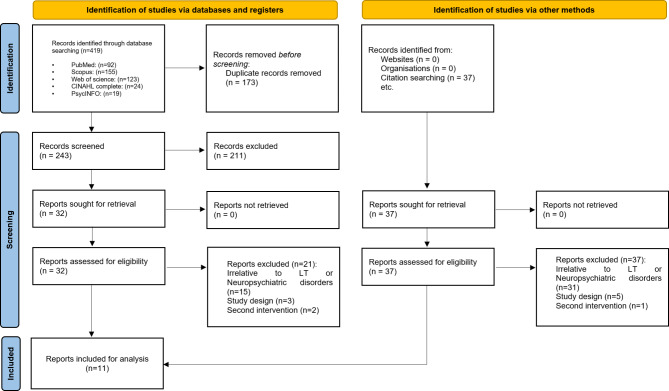
A comprehensive systematic review was conducted, scouring six electronic databases (PubMed, Scopus, PsycINFO, Web of Science, CINAHL Complete, and Cochrane) from their inception up to June 2023, specifically focusing on randomized controlled trials that investigated the effects of LT supplementation on the outcomes of patients with mental health disorders. The Cochrane Risk of Bias Tool for Randomized Trials was employed to assess the quality of the included studies.
Among the 419 publications identified, 11 studies from six countries - Israel, Iran, the USA, Japan, Australia, and Italy - were included in the final analysis. These studies covered a range of mental disorders, including schizophrenia, Attention-Deficit/Hyperactivity Disorder (ADHD), Obsessive-Compulsive Disorder (OCD), Major Depressive Disorder (MDD), sleep disorders, Generalized Anxiety Disorder (GAD), and Tourette syndrome. The findings demonstrated that LT supplementation reduced psychiatric symptoms more effectively than control conditions in individuals with schizophrenia, anxiety disorders, and ADHD.
The findings from this systematic review suggest that LT supplementation significantly reduced psychiatric symptoms more effectively than control conditions in individuals with schizophrenia, anxiety disorders, and ADHD. However, further studies are essential to validate these findings, deepen the understanding of the observed effects, and explore the mechanisms underlying these associations.
当某些氨基酸,如L-茶氨酸(LT)与抗抑郁药、抗精神病药和其他精神药理学药物联合使用时,已显示出在改善精神障碍患者症状方面的潜在效果。尽管如此,此前缺乏对这些关联进行的系统评价。因此,我们对研究这些关系的随机对照试验进行了系统评价。
进行了一项全面的系统评价,检索了六个电子数据库(PubMed、Scopus、PsycINFO、Web of Science、CINAHL Complete和Cochrane)自建库至2023年6月的文献,特别关注研究补充LT对精神健康障碍患者结局影响的随机对照试验。采用Cochrane随机试验偏倚风险工具评估纳入研究的质量。
在识别出的419篇出版物中,最终分析纳入了来自以色列、伊朗、美国、日本、澳大利亚和意大利六个国家的11项研究。这些研究涵盖了一系列精神障碍,包括精神分裂症、注意力缺陷多动障碍(ADHD)、强迫症(OCD)、重度抑郁症(MDD)、睡眠障碍、广泛性焦虑症(GAD)和抽动秽语综合征。研究结果表明,在精神分裂症、焦虑症和ADHD患者中,补充LT比对照条件更有效地减轻了精神症状。
该系统评价的结果表明,在精神分裂症、焦虑症和ADHD患者中,补充LT比对照条件更显著有效地减轻了精神症状。然而,需要进一步研究来验证这些发现,加深对观察到的效果的理解,并探索这些关联背后的机制。