Jiang Shule, Han Xuemei
Department of Ophthalmology, The First Affiliated Hospital of Zhejiang Chinese Medical University (Zhejiang Provincial Hospital of Chinese Medicine), Hangzhou, Zhejiang, China.
Front Endocrinol (Lausanne). 2024 Nov 20;15:1422787. doi: 10.3389/fendo.2024.1422787. eCollection 2024.
Mitochondrial dysfunction in the retina can induce apoptosis of retinal capillary cells, leading to diabetic retinopathy (DR). This study aimed to explore key genes related to programmed cell death (PCD) and mitochondria in DR via bioinformatic analysis.
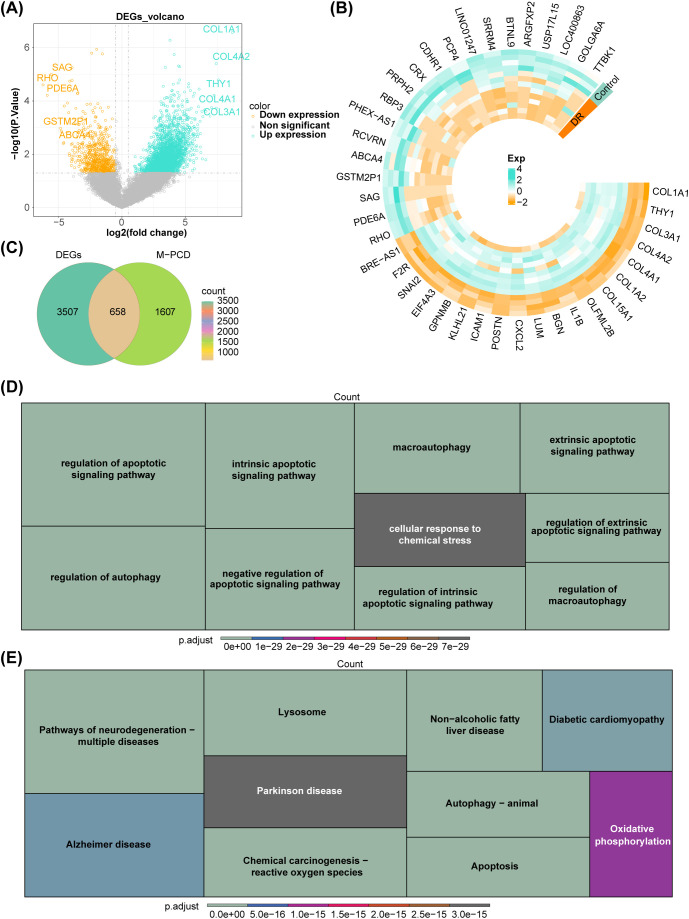
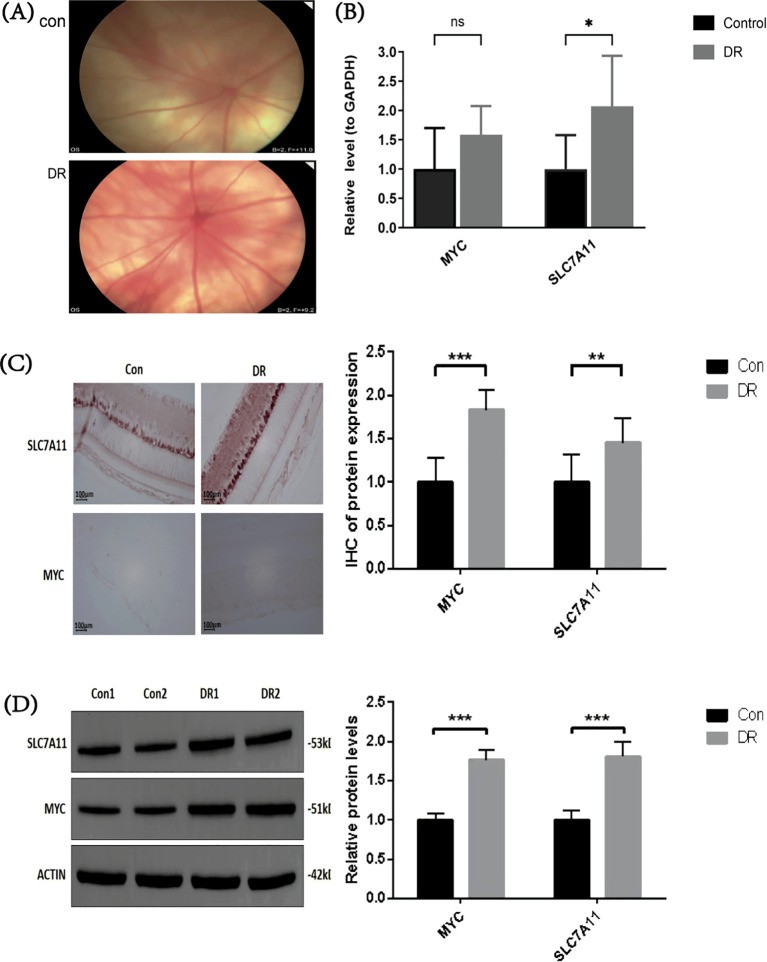
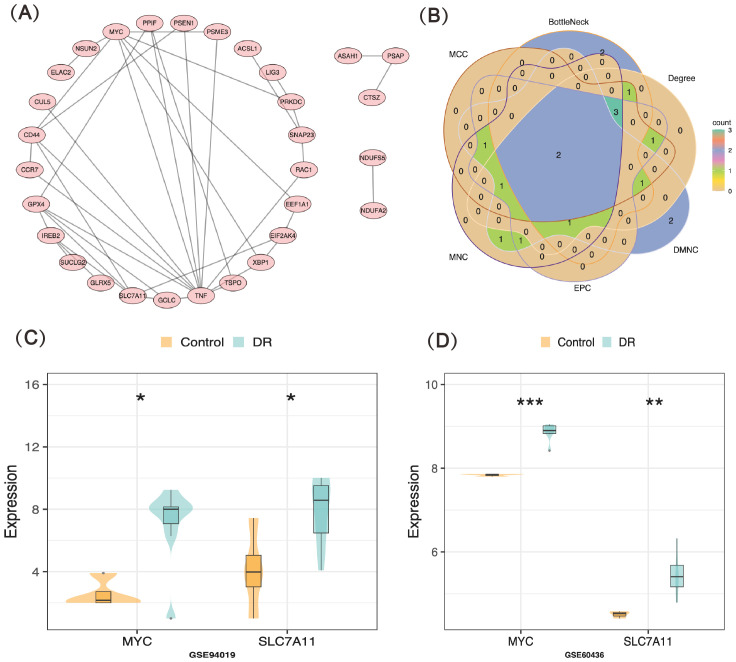
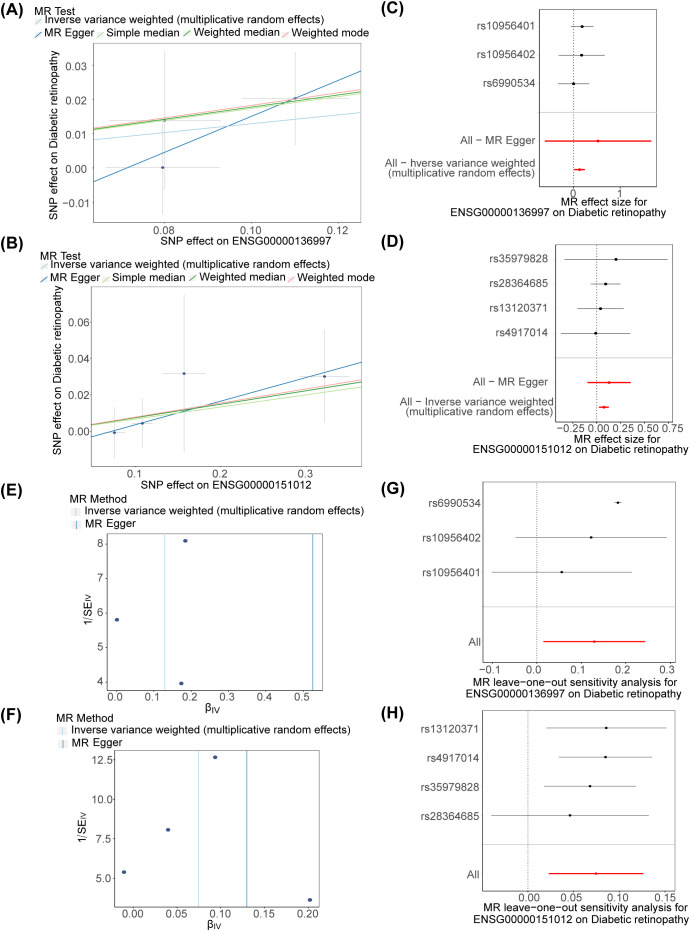
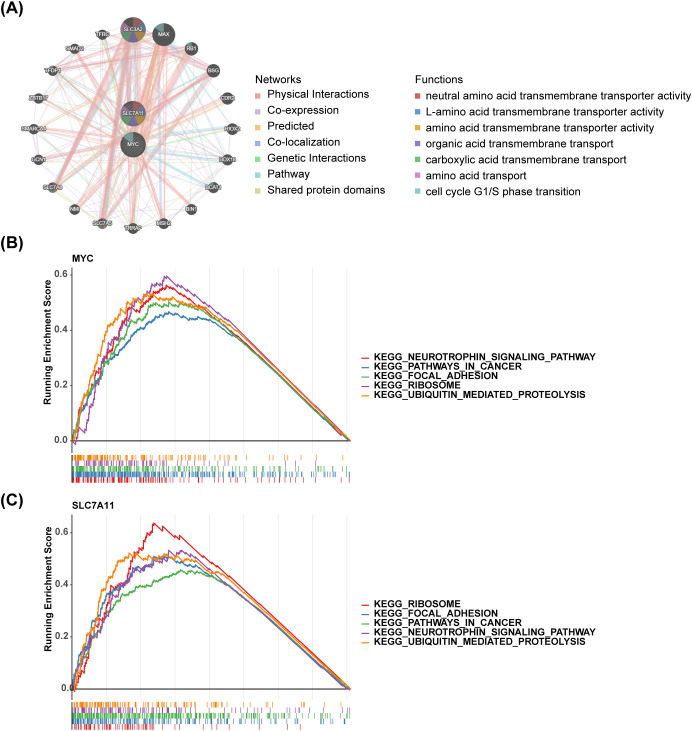
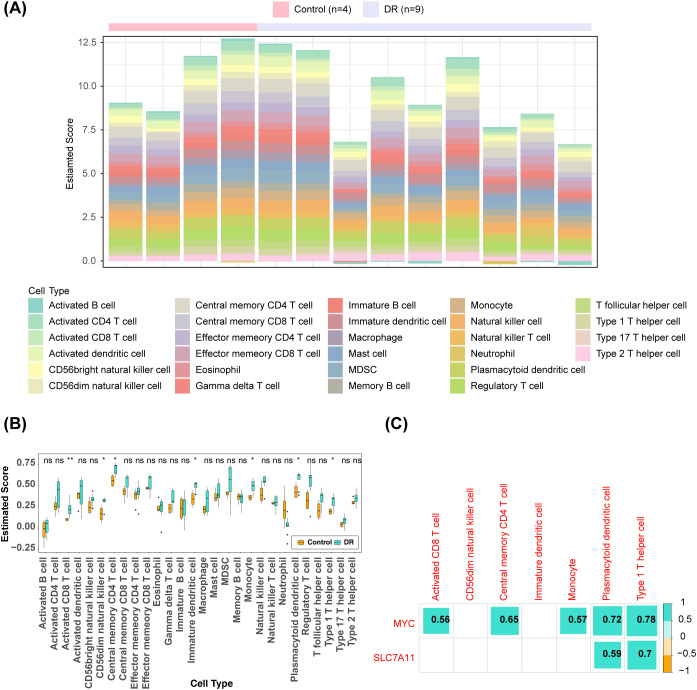
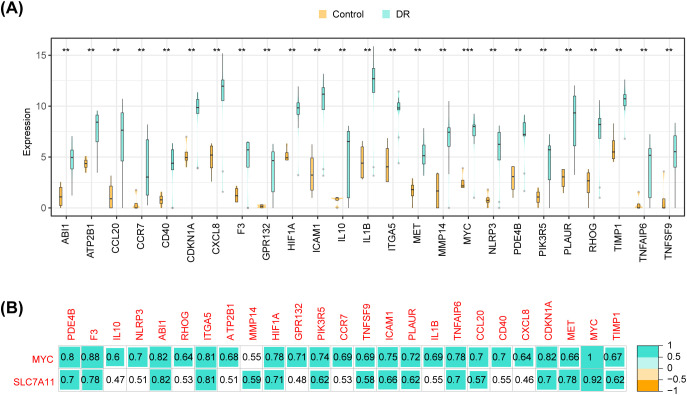
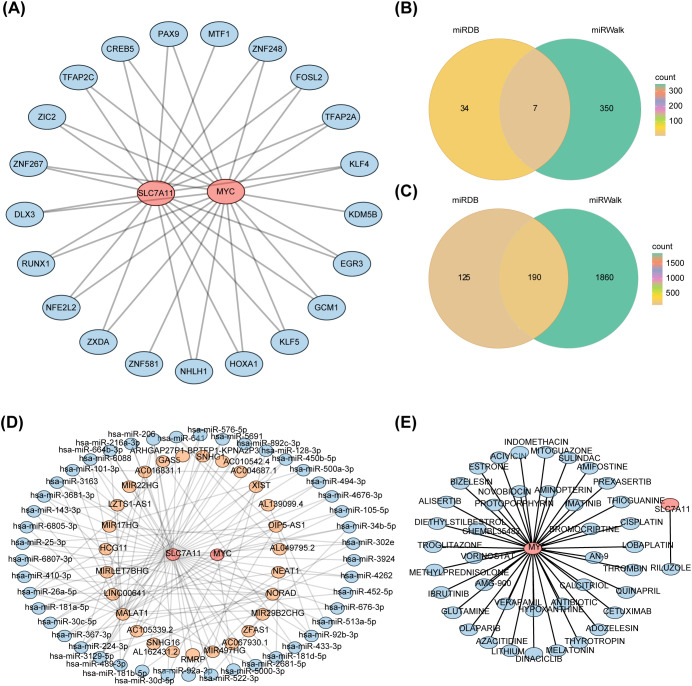
A differential analysis was performed to identify differentially expressed genes (DEGs) between DR and control samples using the GSE94019 dataset from the Gene Expression Omnibus (GEO) database. Pearson correlation analysis was then utilized to select genes linked to mitochondrial function and PCD (M-PCD). Candidate genes were identified by overlapping DR-DEGs and M-PCD genes, followed by functional annotation. Mendelian randomization (MR) analysis was employed to identify genes with causal relationships to DR. Key genes were identified through protein-protein interaction (PPI) analysis using six algorithms (DEgree, DMNC, EPC, MCC, Genes are BottleNeck, and MNC) within Cytoscape software. The expression patterns of these genes were validated using GSE94019 and GSE60436 datasets, as well as RT-qPCR. Enrichment analysis provided insights into the function and pathways of these key genes in DR. Differential immune cell profiles were determined via immune infiltration analysis, followed by exploring the relationships between immune cells, cytokines, and the identified genes. Correlations between key genes and apoptosis genes were also examined. experiments using RT-PCR, immunohistochemistry (IHC), and western blot analysis confirmed that MYC and SLC7A11 expression was significantly elevated in DR rat retinal tissues.
From 658 candidate genes, 12 showed significant causal associations with DR. MYC and SLC7A11 were particularly notable, showing upregulated expression in DR samples and involvement in apoptosis and diabetes-related pathways. These genes were significantly associated with apoptotic genes and correlated positively with altered immune cell types and cytokines, suggesting a link between immune response and DR pathogenesis. findings confirmed that MYC and SLC7A11 expression was elevated in DR rat retinal tissues.
Key genes (MYC and SLC7A11) associated with mitochondrial function and PCD in DR were identified, offering insights into DR's pathological mechanisms and potential targets for diagnostic and therapeutic strategies.
视网膜中的线粒体功能障碍可诱导视网膜毛细血管细胞凋亡,导致糖尿病视网膜病变(DR)。本研究旨在通过生物信息学分析探索与DR中程序性细胞死亡(PCD)和线粒体相关的关键基因。
使用来自基因表达综合数据库(GEO)的GSE94019数据集对DR样本和对照样本进行差异分析,以鉴定差异表达基因(DEG)。然后利用Pearson相关性分析选择与线粒体功能和PCD(M-PCD)相关的基因。通过重叠DR-DEG和M-PCD基因来鉴定候选基因,随后进行功能注释。采用孟德尔随机化(MR)分析来鉴定与DR有因果关系的基因。使用Cytoscape软件中的六种算法(度、DMNC、EPC、MCC、基因瓶颈和MNC)通过蛋白质-蛋白质相互作用(PPI)分析来鉴定关键基因。使用GSE94019和GSE60436数据集以及RT-qPCR验证这些基因的表达模式。富集分析为这些关键基因在DR中的功能和途径提供了见解。通过免疫浸润分析确定差异免疫细胞谱,随后探索免疫细胞、细胞因子与鉴定出的基因之间的关系。还检查了关键基因与凋亡基因之间的相关性。使用RT-PCR、免疫组织化学(IHC)和蛋白质免疫印迹分析的实验证实,MYC和SLC7A11在DR大鼠视网膜组织中的表达显著升高。
在658个候选基因中,有12个与DR显示出显著的因果关联。MYC和SLC7A11尤为显著,在DR样本中表达上调,并参与凋亡和糖尿病相关途径。这些基因与凋亡基因显著相关,并与免疫细胞类型和细胞因子的改变呈正相关,表明免疫反应与DR发病机制之间存在联系。研究结果证实,MYC和SLC7A11在DR大鼠视网膜组织中的表达升高。
鉴定出了与DR中线粒体功能和PCD相关的关键基因(MYC和SLC7A11),为DR的病理机制以及诊断和治疗策略的潜在靶点提供了见解。