Hairon Aimee, Halim Abdul, Abdullah Abu Sayeed Md, Atina Sumaiya Afroze Khan, Kana Terry
Department of International Public Health, Liverpool School of Tropical Medicine, Liverpool, United Kingdom.
School of Medicine, University of Liverpool, Liverpool, United Kingdom.
PLOS Glob Public Health. 2024 Dec 5;4(12):e0003963. doi: 10.1371/journal.pgph.0003963. eCollection 2024.
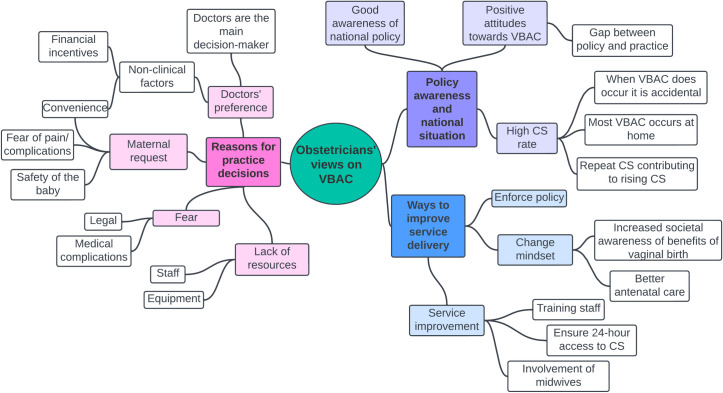
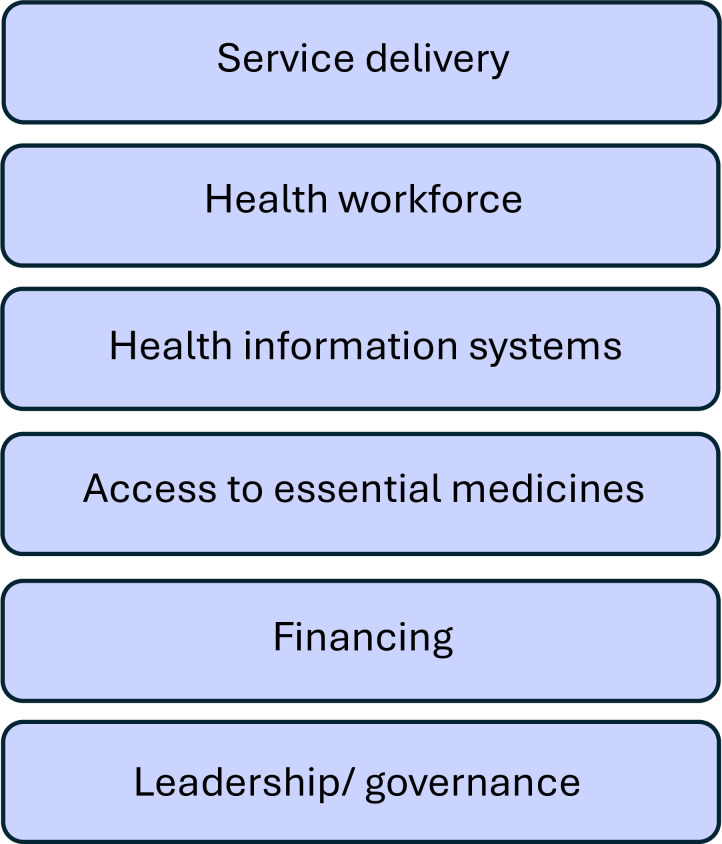
The rise in the number of facility-based births in Bangladesh has been accompanied by a caesarean section (CS) epidemic. The current CS rate is 45% and while many are performed when medically unnecessary, there is still maternal mortality due to lack of access to CS. A significant contributor to the rising CS rates in Bangladesh is repeat CS. Evidence from high-income settings has shown that vaginal birth after caesarean section (VBAC) is safe and should be recommended for women with one previous CS, however, its practice in Bangladesh is low. VBAC has the potential to help reduce unnecessary CS in Bangladesh. As obstetricians play a significant role in birth decision-making, their opinions, and perspectives on barriers to VBAC need to be explored. This study will address a gap in the literature exploring barriers and enablers to promoting VBAC from the level of the obstetric decision-maker. This qualitative study was conducted in the Dhaka Division of Bangladesh in July 2023. Criterion sampling was used to select obstetricians for in-depth semi-structured interviews. Seven interviews were conducted in a private hospital in Dhaka city and five interviews were conducted in a non-governmental organisation (NGO) hospital outside Dhaka city. Ethical approval was received from the relevant organisations in both Liverpool and Bangladesh. The thematic analysis gave rise to three main themes: "policy awareness and national situation", "reasons for practice decisions" and "ways to improve service delivery". Despite good awareness of VBAC policies and appreciation of its benefits, obstetricians expressed a preference for repeat CS. From the perspective of obstetricians, the main barriers to VBAC practice are related to the structure and function of the health system. To create an environment that will enable safe practice of VBAC, health system improvement and community awareness of the benefits of normal vaginal birth are required.
孟加拉国医疗机构分娩数量的增加伴随着剖宫产(CS)的流行。目前的剖宫产率为45%,虽然许多剖宫产在医学上并无必要时进行,但仍有产妇因无法获得剖宫产服务而死亡。孟加拉国剖宫产率上升的一个重要因素是再次剖宫产。高收入地区的证据表明,剖宫产后阴道分娩(VBAC)是安全的,对于有过一次剖宫产史的女性应予以推荐,然而,其在孟加拉国的实施率较低。VBAC有潜力帮助减少孟加拉国不必要的剖宫产。由于产科医生在分娩决策中起着重要作用,需要探讨他们对VBAC障碍的看法和观点。本研究将填补文献中的空白,从产科决策者层面探索促进VBAC的障碍和推动因素。这项定性研究于2023年7月在孟加拉国达卡专区进行。采用标准抽样法选择产科医生进行深入的半结构化访谈。在达卡市的一家私立医院进行了7次访谈,在达卡市外的一家非政府组织(NGO)医院进行了5次访谈。获得了利物浦和孟加拉国相关组织的伦理批准。主题分析产生了三个主要主题:“政策意识与国情”、 “实践决策的原因”和“改善服务提供的方法”。尽管产科医生对VBAC政策有良好的认识并认可其益处,但他们仍倾向于再次剖宫产。从产科医生的角度来看,VBAC实践的主要障碍与卫生系统的结构和功能有关。为了营造一个能够使VBAC安全实施的环境,需要改善卫生系统并提高社区对正常阴道分娩益处的认识。