Yang Xuewen, Liu Ling, Wang Yan
Prenatal Diagnosis Center, The Third Affiliated Hospital of Zhengzhou University, Zhengzhou, 450052, China.
School of Computer, Central China Normal University, Wuhan, 430079, China.
BMC Med Inform Decis Mak. 2024 Dec 5;24(1):375. doi: 10.1186/s12911-024-02759-x.
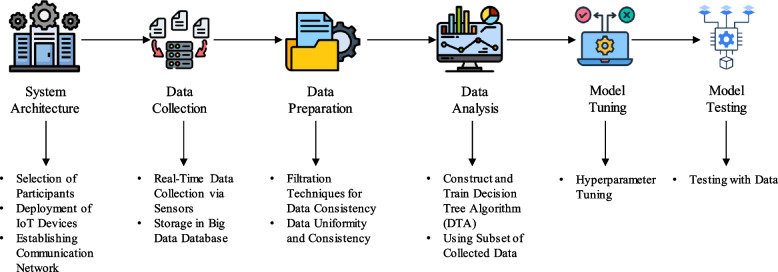
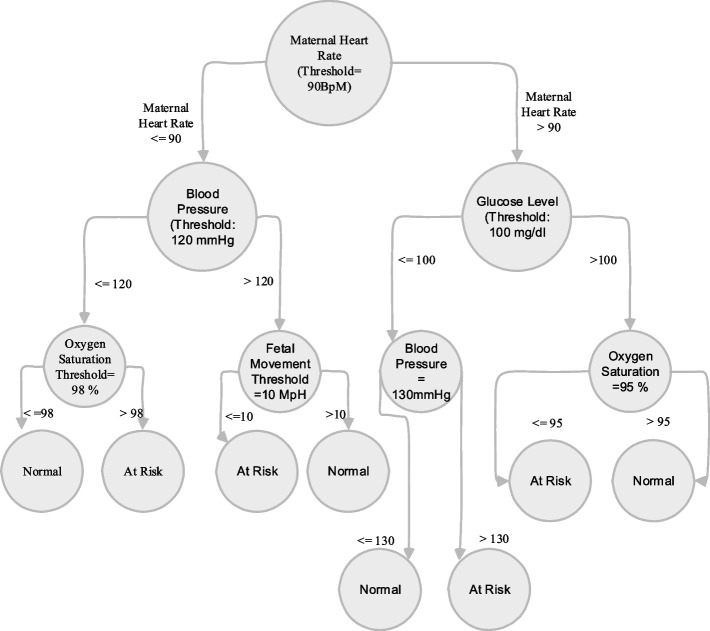
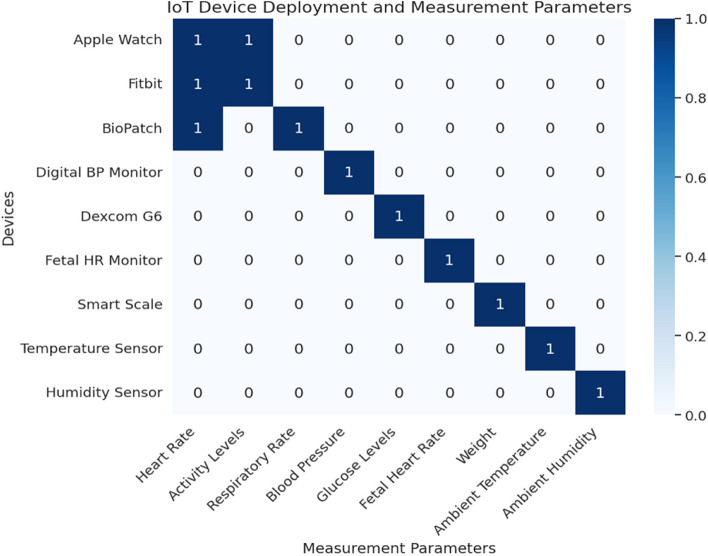
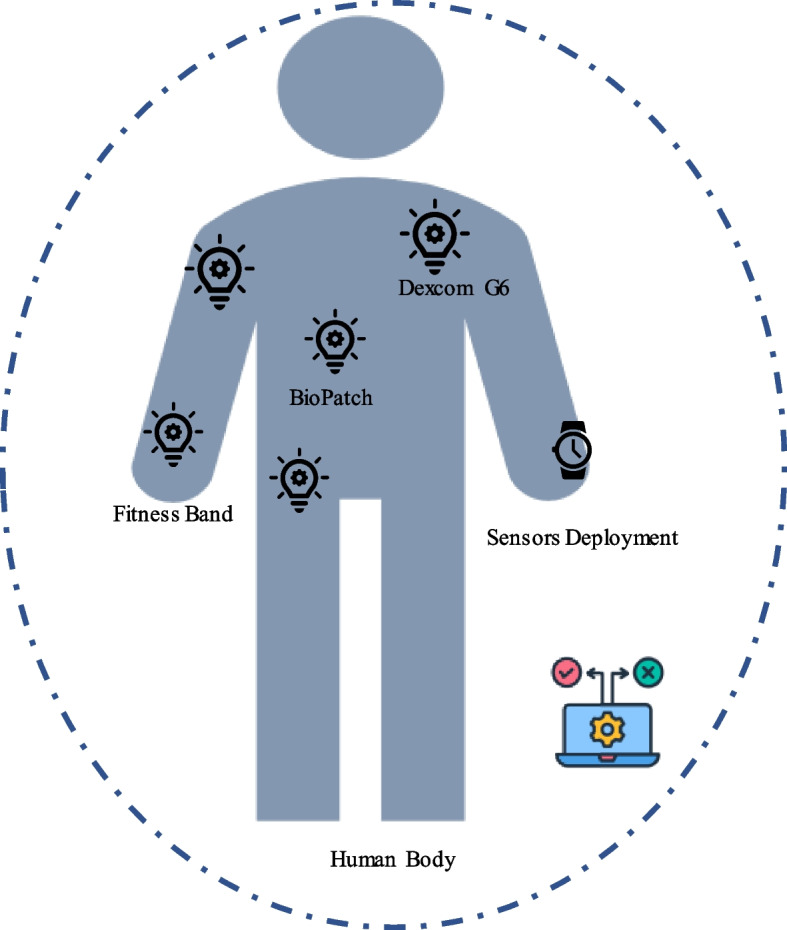
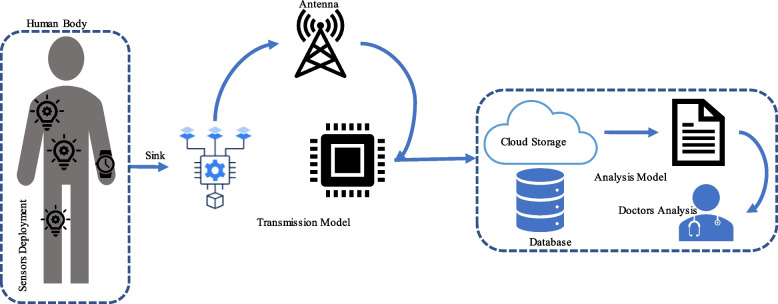
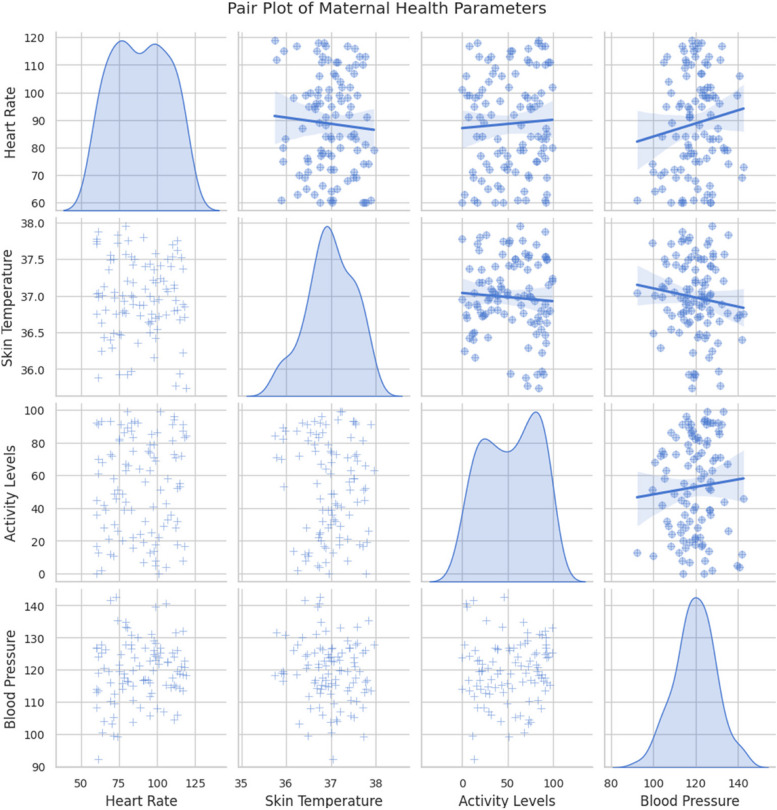
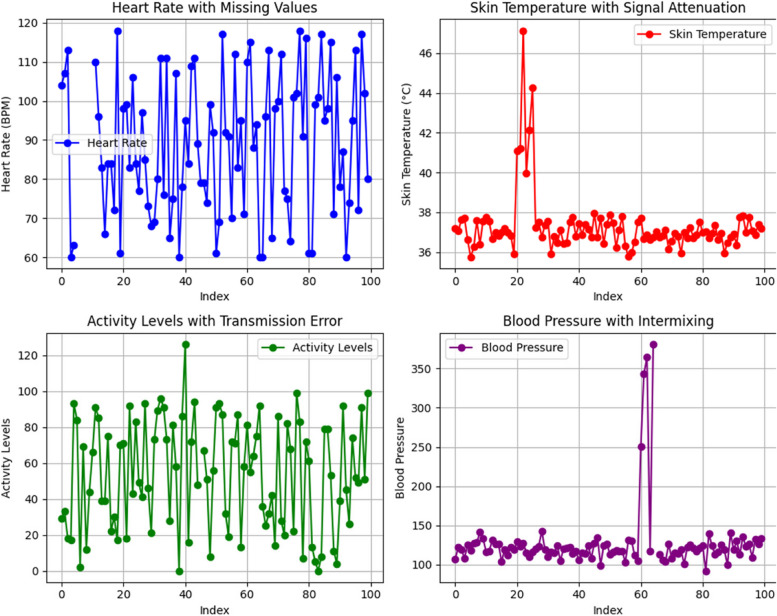
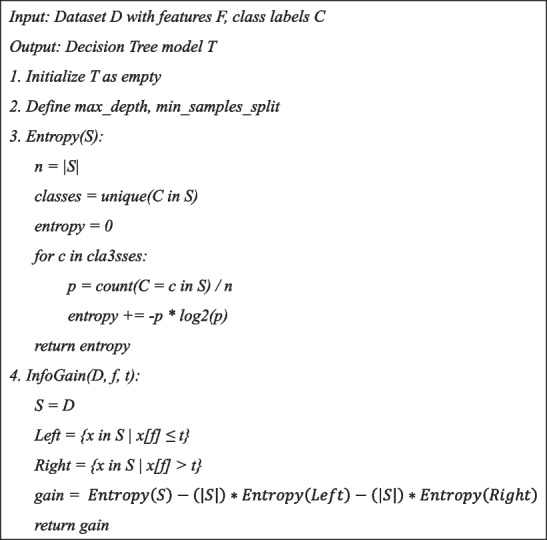
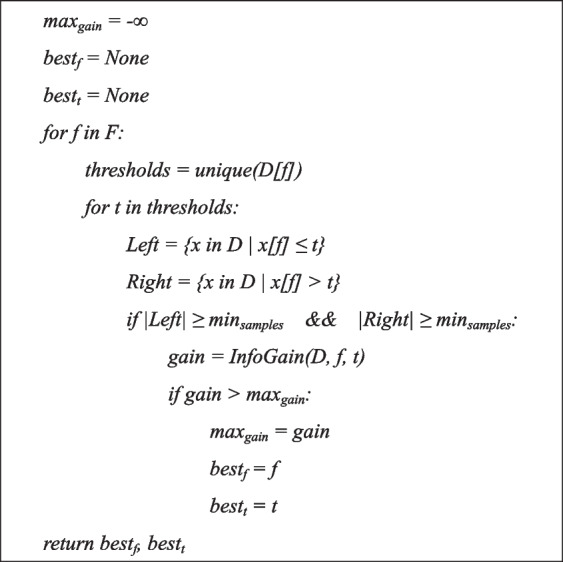
Prenatal diagnostics are vital for the woman as well as her unborn baby. The diagnostics help in the early identification of the possibility of complication and the initial measures that help to ameliorate the mother and the fetus health status are taken. Over the year's various techniques have been employed in diagnosing genetic disorders before birth that lack effectiveness in terms of cost, time, and places to access ultra-modern health facilities. To overcome these problems, this paper puts forward a diagnostic model that integrates Internet of Things innovation with a Machine Learning approach which is the Decision Tree Algorithms. First, it implies the application of IOT devices in the collection of vital information like heart rate, blood pressure, glucose levels, and fetal movement. The data is structured in the form of a dataset and transmitted to a Big Data storage for warehousing and processing. Secondly, the DTA is employed to analyze the data and look for patterns and possibilities of future health complications. The DTA operates in that it divides the dataset into subsets considering specific features and formulates a tree-like model of decisions. At every node, the algorithm chooses the attribute which has the highest information gain, to partition the data into different classes. This process goes on until it reaches a decision node through which, it can decide probable health problems from the input data. To increase the reliability of the developed model this study fine-tunes the model by using a large database of pre-natal health records. The system is capable of collecting data in real-time and flagging data that needs attention in the case of any abnormality to the health professional. The above methodology was tested on a 1000-record database of pre-natal health records where the proposal achieved 95% possibility of potential health problems as against 85% by classical statistical analysis. Furthermore, the system scaled down the number of false positive cases by 20 percent and false negatives by 15 percent thus the efficacy of the system.
产前诊断对孕妇及其未出生的婴儿至关重要。这些诊断有助于早期识别并发症的可能性,并采取有助于改善母亲和胎儿健康状况的初步措施。多年来,人们采用了各种技术来诊断出生前的遗传疾病,但在成本、时间以及获取超现代医疗设施的地点方面缺乏有效性。为了克服这些问题,本文提出了一种诊断模型,该模型将物联网创新与机器学习方法(即决策树算法)相结合。首先,它意味着应用物联网设备来收集诸如心率、血压、血糖水平和胎动等重要信息。数据以数据集的形式进行结构化,并传输到大数据存储库进行存储和处理。其次,使用决策树算法来分析数据,寻找未来健康并发症的模式和可能性。决策树算法的工作方式是,它考虑特定特征将数据集划分为子集,并制定一个树状决策模型。在每个节点,该算法选择信息增益最高的属性,将数据划分为不同的类别。这个过程一直持续到它到达一个决策节点,通过该节点,它可以从输入数据中确定可能的健康问题。为了提高所开发模型的可靠性,本研究通过使用大量产前健康记录数据库对模型进行了微调。该系统能够实时收集数据,并在出现任何异常情况时向健康专业人员标记需要关注的数据。上述方法在一个包含1000条产前健康记录的数据库上进行了测试,该方案在潜在健康问题方面实现了95%的可能性,而传统统计分析为85%。此外,该系统将假阳性病例数量减少了20%,假阴性病例数量减少了15%,从而提高了系统的有效性。