Bozhkov A I, Bobkov V V, Osolodchenko T P, Yurchenko O I, Ganin V Y, Ivanov E G, Batuieva Y D, Minukhin V V, Goltvyanskiy A V, Kozheshkurt V A, Ponomarenko S V
V. N. Karazin Kharkiv National University, Kharkiv, Ukraine.
I.Mechnikov Institute of Microbiology and Immunology National Academy of Medical Sciences of Ukraine, Kharkiv, Ukraine.
Heliyon. 2024 Oct 10;10(20):e39098. doi: 10.1016/j.heliyon.2024.e39098. eCollection 2024 Oct 30.
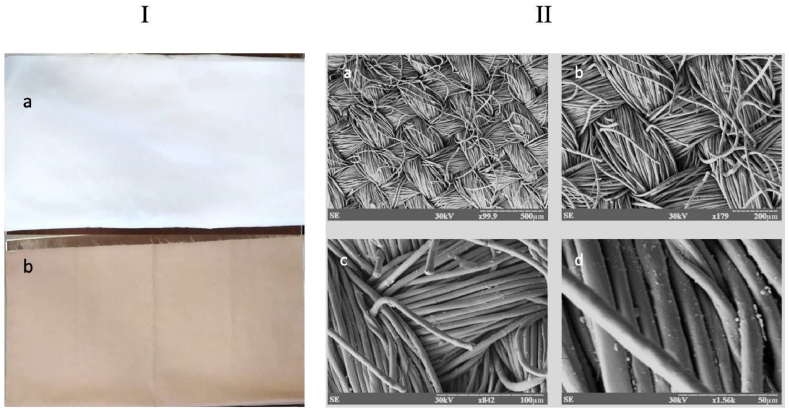
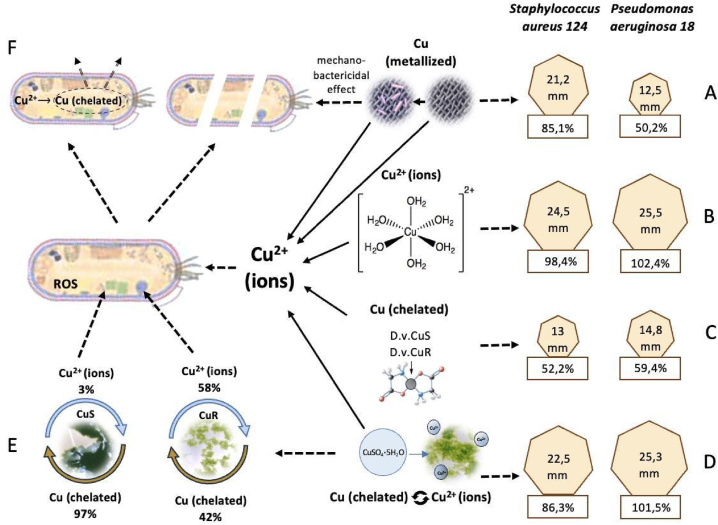
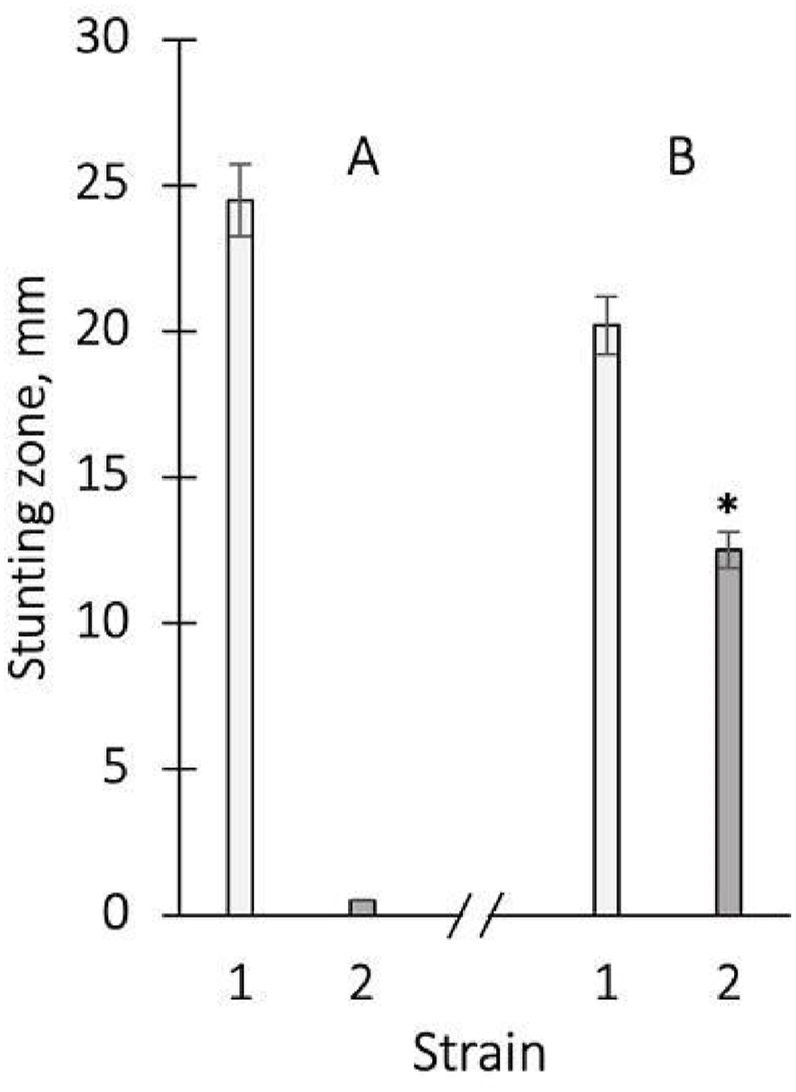
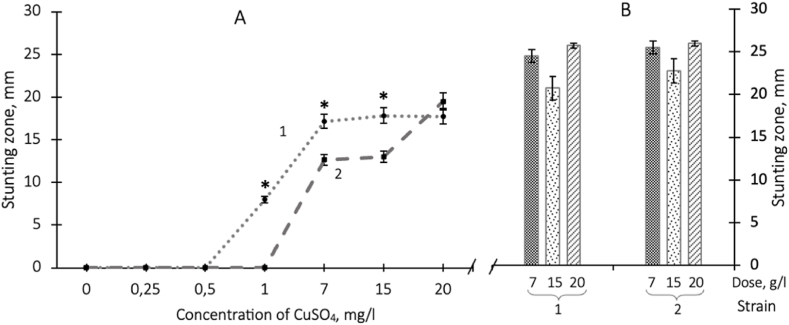
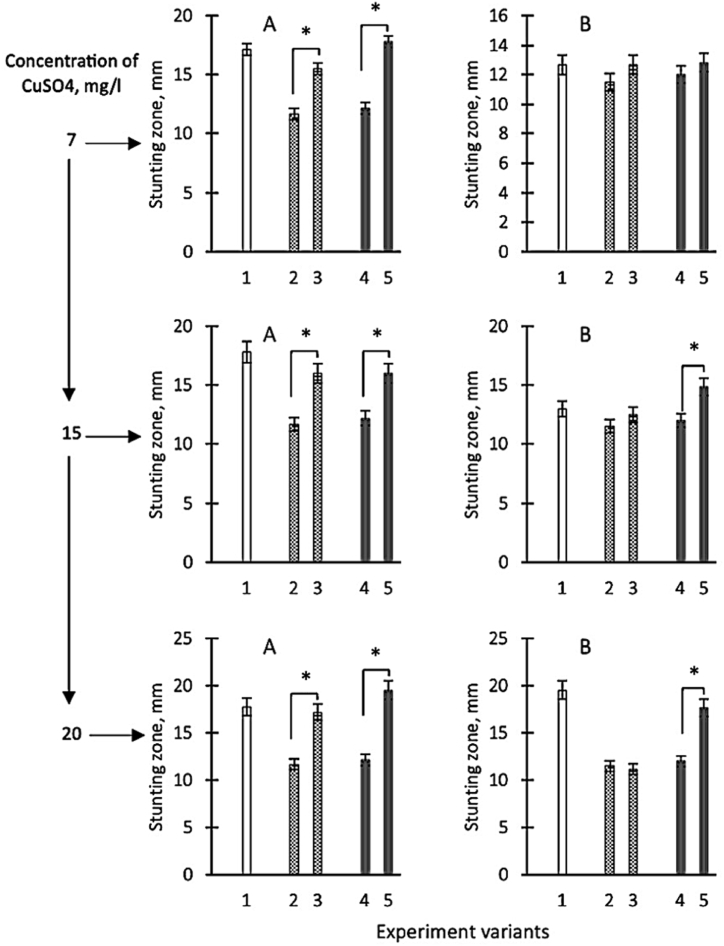
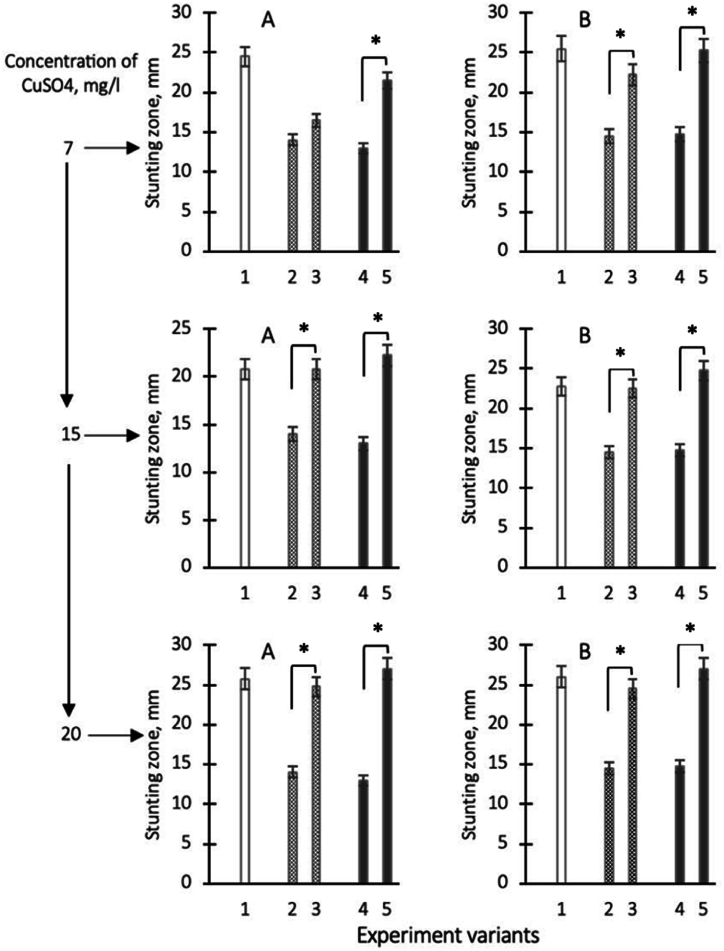
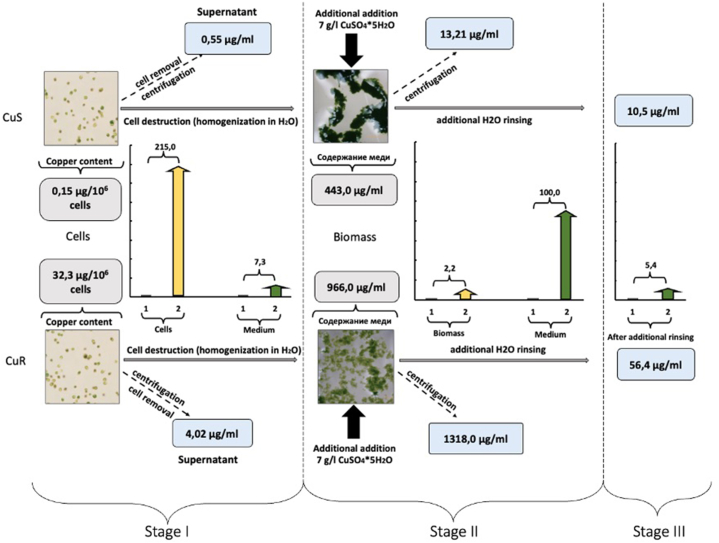
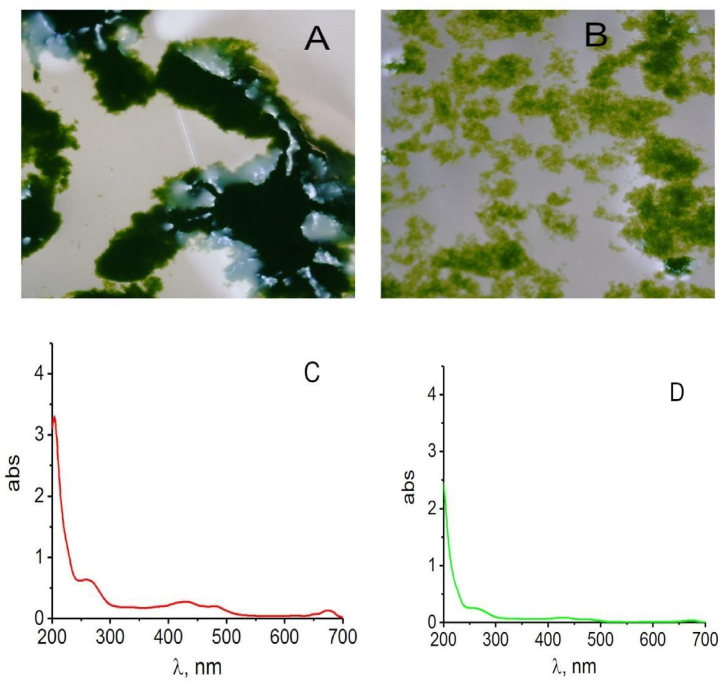
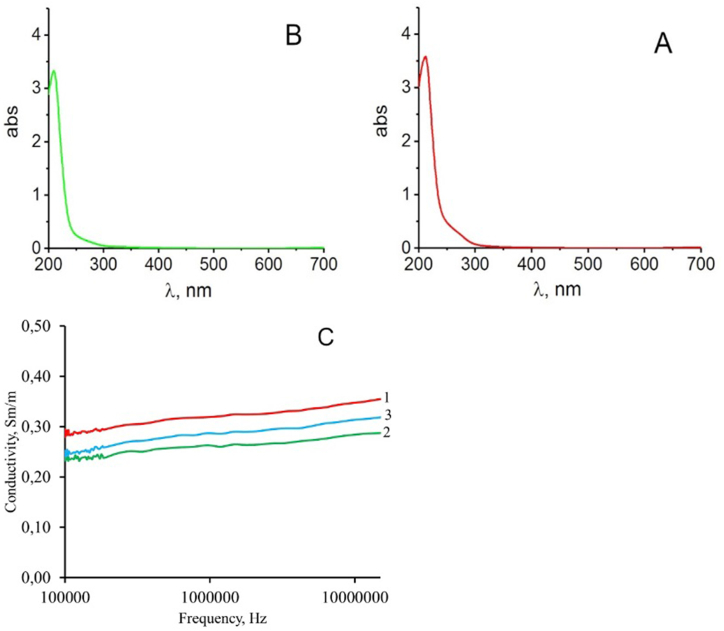
The hypothesis that the antibacterial effect of copper depends on its state was tested. It was studied the antibacterial effect of copper applied to the fabric, copper in chelated and free (ionic) forms on the growth intensity of and in the system after a single or "primary" contact. Classical microbiology methods were used. Copper was applied to the fabric by magnetron and arc planar discharge systems, and the culture of microalgae , resistant to the action of high concentrations of copper, was used to obtain copper in chelated form. It was shown that a thin layer of copper (3 μm) applied to the fabric showed pronounced antibacterial activity against (85 % compared to the antibiotic meropenem) and less pronounced activity against , which is resistant to meropenem. Copper in ionic form inhibited the growth of as well as the antibiotic, and also effectively inhibited the growth of i.e., copper ions did not have species specificity like the antibiotic. Components of microalgae cells had weakly expressed antibacterial effect to these types of bacteria, and supplementary addition of copper sulfate to the biomass of microalgae led to an increase of their antibacterial activity and this is more pronounced for microalgae culture in which the ratio « chelated/ionic » forms of copper is shifted to the ionic form. It was shown that the antibacterial activity of microalgae biomass after the first introduction into the tested bacterial cultures depends on the amount of free or "weakly bound" with cell components copper ions. It is suggested that the antibacterial effect of fabric with a thin layer of copper may be determined by two mechanisms: the action of copper ions and mechano-bactericidal effects, while chelated forms of copper may have a prolonged effect on bacterial cultures.
对铜的抗菌作用取决于其状态这一假说进行了验证。研究了应用于织物上的铜、螯合态和游离(离子)态铜在单次或“初次”接触后对系统中 和 生长强度的抗菌作用。采用了经典微生物学方法。通过磁控管和电弧平面放电系统将铜应用于织物上,并且利用对高浓度铜作用具有抗性的微藻 培养物来获得螯合态铜。结果表明,应用于织物上的一层薄铜(3微米)对 表现出显著的抗菌活性(与抗生素美罗培南相比为85%),而对美罗培南耐药的 表现出的活性较弱。离子态铜抑制了 的生长以及抗生素的作用,并且还有效抑制了 的生长,即铜离子不像抗生素那样具有物种特异性。微藻细胞的成分对这些类型的细菌具有微弱的抗菌作用,向微藻生物质中补充硫酸铜会导致其抗菌活性增加,对于铜的“螯合/离子”形式比例向离子形式转变的微藻培养物来说,这种情况更为明显。结果表明,首次引入受试细菌培养物后微藻生物质的抗菌活性取决于游离的或与细胞成分“弱结合”的铜离子数量。有人提出,带有薄铜层的织物的抗菌作用可能由两种机制决定:铜离子的作用和机械杀菌作用,而螯合态铜可能对细菌培养物具有持久作用。