Chen Yang-Chuan, Chang Feng-Yee, Shang Shih-Ta, Wang Yung-Chih
Division of Infectious Diseases and Tropical Medicine, Department of Internal Medicine, Tri-Service General Hospital, National Defense Medical Center, Taipei City, Taiwan.
Department of Internal Medicine, Armed Forces Taoyuan General Hospital, Taoyuan City, Taiwan.
Infect Drug Resist. 2024 Dec 11;17:5507-5512. doi: 10.2147/IDR.S495313. eCollection 2024.
is a commensal microflora commonly found in various mucosal sites in the respiratory, gastrointestinal, and genitourinary tracts. It causes invasive suppurative infections including liver and brain abscesses along with thoracic empyema. However, it rarely causes meningitis without abscess formation.
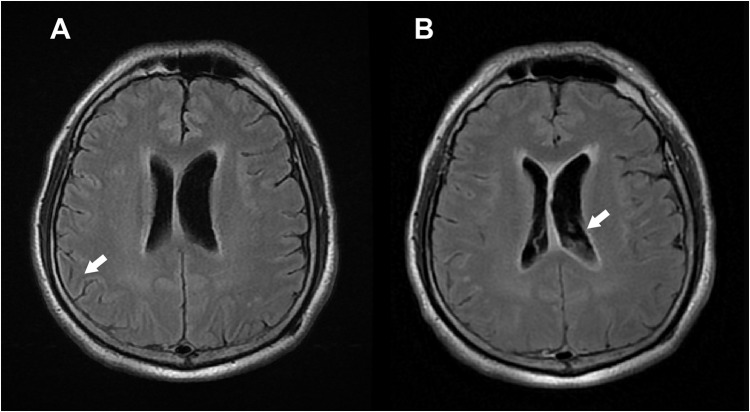
A 56-year-old immunocompetent man who presented with fever and headache. Bacterial meningitis was confirmed using cerebrospinal fluid analysis. Magnetic resonance imaging of the brain revealed leptomeningitis and ventriculitis. However, conventional methods, such as microbiological culture failed to identify the causative pathogens. Metagenomic next-generation sequencing of cerebrospinal fluid revealed the presence of . It allowed us the optimal treatment for him. The patient underwent antibiotic treatment with 6-week duration of ceftriaxone administration accompanied by surgical intervention, resulting in a favorable prognosis.
Herein, we report a rare case of meningitis and ventriculitis caused by using metagenomic next-generation sequencing. The patient recovered well after antibiotic treatment and surgery. We present this rare case and summarize previous studies to remind clinicians that timely identification of the pathogen and optimal treatment are crucial for management of -induced infections.
是一种常见的共生微生物群,通常存在于呼吸道、胃肠道和泌尿生殖道的各个黏膜部位。它会引发侵袭性化脓性感染,包括肝脓肿、脑脓肿以及胸腔积脓。然而,它很少在没有脓肿形成的情况下引发脑膜炎。
一名56岁免疫功能正常的男性,出现发热和头痛症状。通过脑脊液分析确诊为细菌性脑膜炎。脑部磁共振成像显示软脑膜炎和脑室炎。然而,传统方法,如微生物培养,未能识别出致病病原体。脑脊液的宏基因组下一代测序显示存在。这使我们能够为他制定最佳治疗方案。患者接受了为期6周的头孢曲松抗生素治疗,并伴有手术干预,预后良好。
在此,我们报告一例罕见的由通过宏基因组下一代测序引发的脑膜炎和脑室炎病例。患者在抗生素治疗和手术后恢复良好。我们呈现此罕见病例并总结先前研究,以提醒临床医生及时识别病原体和进行最佳治疗对于管理引发的感染至关重要。
需注意,原文中部分关键微生物名称未完整给出,翻译可能存在信息不完整的情况。