Khosravi Mohsen, Mojtabaeian Seyyed Morteza, Sarvestani Mina Aghamaleki
Quality improvement and accreditation unit, Imam Hossein Hospital, Shahroud University of Medical Sciences, Shahroud, Iran.
Department of Healthcare Services Management, School of Management and Medical Informatics, Shiraz University of Medical Sciences, Shiraz, Iran.
Environ Health Insights. 2024 Dec 13;18:11786302241302270. doi: 10.1177/11786302241302270. eCollection 2024.
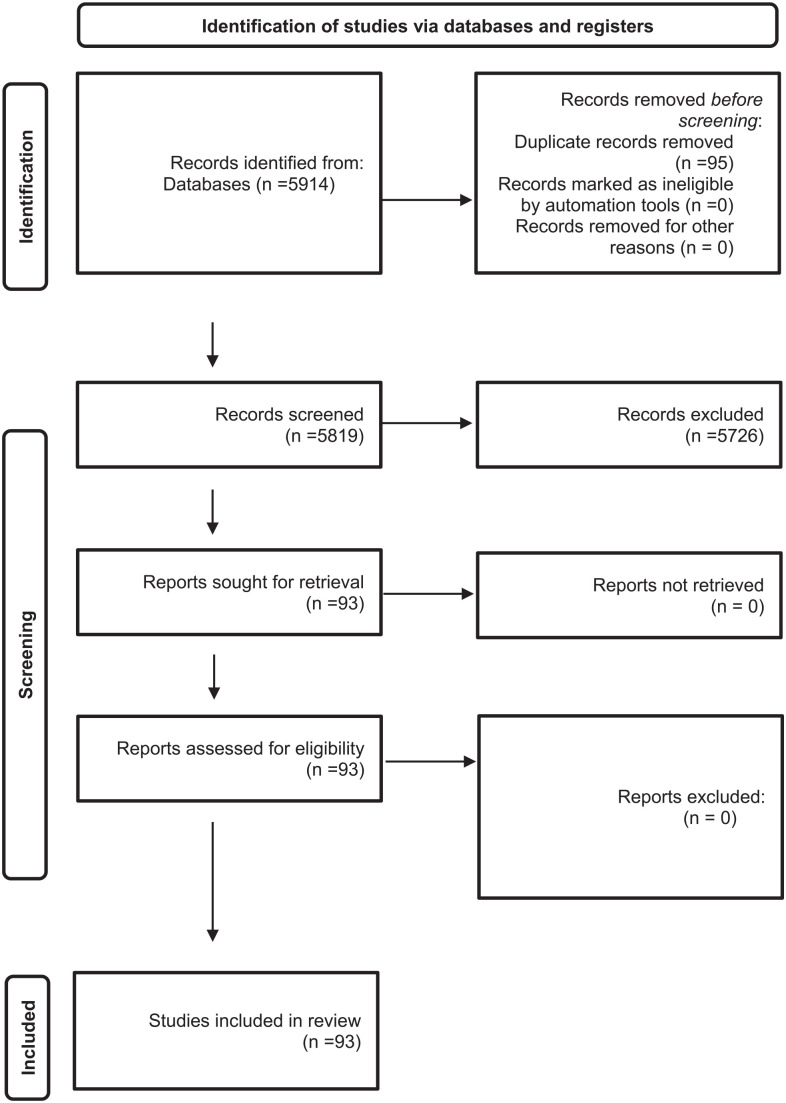
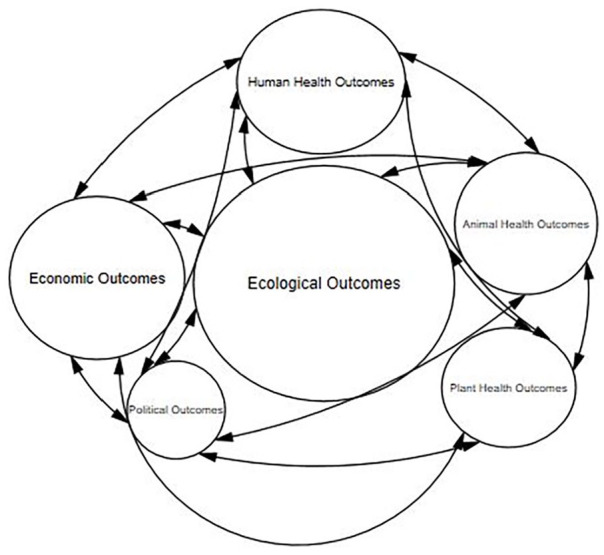
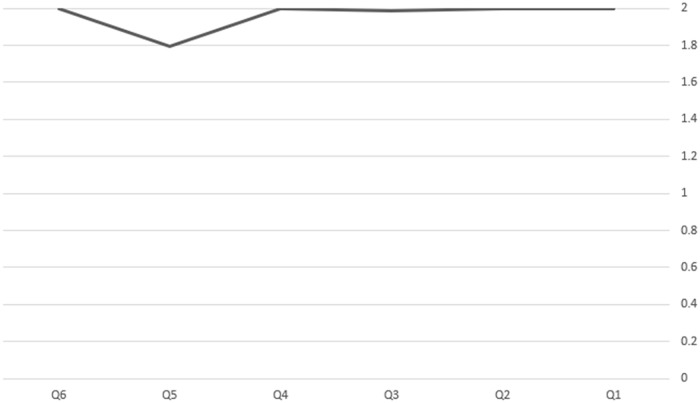
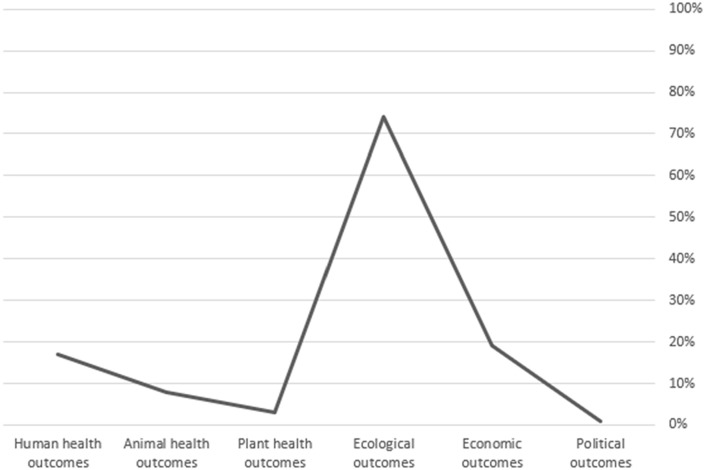
The Middle East is facing serious climate change challenges, rendering it as one of the most affected regions worldwide. This paper aimed to investigate the outcomes of climate change in the Middle East. In 2024, a qualitative study was conducted employing a methodology that integrated systematic review for data collection and thematic analysis for data analysis. Such integration of the approaches provided valuable insights into the findings within the literature in a comprehensive and categorized format. PubMed, Scopus, ProQuest, and the Cochrane Database of Systematic Reviews were searched for relevant studies published between 2000 and 2024. The quality of these studies was assessed using the AACODS (Accuracy, Coverage, Objectivity, Date, Significance) checklist. The data extracted from the included studies underwent a thematic analysis utilizing Braun and Clarke's methodology. After completing the screening process, a total of 93 papers were deemed suitable for inclusion in the study. The quality assessment of these selected studies demonstrated a notably high standard, particularly in terms of authority, accuracy, coverage, objectivity, and significance. Moreover, minimal levels of bias were observed within the included studies. Subsequent thematic analysis of the findings from the systematic review identified 6 overarching themes: "Human Health Outcomes," "Animal Health Outcomes," "Plant Health Outcomes," "Ecological Outcomes," "Economic Outcomes," and "Political Outcomes." The study revealed ecological outcomes as the most prevalent consequences of climate change in the Middle East, including alterations in habitat distribution, temperature increase, water scarcity, and more. The outcomes seemed to be interconnected, exacerbating each other. Yemen and Syria had faced severe consequences, leading to political unrest and humanitarian crises in which Yemen ranking among the most water-stressed nations globally, while Syria contending with millions of displaced individuals living in dire conditions.
中东正面临严峻的气候变化挑战,使其成为全球受影响最严重的地区之一。本文旨在调查中东气候变化的结果。2024年,开展了一项定性研究,采用了将系统评价用于数据收集、主题分析用于数据分析的方法。这种方法的整合以全面且分类的形式为文献中的研究结果提供了有价值的见解。在PubMed、Scopus、ProQuest和Cochrane系统评价数据库中搜索了2000年至2024年发表的相关研究。使用AACODS(准确性、覆盖范围、客观性、日期、重要性)清单评估这些研究的质量。从纳入研究中提取的数据采用布劳恩和克拉克的方法进行了主题分析。完成筛选过程后,共有93篇论文被认为适合纳入该研究。对这些选定研究的质量评估显示出显著的高标准,特别是在权威性、准确性、覆盖范围、客观性和重要性方面。此外,在所纳入的研究中观察到的偏倚水平极低。随后对系统评价结果进行的主题分析确定了6个总体主题:“人类健康结果”、“动物健康结果”、“植物健康结果”、“生态结果”、“经济结果”和“政治结果”。该研究表明,生态结果是中东气候变化最普遍的后果,包括栖息地分布变化、气温上升、水资源短缺等。这些结果似乎相互关联,相互加剧。也门和叙利亚面临了严重后果,导致政治动荡和人道主义危机,其中也门是全球水资源压力最大的国家之一,而叙利亚则有数百万流离失所者生活在恶劣条件下。