Papatzikis Efthymios, Agapaki Maria, Selvan Rosari Naveena, Hanson-Abromeit Deanna, Gold Christian, Epstein Shulamit, Lok U Wun Vivian, Barda Evrykleia, Pandey Varun
Department of Early Childhood Education and Care, Oslo Metropolitan University, Oslo, Norway.
Advanced Health Intelligence and Brain-Inspired Technologies (ADEPT) Research Group, Oslo Metropolitan University, Oslo, Norway.
BMC Pediatr. 2024 Dec 23;24(1):829. doi: 10.1186/s12887-024-05275-z.
In recent years, the use of music as a therapeutic and developmental tool for infants, especially within neonatal intensive care units (NICUs), has seen a surge in interest. Despite a growing body of research underscoring the potential benefits of music therapy and music medicine in enhancing infant development and aiding medical practices, the specific characteristics of music that maximize these benefits remain poorly understood.
This scoping review aims to provide a comprehensive foundation by mapping the existing literature on passive music listening and identifying gaps, trends, and patterns that are crucial precursors to the development of best practices.
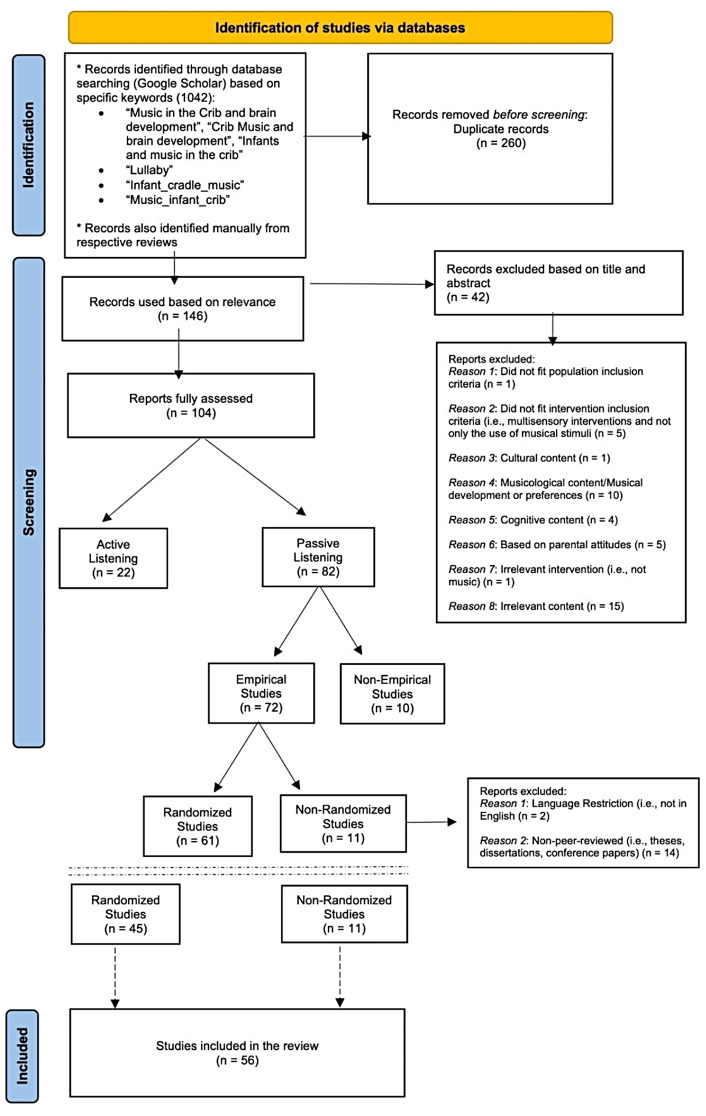
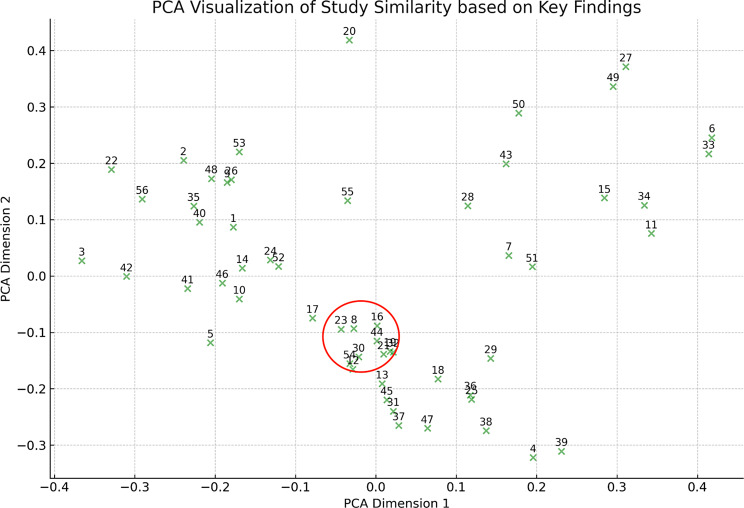
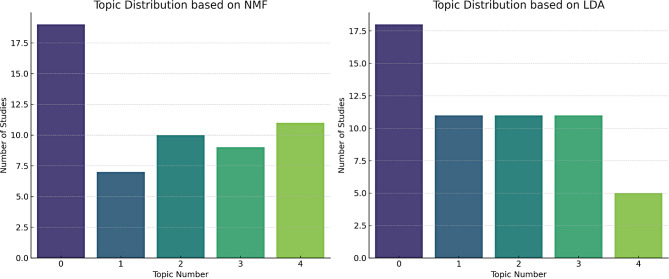
Following the PRISMA guidelines, a comprehensive literature search was conducted, covering studies published up until December 2022. The focus was on passive music listening, with a deliberate exclusion of active music interventions. Out of the initial pool of studies, 56 met the inclusion criteria, determined by the PICO framework, focusing on passive music exposure among full-term and preterm infants. Starting with a descriptive analysis approach, the study employed Non-negative Matrix Factorization (NMF) and Latent Dirichlet Allocation (LDA) to identify key themes, including the physiological impacts of music, its role in pain management, effects on sleep and stress, and influences on feeding and weight gain.
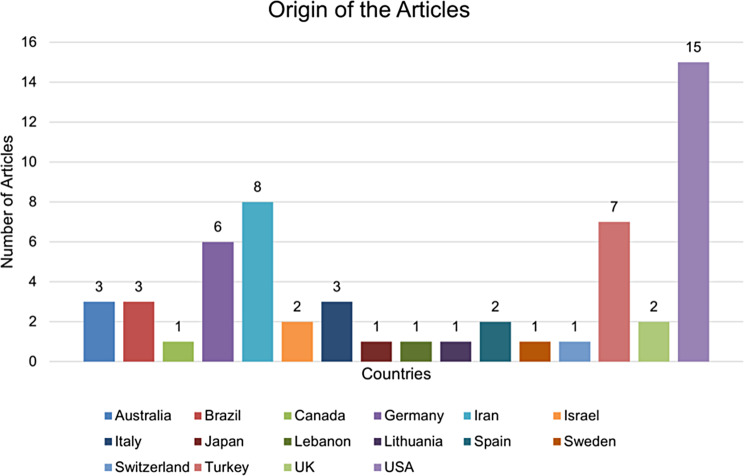
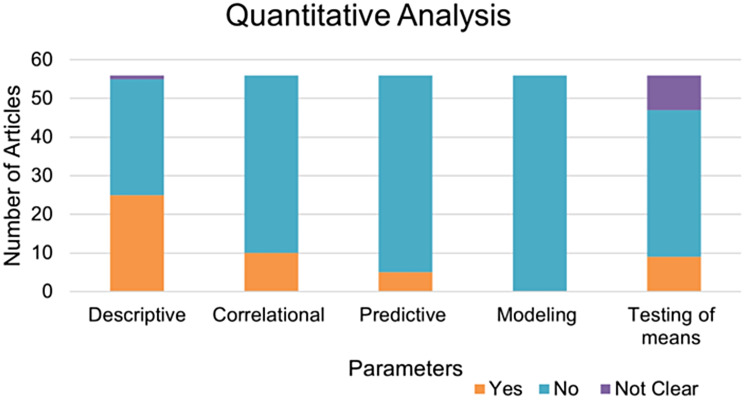
The review revealed a predominance of quantitative research methods, a significant concentration of studies from the United States, suggesting potential geographical bias, and a notable clinical setting bias. These findings indicate a critical need for methodological diversity and a more culturally inclusive and interdisciplinary approach to research. They also point to the necessity for standardized music intervention protocols to optimize therapeutic and developmental outcomes for this vulnerable population. Future research should aim to bridge the methodological gaps identified, integrating both qualitative and quantitative approaches to provide a comprehensive understanding of music's impact on infant development and medical practices in a global, culturally nuanced context.
近年来,音乐作为一种针对婴儿的治疗和发育工具,尤其是在新生儿重症监护病房(NICU)中的应用,受到了越来越多的关注。尽管越来越多的研究强调了音乐疗法和音乐医学在促进婴儿发育和辅助医疗实践方面的潜在益处,但对于能最大化这些益处的音乐的具体特征,人们仍知之甚少。
本范围综述旨在通过梳理关于被动听音乐的现有文献,并确定作为最佳实践发展关键前提的差距、趋势和模式,提供一个全面的基础。
遵循PRISMA指南,进行了全面的文献检索,涵盖截至2022年12月发表的研究。重点是被动听音乐,特意排除了主动音乐干预。在最初的研究池中,有56项符合纳入标准,这些标准由PICO框架确定,重点关注足月儿和早产儿的被动音乐接触。从描述性分析方法开始,该研究采用非负矩阵分解(NMF)和潜在狄利克雷分配(LDA)来确定关键主题,包括音乐的生理影响、其在疼痛管理中的作用、对睡眠和压力的影响以及对喂养和体重增加的影响。
该综述显示定量研究方法占主导地位,来自美国的研究高度集中,表明可能存在地域偏见,并且存在明显的临床环境偏见。这些发现表明迫切需要方法的多样性以及更具文化包容性和跨学科的研究方法。它们还指出需要标准化的音乐干预方案,以优化这一脆弱人群的治疗和发育结果。未来的研究应旨在弥补已确定的方法差距,整合定性和定量方法,以便在全球、文化细微差别的背景下全面了解音乐对婴儿发育和医疗实践的影响。