Sun Hongyi, Liu Shaohua, Wei Chao
Department of Ophthalmology, The Second Hospital, Cheeloo College of Medicine, Shandong University, No. 247, Beiyuan Street, Jinan City, Shandong Province, China.
Diabetol Metab Syndr. 2024 Dec 23;16(1):309. doi: 10.1186/s13098-024-01557-9.
Growing evidence suggests a link between systemic lipopolysaccharide (LPS) exposure and worsening diabetic retinopathy (DR). This study aims to investigate DR's pathogenesis by analyzing LPS-related genes (LRGs) through bioinformatics.
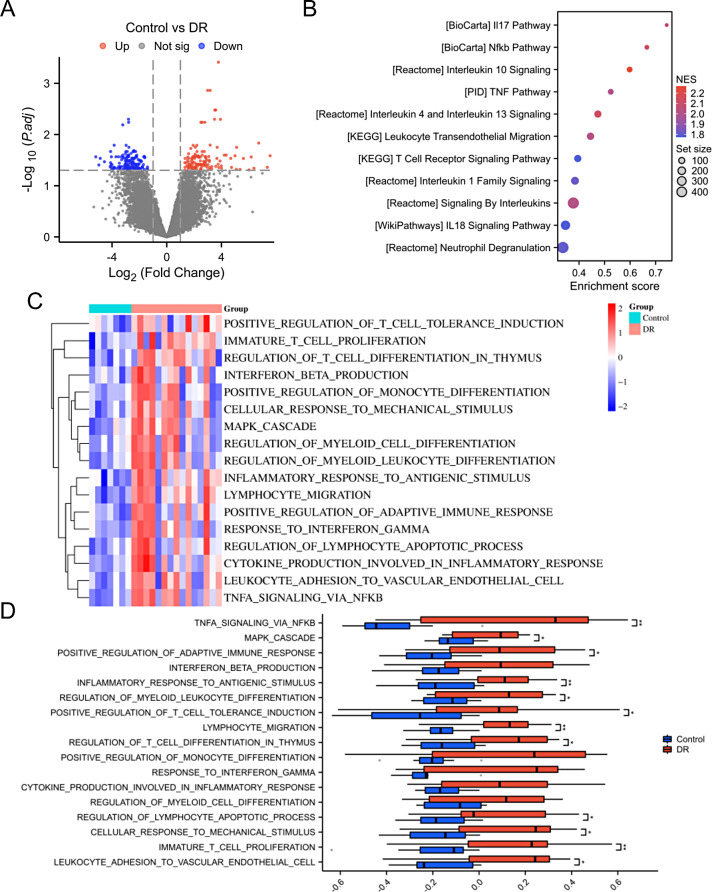
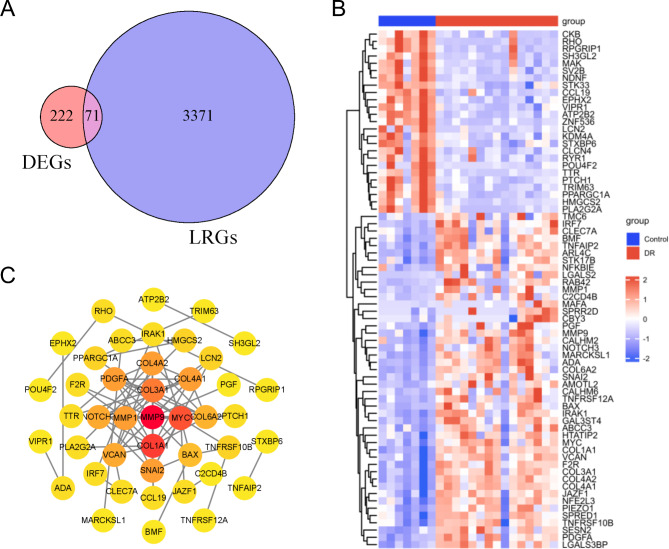
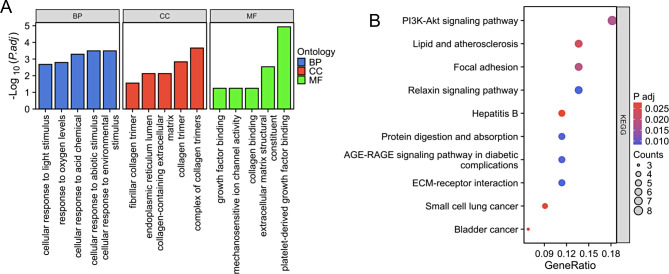
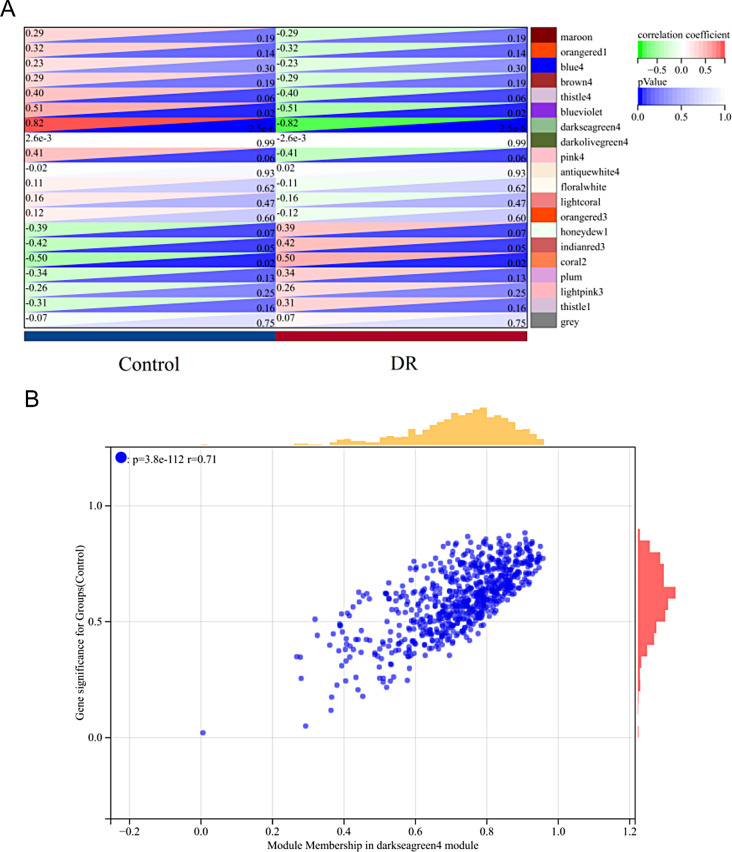
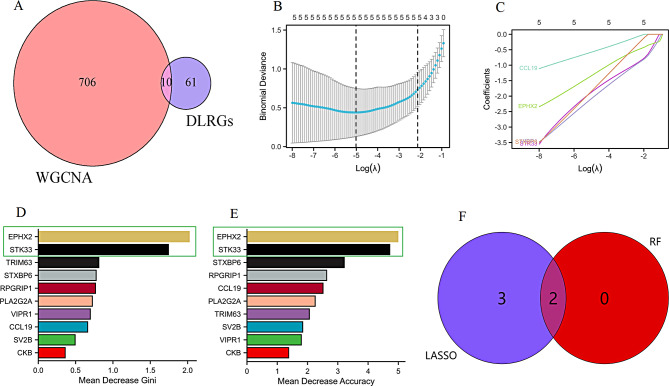
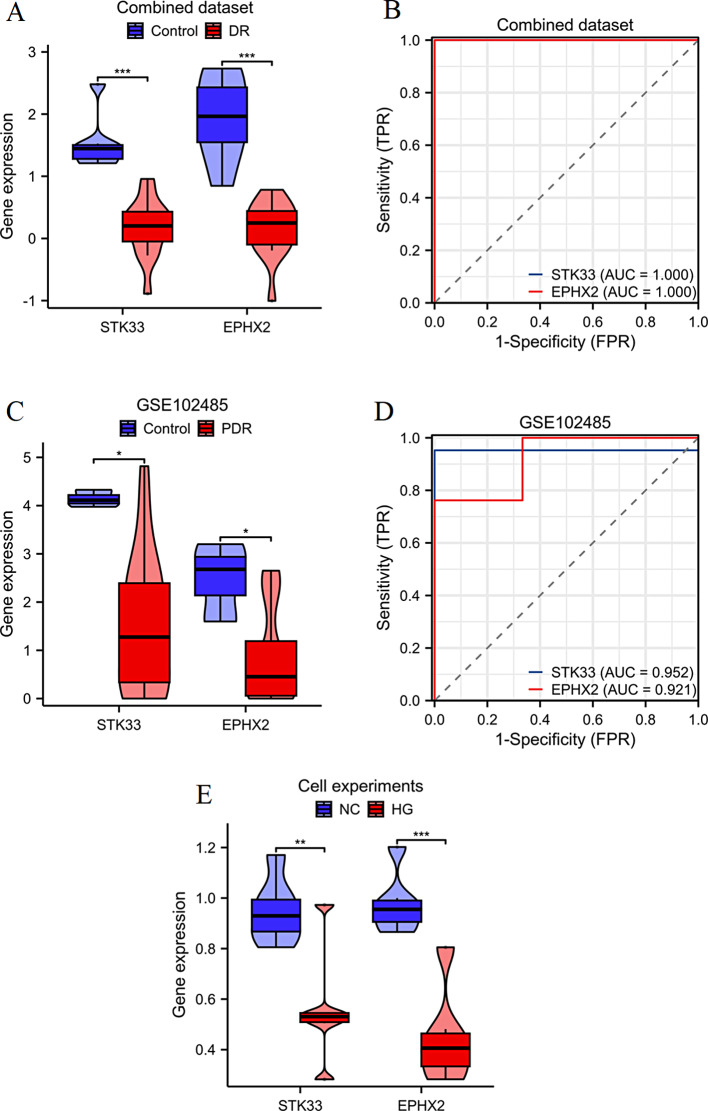
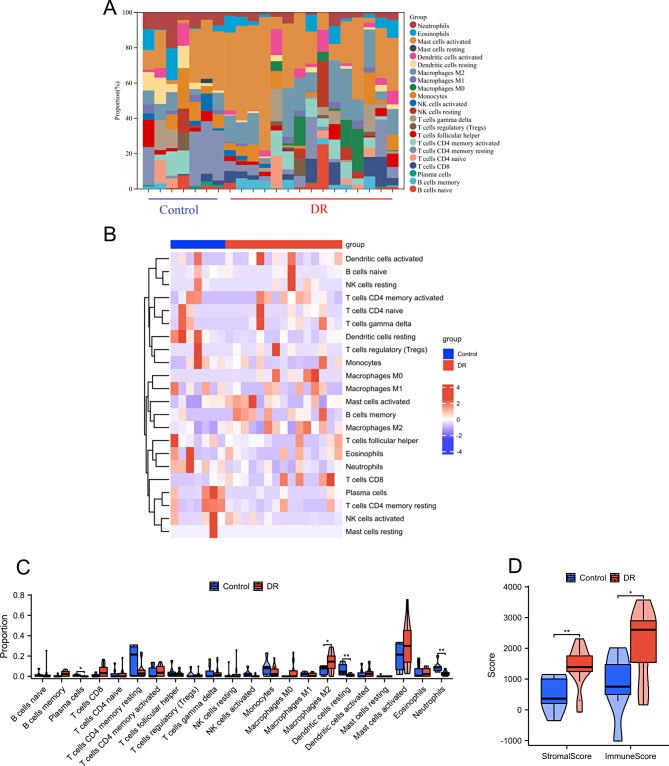
The CTD database was utilized to identify LRGs. The datasets associated with DR were acquired from the GEO database. The Venn diagram was used to identify the differentially expressed LRGs (DLRGs), and the putative molecular mechanism of these DLRGs was investigated through functional enrichment analysis. We used WGCNA, Lasso regression, and RF to identify hub DLRGs. The expression levels of these hub DLRGs were validated in an independent dataset (GSE102485) and cell experiments. Employing the CIBERSORT algorithm, we examined the infiltration of 22 distinct immune cell types in DR and assessed the association between key DLRGs and immune infiltrates through correlation analysis.
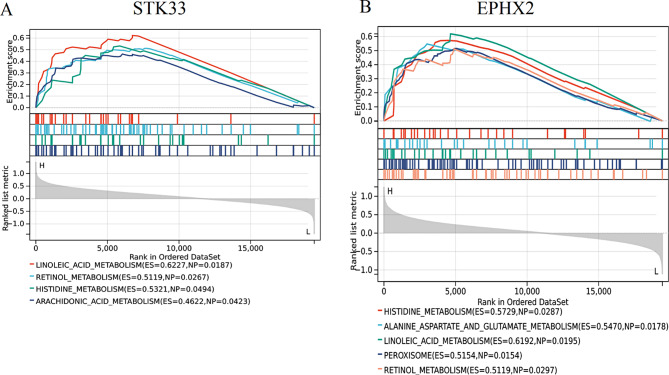
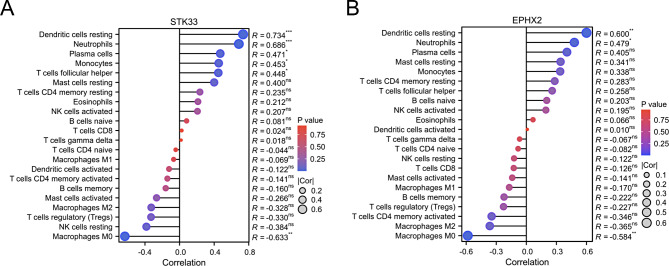
A total of 71 DLRGs were detected. These genes exhibited significant enrichment in pathways associated with inflammation. In addition, the in-depth analysis uncovered that five hub DLRGs (STK33 and EPHX2) linked to bacterial LPS displayed noteworthy diagnostic potential for individuals diagnosed with DR. The hub DLRGs expression in the high glucose-induced DR model was confirmed by qRT-PCR analysis. Furthermore, examination of immune infiltration indicated a significant association between these five genes and the extent of immune cell infiltration.
STK33 and EPHX2 serve as biomarkers related to bacterial LPS. Exploring these genes in-depth could provide innovative ideas and a foundation for comprehending the progression of the disease and developing targeted treatments for DR.
越来越多的证据表明全身暴露于脂多糖(LPS)与糖尿病视网膜病变(DR)的恶化之间存在联系。本研究旨在通过生物信息学分析LPS相关基因(LRGs)来探究DR的发病机制。
利用CTD数据库鉴定LRGs。从GEO数据库获取与DR相关的数据集。使用维恩图鉴定差异表达的LRGs(DLRGs),并通过功能富集分析研究这些DLRGs的潜在分子机制。我们使用加权基因共表达网络分析(WGCNA)、套索回归和随机森林(RF)来鉴定关键DLRGs。在一个独立数据集(GSE102485)和细胞实验中验证这些关键DLRGs的表达水平。采用CIBERSORT算法,我们检测了DR中22种不同免疫细胞类型的浸润情况,并通过相关性分析评估关键DLRGs与免疫浸润之间的关联。
共检测到71个DLRGs。这些基因在与炎症相关的通路中表现出显著富集。此外,深入分析发现与细菌LPS相关的5个关键DLRGs(STK33和EPHX2)对DR患者具有显著的诊断潜力。通过qRT-PCR分析证实了高糖诱导的DR模型中关键DLRGs的表达。此外,免疫浸润检查表明这5个基因与免疫细胞浸润程度之间存在显著关联。
STK33和EPHX2作为与细菌LPS相关的生物标志物。深入研究这些基因可为理解疾病进展和开发DR的靶向治疗提供创新思路和基础。