Kaur Dilmeet, Esseili Malak A, Ramasamy Ramaraja P
Nano Electrochemistry Laboratory, College of Engineering, University of Georgia, Athens, GA 30602, USA.
Center for Food Safety, University of Georgia, Griffin Campus, Griffin, GA 30223, USA.
Biosensors (Basel). 2024 Nov 27;14(12):576. doi: 10.3390/bios14120576.
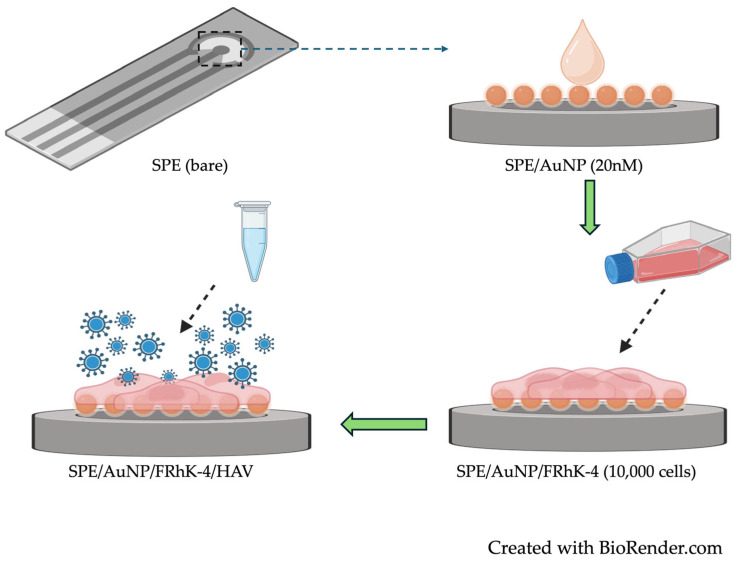
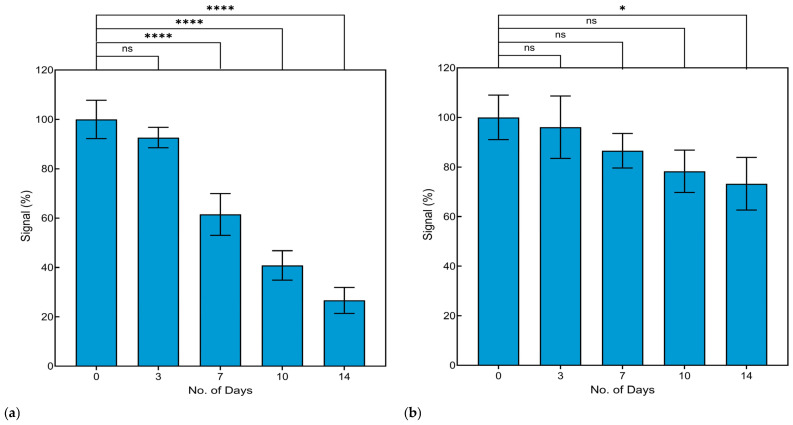
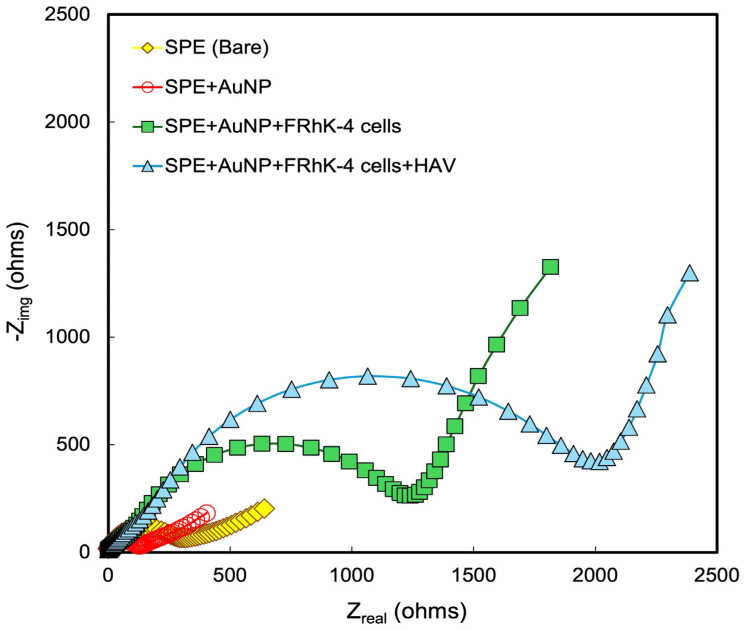
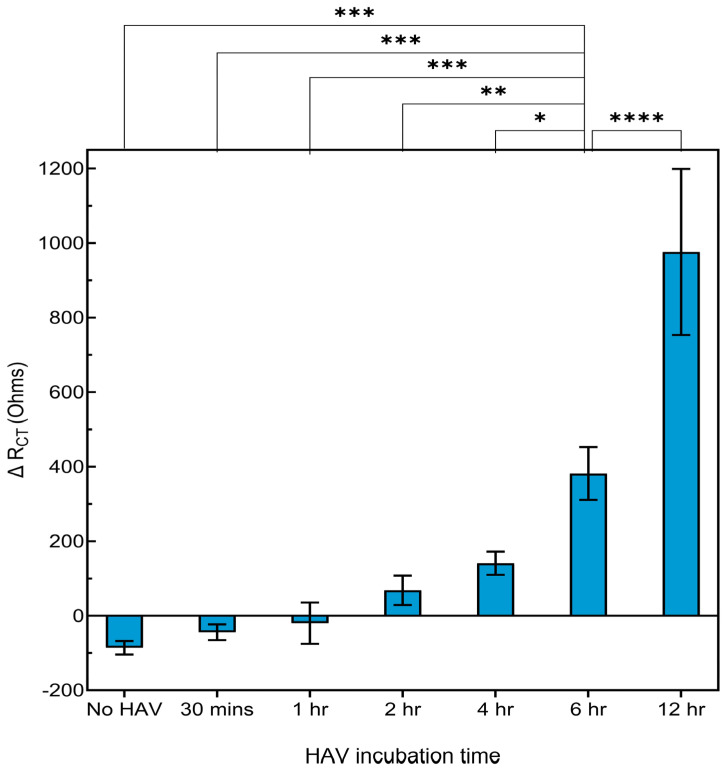
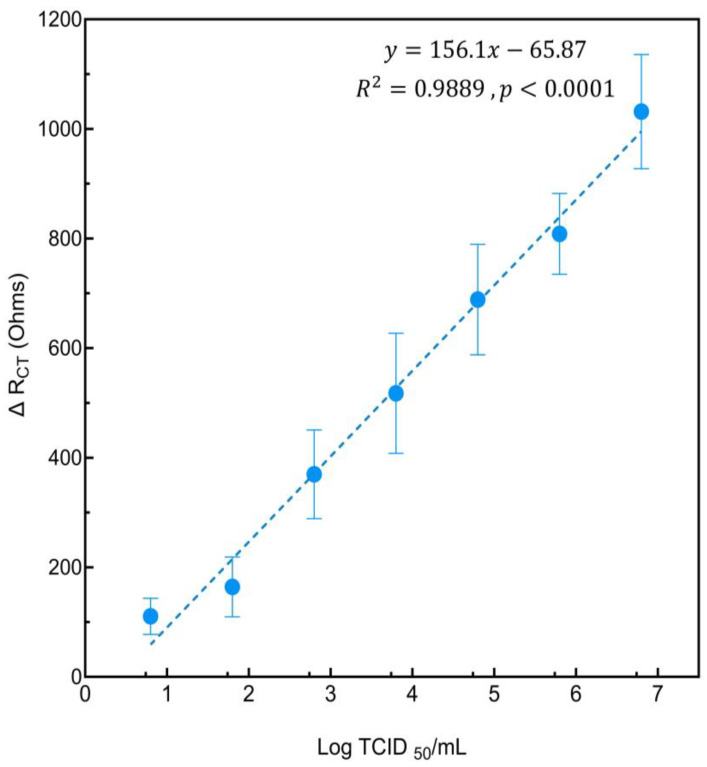
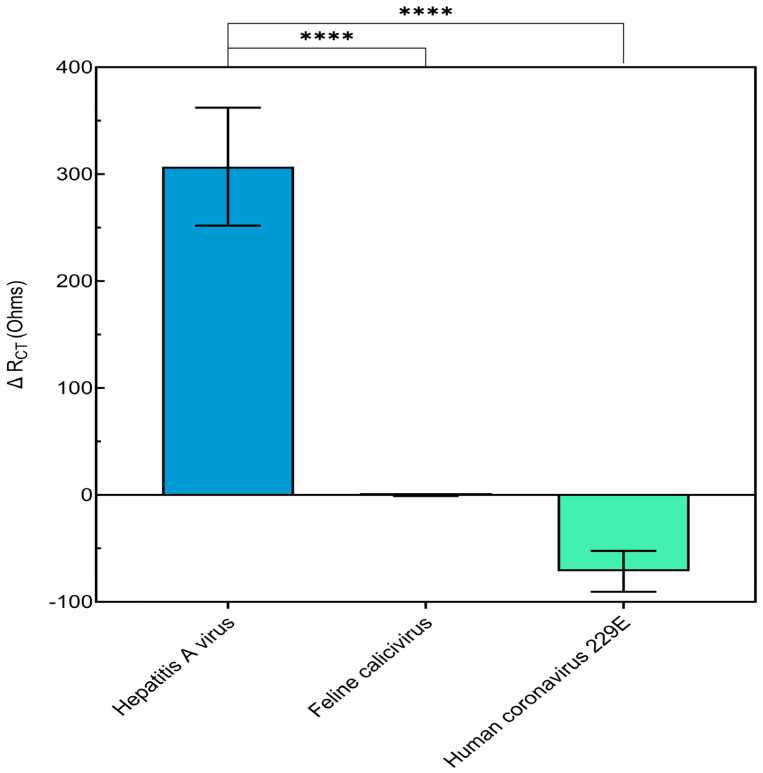
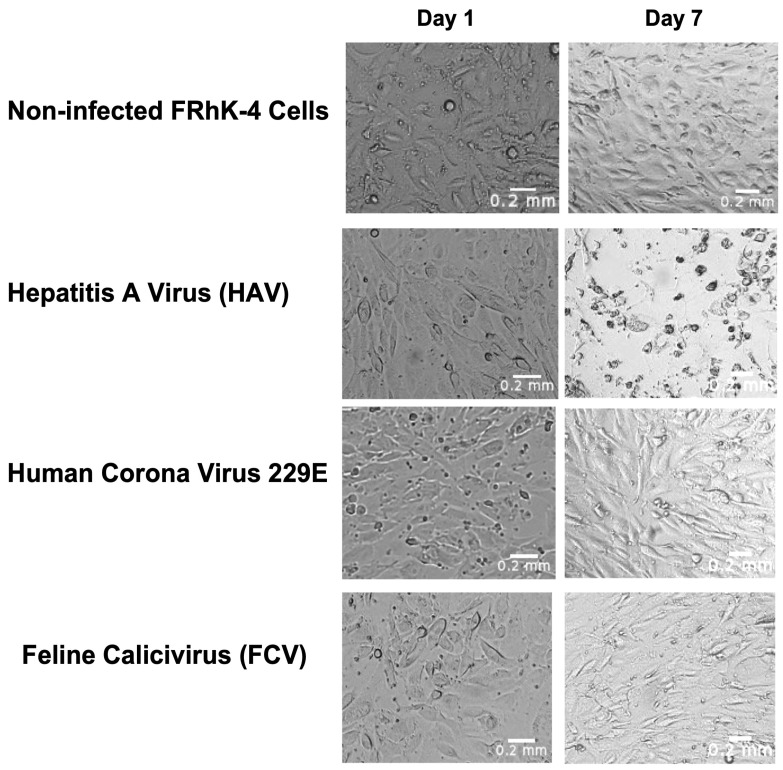
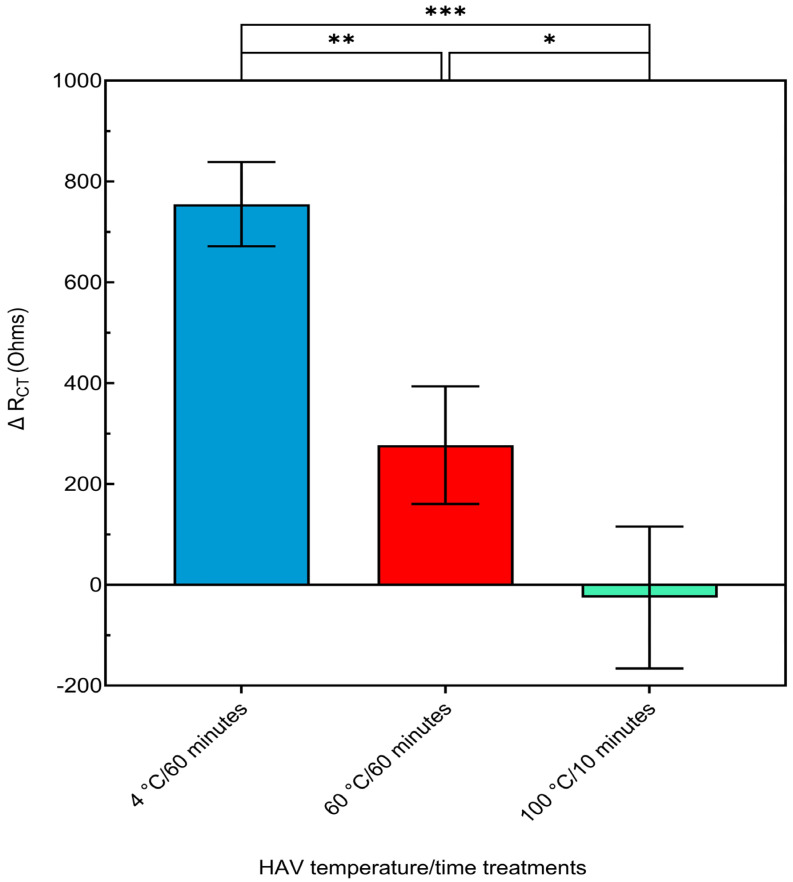
Hepatitis A virus (HAV), a major cause of acute liver infections, is transmitted through the fecal-oral route and close contact with infected individuals. Current HAV standardized methods rely on the detection of virus antigen or RNA, which do not differentiate between infectious and non-infectious HAV. The objective of this study was to develop a prototype cell-based electrochemical biosensor for detection of infectious HAV. A cell culture-adapted HAV strain (HM175/18f) and its permissive cells (FRhK-4), along with gold nanoparticle-modified screen-printed electrodes, were used to develop the biosensor. Electrochemical impedance spectroscopy was used to quantify the electrical impedance signal. Nyquist plots showed successful fabrication of the cell-based biosensor. The optimum period of HAV incubation with the biosensor was 6 h. A significant linear relationship (R = 0.98) was found between the signal and a 6-log range of HAV titers, with a limit of detection of ~5 TCID/mL (tissue culture infectious dose). The biosensor did not detect non-target viruses such as feline calicivirus and human coronavirus 229E. The biosensor was stable for 3 to 7 days at an abusive temperature (37 °C), retaining ~90 to 60% of the original signal, respectively. In conclusion, this prototype cell-based biosensor is capable of rapidly detecting low levels of infectious HAV.
甲型肝炎病毒(HAV)是急性肝脏感染的主要病因,通过粪-口途径以及与受感染个体的密切接触传播。当前的HAV标准化检测方法依赖于病毒抗原或RNA的检测,这些方法无法区分感染性和非感染性HAV。本研究的目的是开发一种基于细胞的电化学原型生物传感器,用于检测感染性HAV。采用适应细胞培养的HAV毒株(HM175/18f)及其允许细胞(FRhK-4),以及金纳米颗粒修饰的丝网印刷电极来开发该生物传感器。使用电化学阻抗谱对电阻抗信号进行量化。奈奎斯特图表明基于细胞的生物传感器制备成功。HAV与生物传感器孵育的最佳时间为6小时。在信号与6个对数范围的HAV滴度之间发现了显著的线性关系(R = 0.98),检测限约为5 TCID/mL(组织培养感染剂量)。该生物传感器未检测到诸如猫杯状病毒和人冠状病毒229E等非目标病毒。在恶劣温度(37°C)下,该生物传感器可稳定3至7天,分别保留约90%至60%的原始信号。总之,这种基于细胞的原型生物传感器能够快速检测低水平的感染性HAV。