Rayo Pérez Ana Mª, Juárez Jiménez José María, Rayo Rosado Rafael, García de la Peña Raquel
Department of Podiatry of the Faculty of Nursing, Physiotherapy and Podiatry of the University of Seville, Calle Avicena s/n, 41009 Seville, Spain.
Infect Dis Rep. 2024 Nov 26;16(6):1108-1117. doi: 10.3390/idr16060090.
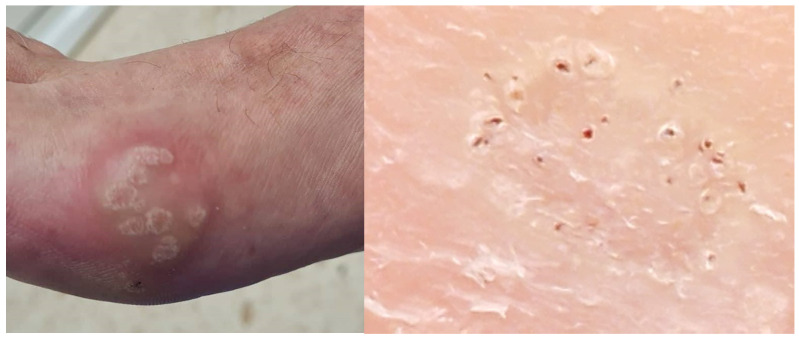
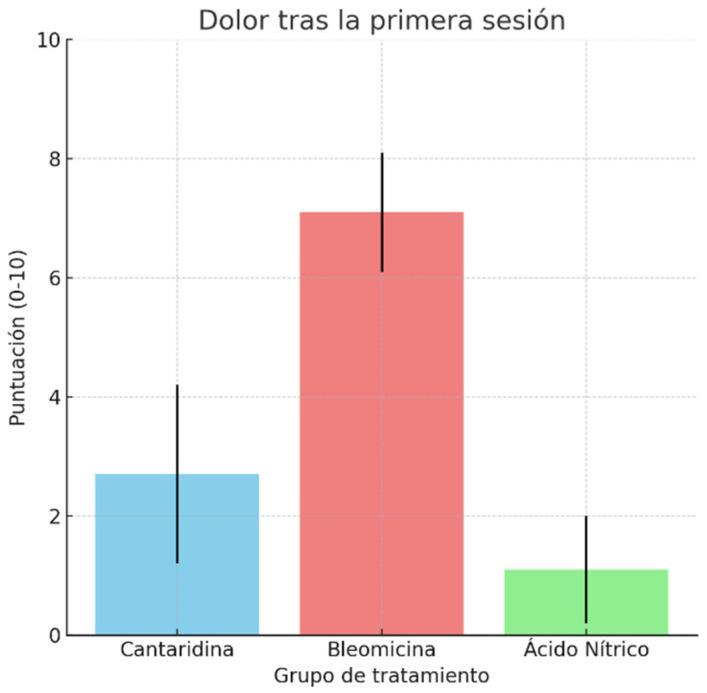
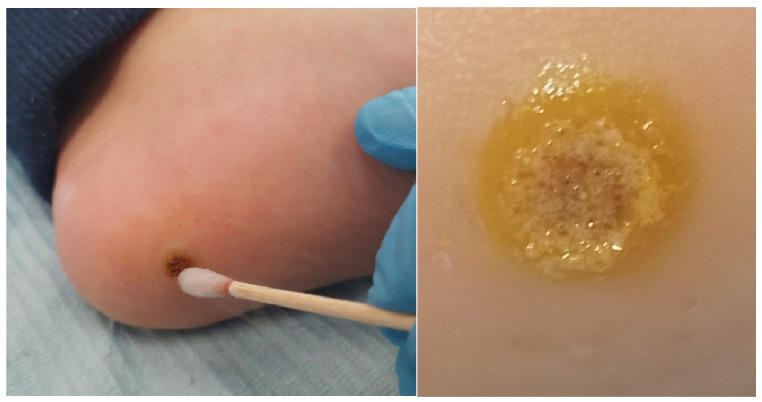
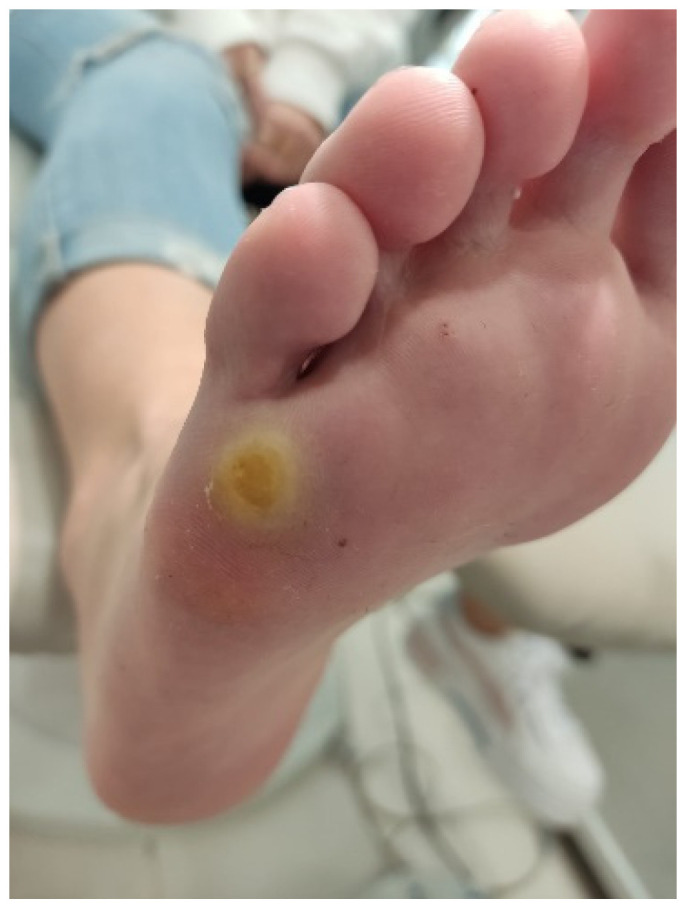
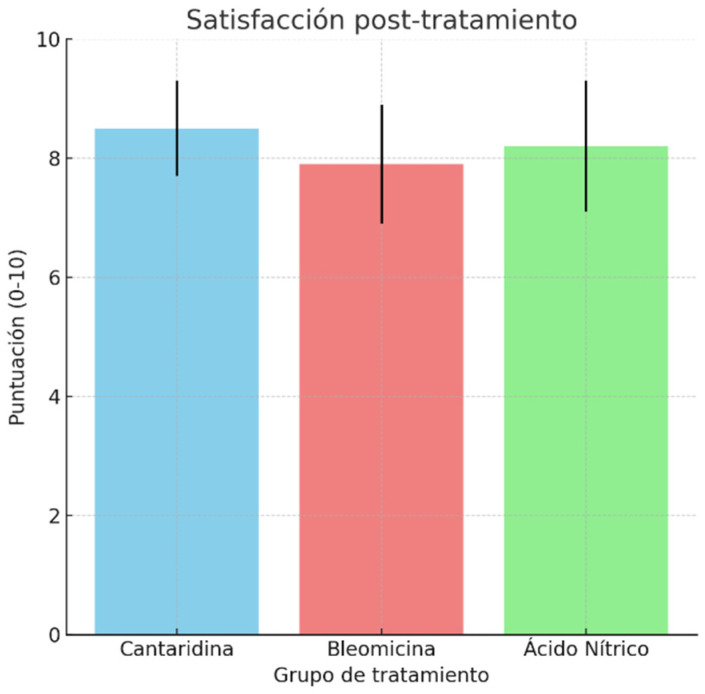
: Plantar warts, caused by human papillomavirus (HPV), are a common condition that can be painful and resistant to treatment. There are various therapeutic options for managing them, but it is not always clear which are the most effective and tolerated by patients. Among the most commonly used treatments are a zinc and nitric complex (nitrizinc complex), cantharidin, and bleomycin, each with different mechanisms of action and profiles in terms of pain and patient satisfaction. : We aimed to evaluate and compare the clinical efficacy, post-treatment pain, and patient satisfaction among three common treatments (zinc and nitric complex, cantharidin, and bleomycin) in subjects with plantar warts, as well as identify the most effective and best-tolerated treatment. : This is a retrospective case series study analyzing 60 records of subjects aged 18 to 40 years diagnosed with plantar warts without systemic diseases or allergies and without any prior treatment. Complete records from 2020 to 2023 were selected. Subjects were divided into three groups according to the treatment received (zinc and nitric complex, cantharidin, bleomycin), and demographic variables, post-treatment pain (measured using the visual analog scale), the number of sessions required, and satisfaction after discharge (evaluated with the Likert scale) were analyzed. : Of the 60 subjects included, the group treated with bleomycin experienced higher levels of pain after the first session (mean of 7.1 points on the VAS) compared to the cantharidin group (2.7 points) and the zinc and nitric complex group (1.1 points). However, the bleomycin group required fewer sessions for complete healing (an average of 1.8 sessions), while the nitric acid group needed more (3.4 sessions), with cantharidin falling in between (2.5 sessions). Regarding post-discharge satisfaction, all groups showed comparable scores (between 7.9 and 8.5 points), although cantharidin demonstrated slightly higher satisfaction. A statistical analysis showed significant differences in the number of sessions and post-treatment pain between treatments ( < 0.05) but not in final satisfaction. : Although bleomycin treatment is more painful, it is the most effective in terms of reducing the number of sessions required for complete healing. Cantharidin offers a good balance between efficacy and patient satisfaction, while a zinc and nitric complex, although less painful, requires more sessions for complete treatment. Each treatment has specific advantages, suggesting that therapeutic choices should be personalized according to the patient's needs and preferences.
跖疣由人乳头瘤病毒(HPV)引起,是一种常见病症,会引起疼痛且治疗棘手。治疗跖疣有多种方法,但哪种方法最有效且患者耐受性最佳,往往并不明确。最常用的治疗方法包括锌与硝酸复合物(硝锌复合物)、斑蝥素和博来霉素,它们的作用机制以及在疼痛和患者满意度方面的表现各不相同。
我们旨在评估和比较三种常见治疗方法(锌与硝酸复合物、斑蝥素和博来霉素)对跖疣患者的临床疗效、治疗后疼痛程度和患者满意度,并确定最有效且耐受性最佳的治疗方法。
这是一项回顾性病例系列研究,分析了60例年龄在18至40岁之间、被诊断为跖疣且无全身性疾病或过敏史、此前未接受过任何治疗的患者记录。选取了2020年至2023年的完整记录。根据接受的治疗方法(锌与硝酸复合物、斑蝥素、博来霉素)将患者分为三组,并分析人口统计学变量、治疗后疼痛程度(使用视觉模拟量表测量)、所需治疗次数以及出院后的满意度(使用李克特量表评估)。
在纳入的60例患者中,与斑蝥素组(2.7分)和锌与硝酸复合物组(1.1分)相比,博来霉素组在首次治疗后疼痛程度更高(视觉模拟量表平均分为7.1分)。然而,博来霉素组完全治愈所需的治疗次数更少(平均1.8次),而硝酸组所需次数更多(3.4次),斑蝥素组介于两者之间(2.5次)。关于出院后的满意度,所有组的得分相当(7.9至8.5分之间),不过斑蝥素组的满意度略高。统计分析表明,不同治疗方法在治疗次数和治疗后疼痛程度方面存在显著差异(<0.05),但在最终满意度方面无显著差异。
虽然博来霉素治疗更疼痛,但在减少完全治愈所需的治疗次数方面最为有效。斑蝥素在疗效和患者满意度之间取得了良好平衡,而锌与硝酸复合物虽然疼痛较轻,但完全治愈需要更多治疗次数。每种治疗方法都有其特定优势,这表明治疗选择应根据患者的需求和偏好进行个性化定制。