
通过抑制核因子-κB/核苷酸结合寡聚化结构域样受体蛋白3/白细胞介素-1途径介导的血管平滑肌细胞焦亡来减轻动脉粥样硬化
Attenuating Atherosclerosis through Inhibition of the NF-B/NLRP3/IL-1 Pathway-Mediated Pyroptosis in Vascular Smooth Muscle Cells (VSMCs).
作者信息
Li Shihuan, Li Qingjie, Zhou Qiaofeng, Li Suqin, Wang Siqi, Yao Qing, Ouyang Changhan, Liu Chao, Li Mincai
机构信息
College of Medicine, Hubei University of Science and Technology, Xianning 437100, China.
Institute of Medicine, Hubei Key Laboratory of Diabetes, Hubei University of Science and Technology, Xianning, China.
出版信息
Cardiovasc Ther. 2024 Mar 25;2024:1506083. doi: 10.1155/2024/1506083. eCollection 2024.
OBJECTIVE
We investigated the effects of resveratrol (Res) and MCC950 on the pyroptosis of vascular smooth muscle cells (VSMCs) and the potential pathway.
METHODS AND RESULTS
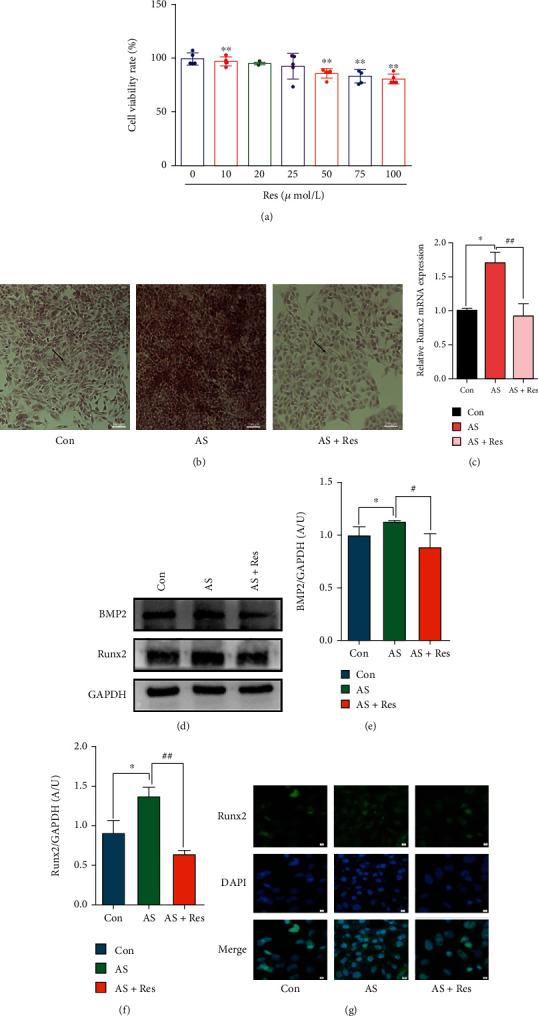
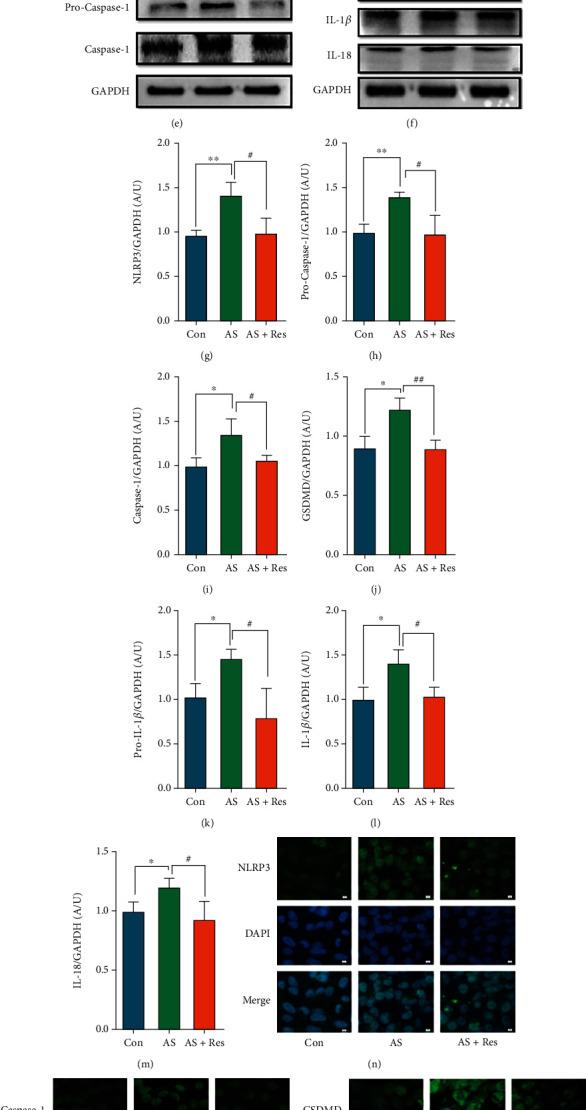
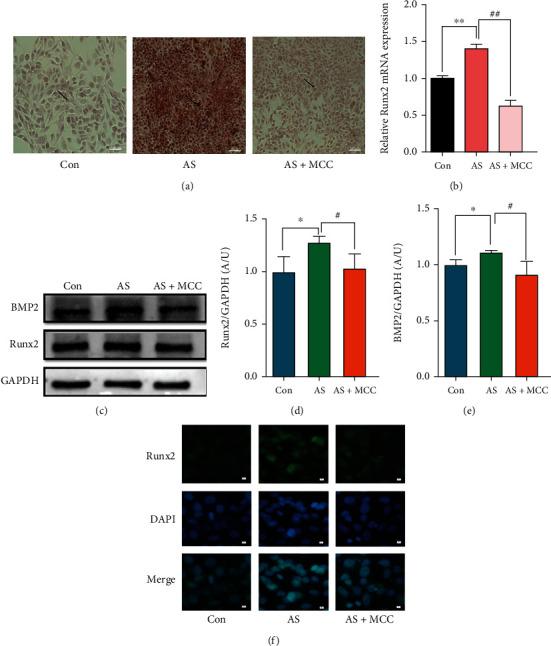
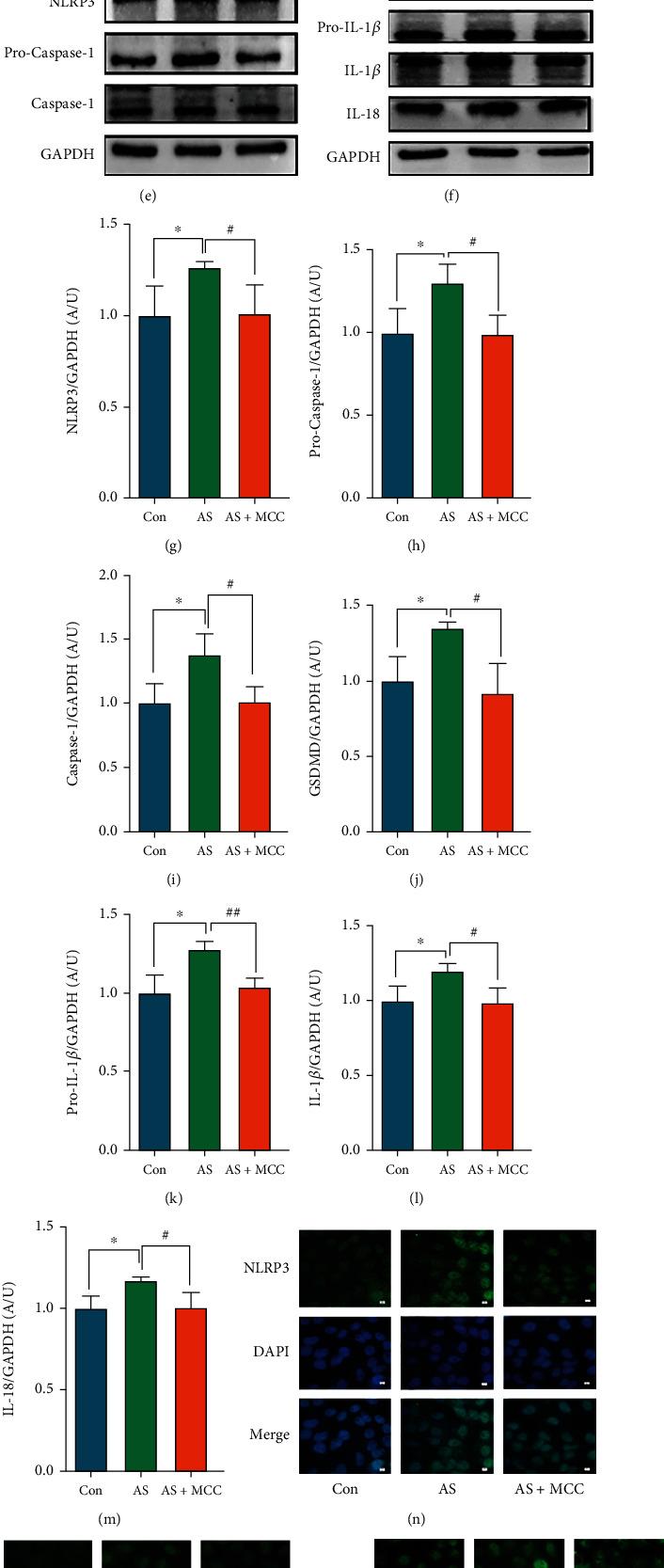
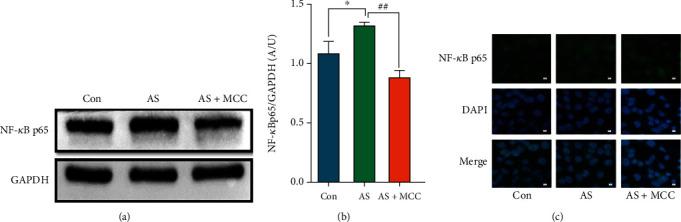
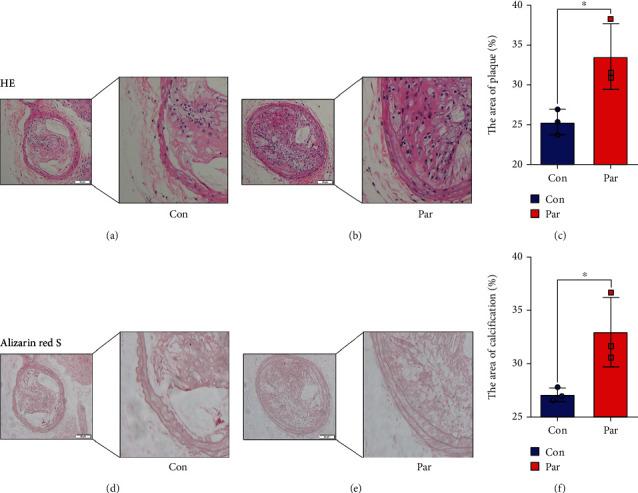
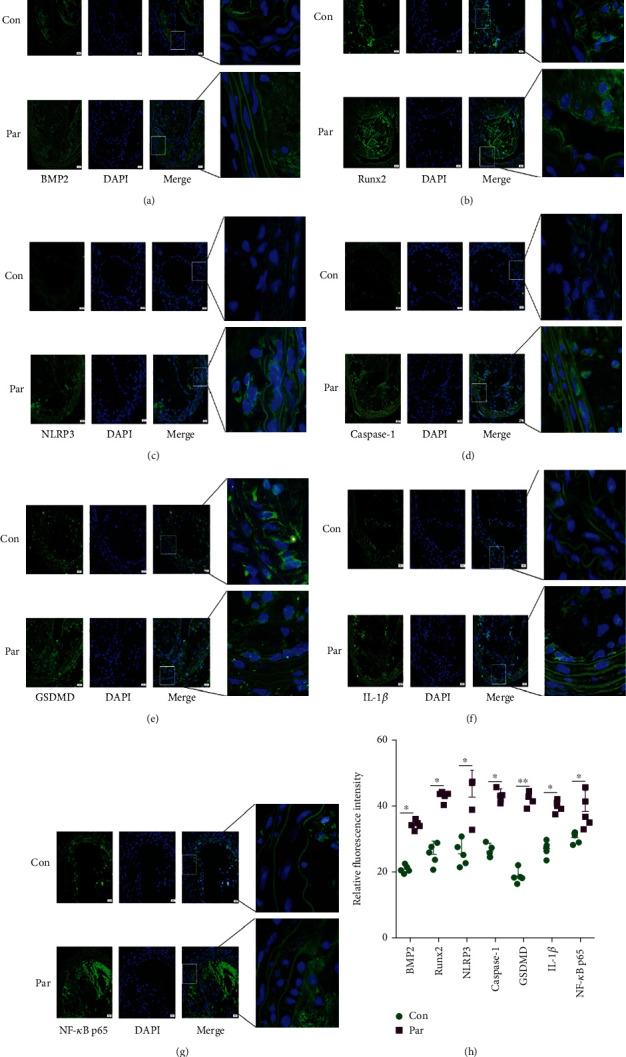
Compared with the control (Con) group, the atherosclerosis (AS) group showed calcified nodules, which suggested that the calcification medium induced the calcification of VSMCs. VSMCs showed proliferative activity and significantly attenuated calcification under treatment with 10 mol/L Res. The calcium salt was detected by alizarin red S staining. Res and MCC950 downregulated the calcification, inflammatory, pyroptosis, and transcription factor-related indicators all decreased by RT-qPCR with Western blot and immunofluorescence. The results showed that Res and MCC950 refrained the calcification of VSMCs and that Res has a better effect than MCC950. Plaques and calcium salt deposits were present in the carotid region in the control group. More calcium salt deposits were evident in the plaques of the Par group by HE staining and alizarin red S staining. The calcification indexes BMP2, Runx2, and related indexes declined by immunofluorescence, which showed parthenolide-inhibited AS. The related protein expressions were consistent with the expression of the cell experiments.
CONCLUSION
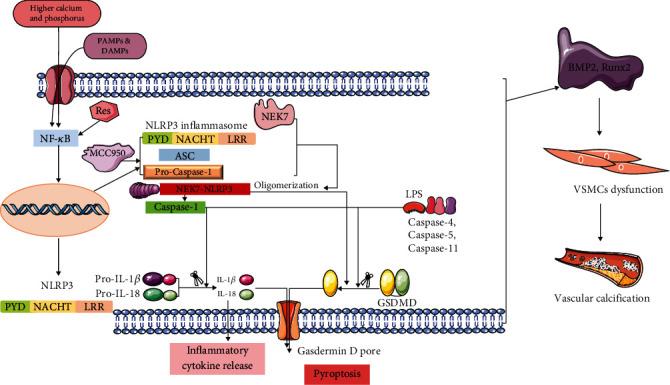
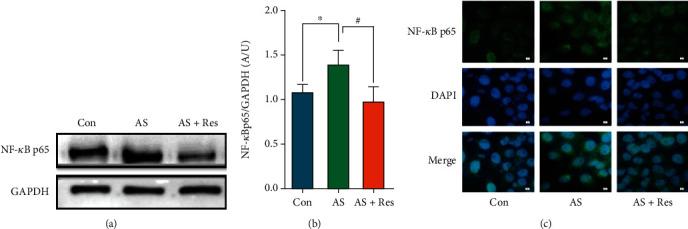
Our data demonstrated that inflammatory response and pyroptosis exacerbate AS and unravel the link between VSMCs and the progression of AS lesions. Res and MCC950 inhibited the calcification of VSMCs by regulating NF-B/NLRP3/IL-1 signaling axis. P53 can exacerbate the AS lesions by acting on NLRP3 inflammasome and pyroptosis. Our findings supported the clinical applications of Res and MCC950 in VSMCs individuals to counteract pyroptosis and AS, and P53 inhibitors also can be a potential treatment for AS.
目的
我们研究了白藜芦醇(Res)和MCC950对血管平滑肌细胞(VSMCs)焦亡的影响及其潜在途径。
方法与结果
与对照组(Con)相比,动脉粥样硬化(AS)组出现钙化结节,这表明钙化培养基诱导了VSMCs的钙化。VSMCs表现出增殖活性,且在10μmol/L Res处理下钙化明显减轻。通过茜素红S染色检测钙盐。Res和MCC950下调了钙化、炎症、焦亡以及转录因子相关指标,通过实时定量聚合酶链反应(RT-qPCR)、蛋白质免疫印迹法(Western blot)和免疫荧光法检测发现这些指标均下降。结果表明Res和MCC950抑制了VSMCs的钙化,且Res的效果优于MCC950。对照组颈动脉区域存在斑块和钙盐沉积。通过苏木精-伊红(HE)染色和茜素红S染色发现,帕罗西汀(Par)组斑块中有更多明显的钙盐沉积。免疫荧光显示钙化指标骨形态发生蛋白2(BMP2)、 runt相关转录因子2(Runx2)及相关指标下降,这表明小白菊内酯抑制了动脉粥样硬化。相关蛋白表达与细胞实验结果一致。
结论
我们的数据表明,炎症反应和焦亡会加剧动脉粥样硬化,并揭示了VSMCs与AS病变进展之间的联系。Res和MCC950通过调节核因子κB(NF-κB)/NOD样受体蛋白3(NLRP3)/白细胞介素-1(IL-1)信号轴抑制VSMCs的钙化。P53可通过作用于NLRP3炎性小体和焦亡加剧AS病变。我们的研究结果支持Res和MCC950在VSMCs个体中对抗焦亡和AS的临床应用,并且P53抑制剂也可能是AS的一种潜在治疗方法。
 Zotero 插件