Nasier-Hussain Marwa, Samanje Jaleel Najah, Mokhtari Khatere, Nabi-Afjadi Mohsen, Fathi Zeinab, Hoseini Asieh, Bahreini Elham
Department of Biochemistry, Faculty of Medicine, Iran University of Medical Sciences, P.O. Box: 1449614525, Tehran, Iran.
Collage of Health and Medical Technology, Middle Technical University, Baghdad, Iraq.
BMC Gastroenterol. 2025 Jan 2;25(1):2. doi: 10.1186/s12876-024-03564-6.
Helicobacter pylori (H.pylori), a gram-negative bacterial pathogen associated with an increased risk of gastric cancer. This study investigates potential factors in the incidence of gastric cancer in patients with H.pylori, including oxidative stress, inflammatory biomarkers, serum pepsinogens (PG) of I and II, and PG-I/PG-II ratio.
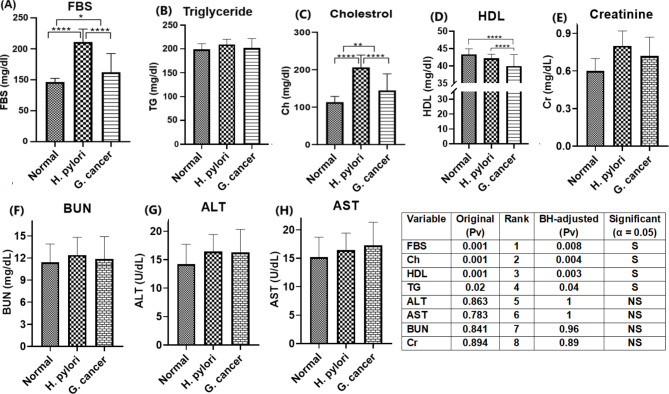
The study comprised individuals with Helicobacter pylori (H.pylori) infection, gastric cancer patients, and healthy individuals. Biochemical parameters such as FBS (fasting blood sugar), lipid profile, and liver and kidney functional factors were evaluated using colorimetric techniques. Oxidative markers such as total oxidant status (TOS) and malondialdehyde (MDA) were quantified through colorimetric methods. IL-8, PG-II, and PG-II levels were also determined using the ELISA technique.
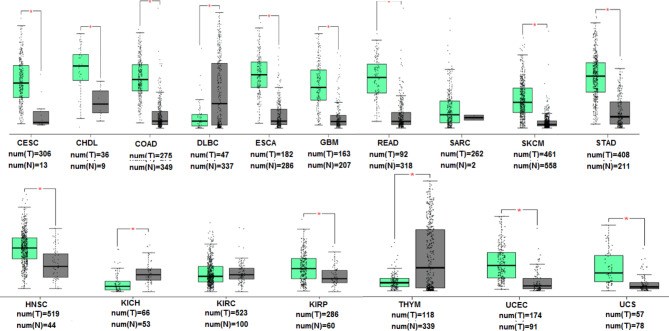
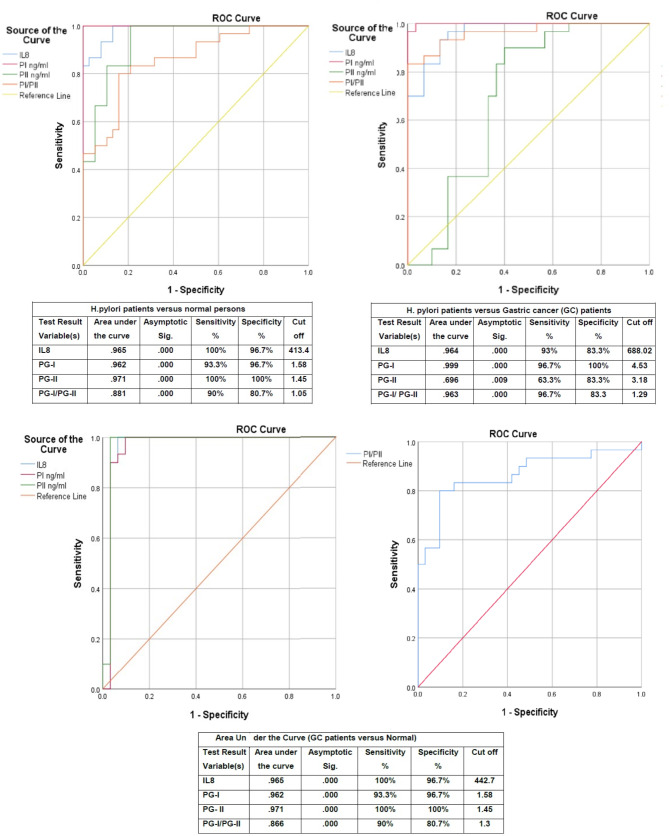
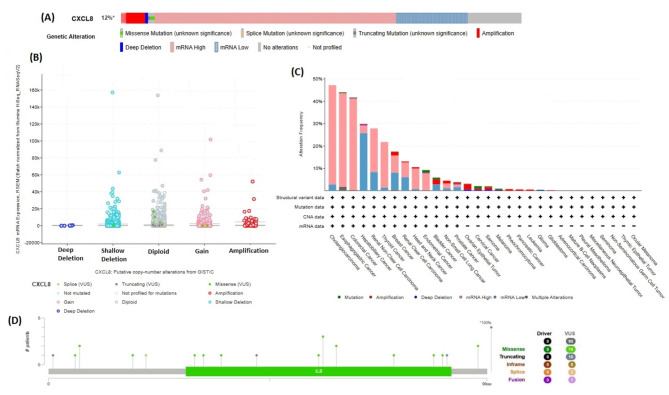
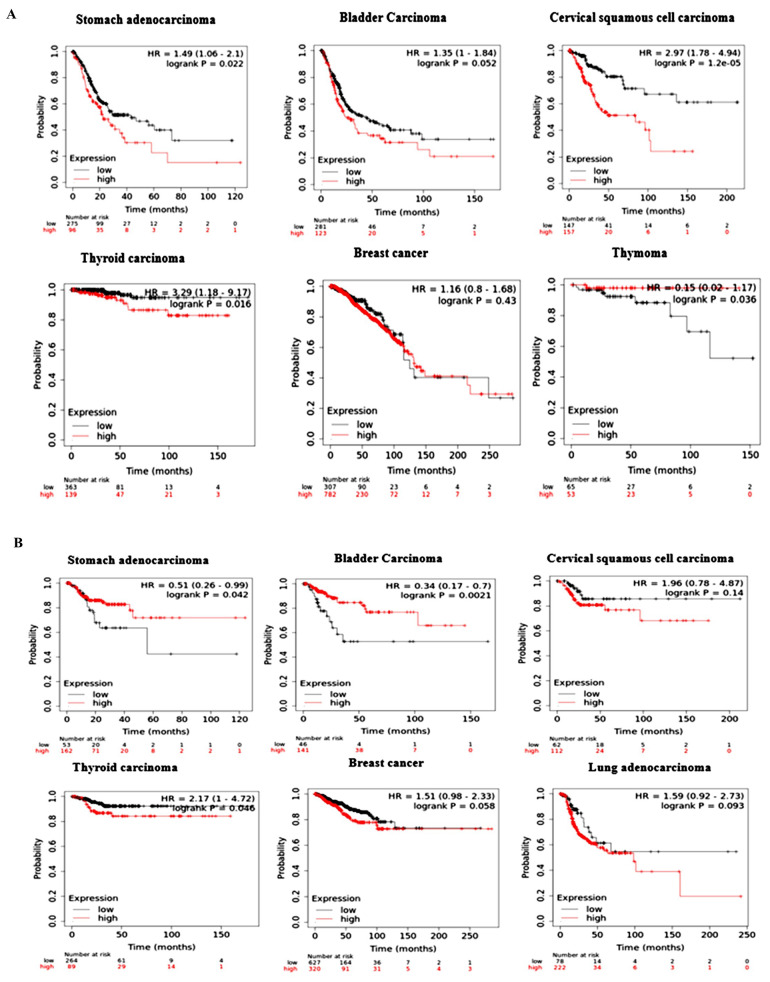
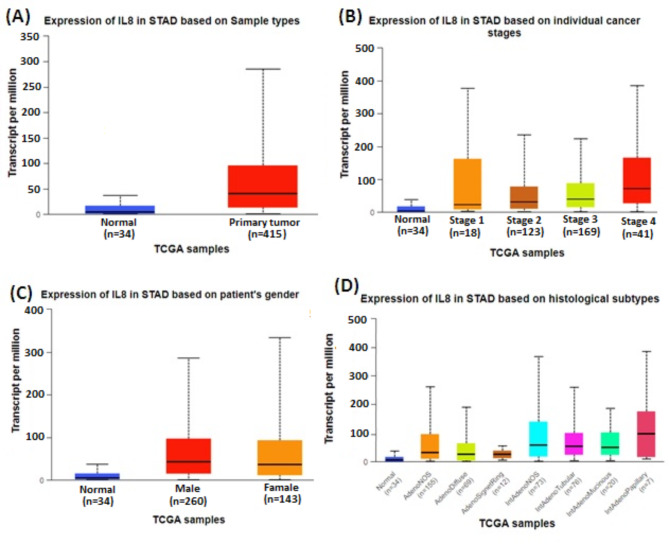
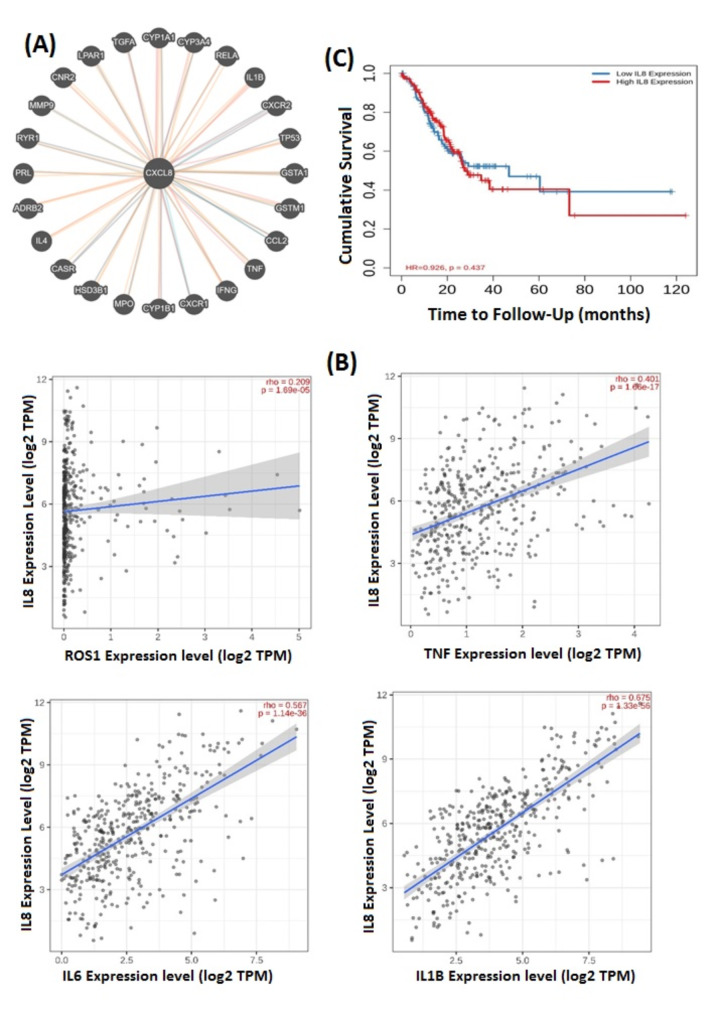
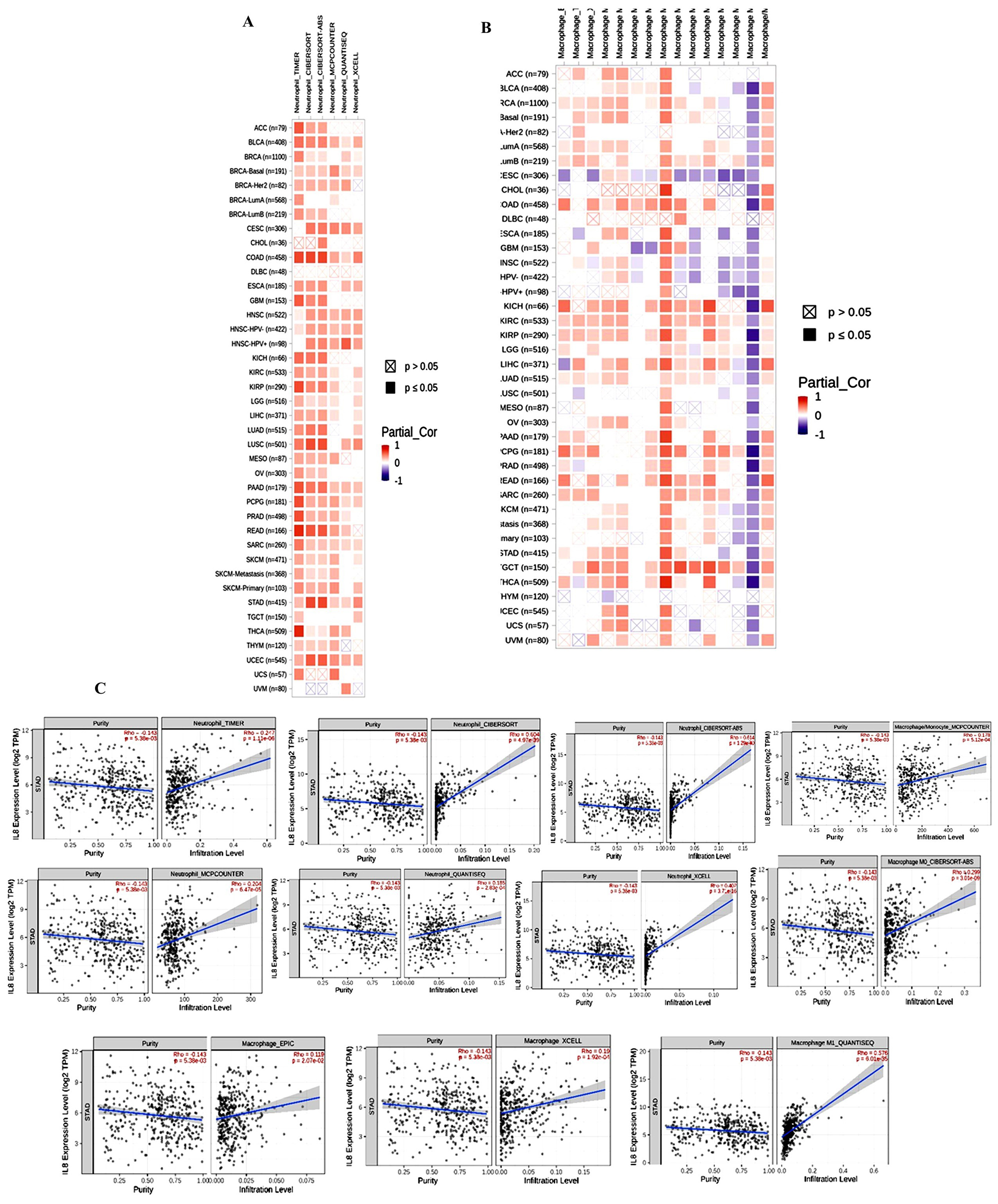
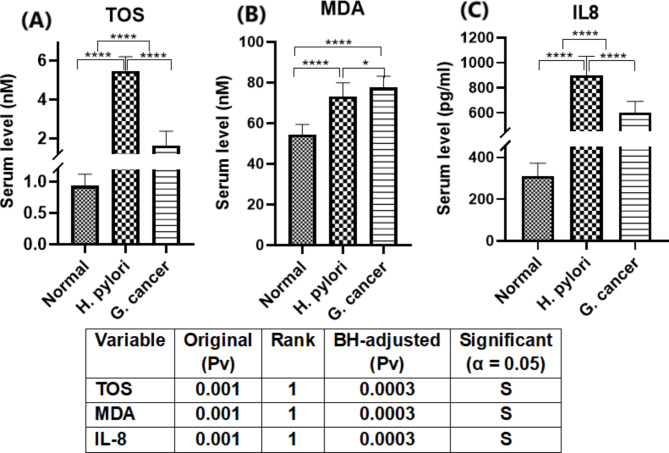
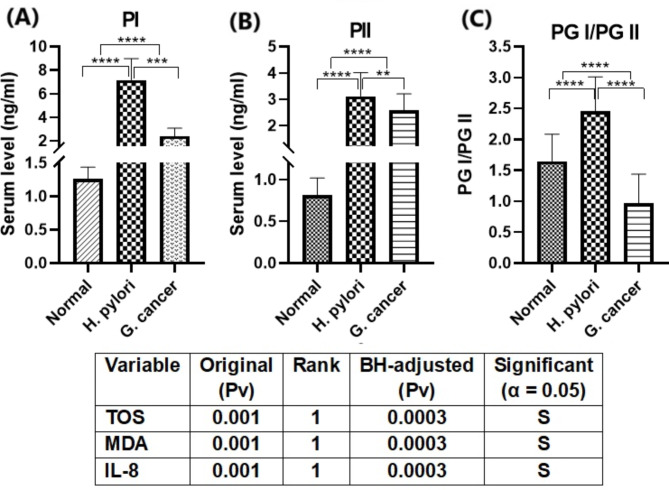
Individuals with H. pylori infection exhibited elevated levels of IL-8 (940.5 ± 249.7 vs. 603.4 ± 89.1 pg/ml, P < 0.0001) and oxidative species (5.47 ± 0.7 vs. 1.64 ± 0.7 nM, P < 0.05) compared to gastric cancer patients, who, despite having lower levels of IL-8 and oxidative species, showed higher levels of MDA. H.pylori patients exhibited significantly higher levels of PG-I (7.28 ± 2.1 vs. 2.61 ± 1.4 ng/ml, P < 0.001), PG-II (3.21 ± 1 vs. 2.6 ± 0.6 ng/ml, P < 0.001), and the PG-I/PG-II ratio (2.27 ± 1.2 vs. 1 ± 0.4, P < 0.001) compared to gastric cancer patients. The findings were substantiated using various data analysis platforms such as Gene Expression Profiling Interactive Analysis (GEPIA), UALCAN (The University of ALabama at Birmingham CANcer data analysis), cBioPortal, and TIMER (Tumor IMmune Estimation Resource). These parameters could serve as potential diagnostic biomarkers for screening and therapeutic interventions based on the cut-off values derived from ROC (receiver operating characteristic) curves for IL-8, PGI, PGII, and PGI/PGII across the three groups.
IL-8, PGI, PGII, and PGI/PGII parameters could serve as potential diagnostic markers for the screening and treatment of gastric conditions.
幽门螺杆菌(H.pylori)是一种革兰氏阴性细菌病原体,与胃癌风险增加相关。本研究调查了幽门螺杆菌感染患者胃癌发病的潜在因素,包括氧化应激、炎症生物标志物、血清Ⅰ型和Ⅱ型胃蛋白酶原(PG)以及PG-Ⅰ/PG-Ⅱ比值。
该研究纳入了幽门螺杆菌(H.pylori)感染个体、胃癌患者和健康个体。使用比色技术评估生化参数,如空腹血糖(FBS)、血脂谱以及肝肾功能因子。通过比色法对总氧化剂状态(TOS)和丙二醛(MDA)等氧化标志物进行定量。还使用酶联免疫吸附测定(ELISA)技术测定白细胞介素-8(IL-8)、PG-Ⅱ和PG-Ⅱ水平。
与胃癌患者相比,幽门螺杆菌感染个体的IL-8水平(940.5±249.7 vs. 603.4±89.1 pg/ml,P<0.0001)和氧化物质水平(5.47±0.7 vs. 1.64±0.7 nM,P<0.05)升高,尽管胃癌患者的IL-8和氧化物质水平较低,但其丙二醛水平较高。与胃癌患者相比,幽门螺杆菌感染患者的PG-Ⅰ水平(7.28±2.1 vs. 2.61±1.4 ng/ml,P<0.001)、PG-Ⅱ水平(3.21±1 vs. 2.6±0.6 ng/ml,P<0.001)以及PG-Ⅰ/PG-Ⅱ比值(2.27±1.2 vs. 1±0.4,P<0.001)显著更高。使用多种数据分析平台,如基因表达谱交互分析(GEPIA)、UALCAN(阿拉巴马大学伯明翰分校癌症数据分析)、cBioPortal和TIMER(肿瘤免疫估计资源)对这些结果进行了验证。基于三组中IL-8、PGI、PGII和PGI/PGII的受试者工作特征(ROC)曲线得出的临界值,这些参数可作为潜在的诊断生物标志物用于筛查和治疗干预。
IL-8、PGI、PGII和PGI/PGII参数可作为筛查和治疗胃部疾病的潜在诊断标志物。