Schneider Gabriela, Kaliappan Alagammai, Joos Nathan, Dooley Laura M, Shumway Brian S, Chaires Jonathan B, Zacharias Wolfgang, Bumpous Jeffrey M, Garbett Nichola C
UofL Health-Brown Cancer Center, Department of Medicine, University of Louisville, Louisville, KY 40202, USA.
Department of Otolaryngology Head and Neck Surgery and Communicative Disorders, School of Medicine, University of Louisville, Louisville, KY 40202, USA.
Cancers (Basel). 2024 Dec 18;16(24):4220. doi: 10.3390/cancers16244220.
Over the past decade, saliva-based liquid biopsies have emerged as promising tools for the early diagnosis, prognosis, and monitoring of cancer, particularly in high-risk populations. However, challenges persist because of low concentrations and variable modifications of biomarkers linked to tumor development when compared to normal salivary components.
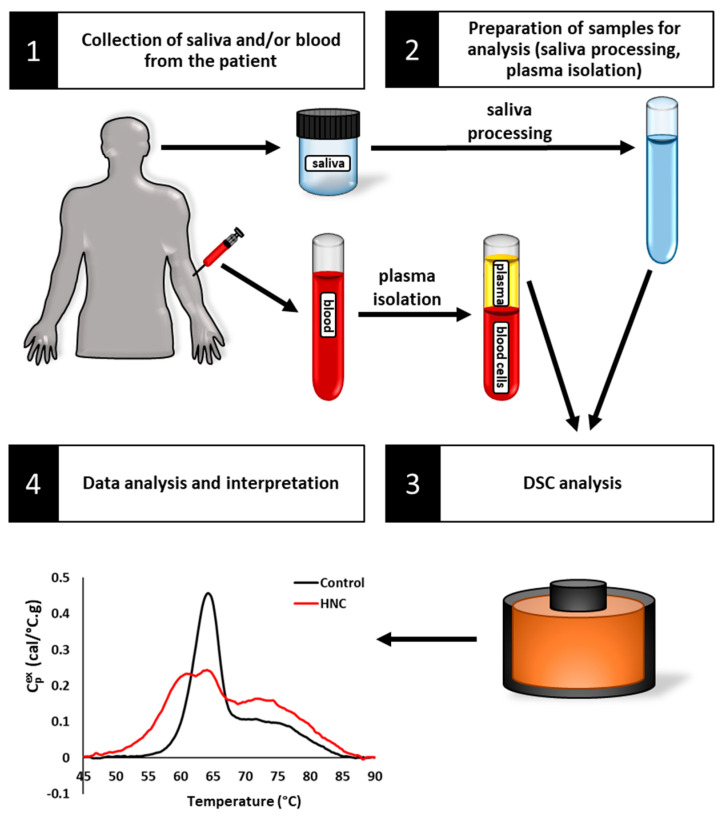
This study explores the application of differential scanning calorimetry (DSC)-based thermal liquid biopsy (TLB) for analyzing saliva and blood plasma samples from head and neck cancer (HNC) patients.
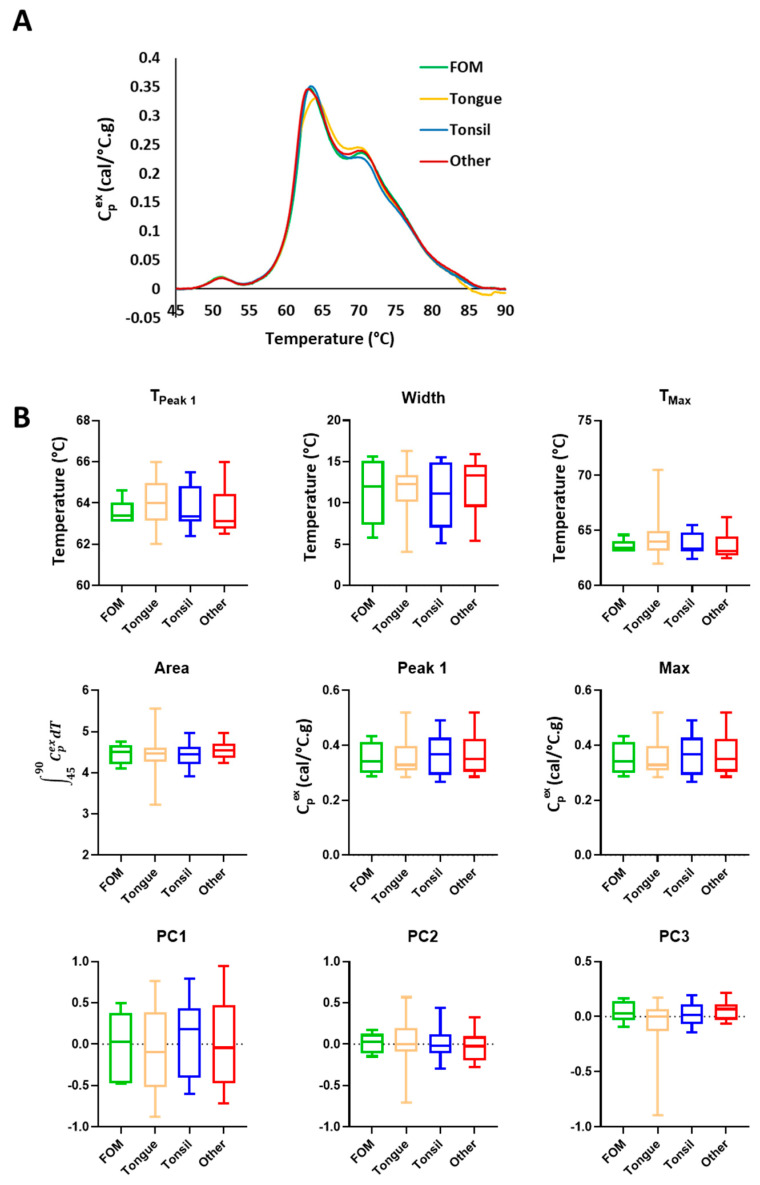
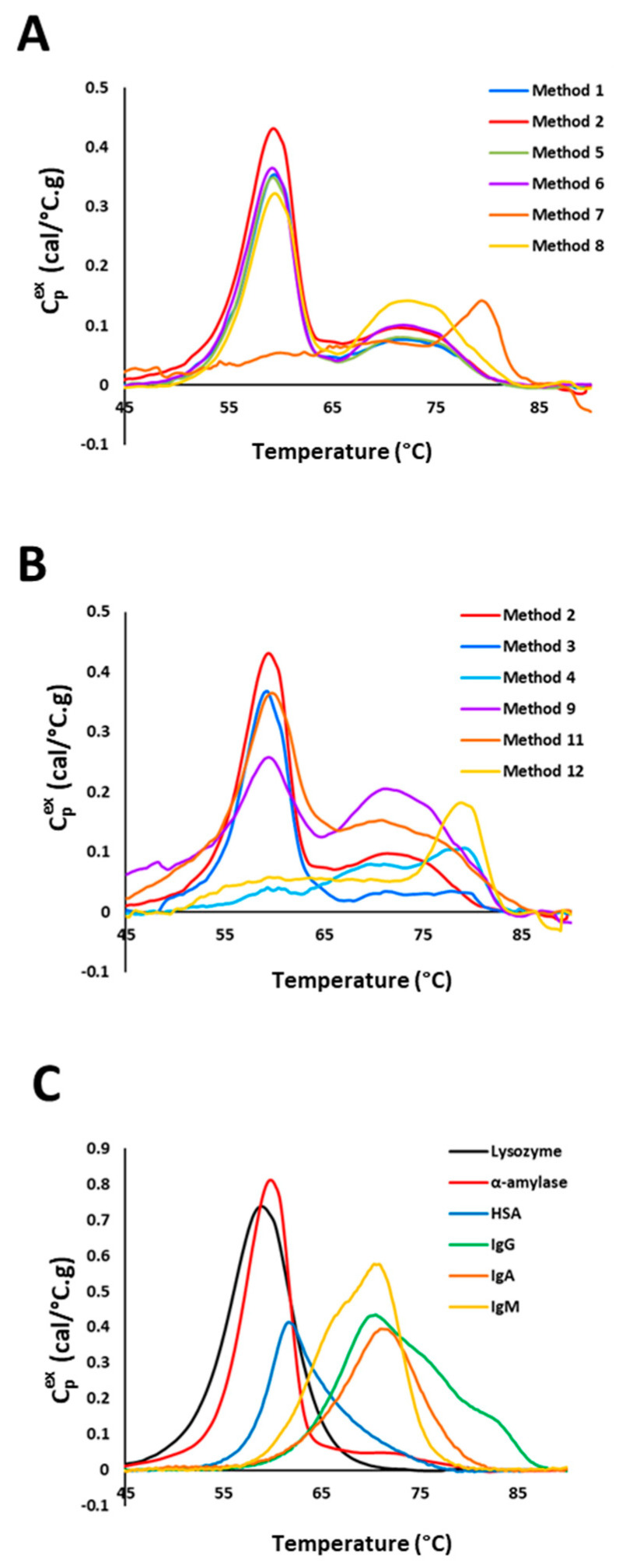
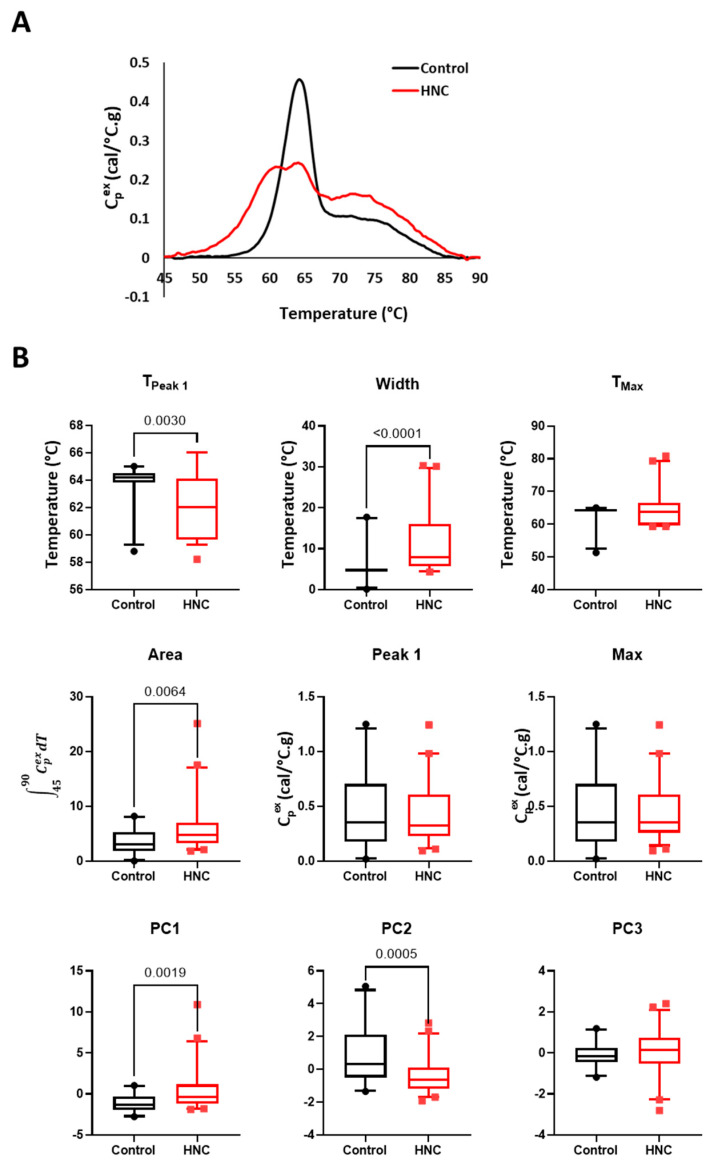
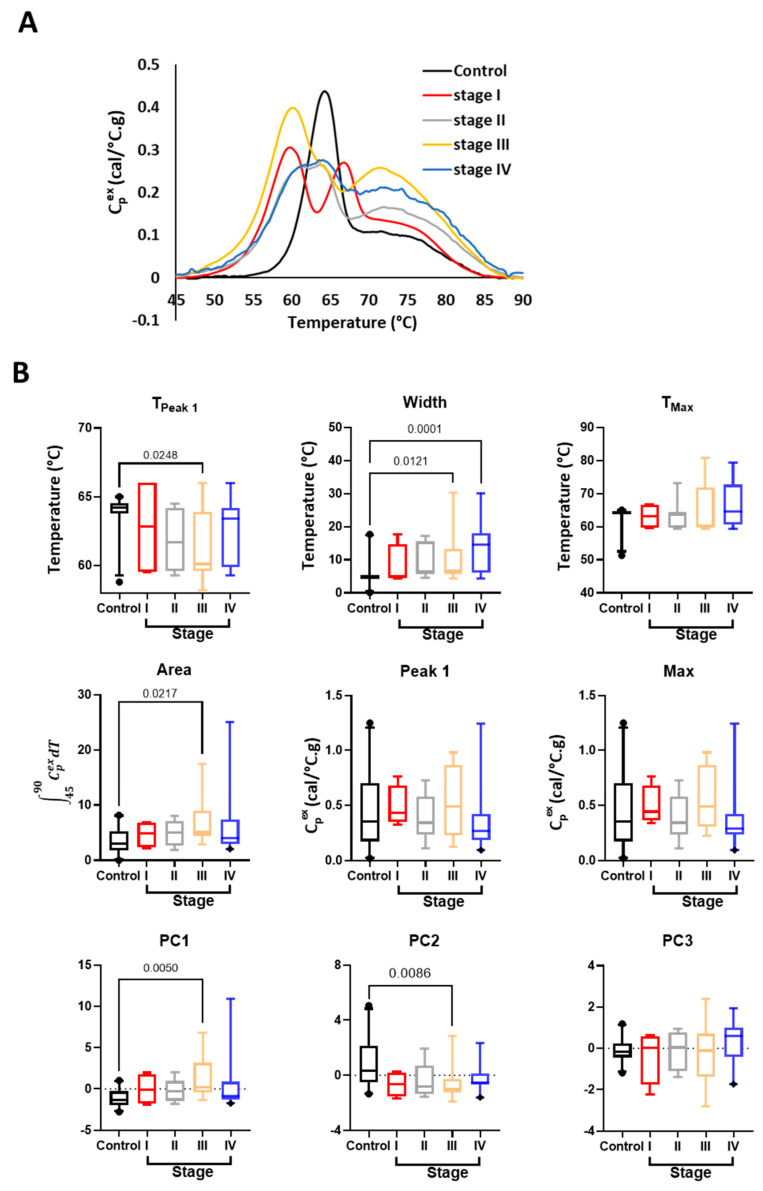
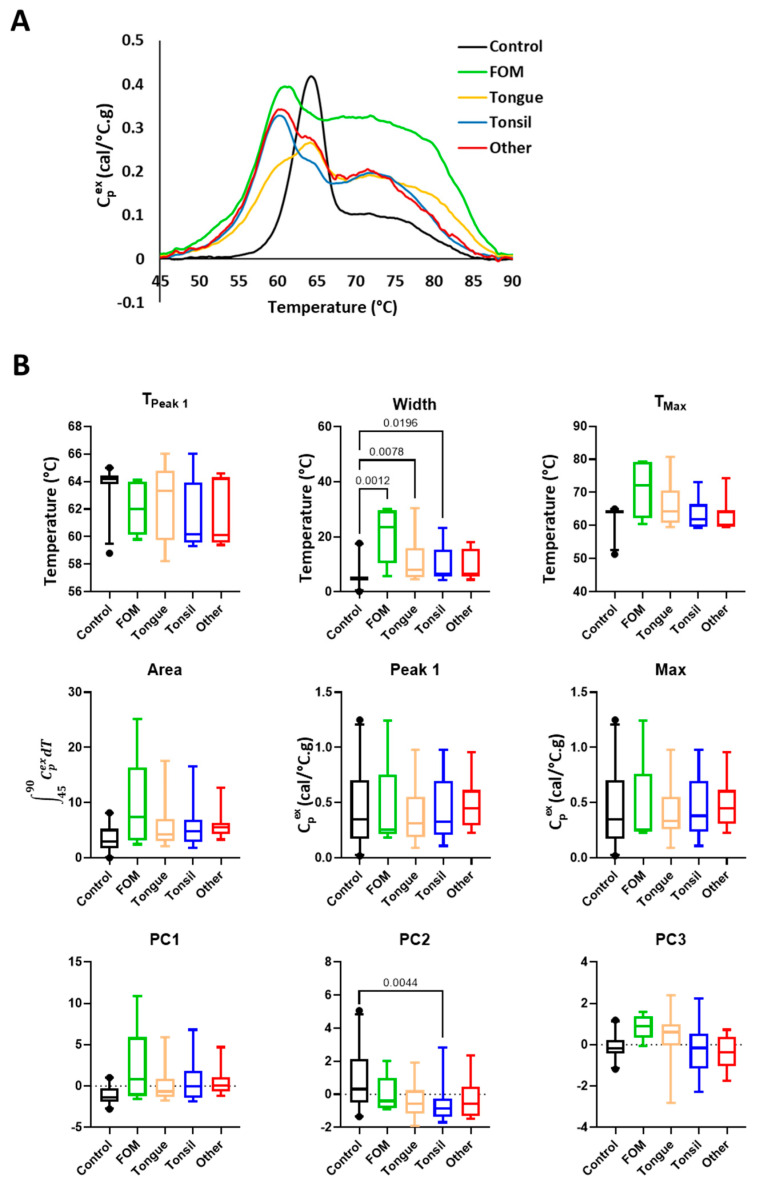
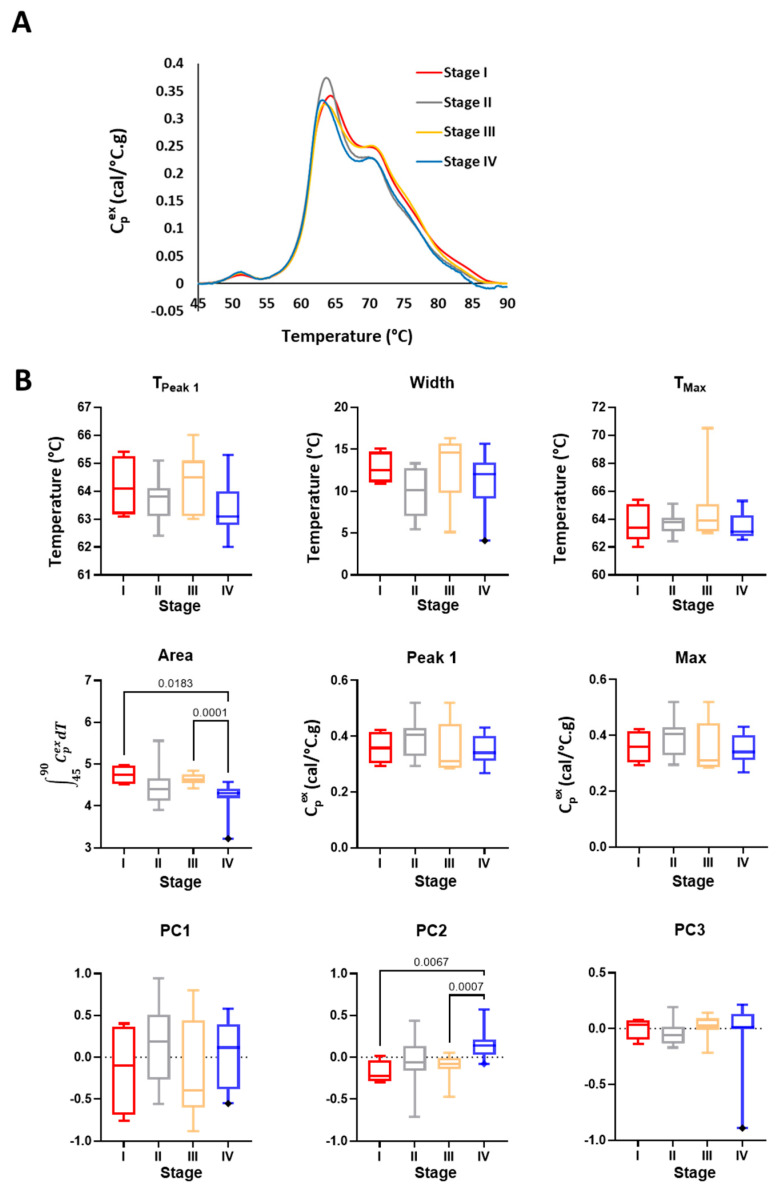
Our research identified an effective saliva processing method via high-speed centrifugation and ultrafiltration, resulting in reliable TLB data. Notably, we recorded unique TLB profiles for saliva from 48 HNC patients and 21 controls, revealing distinct differences in thermal transition features that corresponded to salivary protein denaturation. These results indicated the potential of saliva TLB profiles in differentiating healthy individuals from HNC patients and identifying tumor characteristics. In contrast, TLB profiles for blood plasma samples exhibited smaller differences between HNC patients and had less utility for differentiation within HNC.
Our findings support the feasibility of saliva-based TLB for HNC diagnostics, with further refinement in sample collection and the incorporation of additional patient variables anticipated to enhance accuracy, ultimately advancing non-invasive diagnostic strategies for HNC detection and monitoring.
在过去十年中,基于唾液的液体活检已成为癌症早期诊断、预后评估和监测的有前景的工具,特别是在高危人群中。然而,由于与正常唾液成分相比,与肿瘤发展相关的生物标志物浓度低且修饰可变,挑战仍然存在。
本研究探讨基于差示扫描量热法(DSC)的热液体活检(TLB)在分析头颈癌(HNC)患者唾液和血浆样本中的应用。
我们的研究通过高速离心和超滤确定了一种有效的唾液处理方法,从而获得可靠的TLB数据。值得注意的是,我们记录了48例HNC患者和21例对照者唾液的独特TLB图谱,揭示了与唾液蛋白变性相对应的热转变特征的明显差异。这些结果表明唾液TLB图谱在区分健康个体与HNC患者以及识别肿瘤特征方面的潜力。相比之下,血浆样本的TLB图谱在HNC患者之间差异较小,在HNC内部区分的效用较低。
我们的研究结果支持基于唾液的TLB用于HNC诊断的可行性,预计在样本采集方面进一步优化并纳入更多患者变量将提高准确性,最终推进HNC检测和监测的非侵入性诊断策略。