Amararathna Madumani, Hoskin David W, Goralski Kerry B, Rupasinghe H P Vasantha
Department of Plant, Food, and Environmental Sciences, Faculty of Agriculture, Dalhousie University, Truro, NS B2N 5E3, Canada.
Department of Pathology, Faculty of Medicine, Dalhousie University, Halifax, NS B3H 4H7, Canada.
Pharmaceuticals (Basel). 2024 Nov 30;17(12):1615. doi: 10.3390/ph17121615.
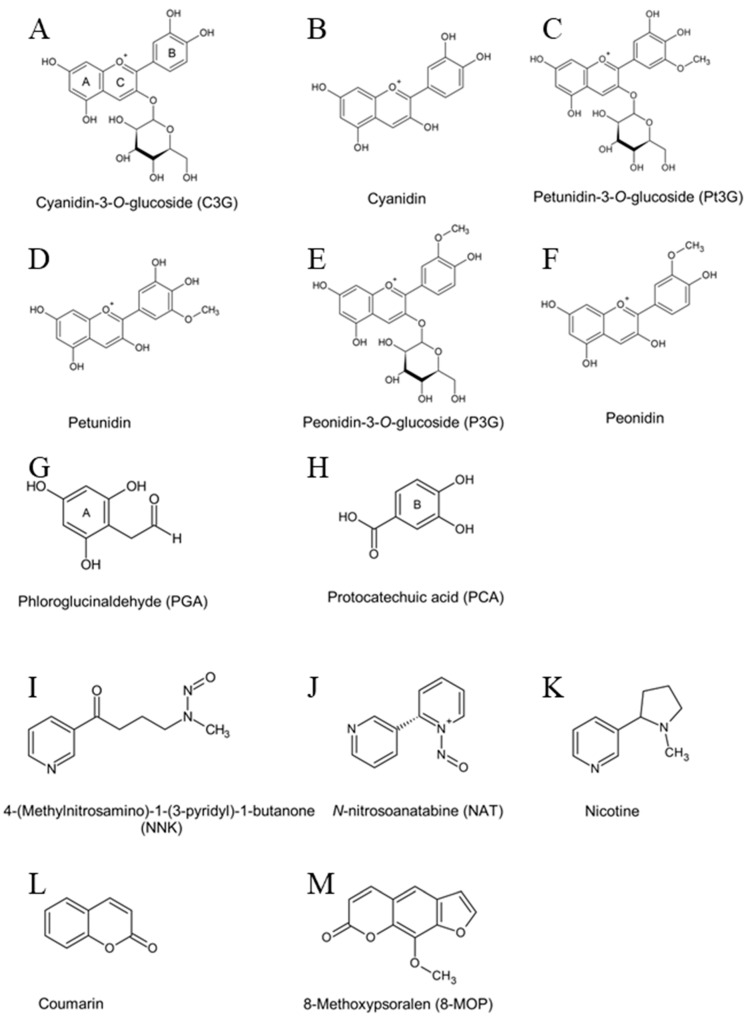
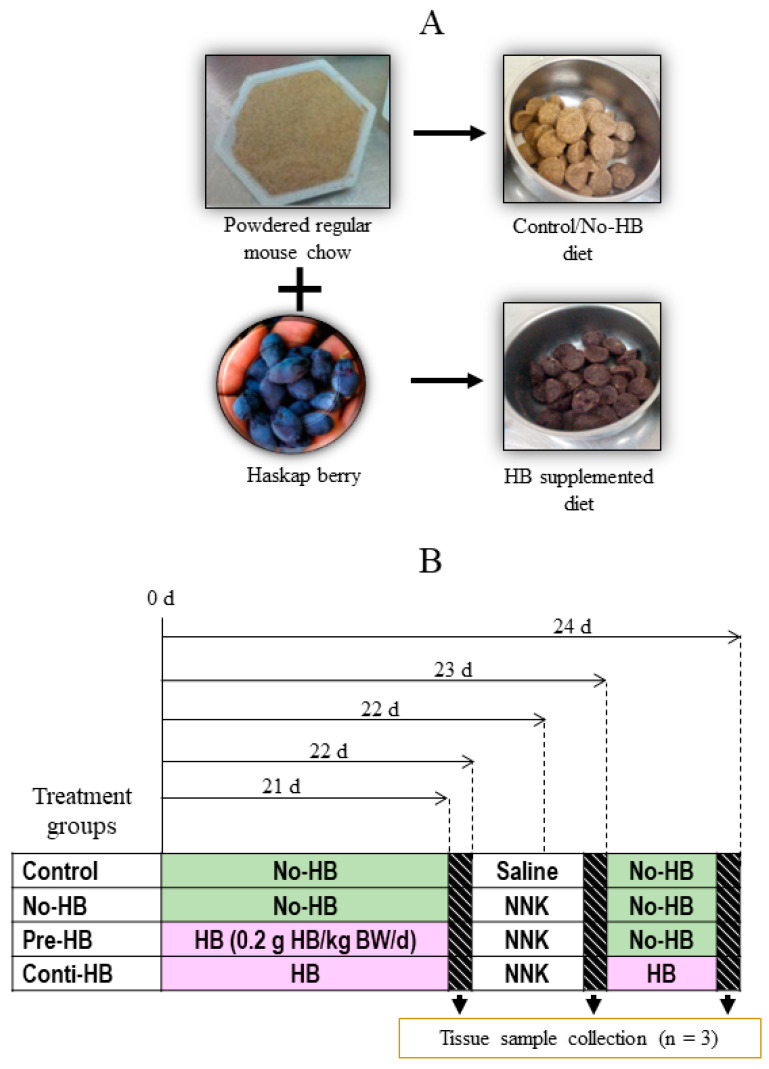
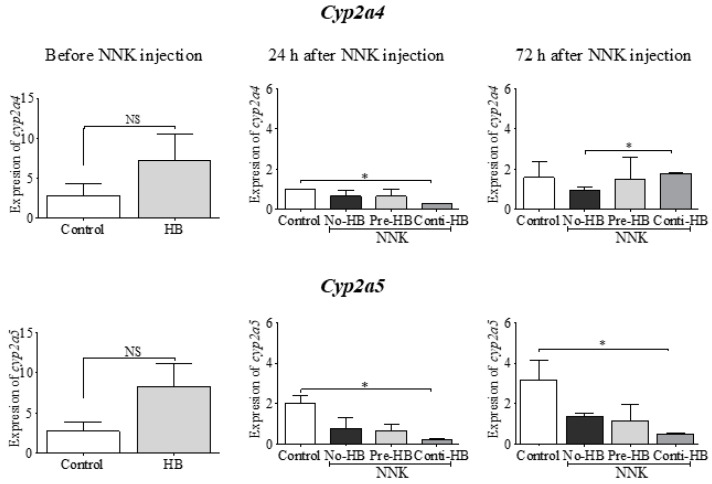
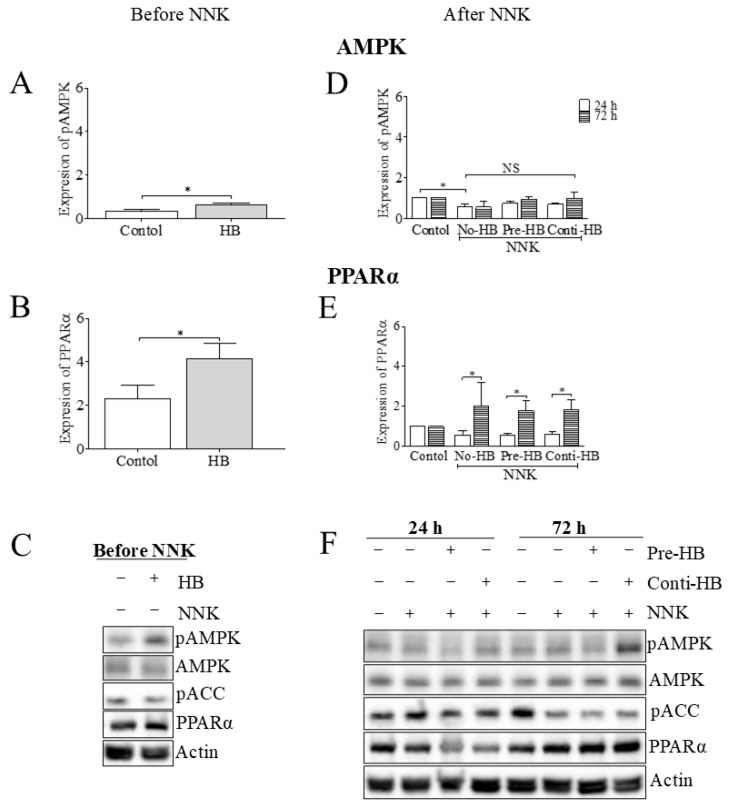
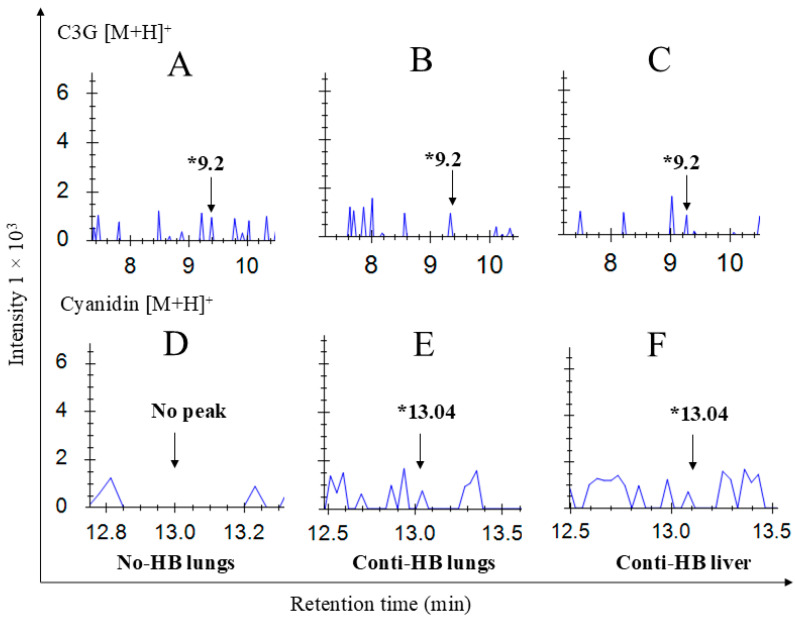
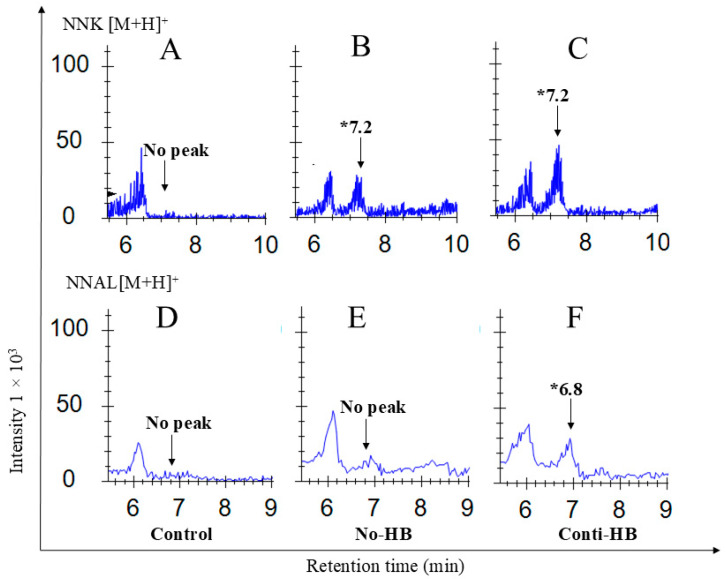
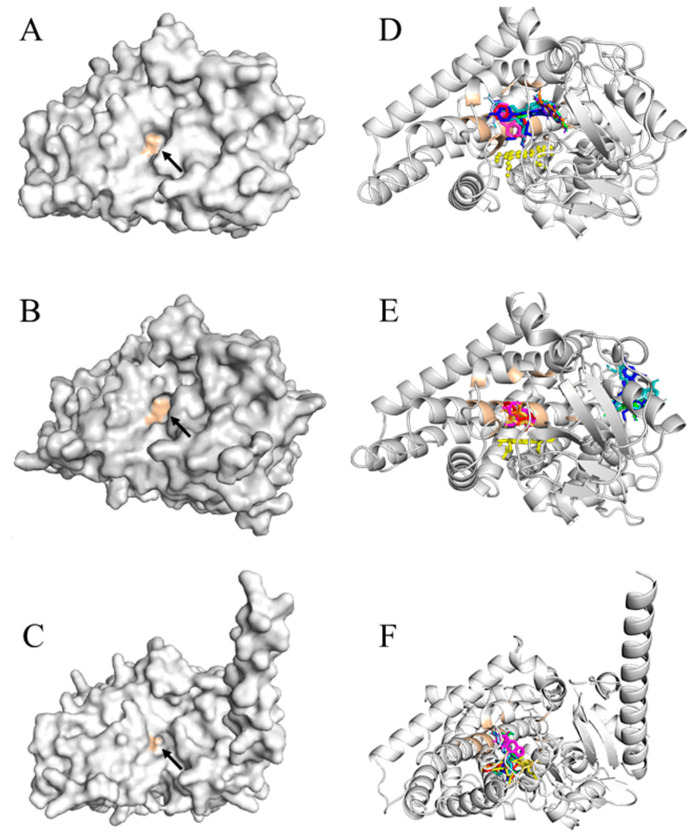
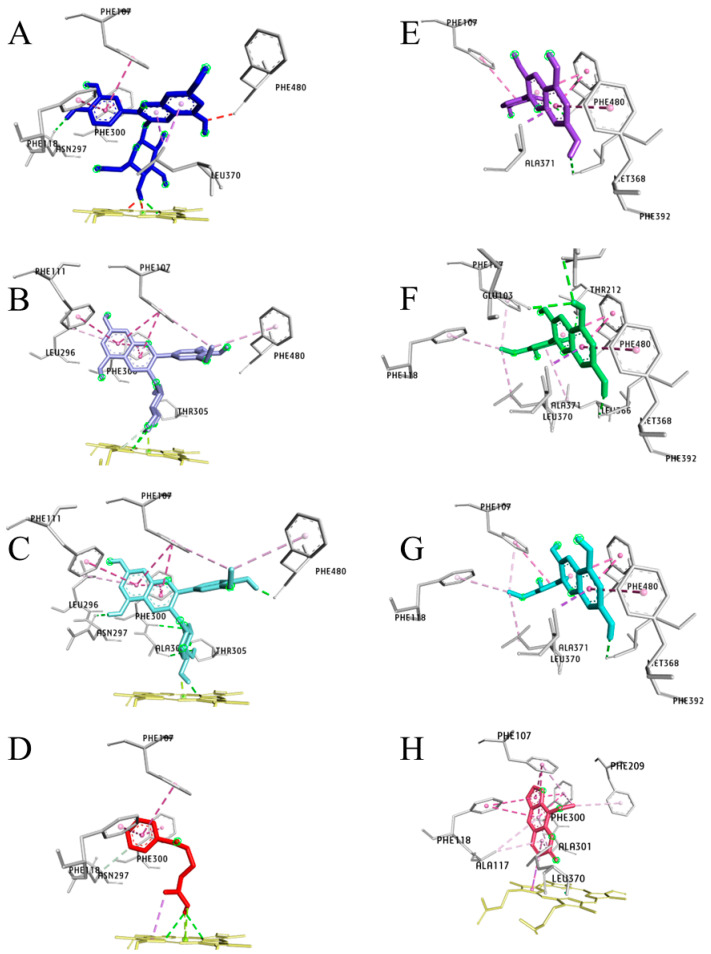
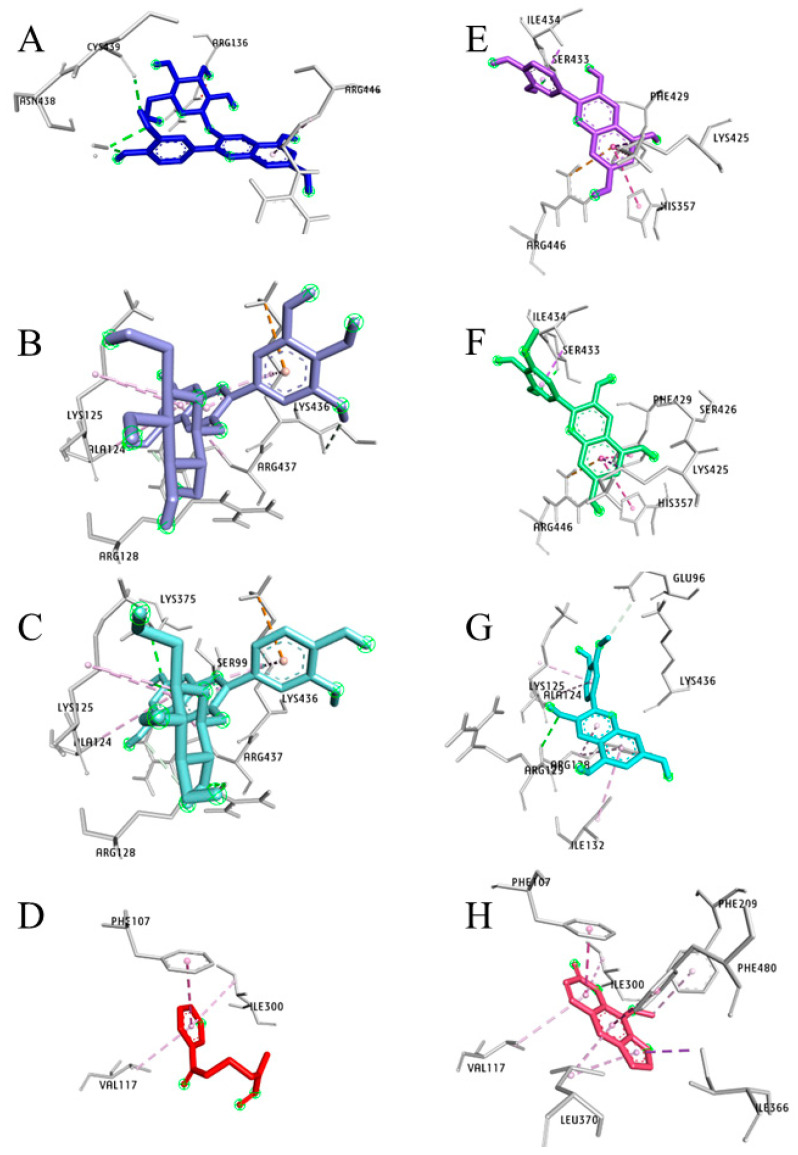
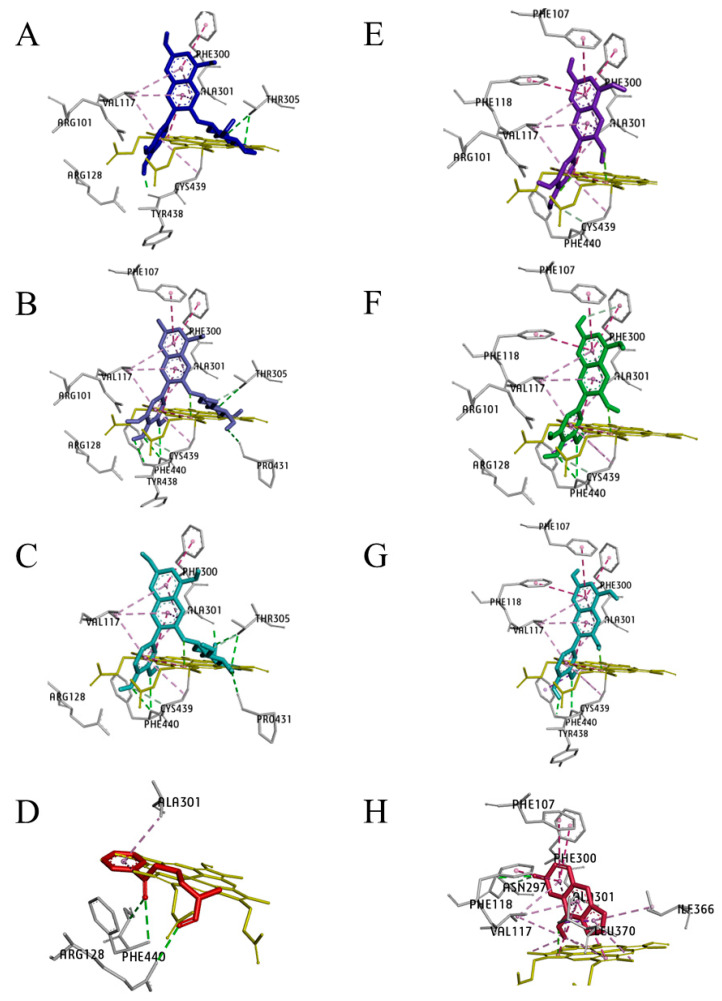
Oral supplementation of anthocyanins-rich haskap () berry (HB) reduces 4-(methylnitrosamino)-1-(3-pyridyl)-1-butanone (NNK)-induced lung tumorigenesis, cytotoxicity, DNA damage, and modulated inflammation in vitro and in vivo. The procarcinogen NNK is metabolically activated by cytochrome P450 (P450) enzymes, producing reactive metabolites that induce lung carcinogenesis. : Therefore, we hypothesized that the HB-modulated protective effect against NNK could be due to its ability to suppress P450 enzymes. : HB (6 mg of cyanidin-3--glucoside [C3G] in 0.2 g of HB/mouse/day) was given to A/J mice as a dietary supplement following subsequent administration of NNK (100 mg/kg body weight). The liver tissues of mice were analyzed to determine the expression of P450s and metabolites. : HB upregulated the expression of and mRNA and nuclear receptor/transcription factor (PPARα) in NNK-deprived hepatic tissues. With NNK, HB downregulated the expression of and and facilitated the formation of non-carcinogenic NNK metabolites. Molecular docking indicated a high binding affinity and strong hydrophobic interactions between C3G and its major metabolites, peonidin-3--glucoside, petunidin-3--glucoside, peonidin and cyanidin with Cyp2a5 and with human P450 homologue CYP2A13. : HB could be a potential dietary supplement to inhibit the P450 activated NNK carcinogenic metabolites formation. Hence, inhibiting the activation of NNK by lung CYP2A13 through dietary HB supplementation could be a strategy to reduce lung carcinogenesis among smokers. Understanding the effect of HB on the activity of CYP2A13 in human studies is necessary before recommending these natural compounds as therapeutics.
口服富含花色苷的蓝靛果()浆果(HB)可在体内外降低4-(甲基亚硝氨基)-1-(3-吡啶基)-1-丁酮(NNK)诱导的肺癌发生、细胞毒性、DNA损伤并调节炎症。前致癌物NNK由细胞色素P450(P450)酶进行代谢激活,产生诱导肺癌发生的活性代谢物。:因此,我们推测HB对NNK的调节保护作用可能归因于其抑制P450酶的能力。:在随后给予NNK(100 mg/kg体重)后,将HB(0.2 g HB/小鼠/天中含6 mg矢车菊素-3--葡萄糖苷[C3G])作为膳食补充剂给予A/J小鼠。分析小鼠肝脏组织以确定P450及其代谢物的表达。:HB上调了未接触NNK的肝组织中 和 mRNA以及核受体/转录因子(PPARα)的表达。在接触NNK的情况下,HB下调了 和 的表达,并促进了非致癌性NNK代谢物的形成。分子对接表明C3G与其主要代谢物芍药色素-3--葡萄糖苷、矮牵牛色素-3--葡萄糖苷、芍药色素和矢车菊素与Cyp2a5以及与人P450同源物CYP2A13之间具有高结合亲和力和强疏水相互作用。:HB可能是一种潜在的膳食补充剂,可抑制P450激活的NNK致癌代谢物的形成。因此,通过膳食补充HB抑制肺CYP2A13对NNK的激活可能是减少吸烟者肺癌发生的一种策略。在将这些天然化合物推荐为治疗药物之前,有必要在人体研究中了解HB对CYP2A13活性的影响。