Alnafisah Ruyuf Y, Alragea Atheer S, Alzamil Mona K, Alqahtani Amani S
Saudi Food and Drug Authority, Riyadh 13513, Saudi Arabia.
Nutrients. 2024 Dec 14;16(24):4322. doi: 10.3390/nu16244322.
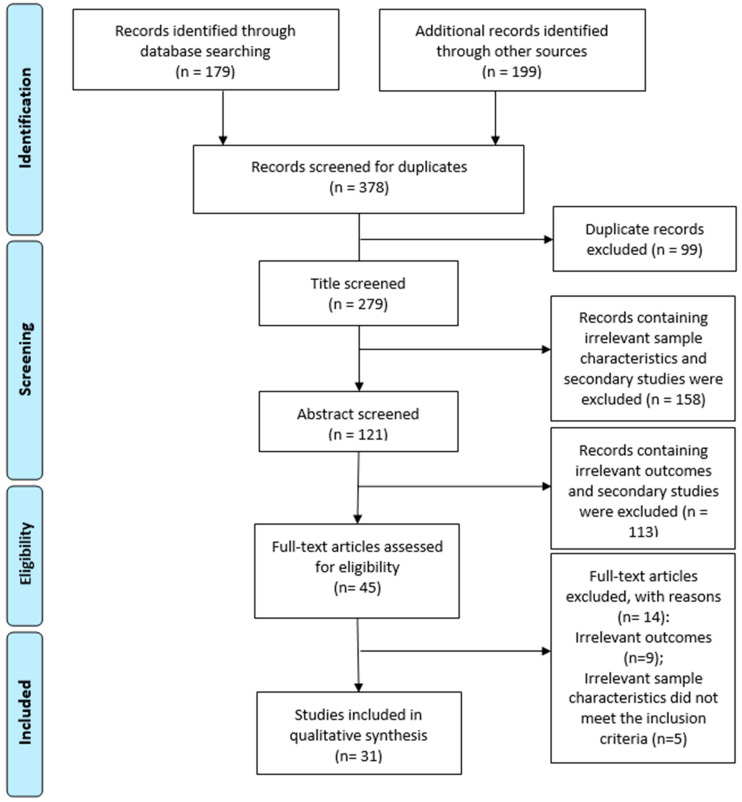
Vitamin D deficiency is a global health issue linked to various chronic diseases and overall mortality. It primarily arises from insufficient sunlight exposure, compounded by dietary limitations. Vitamin D fortification of commonly consumed foods has emerged as a viable public health intervention to address this deficiency. This review evaluates the impact of vitamin D food fortification on serum levels, intake, and health outcomes and explores the stability, bio-accessibility, bioavailability, and cost-effectiveness of such interventions. A comprehensive literature search was conducted in PubMed and Google Scholar, focusing on studies from 2015 to 2024. The criteria included primary research on healthy adults that addressed the effects of vitamin D fortification on health, intake, and serum levels, as well as the fortification's stability, bio-accessibility, bioavailability, and cost-effectiveness. Studies were extracted and analyzed according to PRISMA guidelines. The review included 31 studies from diverse geographic locations, revealing that fortifying dairy products, cereals, fats, oils, and other food items effectively increased serum 25-hydroxyvitamin D levels. The fortification methods varied, with vitamin D3 showing superior efficacy over vitamin D2. Encapsulation techniques improved stability and bioavailability. Fortifying staple foods like milk and eggs proved cost-effective compared with pharmaceutical interventions. Vitamin D food fortification significantly enhances serum levels and intake, with dairy and cereals being the most frequently fortified. Standardized fortification guidelines are essential to ensure safety and efficacy. Ongoing evaluation and region-specific policies are crucial for effectively optimizing fortification strategies and addressing vitamin D deficiency.
维生素D缺乏是一个全球性的健康问题,与各种慢性疾病和总体死亡率相关。它主要源于阳光照射不足,并因饮食限制而加剧。对常见食用食品进行维生素D强化已成为解决这一缺乏问题的一种可行的公共卫生干预措施。本综述评估了维生素D食品强化对血清水平、摄入量和健康结果的影响,并探讨了此类干预措施的稳定性、生物可及性、生物利用度和成本效益。在PubMed和谷歌学术上进行了全面的文献检索,重点关注2015年至2024年的研究。纳入标准包括针对健康成年人的原发性研究,这些研究涉及维生素D强化对健康、摄入量和血清水平的影响,以及强化的稳定性、生物可及性、生物利用度和成本效益。根据PRISMA指南提取并分析研究。该综述纳入了来自不同地理位置的31项研究,结果显示强化乳制品、谷物、脂肪、油类和其他食品有效地提高了血清25-羟基维生素D水平。强化方法各不相同,维生素D3的功效优于维生素D2。封装技术提高了稳定性和生物利用度。与药物干预相比,强化牛奶和鸡蛋等主食被证明具有成本效益。维生素D食品强化显著提高了血清水平和摄入量,其中乳制品和谷物是最常被强化的食品。标准化的强化指南对于确保安全性和有效性至关重要。持续评估和针对特定地区的政策对于有效优化强化策略和解决维生素D缺乏问题至关重要。