Ríos Sosa Alvaro, Prado Barragán Lilia A, Ríos Reyes Alvaro, Aréchiga Carvajal Elva T
Unidad de Manipulación Genética, Facultad de Ciencias Biológicas, Departamento de Microbiología e Inmunología, Universidad Autónoma de Nuevo León, Monterrey, Nuevo León, México.
Departamento de Biotecnología, Universidad Autónoma Metropolitana, Ciencias Biológicas y de la Salud, Ciudad de, México.
BMC Microbiol. 2025 Jan 11;25(1):15. doi: 10.1186/s12866-024-03713-7.
Plastic pollution is a significant environmental problem caused by its high resistance to degradation. One potential solution is polyhydroxybutyrate (PHB), a microbial biodegradable polymer. Mexico has great uncovered microbial diversity with high potential for biotechnological applications. The best polymer producers tend to be isolated from environments that require survival adaptations from microorganisms, the high-producing Bacillus cereus strain saba.zh comes from refinery wastewater, the costs of production have been a limiting factor for biopolymer production, and one of the focuses of interest has been finding novel strains with better production or singular traits that help in industrial processes.
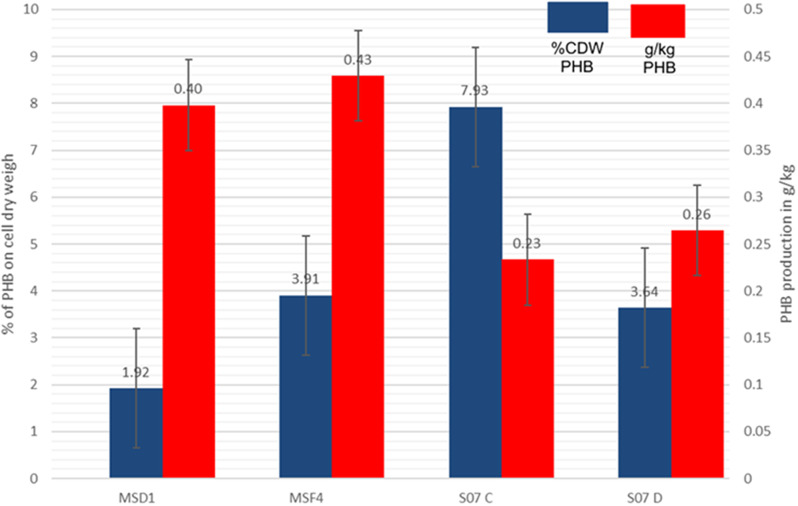
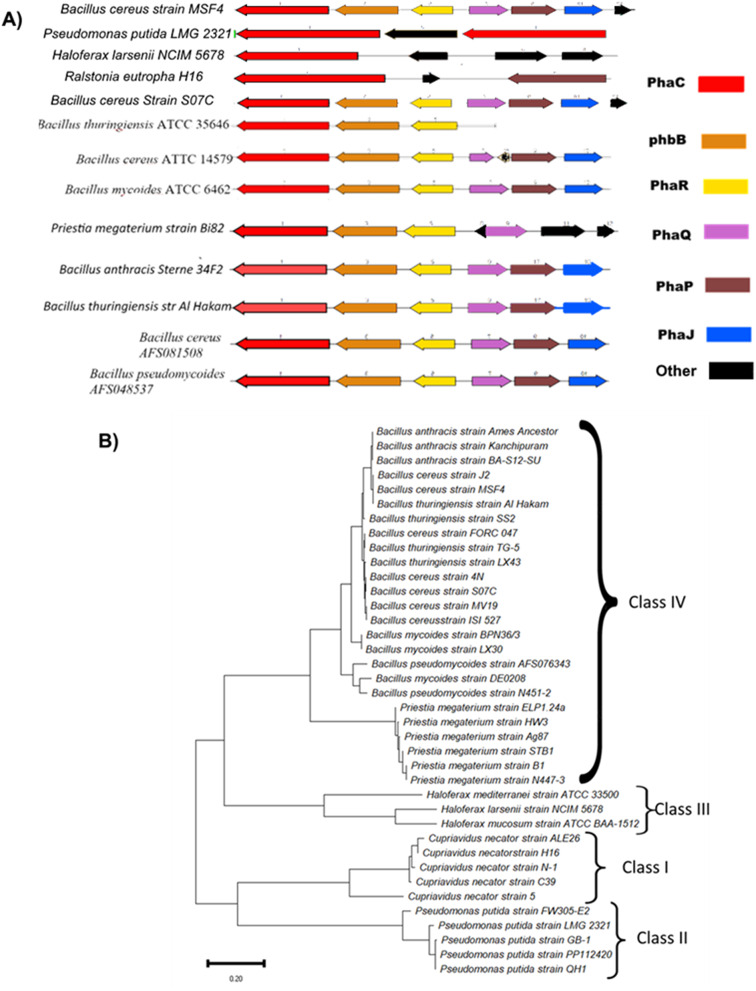
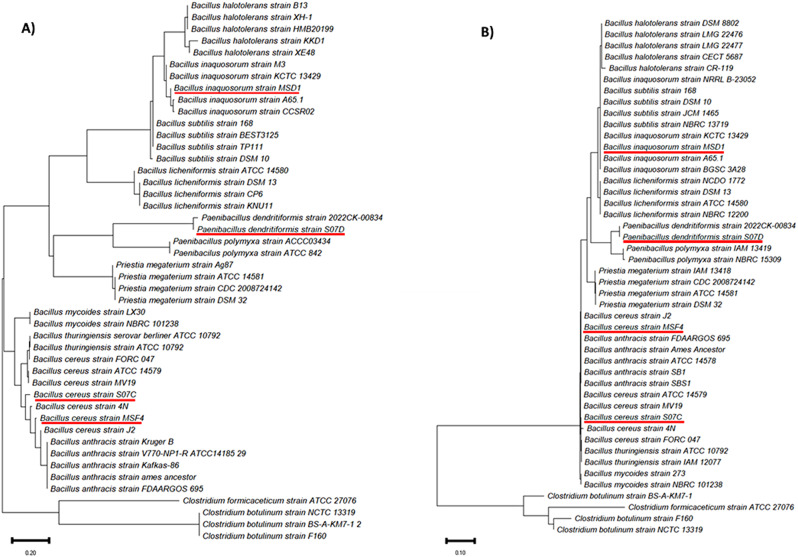
The isolates were taxonomically classified as Bacillus cereus MSF4 and Bacillus inaquosorum MSD1 from Mina, Nuevo Leon; B. cereus S07C; and Paenibacillis dendritiformis from the active volcano "El Chichonal" on Chiapas. The strains had growth temperatures ranging from 35 to 50 °C and pH tolerance values ranging from 3 to 9. The best PHB-producing strain, B. cereus MSF4, produced 0.43 g/kg PHB on orange peels, followed by B. inaquosorum MSD1 at 0.40 g/kg, B. cereus S07C at 0.23 g/kg and P. dendritiformis at 0.26 g/kg.
The findings of this study affirm the potential of the Mexican isolated strains as PHB-producing organisms, enabling further studies to test their viability as industrial producers. The ability of P. dendritiformis and B. inaquosorum to synthetize PHB was also confirmed by the observations made providing novel evidence to consider these species as potential producers.
塑料污染因其高抗降解性而成为一个重大的环境问题。一种潜在的解决方案是聚羟基丁酸酯(PHB),一种微生物可生物降解的聚合物。墨西哥拥有丰富未被发掘的微生物多样性,具有很高的生物技术应用潜力。最佳的聚合物生产者往往是从需要微生物进行生存适应的环境中分离出来的,高产蜡样芽孢杆菌菌株saba.zh来自炼油厂废水,生产成本一直是生物聚合物生产的限制因素,其中一个关注焦点是寻找具有更好生产性能或有助于工业生产过程的独特性状的新菌株。
这些分离株在分类学上被归类为来自新莱昂州米纳的蜡样芽孢杆菌MSF4和嗜水产芽孢杆菌MSD1;蜡样芽孢杆菌S07C;以及来自恰帕斯州活火山“埃尔奇乔纳尔”的树枝状类芽孢杆菌。这些菌株的生长温度范围为35至50°C,pH耐受值范围为3至9。最佳的PHB生产菌株蜡样芽孢杆菌MSF4在橙皮上产生0.43克/千克PHB,其次是嗜水产芽孢杆菌MSD1,为0.40克/千克,蜡样芽孢杆菌S07C为0.23克/千克,树枝状类芽孢杆菌为0.26克/千克。
本研究结果证实了墨西哥分离菌株作为PHB生产生物的潜力,使得能够进一步研究以测试它们作为工业生产者的可行性。对树枝状类芽孢杆菌和嗜水产芽孢杆菌合成PHB能力的观察结果也得到了证实,为将这些物种视为潜在生产者提供了新的证据。