
基于姜黄素的纳米颗粒:肿瘤治疗的进展与挑战
Curcumin-Based Nanoparticles: Advancements and Challenges in Tumor Therapy.
作者信息
Wahnou Hicham, El Kebbaj Riad, Liagre Bertrand, Sol Vincent, Limami Youness, Duval Raphaël Emmanuel
机构信息
Laboratory of Immunology and Biodiversity, Faculty of Sciences Ain Chock, Hassan II University, B.P2693, Maarif, Casablanca 20100, Morocco.
Laboratory of Health Sciences and Technologies, Higher Institute of Health Sciences, Hassan First University of Settat, Settat 26000, Morocco.
出版信息
Pharmaceutics. 2025 Jan 15;17(1):114. doi: 10.3390/pharmaceutics17010114.
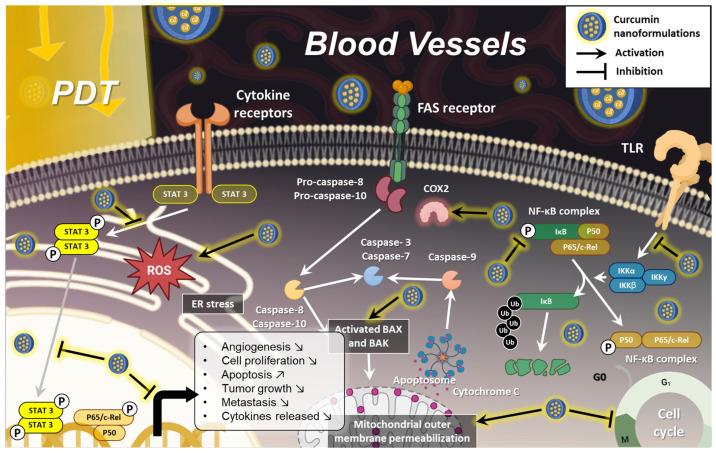
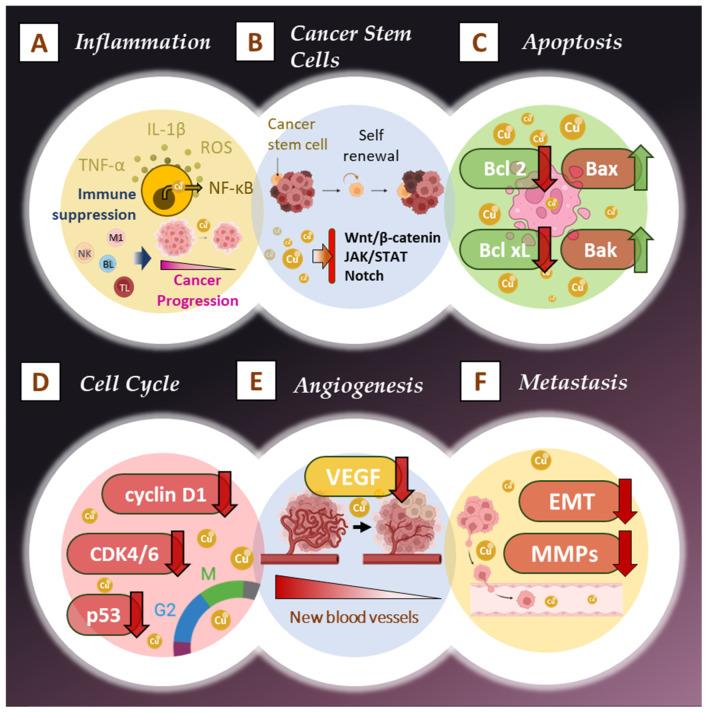
Curcumin, a bioactive compound derived from the rhizome of L., has garnered significant attention for its potent anticancer properties. Despite its promising therapeutic potential, its poor bioavailability, rapid metabolism, and low water solubility hinder curcumin's clinical application. Nanotechnology offers a viable solution to these challenges by enabling the development of curcumin-based nanoparticles (CNPs) that enhance its bioavailability and therapeutic efficacy. This review provides a comprehensive overview of the recent advancements in the design and synthesis of CNPs for cancer therapy. We discuss various NP formulations, including polymeric, lipid-based, and inorganic nanoparticles, highlighting their role in improving curcumin's pharmacokinetic and pharmacodynamic profiles. The mechanisms by which CNPs exert anticancer effects, such as inducing apoptosis, inhibiting cell proliferation, and modulating signaling pathways, are explored in details. Furthermore, we examine the preclinical and clinical studies that have demonstrated the efficacy of CNPs in treating different types of tumors, including breast, colorectal, and pancreatic cancers. Finally, the review addresses the current challenges and future perspectives in the clinical translation of CNPs, emphasizing the need for further research to optimize their design for targeted delivery and to enhance their therapeutic outcomes. By synthesizing the latest research, this review underscores the potential of CNPs as a promising avenue for advancing cancer therapy.
姜黄素是一种从姜黄根茎中提取的生物活性化合物,因其强大的抗癌特性而备受关注。尽管其具有良好的治疗潜力,但其生物利用度低、代谢快和水溶性差阻碍了姜黄素的临床应用。纳米技术通过开发基于姜黄素的纳米颗粒(CNPs)提供了一种可行的解决方案,这些纳米颗粒可提高其生物利用度和治疗效果。本综述全面概述了用于癌症治疗的CNPs设计与合成的最新进展。我们讨论了各种纳米颗粒制剂,包括聚合物、脂质基和无机纳米颗粒,强调了它们在改善姜黄素药代动力学和药效学方面的作用。详细探讨了CNPs发挥抗癌作用的机制,如诱导细胞凋亡、抑制细胞增殖和调节信号通路。此外,我们研究了临床前和临床研究,这些研究证明了CNPs在治疗不同类型肿瘤(包括乳腺癌、结直肠癌和胰腺癌)中的疗效。最后,综述讨论了CNPs临床转化中的当前挑战和未来前景,强调需要进一步研究以优化其靶向递送设计并提高其治疗效果。通过综合最新研究,本综述强调了CNPs作为推进癌症治疗的有前途途径的潜力。


 Zotero 插件