Braschler Lorin, Nikolaidis Pantelis T, Thuany Mabliny, Chlíbková Daniela, Rosemann Thomas, Weiss Katja, Wilhelm Matthias, Knechtle Beat
Centre for Rehabilitation and Sports Medicine, Inselspital, University Hospital of Bern, University of Bern, Bern, Switzerland.
School of Health and Caring Sciences, University of West Attica, Athens, Greece.
Sports Med Open. 2025 Jan 27;11(1):10. doi: 10.1186/s40798-025-00810-3.
Marathon training and running have many beneficial effects on human health and physical fitness; however, they also pose risks. To date, no comprehensive review regarding both the benefits and risks of marathon running on different organ systems has been published.
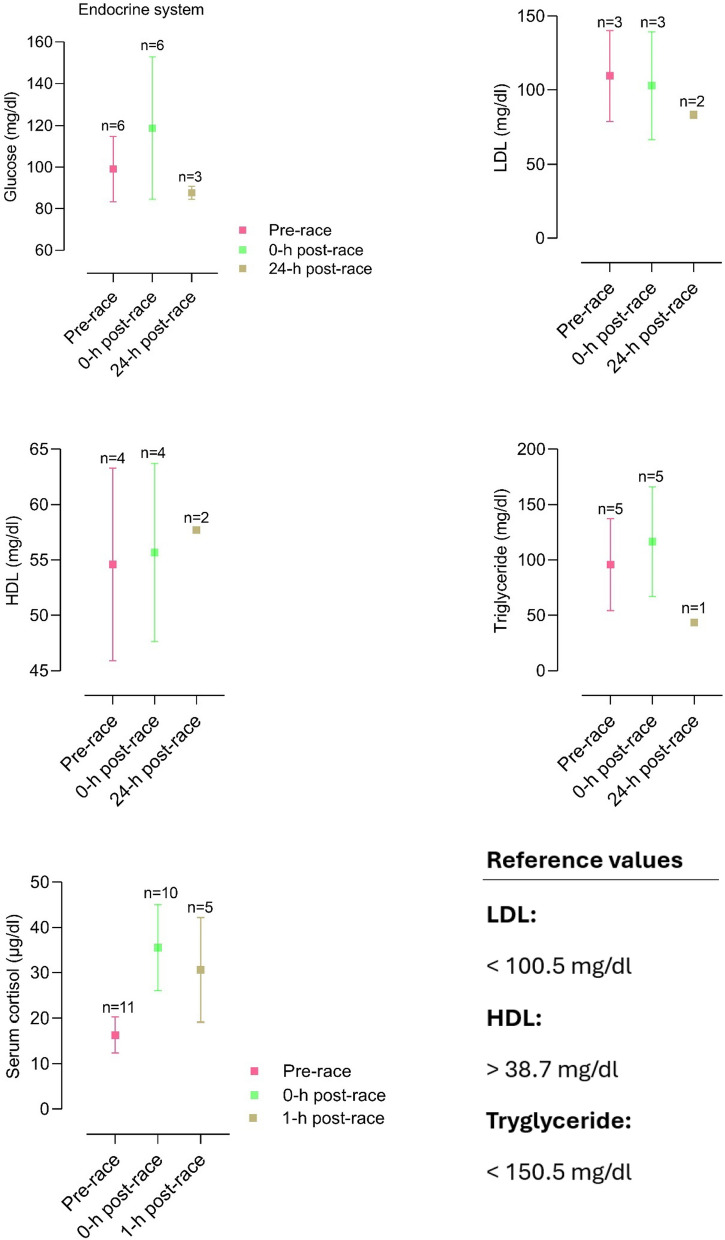
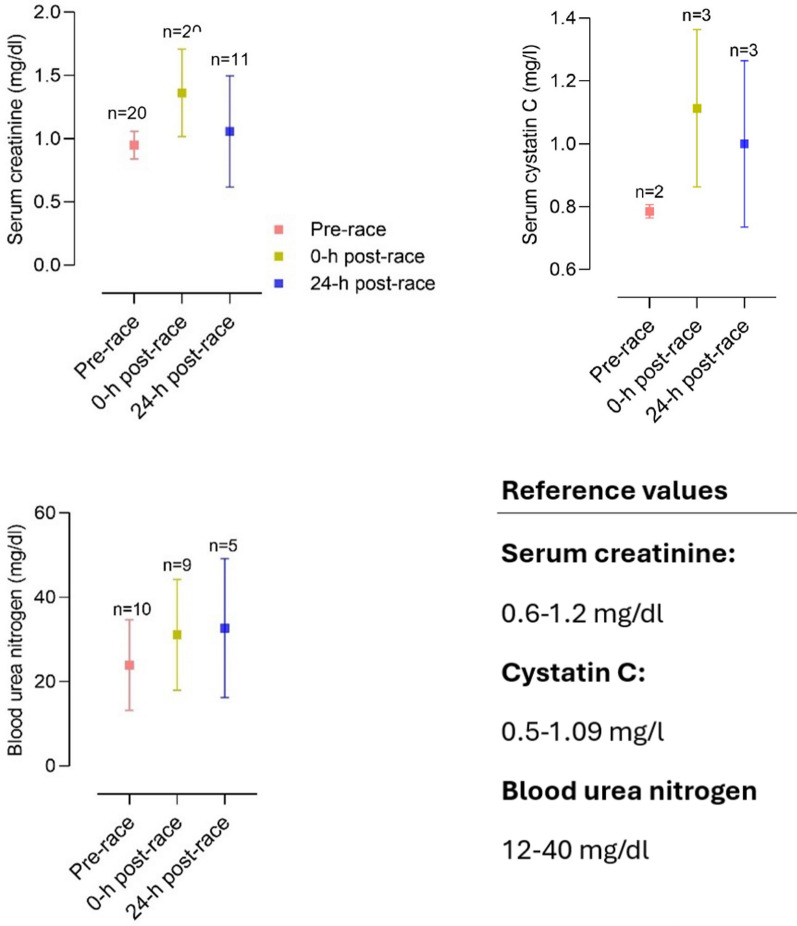
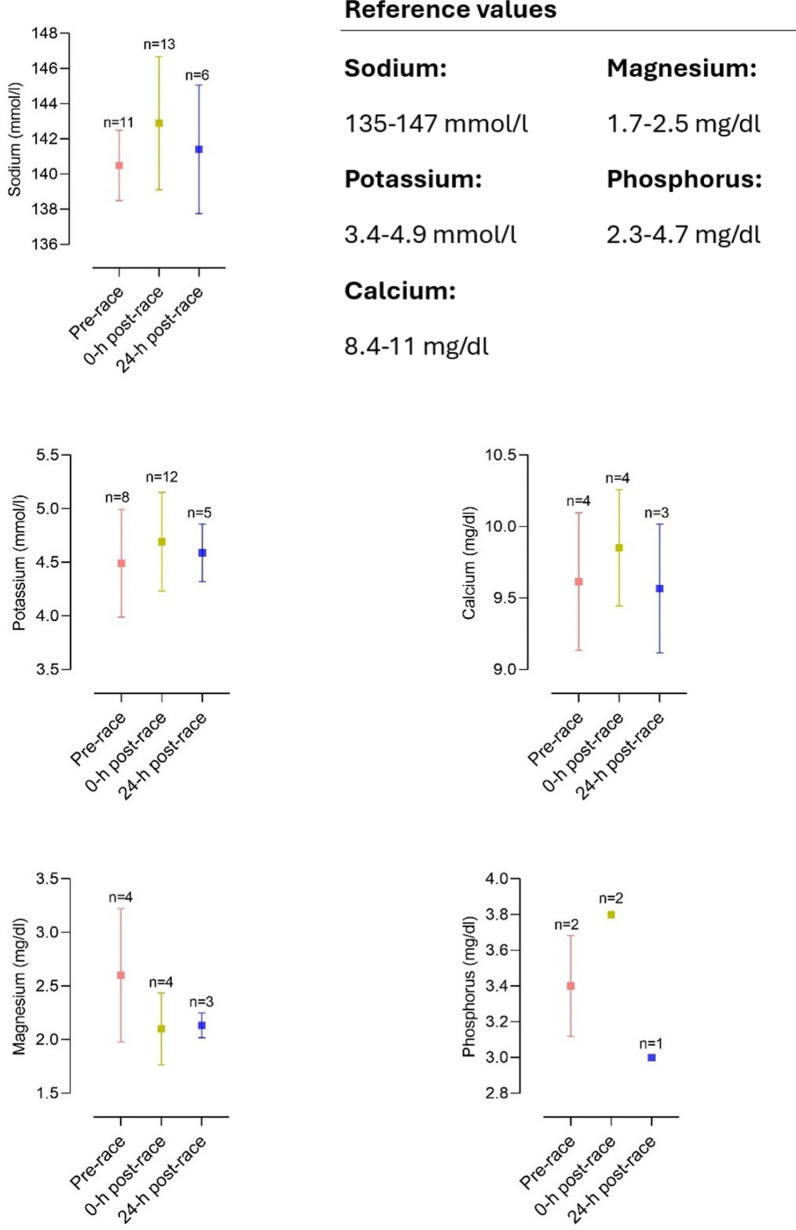
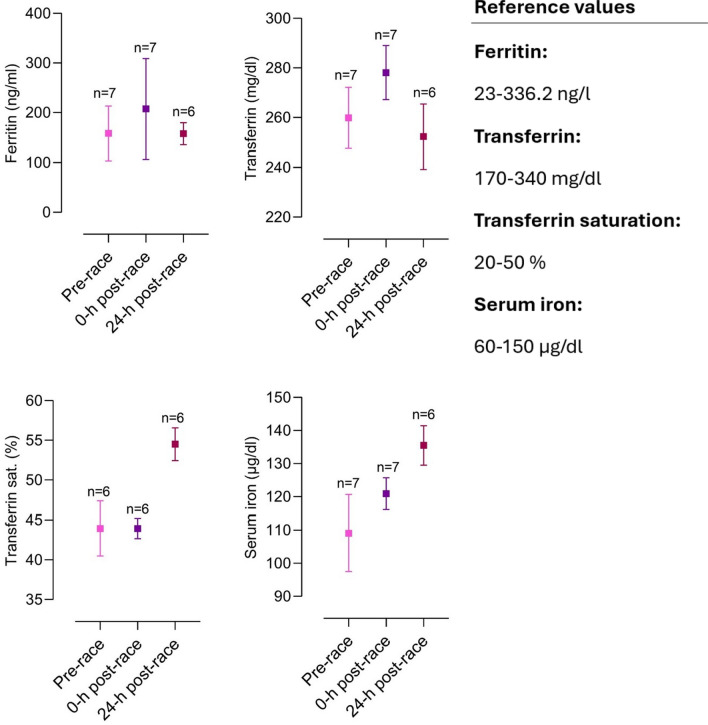
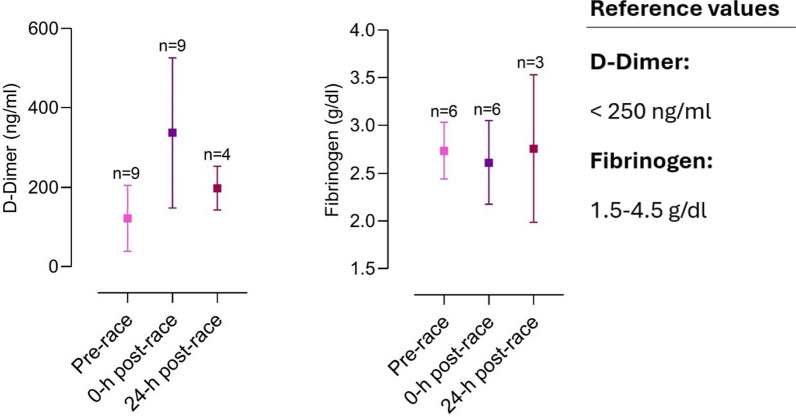
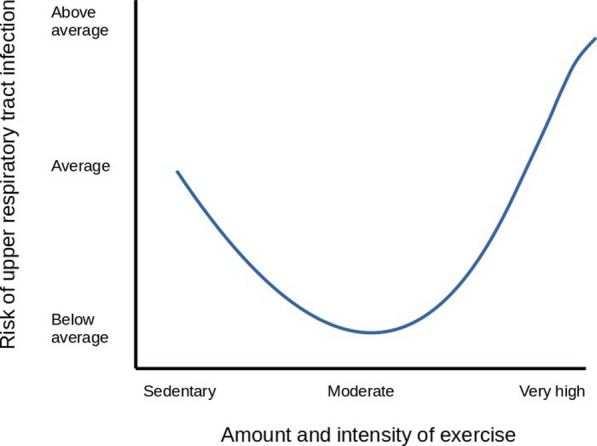
The aim of this review was to provide a comprehensive review of the benefits and risks of marathon training and racing on different organ systems. A predefined search strategy including keywords (e.g., marathon, cardiovascular system, etc.) and free text search was used. Articles covering running regardless of sex, age, performance level, and event type (e.g., road races, mountain marathons) were considered, whereas articles examining only cycling, triathlon, stress-tests or other sports were excluded. In total, we found 1021 articles in PubMed, Scopus, and Google Scholar, of which 329 studies were included in this review. Overall, marathon training offers several benefits for different organ systems and reduces all-cause mortality. As such, it improves cardiovascular risk factors, leads to favorable cardiac adaptations, enhances lung function, and improves quality of life in chronic kidney disease patients. It also enhances gastrointestinal mobility and reduces the risk of specific tumors such as colorectal cancer and hepatocellular carcinoma. Marathon training enhances bone health and skeletal muscle metabolism. It further positively affects hematopoiesis and cytotoxic abilities of natural killer cells, and may act neuroprotective on a long-term basis. After a marathon, changes in biomarkers suggesting pathological events in certain organ systems such as cardiovascular, renal, gastrointestinal, liver, hematological, immune, musculoskeletal, central nervous, and endocrine systems can often be observed. Mostly, these changes are limited to 1-3 days post-race and usually normalize within a week. Moreover, marathon running poses the risk of serious adverse events such as sudden cardiac death or acute liver failure. Concerning lung function, a decrease after a marathon race was observed. Acute kidney injury, as well as electrolyte imbalances, are relatively common amongst marathon finishers. Many runners complain of gastrointestinal symptoms during or after long-distance running. Many runners suffer from running-related musculoskeletal injuries often impairing performance. A marathon is often accompanied by an acute inflammatory response with transient immunosuppression, making runners susceptible to infections. Also, hormonal alterations such as increased cortisol levels or decreased testosterone levels immediately after a race are observed. Disturbances in sleep patterns are commonly found in marathon runners leading up to or directly after the race.
All in all, marathon training is generally safe for human health and individual organ systems. Considering the high popularity of marathon running, these findings supply athletes, coaches, sports scientists, and sports medicine practitioners with practical applications. Further large-scale studies examining long-term effects on the cardiovascular, renal, and other system are needed.
马拉松训练和跑步对人类健康和体能有诸多益处;然而,它们也存在风险。迄今为止,尚未发表关于马拉松跑步对不同器官系统的益处和风险的全面综述。
本综述的目的是全面回顾马拉松训练和比赛对不同器官系统的益处和风险。采用了包括关键词(如马拉松、心血管系统等)和自由文本搜索的预定义搜索策略。纳入了涵盖各种跑步情况的文章,无论性别、年龄、成绩水平和赛事类型(如公路赛、山地马拉松),而仅研究自行车、铁人三项、压力测试或其他运动的文章被排除。我们在PubMed、Scopus和谷歌学术搜索中总共找到1021篇文章,其中329项研究纳入了本综述。总体而言,马拉松训练对不同器官系统有诸多益处,并降低全因死亡率。具体来说,它改善心血管危险因素,导致有利的心脏适应性变化,增强肺功能,并改善慢性肾病患者的生活质量。它还增强胃肠蠕动,降低特定肿瘤如结直肠癌和肝细胞癌的风险。马拉松训练增强骨骼健康和骨骼肌代谢。它还对造血和自然杀伤细胞的细胞毒性能力产生积极影响,并可能长期发挥神经保护作用。马拉松赛后,通常可以观察到某些器官系统(如心血管、肾脏、胃肠、肝脏、血液、免疫、肌肉骨骼、中枢神经和内分泌系统)中提示病理事件的生物标志物变化。大多数情况下,这些变化仅限于赛后1 - 3天,通常在一周内恢复正常。此外,马拉松跑步存在严重不良事件的风险,如心源性猝死或急性肝衰竭。关于肺功能,马拉松赛后会出现下降。急性肾损伤以及电解质失衡在马拉松完赛者中相对常见。许多跑步者在长跑期间或之后抱怨有胃肠道症状。许多跑步者患有与跑步相关的肌肉骨骼损伤,常影响运动表现。马拉松通常伴随着急性炎症反应和短暂的免疫抑制,使跑步者易受感染。此外,赛后还观察到激素变化,如皮质醇水平升高或睾酮水平降低。马拉松运动员在赛前或赛后通常会出现睡眠模式紊乱。
总体而言,马拉松训练对人类健康和各个器官系统一般是安全的。鉴于马拉松跑步的高度普及,这些发现为运动员、教练、运动科学家和运动医学从业者提供了实际应用。需要进一步开展大规模研究,以考察对心血管、肾脏和其他系统的长期影响。