Li Peizhi, Liang Dan, Yang En, Zeb Mustafa, Huang Huiqi, Sun Haihui, Zhang Wenhan, Peng Chifang, Zhao Yuan, Ma Wei
School of Food Science and Technology, State Key Laboratory of Food Science and Resources, Jiangnan University, Wuxi, 214122, Jiangsu, China.
Key Laboratory of Synthetic and Biological Colloids, Ministry of Education, School of Chemical and Material Engineering, Jiangnan University, Wuxi, 214122, Jiangsu, China.
Adv Biotechnol (Singap). 2024 Dec 6;2(4):45. doi: 10.1007/s44307-024-00051-7.
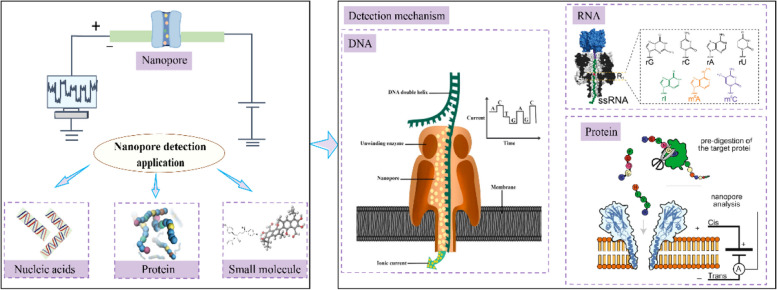
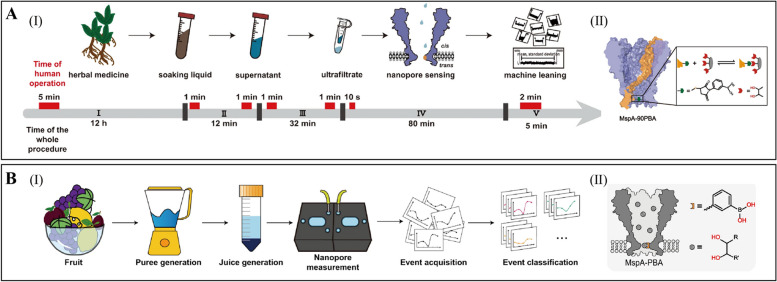
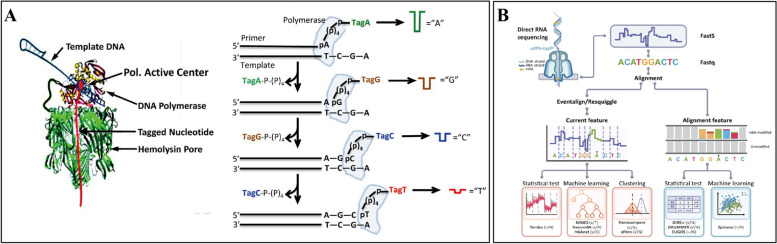
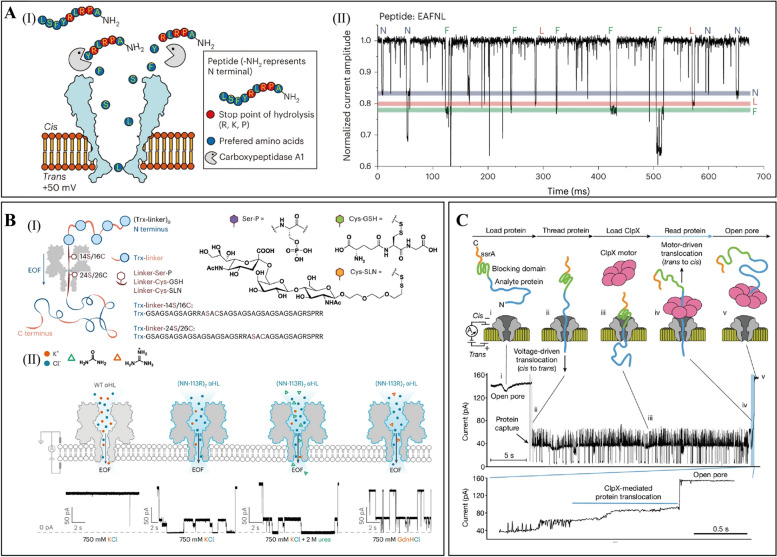
Bio-nanopore technology holds great promise in biomacromolecule detection, with its high throughput and low cost positioning it as an ideal detection tool. This technology employs a unique detection mechanism that utilizes nanoscale pores to rapidly and sensitively convert biological molecules interactions into electrical signals, enabling real-time, single-molecule detection with exceptional sensitivity. This review focuses on the latest advancements in this technology across various domains, including DNA and RNA sequencing, protein detection, and small molecule identification. Additionally, future trends are explored, providing a comprehensive and in-depth perspective on the role of bio-nanopore technology in biomolecule detection.
生物纳米孔技术在生物大分子检测方面具有巨大潜力,其高通量和低成本使其成为理想的检测工具。该技术采用独特的检测机制,利用纳米级孔隙将生物分子相互作用快速、灵敏地转化为电信号,实现具有卓越灵敏度的实时单分子检测。本文综述聚焦于该技术在各个领域的最新进展,包括DNA和RNA测序、蛋白质检测以及小分子鉴定。此外,还探讨了未来趋势,全面深入地阐述了生物纳米孔技术在生物分子检测中的作用。