Rahrig Hadley, Beloborodova Polina, Castro Christina, Sabet Kayla, Johnson Melina, Pearce Orion, Celik Elif, Brown Kirk Warren
Department of Psychology, University of Wisconsin-Madison, 625 W. Washington Ave, Madison, WI, 53703, USA.
Department of Psychology, Virginia Commonwealth University, Richmond, VA, 23284, USA.
Sci Rep. 2025 Feb 12;15(1):5209. doi: 10.1038/s41598-024-84510-0.
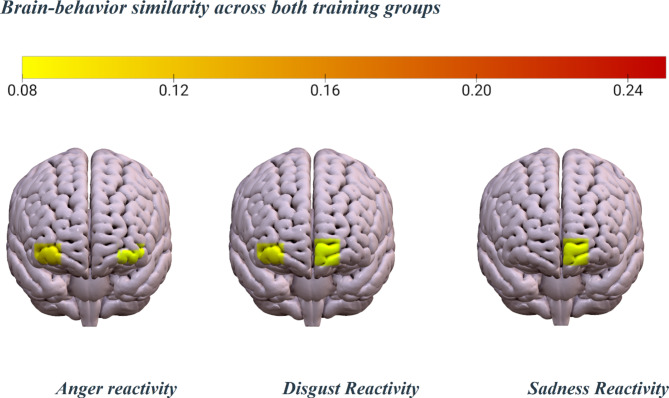
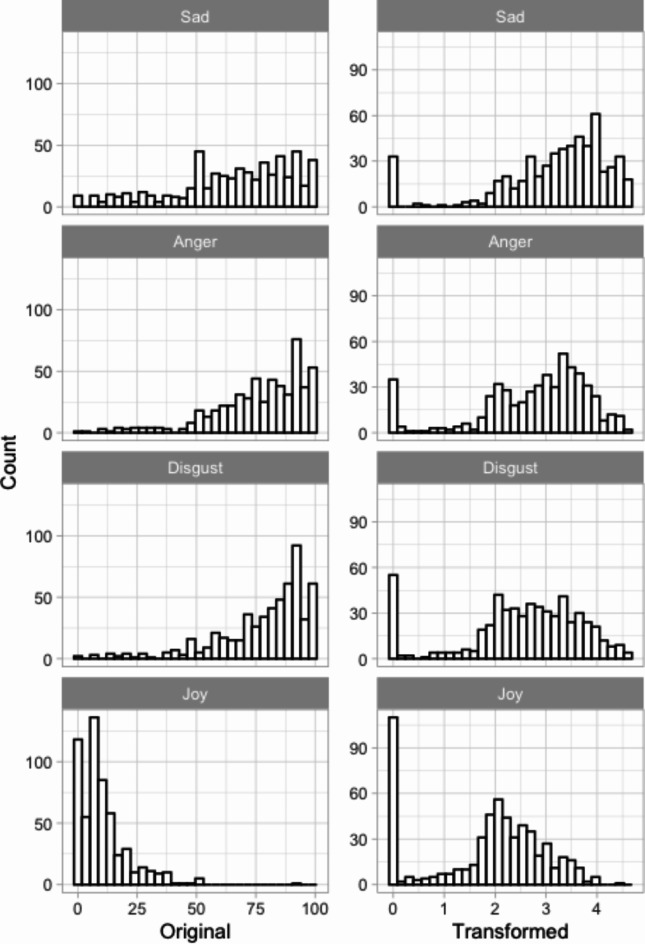
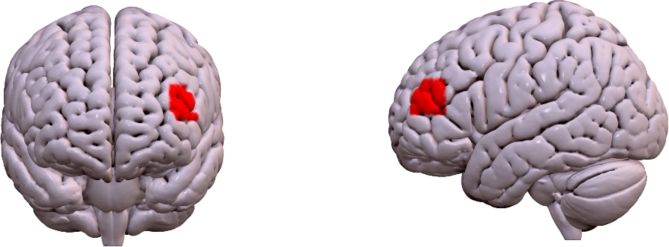
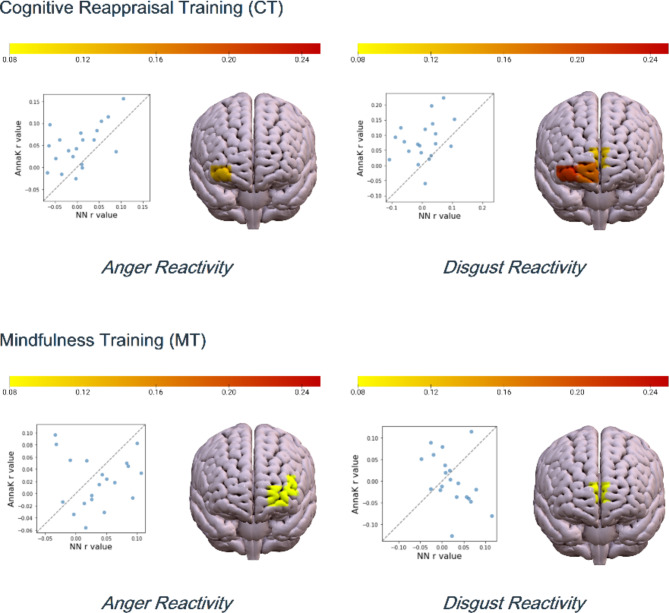
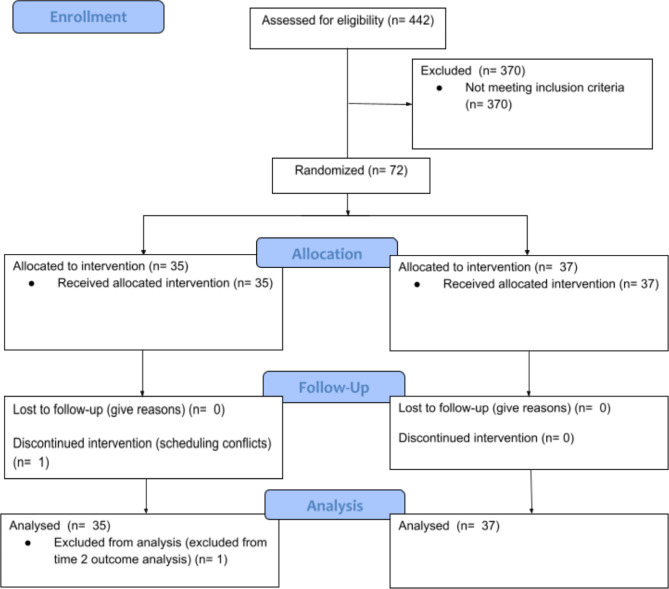
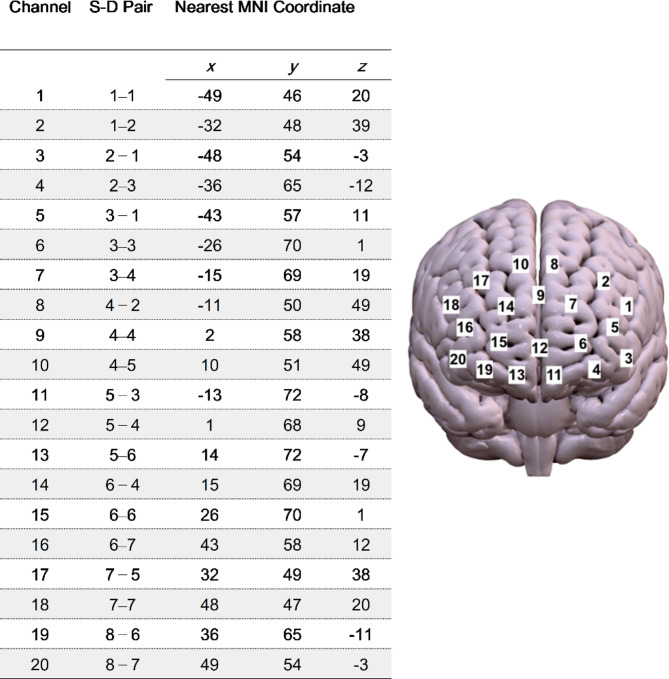
Emotional appraisals of political stimuli (e.g., videos) have been shown to drive shared neural encoding, which correspond to shared, yet divisive, interpretations of such stimuli. However, mindfulness practice may entrain a form of emotion regulation that de-automatizes social biases, possibly through alteration of such neural mechanisms. The present study combined a naturalistic neuroimaging paradigm and a randomized controlled trial to examine the effects of short-term mindfulness training (MT) (n = 35) vs structurally equivalent Cognitive Reappraisal training (CT) (n = 37) on politically-situated emotions while evaluating the mechanistic role of prefrontal cortical neural synchrony. Participants underwent functional near-infrared spectroscopy (fNIRS) recording while viewing inflammatory partisan news clips and continuously rating their momentary discrete emotions. MT participants were more likely to respond with extreme levels of anger (odds ratio = 0.12, p < 0.001) and disgust (odds ratio = 0.08, p < 0.001) relative to CT participants. Neural synchrony-based analyses suggested that participants with extreme emotion reactions exhibited greater prefrontal cortical neural synchrony, but that this pattern was less prominent in participants receiving MT relative to CT (CT > MT; channel 1 ISC = 0.040, p = 0.030).
对政治刺激(如视频)的情感评估已被证明会驱动共享的神经编码,这与对这些刺激的共享但有分歧的解释相对应。然而,正念练习可能会带来一种情绪调节形式,使社会偏见不再自动化,这可能是通过改变这种神经机制实现的。本研究结合了一种自然主义神经成像范式和一项随机对照试验,以检验短期正念训练(MT)(n = 35)与结构上等效的认知重评训练(CT)(n = 37)对处于政治情境中的情绪的影响,同时评估前额叶皮层神经同步的机制作用。参与者在观看煽动性的党派新闻片段并持续对他们瞬间的离散情绪进行评分时,接受功能近红外光谱(fNIRS)记录。相对于CT组参与者,MT组参与者更有可能以极端程度的愤怒(优势比 = 0.12,p < 0.001)和厌恶(优势比 = 0.08,p < 0.001)做出反应。基于神经同步的分析表明,有极端情绪反应的参与者表现出更大的前额叶皮层神经同步,但相对于CT组,这种模式在接受MT训练的参与者中不太明显(CT > MT;通道1的组内相关系数 = 0.040,p = 0.030)。