Wang Heng, Li Yaling, Fan Keyi, Zhao Taoran, Xu Keyang, Zahin Mayeesha, Wang Shule, Cao Genmao, Gao Tingting, Jia Xiaohua, Zhang Ruijing, Dong Honglin, Zheng Guoping
Centre for Transplant and Renal Research, Westmead Institute for Medical Research, The University of Sydney, Sydney, NSW, Australia.
Department of Vascular Surgery, The Second Hospital of Shanxi Medical University, Taiyuan, Shanxi, China.
J Epidemiol Glob Health. 2025 Feb 13;15(1):25. doi: 10.1007/s44197-025-00369-y.
Aortic aneurysm has a subtle onset, high rupture mortality, rapid progression in younger individuals, and increasing annual mortality rates. Our study aimed to estimate the global burden and trends of early-onset aortic aneurysm from 1990 to 2021.
Participants aged 15-39 years from 204 countries and regions (Global Burdern of Disease, GBD) from 1990 to 2021.The primary assessment indicators include age-standardized death rates (ASDR), age-standardized disability-adjusted life years rates (ASDALYR), annual average percent change (AAPC), attributable risk factor proportions, slope index, concentration index, and predictive model for early-onset aortic aneurysm.
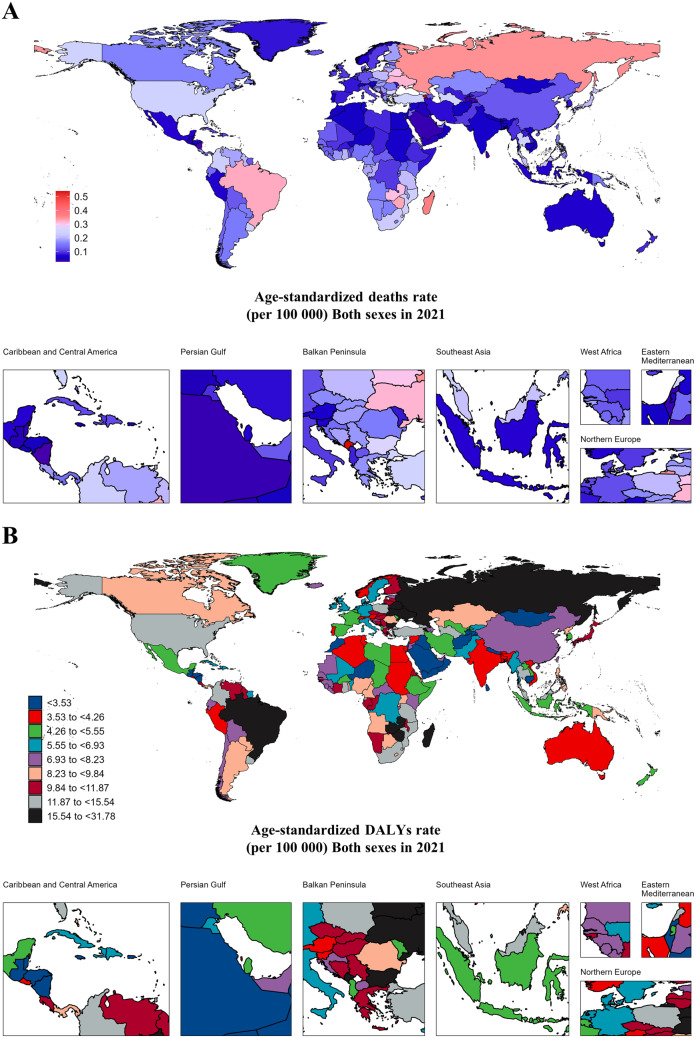
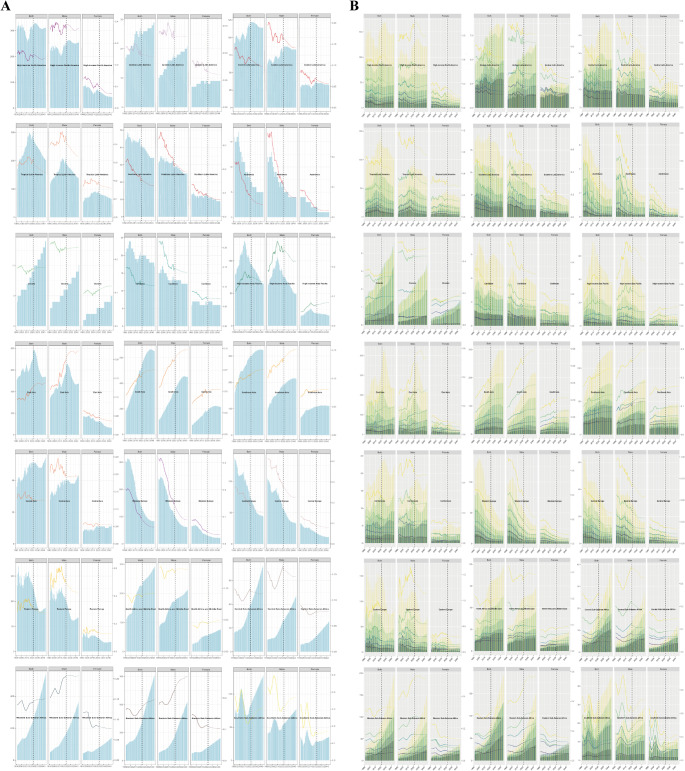
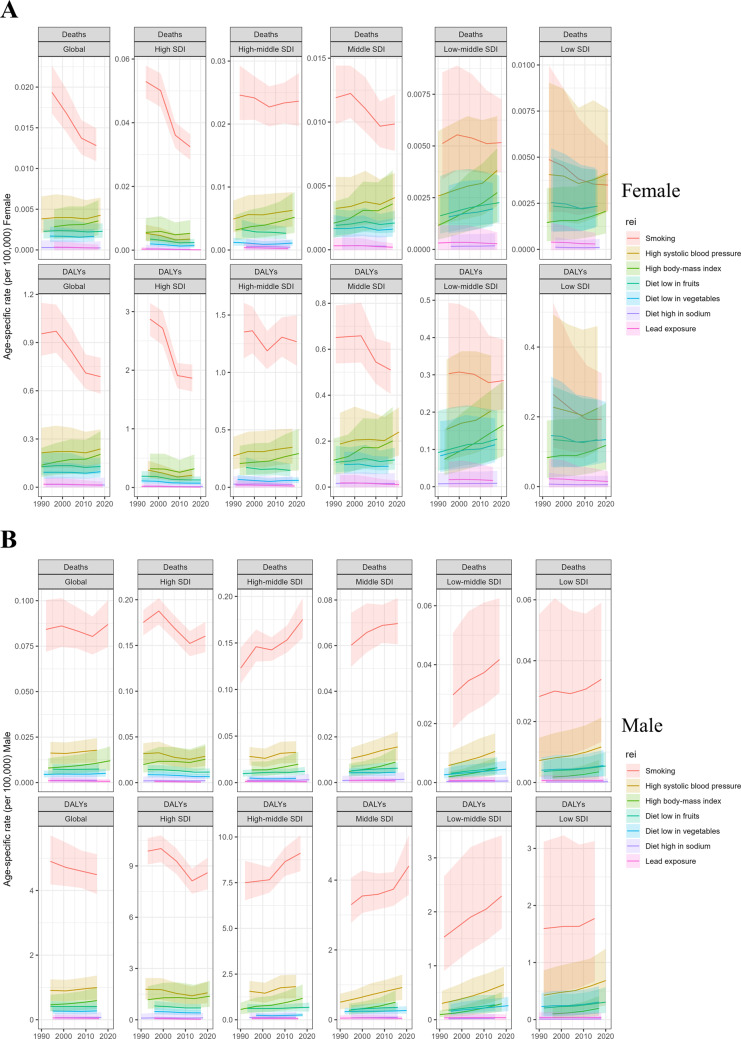
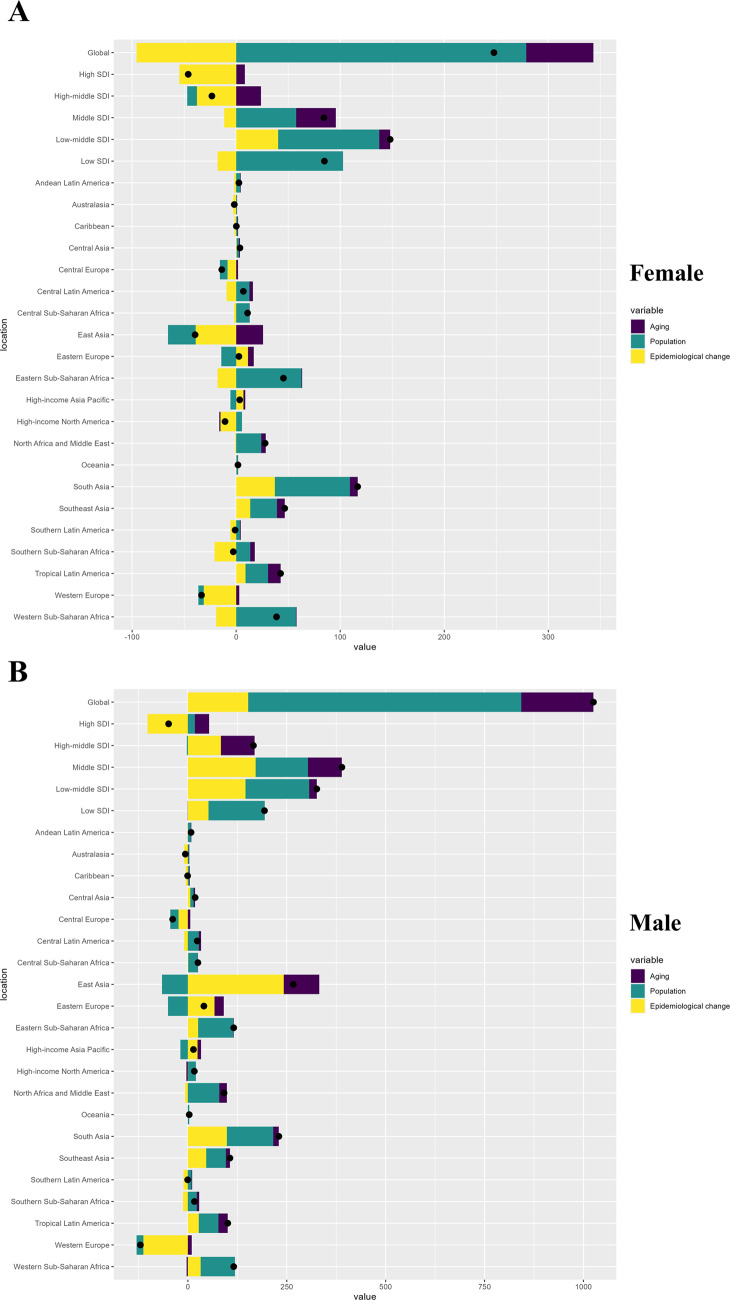
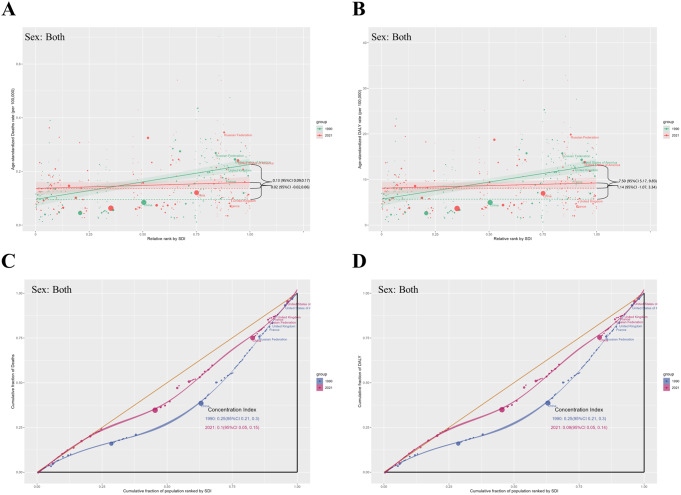
From 1990 to 2021, the ASDR for aortic aneurysm in adolescents and young adults increased from 0.12 (95% confidence interval [CI] 0.11, 0.14) to 0.13 (0.11, 0.14) per 100,000 population, with an AAPC of 0.08% (-0.08%, 0.25%). The ASDALYR rose from 7.25 (6.52, 8.30) to 7.35 (6.51, 8.37), with an AAPC of 0.07% (-0.09%, 0.23%). Both ASDR and ASDALYR are higher in males than females, with a declining trend in females. Higher Socio-Demographic Index (SDI) countries exhibit higher ASDR and ASDALYR compared to lower SDI countries, with a continuous decline observed in high SDI nations. Smoking remains the top risk factor, with population growth being the primary driver. Models predict a global increase in aortic aneurysm deaths, predominantly among males.
The overall burden of early-onset aortic aneurysms has exhibited an increasing trend over the last three decades, especially in lower SDI countries. There is an urgent need to develop targeted prevention and control strategies across different regions and countries worldwide.
主动脉瘤起病隐匿,破裂死亡率高,在年轻人中进展迅速,且年死亡率不断上升。我们的研究旨在估计1990年至2021年早发性主动脉瘤的全球负担及趋势。
研究对象为1990年至2021年来自204个国家和地区(全球疾病负担研究,GBD)的15至39岁人群。主要评估指标包括年龄标准化死亡率(ASDR)、年龄标准化残疾调整生命年率(ASDALYR)、年均变化百分比(AAPC)、可归因危险因素比例、斜率指数、集中指数以及早发性主动脉瘤预测模型。
1990年至2021年,青少年和青年人群中主动脉瘤的ASDR从每10万人0.12(95%置信区间[CI] 0.11,0.14)增至0.13(0.11,0.14),AAPC为0.08%(-0.08%,0.25%)。ASDALYR从7.25(6.52,8.30)升至7.35(6.51,8.37),AAPC为0.07%(-0.09%,0.23%)。男性的ASDR和ASDALYR均高于女性,且女性呈下降趋势。社会人口指数(SDI)较高的国家与SDI较低的国家相比,ASDR和ASDALYR更高,高SDI国家呈持续下降趋势。吸烟仍是首要危险因素,人口增长是主要驱动因素。模型预测主动脉瘤死亡人数将在全球范围内增加,主要集中在男性中。
在过去三十年中,早发性主动脉瘤的总体负担呈上升趋势,尤其是在SDI较低的国家。迫切需要在全球不同地区和国家制定有针对性的防控策略。