Fan Junping, Wang Pei, Wang Shen, Li Rong, Yang Yaoxi, Jin Lei, Sun Yingying, Li Dongfang
School of Stomatology, Jiangxi Medical College, Nanchang University, Nanchang, 330006, People's Republic of China.
Jiangxi Provincial Key Laboratory of Oral Diseases, Nanchang, 330006, People's Republic of China.
Discov Nano. 2025 Feb 17;20(1):40. doi: 10.1186/s11671-025-04206-w.
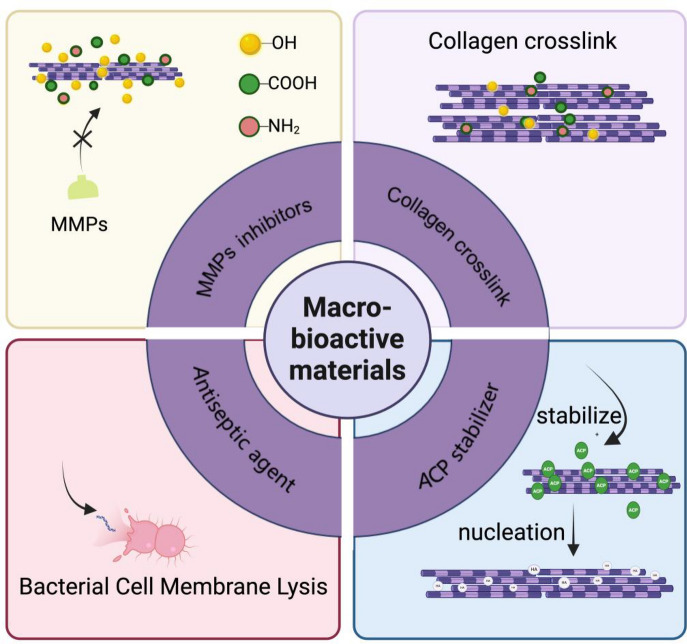
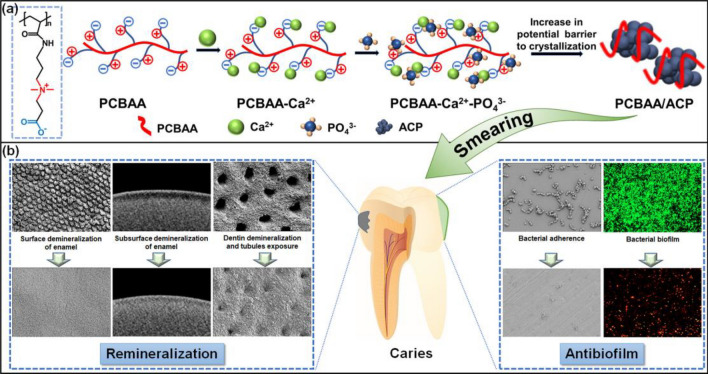
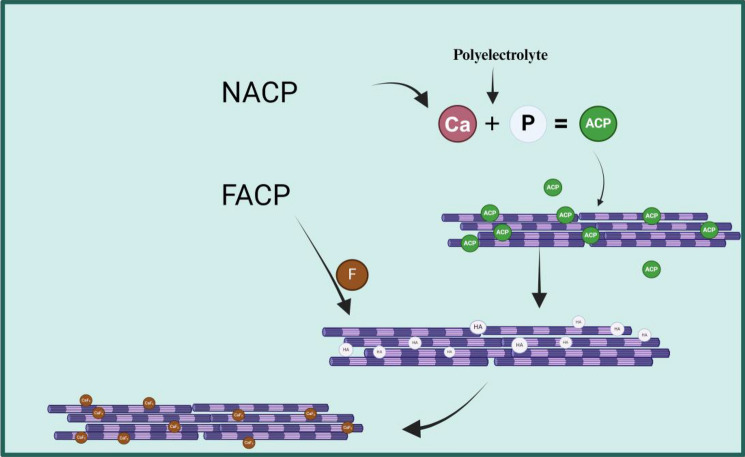
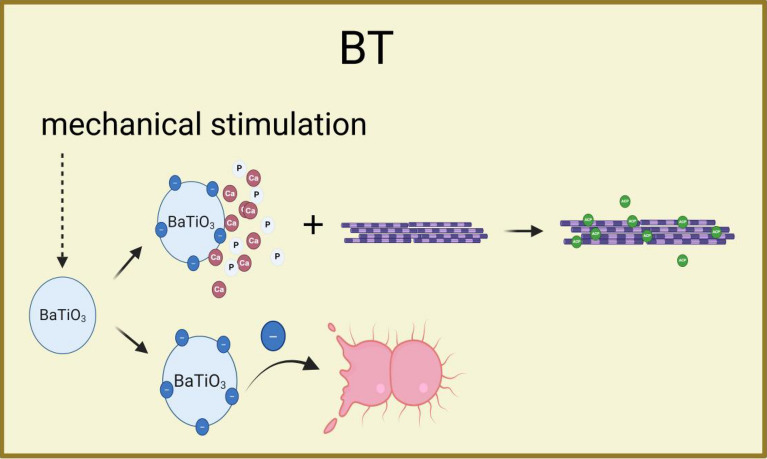
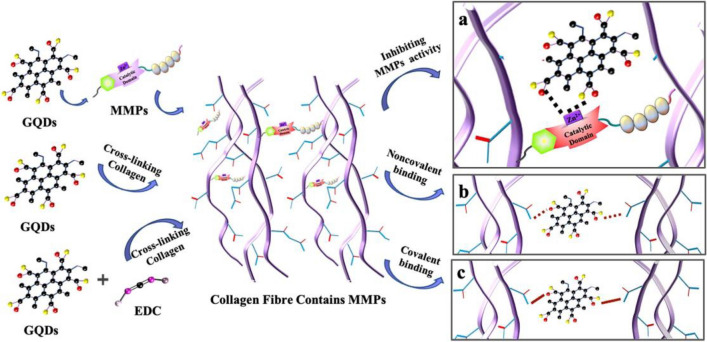
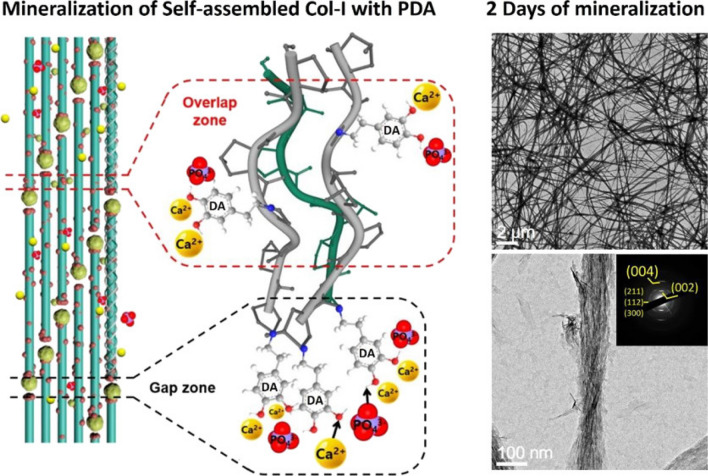
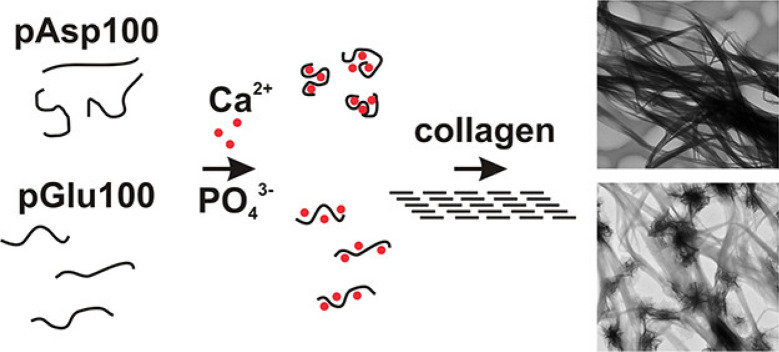
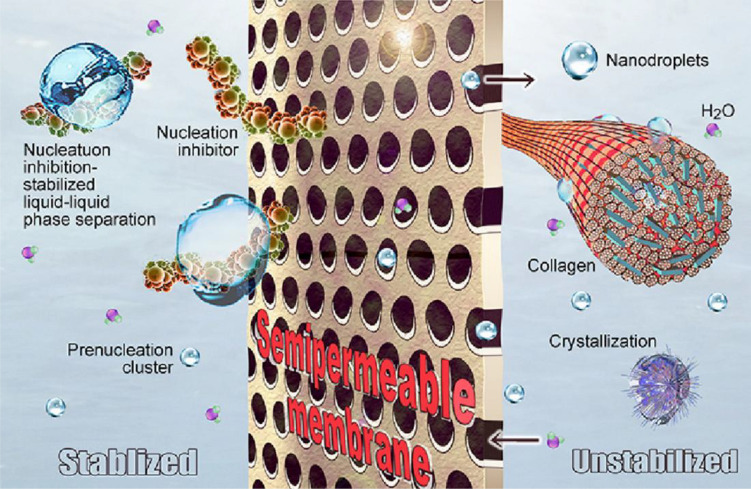
The long-term stability of dentin bonding is equally crucial for minimally invasive aesthetic restoration. Although the dentin bonding meets clinical standards at the initial stage, its long-term efficacy remains suboptimal owing to the impact of physiological factors. Herein, we present a comprehensive analysis of macro-bioactive materials, including nanomaterials and polymer materials, to improve the longevity of dentin bonding and extend the lifespan of adhesive prosthetics through various mechanisms to achieve sustained and stable dentin bonding effects over an extended period. On the one hand, the macro-bioactive materials directly inhibit the enzymatic activity of matrix metalloproteinases (MMPs) or impede the acidogenic abilities of cariogenic microorganisms, thereby enhancing the local pH within the oral cavity. On the other hand, they indirectly prevent the activation of MMPs, thereby safeguarding the structural integrity of the resin-dentin bonding interface and efficiently improve its long-term stability. Moreover, these macro-bioactive materials establish cross-links with collagen fibers, promoting bionic remineralization and protecting the exposed collagen fibers within the hybrid layer from degradation. These processes ultimately enhance the mechanical properties of the resin-dentin bonding interface and efficiently improve its long-term stability.
牙本质粘结的长期稳定性对于微创美学修复同样至关重要。尽管牙本质粘结在初始阶段符合临床标准,但其长期效果由于生理因素的影响仍不尽人意。在此,我们对包括纳米材料和高分子材料在内的宏观生物活性材料进行全面分析,通过多种机制提高牙本质粘结的耐久性,并延长粘结修复体的使用寿命,从而在较长时间内实现持续稳定的牙本质粘结效果。一方面,宏观生物活性材料直接抑制基质金属蛋白酶(MMPs)的酶活性或阻碍致龋微生物的产酸能力,从而提高口腔内局部pH值。另一方面,它们间接阻止MMPs的激活,从而保护树脂-牙本质粘结界面的结构完整性,并有效提高其长期稳定性。此外,这些宏观生物活性材料与胶原纤维形成交联,促进仿生再矿化,并保护混合层内暴露的胶原纤维不被降解。这些过程最终增强了树脂-牙本质粘结界面的力学性能,并有效提高其长期稳定性。