Cruciani Sonia, Delgado-Tejedor Anna, Pryszcz Leszek P, Medina Rebeca, Llovera Laia, Novoa Eva Maria
Centre for Genomic Regulation (CRG), The Barcelona Institute of Science and Technology, Dr. Aiguader 88, Barcelona, 08003, Spain.
Universitat Pompeu Fabra (UPF), Barcelona, Spain.
Genome Biol. 2025 Feb 25;26(1):38. doi: 10.1186/s13059-025-03498-6.
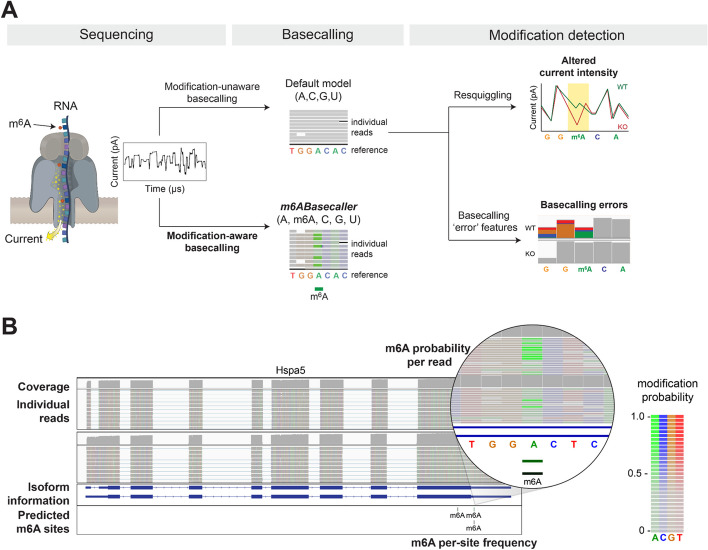
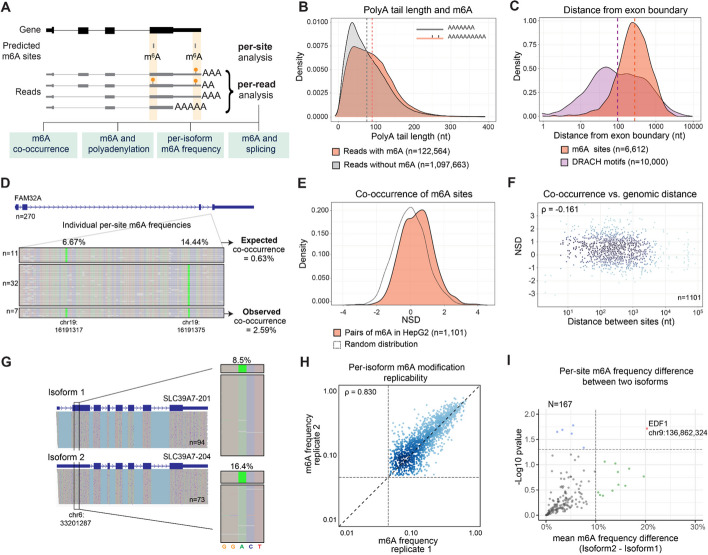
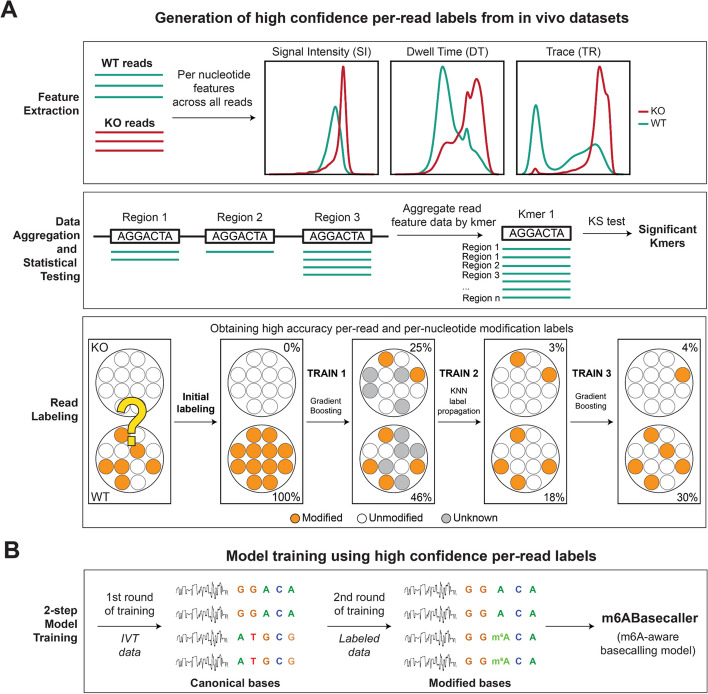
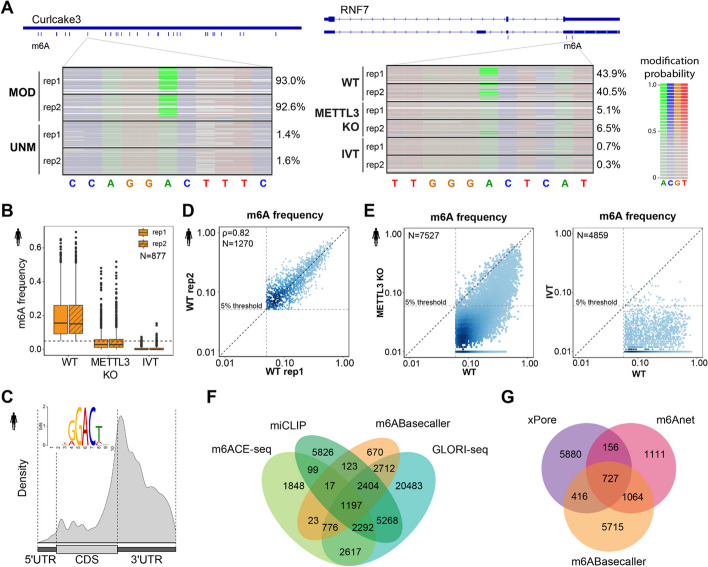
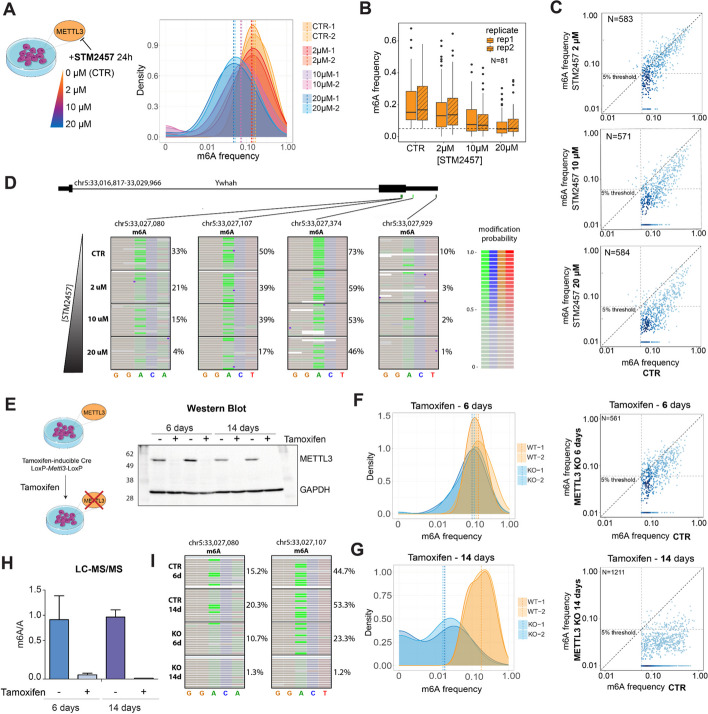
RNA modifications influence RNA function and fate, but detecting them in individual molecules remains challenging for most modifications. Here we present a novel methodology to generate training sets and build modification-aware basecalling models. Using this approach, we develop the mABasecaller, a basecalling model that predicts mA modifications from raw nanopore signals. We validate its accuracy in vitro and in vivo, revealing stable mA modification stoichiometry across isoforms, mA co-occurrence within RNA molecules, and mA-dependent effects on poly(A) tails. Finally, we demonstrate that our method generalizes to other RNA and DNA modifications, paving the path towards future efforts detecting other modifications.
RNA修饰会影响RNA的功能和命运,但对于大多数修饰而言,在单个分子中检测它们仍然具有挑战性。在此,我们提出了一种生成训练集并构建修饰感知碱基识别模型的新方法。使用这种方法,我们开发了mABasecaller,这是一种可从原始纳米孔信号预测mA修饰的碱基识别模型。我们在体外和体内验证了其准确性,揭示了不同异构体间稳定的mA修饰化学计量、RNA分子内的mA共现以及mA对多聚腺苷酸尾的依赖性影响。最后,我们证明我们的方法可推广到其他RNA和DNA修饰,为未来检测其他修饰的工作铺平了道路。