Zuhra Karim, Petrosino Maria, Janickova Lucia, Petric Jovan, Ascenção Kelly, Vignane Thibaut, Khalaf Moustafa, Philipp Thilo M, Ravani Stella, Anand Abhishek, Martins Vanessa, Santos Sidneia, Erdemir Serkan, Malkondu Sait, Sitek Barbara, Kelestemur Taha, Kieronska-Rudek Anna, Majtan Tomas, Filgueira Luis, Maric Darko, Chlopicki Stefan, Hoogewijs David, Haskó György, Papapetropoulos Andreas, Logue Brian A, Boss Gerry R, Filipovic Milos R, Szabo Csaba
Section of Pharmacology, Department of Oncology, Microbiology and Immunology, Faculty of Science and Medicine, University of Fribourg, Fribourg, Switzerland.
Leibniz Institute for Analytical Sciences, Dortmund, Germany.
Nat Metab. 2025 Mar;7(3):531-555. doi: 10.1038/s42255-025-01225-w. Epub 2025 Mar 3.
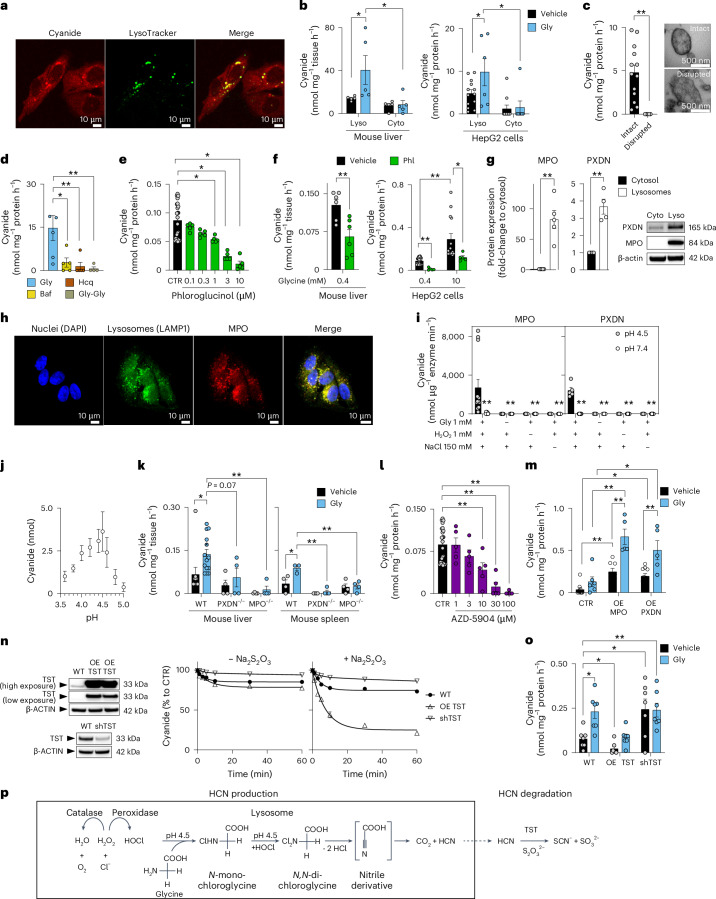
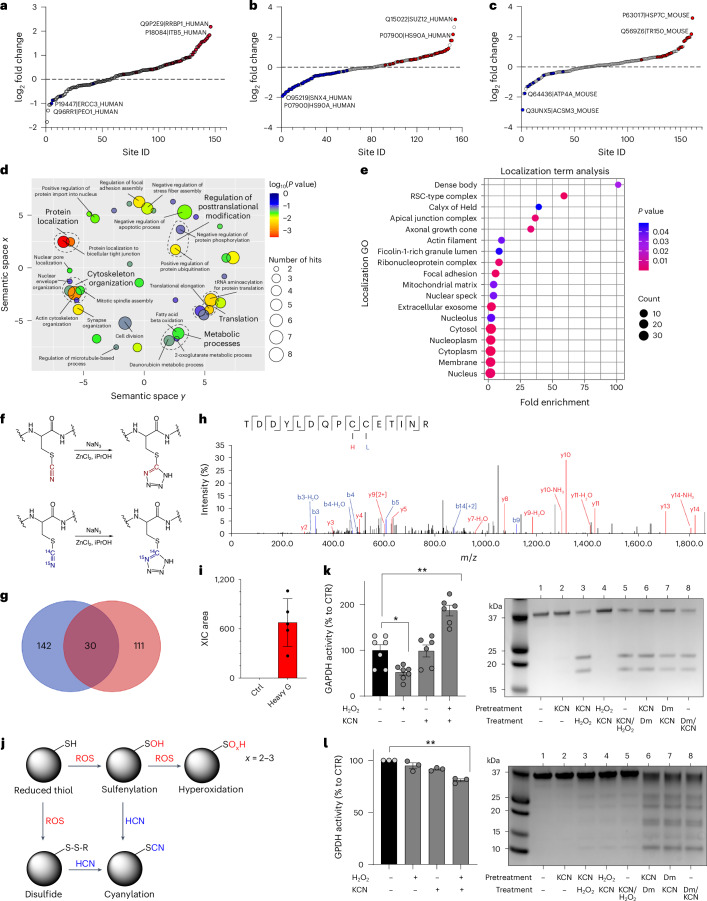
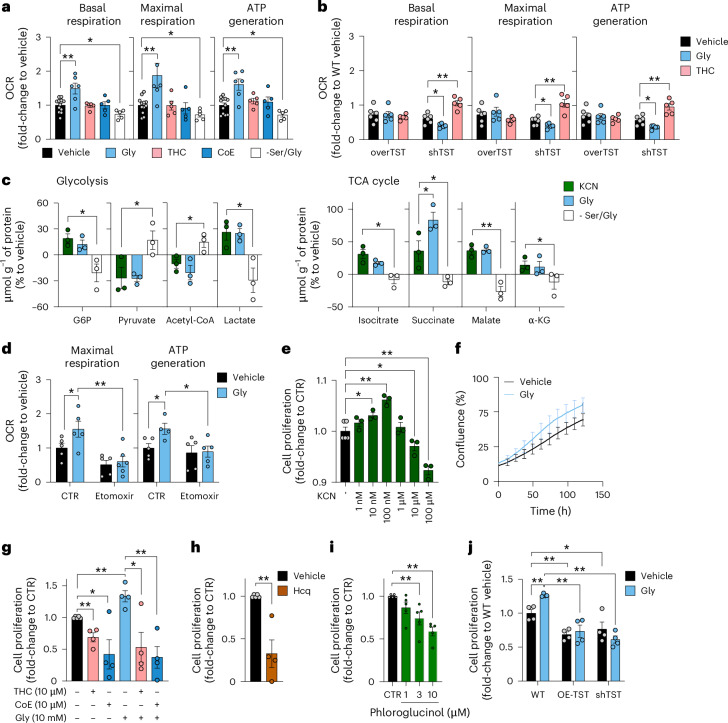
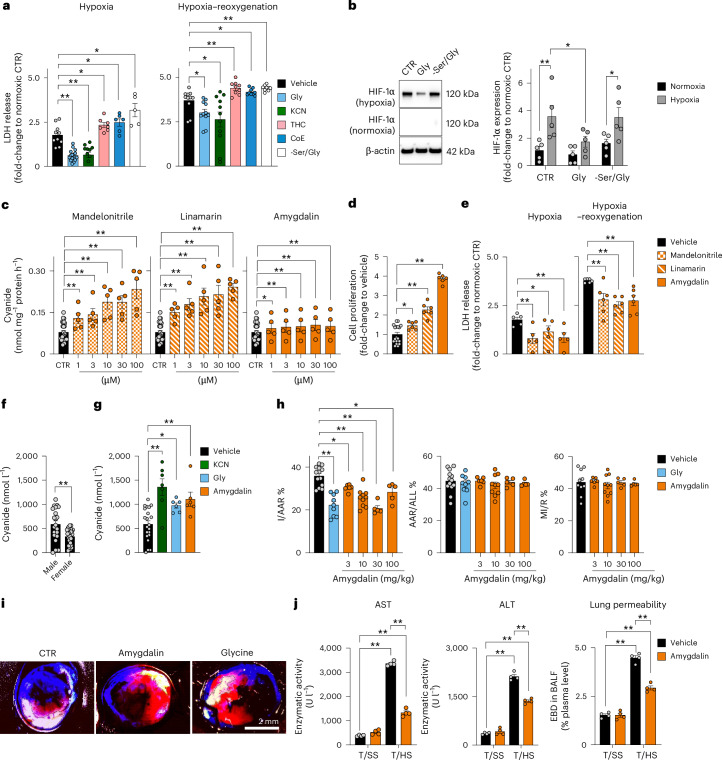
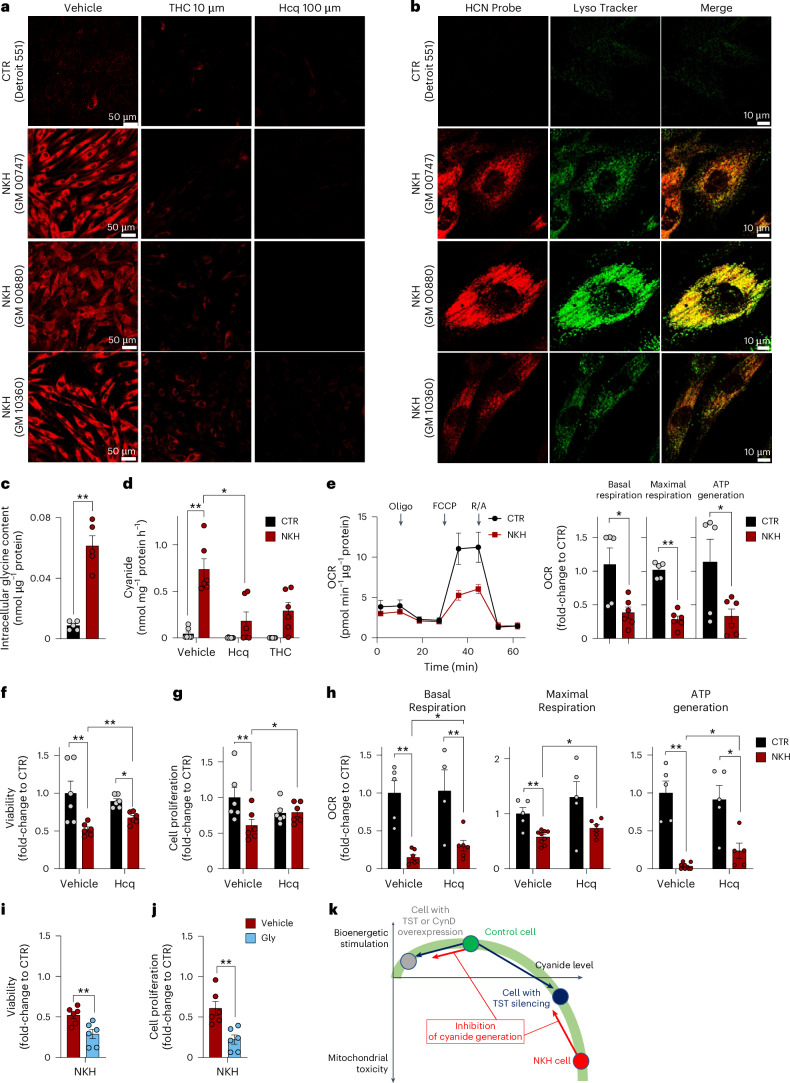
Small, gaseous molecules such as nitric oxide, carbon monoxide and hydrogen sulfide are produced as signalling molecules in mammalian cells. Here, we show that low concentrations of cyanide are generated endogenously in various mammalian tissues and cells. We detect cyanide in several cellular compartments of human cells and in various tissues and the blood of mice. Cyanide production is stimulated by glycine, occurs at the low pH of lysosomes and requires peroxidase activity. When generated at a specific rate, cyanide exerts stimulatory effects on mitochondrial bioenergetics, cell metabolism and cell proliferation, but impairs cellular bioenergetics at high concentrations. Cyanide can modify cysteine residues via protein S-cyanylation, which is detectable basally in cells and mice, and increases in response to glycine. Low-dose cyanide supplementation exhibits cytoprotective effects in hypoxia and reoxygenation models in vitro and in vivo. Conversely, pathologically elevated cyanide production in nonketotic hyperglycinaemia is detrimental to cells. Our findings indicate that cyanide should be considered part of the same group of endogenous mammalian regulatory gasotransmitters as nitric oxide, carbon monoxide and hydrogen sulfide.
一氧化氮、一氧化碳和硫化氢等小分子气态分子作为信号分子在哺乳动物细胞中产生。在此,我们表明,低浓度的氰化物在各种哺乳动物组织和细胞中内源性产生。我们在人类细胞的几个细胞区室以及小鼠的各种组织和血液中检测到了氰化物。氰化物的产生受甘氨酸刺激,发生在溶酶体的低pH环境中,并且需要过氧化物酶活性。当以特定速率产生时,氰化物对线粒体生物能量学、细胞代谢和细胞增殖具有刺激作用,但在高浓度时会损害细胞生物能量学。氰化物可通过蛋白质S-氰化作用修饰半胱氨酸残基,这在细胞和小鼠中可基本检测到,并会因甘氨酸而增加。低剂量补充氰化物在体外和体内的缺氧和复氧模型中表现出细胞保护作用。相反,非酮症高甘氨酸血症中病理性升高的氰化物产生对细胞有害。我们的研究结果表明,氰化物应被视为与一氧化氮、一氧化碳和硫化氢同组的内源性哺乳动物调节性气体信号分子。