Almuntashiri Sultan A, Alsubaie Faris F, Alotaybi Moteab
Department of Family and Community Medicine, King Abdulaziz Medical City, Jeddah, SAU.
Department of Family Medicine, Makkah Cluster of Health, Ministry of Health, Makkah, SAU.
Cureus. 2025 Feb 6;17(2):e78629. doi: 10.7759/cureus.78629. eCollection 2025 Feb.
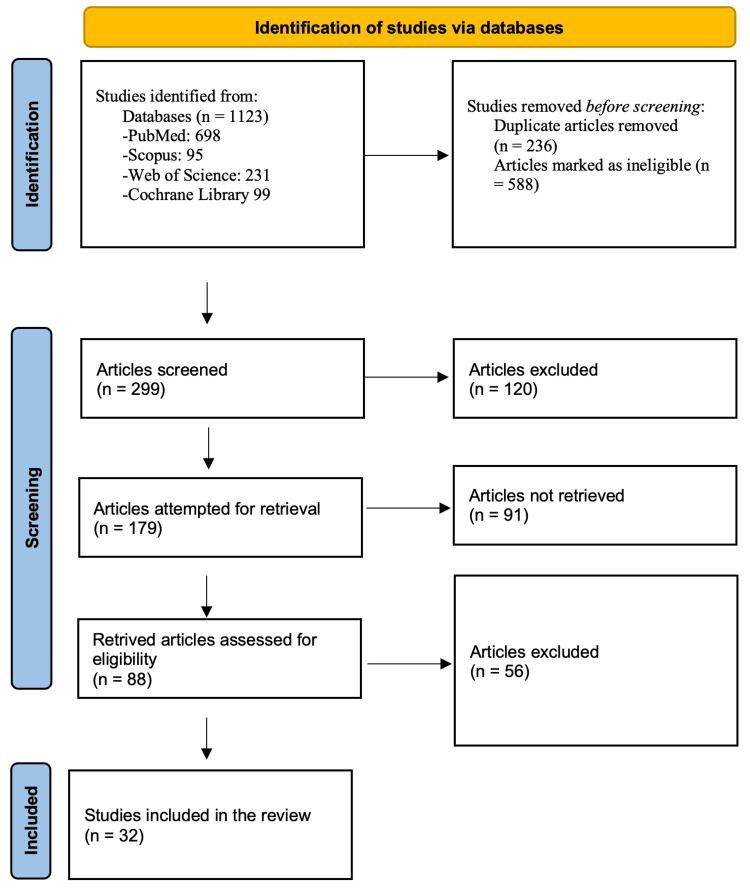
Plant-based diets have gained increasing attention for their potential role in preventive medicine, particularly in reducing the risk of chronic diseases such as type 2 diabetes, cardiovascular disease, obesity, and metabolic syndrome. This systematic review synthesizes evidence from 32 longitudinal studies to evaluate the impact of plant-based diets on disease prevention and health outcomes. The review identifies consistent patterns, including improved metabolic health, weight management, cardiovascular risk reduction, and positive effects on gut microbiome composition and inflammation. However, inconsistencies arise due to variability in diet definitions, mixed findings on specific outcomes, and heterogeneity in study populations. Critical gaps in the literature include the lack of long-term studies, limited mechanistic insights, underrepresentation of diverse populations, and a need for more rigorous intervention studies and personalized nutrition approaches. Identified research gaps highlight the need for long-term studies, deeper exploration of mechanistic pathways, and greater inclusivity of diverse populations. These insights underscore the significance of plant-based diets as a cornerstone of preventive medicine while emphasizing the necessity for targeted interventions and personalized approaches to maximize their benefits. The findings contribute to a growing body of evidence supporting the integration of plant-based dietary strategies into public health policies and clinical practices.
以植物为基础的饮食因其在预防医学中的潜在作用而受到越来越多的关注,特别是在降低2型糖尿病、心血管疾病、肥胖症和代谢综合征等慢性疾病的风险方面。本系统综述综合了32项纵向研究的证据,以评估以植物为基础的饮食对疾病预防和健康结果的影响。该综述确定了一致的模式,包括改善代谢健康、体重管理、降低心血管风险以及对肠道微生物群组成和炎症的积极影响。然而,由于饮食定义的可变性、特定结果的混合发现以及研究人群的异质性,出现了不一致的情况。文献中的关键差距包括缺乏长期研究、有限的机制见解、不同人群代表性不足,以及需要更严格的干预研究和个性化营养方法。确定的研究差距突出了进行长期研究、更深入探索机制途径以及提高不同人群包容性的必要性。这些见解强调了以植物为基础的饮食作为预防医学基石的重要性,同时强调了有针对性的干预措施和个性化方法以最大限度地发挥其益处的必要性。这些发现为越来越多的证据做出了贡献,支持将以植物为基础的饮食策略纳入公共卫生政策和临床实践。