
用于糖尿病视网膜病变筛查的机器学习算法的性能与局限性及其在健康管理中的应用:一项荟萃分析
Performance and limitation of machine learning algorithms for diabetic retinopathy screening and its application in health management: a meta-analysis.
作者信息
Moannaei Mehrsa, Jadidian Faezeh, Doustmohammadi Tahereh, Kiapasha Amir Mohammad, Bayani Romina, Rahmani Mohammadreza, Jahanbazy Mohammad Reza, Sohrabivafa Fereshteh, Asadi Anar Mahsa, Magsudy Amin, Sadat Rafiei Seyyed Kiarash, Khakpour Yaser
机构信息
School of Medicine, Hormozgan University of Medical Sciences, Bandar Abbas, Iran.
School of Medicine, Shahid Beheshti University of Medical Sciences, Tehran, Iran.
出版信息
Biomed Eng Online. 2025 Mar 14;24(1):34. doi: 10.1186/s12938-025-01336-1.
BACKGROUND
In recent years, artificial intelligence and machine learning algorithms have been used more extensively to diagnose diabetic retinopathy and other diseases. Still, the effectiveness of these methods has not been thoroughly investigated. This study aimed to evaluate the performance and limitations of machine learning and deep learning algorithms in detecting diabetic retinopathy.
METHODS
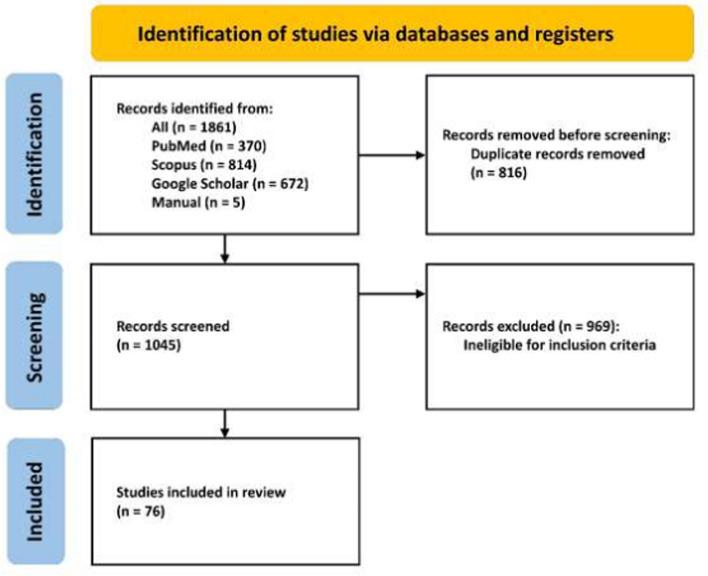
This study was conducted based on the PRISMA checklist. We searched online databases, including PubMed, Scopus, and Google Scholar, for relevant articles up to September 30, 2023. After the title, abstract, and full-text screening, data extraction and quality assessment were done for the included studies. Finally, a meta-analysis was performed.
RESULTS
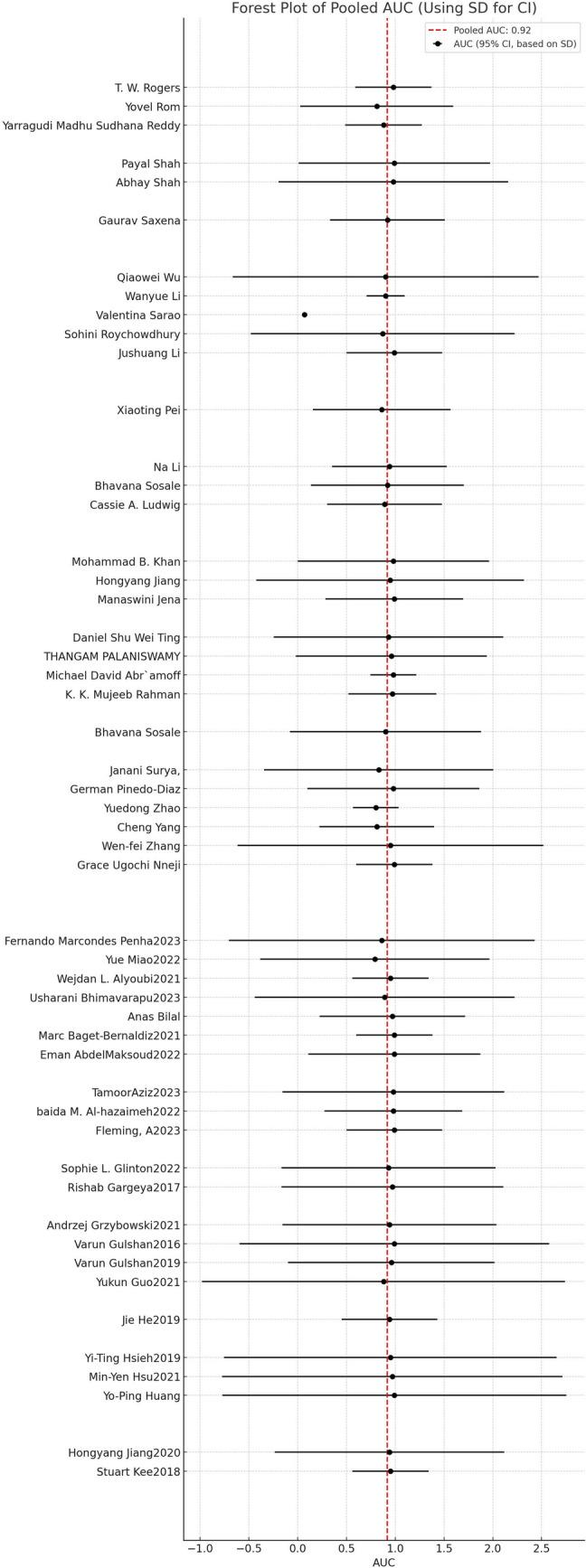
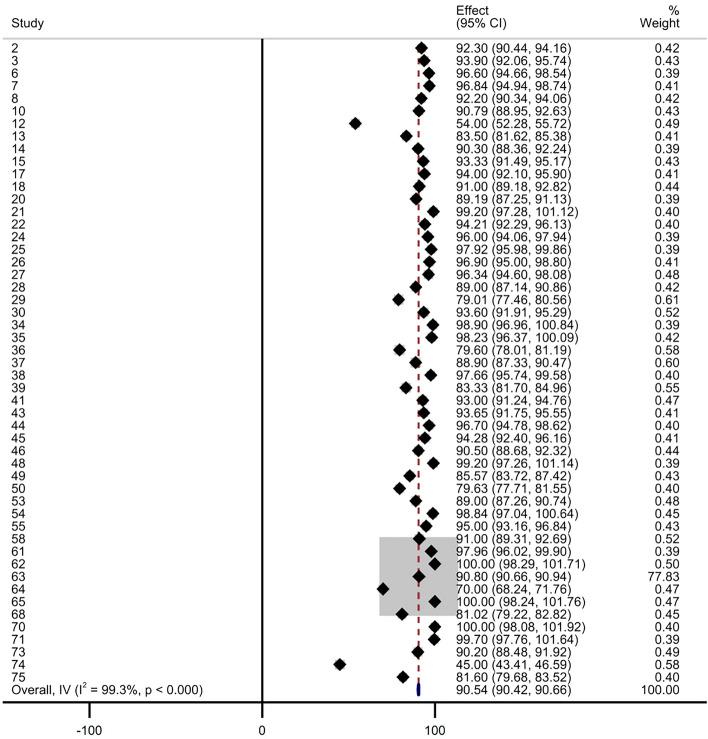
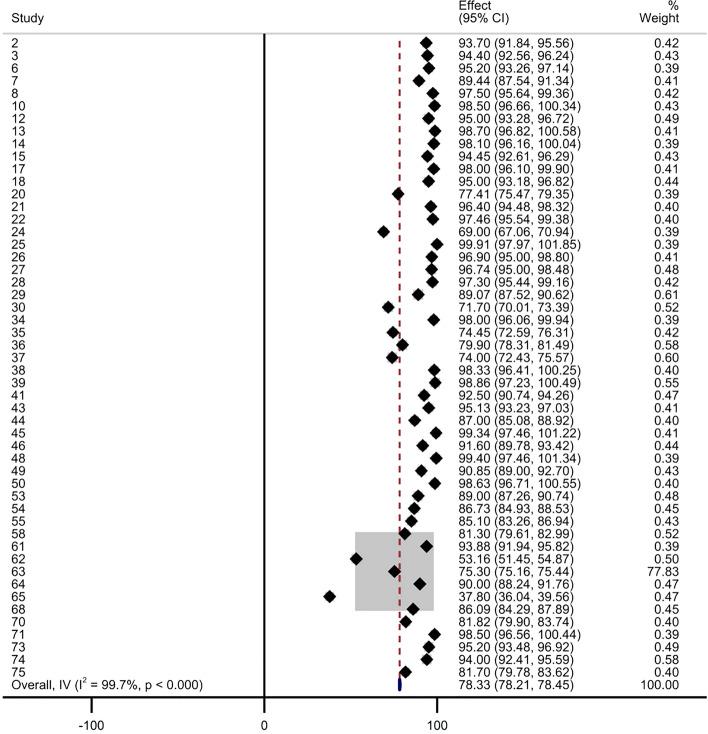
We included 76 studies with a total of 1,371,517 retinal images, of which 51 were used for meta-analysis. Our meta-analysis showed a significant sensitivity and specificity with a percentage of 90.54 (95%CI [90.42, 90.66], P < 0.001) and 78.33% (95%CI [78.21, 78.45], P < 0.001). However, the AUC (area under curvature) did not statistically differ across studies, but had a significant figure of 0.94 (95% CI [- 46.71, 48.60], P = 1).
CONCLUSIONS
Although machine learning and deep learning algorithms can properly diagnose diabetic retinopathy, their discriminating capacity is limited. However, they could simplify the diagnosing process. Further studies are required to improve algorithms.
背景
近年来,人工智能和机器学习算法在糖尿病视网膜病变及其他疾病的诊断中得到了更广泛的应用。然而,这些方法的有效性尚未得到充分研究。本研究旨在评估机器学习和深度学习算法在检测糖尿病视网膜病变中的性能和局限性。
方法
本研究依据PRISMA清单进行。我们检索了在线数据库,包括PubMed、Scopus和谷歌学术,以查找截至2023年9月30日的相关文章。经过标题、摘要和全文筛选后,对纳入研究进行了数据提取和质量评估。最后,进行了荟萃分析。
结果
我们纳入了76项研究,共1371517张视网膜图像,其中51项用于荟萃分析。我们的荟萃分析显示,敏感性和特异性显著,分别为90.54%(95%CI[90.42,90.66],P<0.001)和78.33%(95%CI[78.21,78.45],P<0.001)。然而,各研究间的AUC(曲线下面积)在统计学上无差异,但有一个显著值为0.94(95%CI[-46.71,48.60],P=1)。
结论
虽然机器学习和深度学习算法能够正确诊断糖尿病视网膜病变,但其鉴别能力有限。不过,它们可以简化诊断过程。需要进一步研究以改进算法。
 Zotero 插件