Burczyk Dawid Daniel, Wcisło-Dziadecka Dominika, Olczyk Paweł, Chełmecka Elżbieta, Burczyk Wiktoria Klaudia
Doctoral School of the Medical University of Silesia, Katowice, Poland.
Department of Practical Cosmetology and Skin Diagnostics, Faculty of Pharmaceutical Sciences in Sosnowiec, Medical University of Silesia, Katowice, Poland.
Clin Cosmet Investig Dermatol. 2025 Mar 19;18:649-662. doi: 10.2147/CCID.S472746. eCollection 2025.
A growing number of publications are devoted to topical cannabinoid therapies in present-day cosmetology, as they appear to be safe and effective treatment modalities aimed at improving the comfort and quality of life of patients with atopic dermatitis (AD). A thorough patient interview, physical examination, clinical picture, and aetiopathogenesis of AD allow for a correct diagnosis and enable the choice of the least invasive pharmacological treatment.
In our medical experiment, we found a correlation between the findings of studies by other authors and the validation of our hypothesis that topical cannabinoid therapy is effective in the prevention and management of AD flares. A thorough analysis of the obtained results provided insights into the extent to which the applied ointment influenced the improvement of the skin's biophysical parameters (hydration, lipid content, transepidermal water loss, and erythema).
This medical experimental study was conducted from May to July 2022 and included a group of nine patients (five men and four women) aged 20- to 67-years-old were diagnosed with AD. The study involved transdermal delivery of an ointment compounded with cholesterol ointment, 30% cannabidiol (CBD), 5% cannabigerol (CBG), and hemp seed oil, and assessment of biophysical skin parameters, including corneometry (skin hydration), TEWL, sebumetry, and pH (acidity).
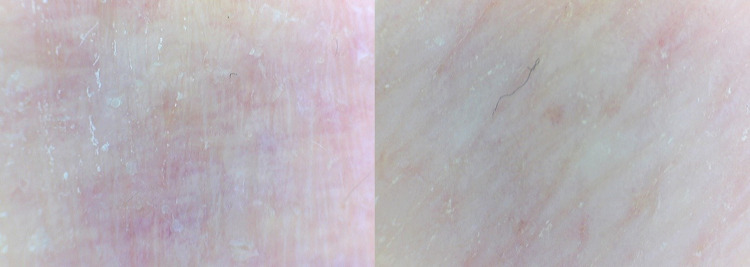
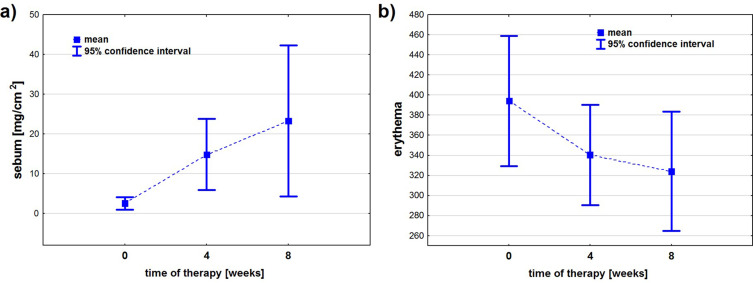
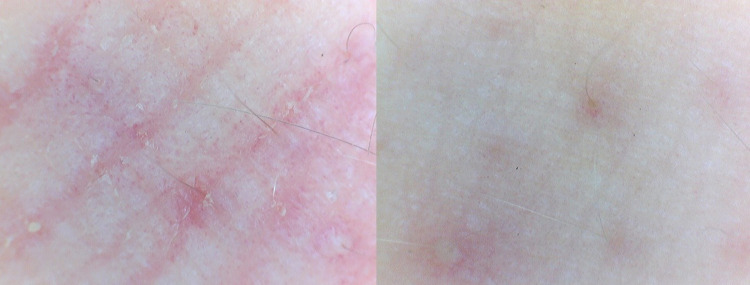
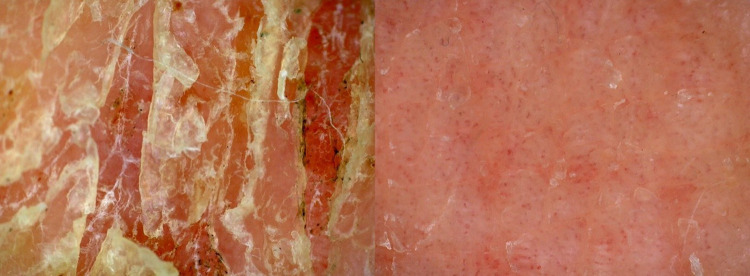
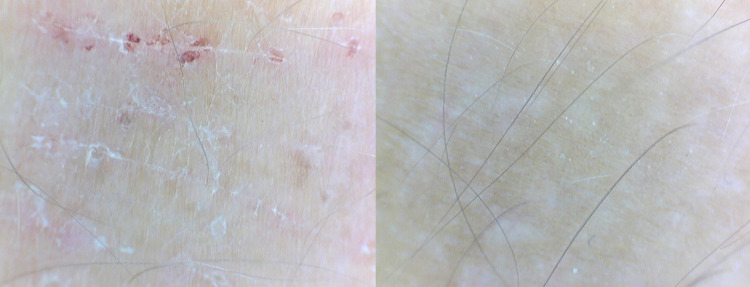
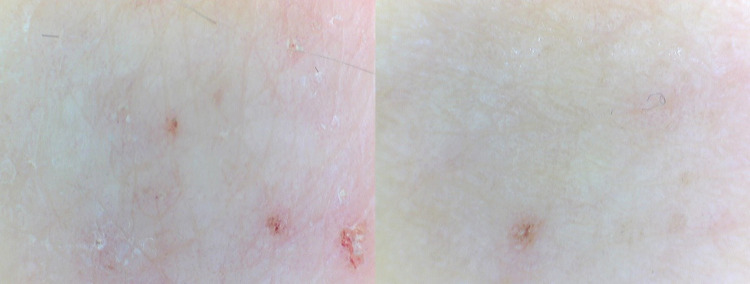
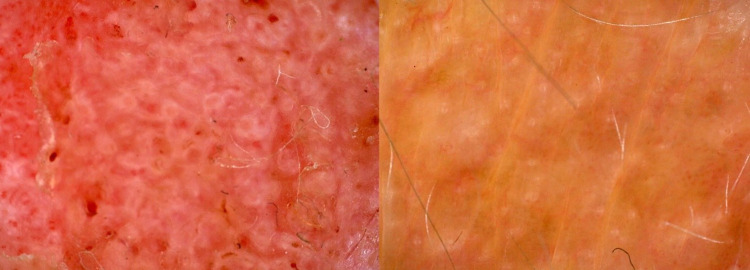
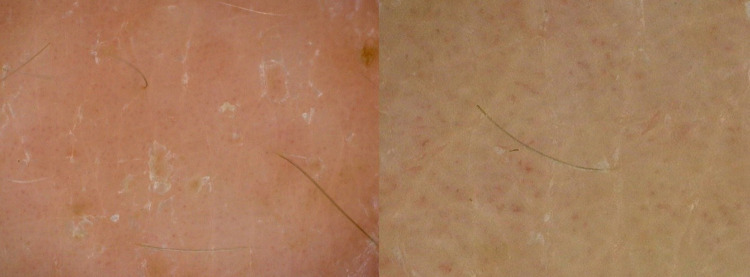
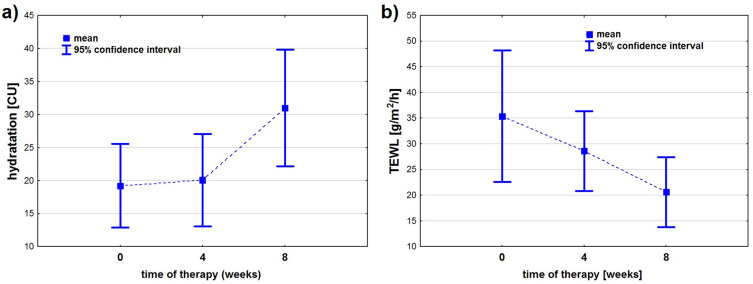
A preliminary analysis of our pilot study points to the potential of employing ointments and creams containing 30% CBD and 5% CBG as alternatives to conventional auxiliary therapies during both flare-ups and remission. The results we achieved included improved skin hydration, sebum level, and TEWL as well as reduced erythema in the studied areas (forearms).
Our results demonstrate that topical cannabinoid therapy is effective in reducing itching and improving the quality of life of patients with AD, leading to symptom remission in some cases.
在当今美容学领域,越来越多的出版物致力于局部大麻素疗法,因为它们似乎是旨在改善特应性皮炎(AD)患者舒适度和生活质量的安全有效的治疗方式。对AD患者进行全面的问诊、体格检查、临床表现及发病机制分析,有助于做出正确诊断,并能选择侵入性最小的药物治疗。
在我们的医学实验中,我们发现其他作者的研究结果与我们的假设验证之间存在相关性,即局部大麻素疗法在预防和管理AD发作方面是有效的。对所得结果进行全面分析,深入了解了所应用的药膏对改善皮肤生物物理参数(水合作用、脂质含量、经表皮水分流失和红斑)的影响程度。
这项医学实验研究于2022年5月至7月进行,纳入了一组9名年龄在20至67岁之间被诊断为AD的患者(5名男性和4名女性)。该研究涉及经皮递送一种由胆固醇软膏、30%大麻二酚(CBD)、5%大麻萜酚(CBG)和大麻籽油配制的药膏,并评估皮肤生物物理参数,包括角质层水合测量法(皮肤水合作用)、经表皮水分流失、皮脂测量法和pH值(酸度)。
我们初步研究的分析表明,在发作期和缓解期,使用含有30%CBD和5%CBG的药膏和乳膏作为传统辅助疗法的替代方法具有潜力。我们取得的结果包括改善了所研究区域(前臂)的皮肤水合作用、皮脂水平和经表皮水分流失,以及减少了红斑。
我们的结果表明,局部大麻素疗法在减轻瘙痒和改善AD患者生活质量方面是有效的,在某些情况下可导致症状缓解。