Duarte Sara, Shah Muhammad Ajmal, Sanches Silva Ana
University of Coimbra, Faculty of Pharmacy, Polo III, Azinhaga de Santa Comba, 3000-548 Coimbra, Portugal.
Department of Pharmacy, Hazara University, Mansehra 21300, Pakistan.
Molecules. 2025 Mar 16;30(6):1335. doi: 10.3390/molecules30061335.
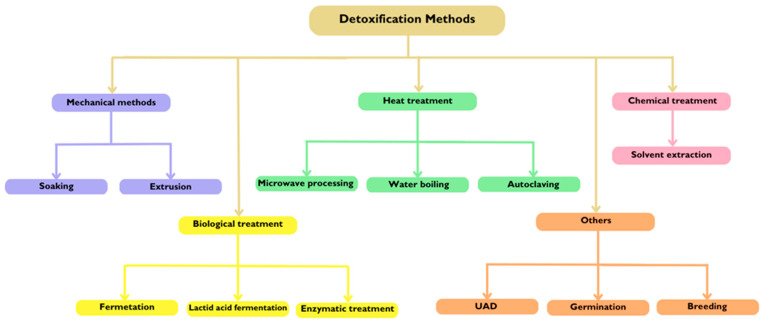
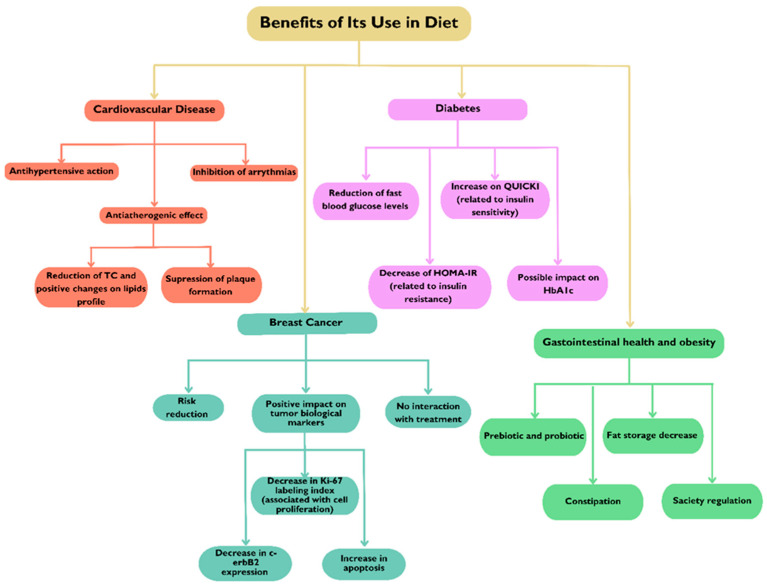
Flaxseeds, which have been consumed for thousands of years, have recently gained increasing popularity due to their rich composition, including omega-3 fatty acids, lignans, proteins, and fibers. These components are strongly associated with various health benefits, such as improving cardiovascular health, preventing certain types of cancer, controlling diabetes, promoting gastro-intestinal well-being, and aiding in weight management. This monograph explores the role of flaxseeds in nutrition, as well as their potential risks. Despite their numerous health benefits, flaxseeds also represent concerns due to excessive consumption and possible contamination, particularly from cyanogenic glycosides. Therefore, the levels of these compounds must be controlled, and this monograph also analyzes the available methods to detect and reduce these contaminants, ensuring the safety of flaxseed and flaxseed products consumers. Flaxseed is considered a valuable addition when incorporated into the diet, but it is necessary to continue research and promote technological improvements to maximize their benefits and minimize their risks.
亚麻籽已被食用了数千年,近年来因其丰富的成分而越来越受欢迎,这些成分包括omega-3脂肪酸、木脂素、蛋白质和纤维。这些成分与多种健康益处密切相关,如改善心血管健康、预防某些类型的癌症、控制糖尿病、促进胃肠道健康以及辅助体重管理。本专著探讨了亚麻籽在营养方面的作用及其潜在风险。尽管亚麻籽有诸多健康益处,但由于过量食用和可能的污染,尤其是来自氰苷的污染,它们也存在问题。因此,必须控制这些化合物的含量,本专著还分析了检测和减少这些污染物的可用方法,以确保亚麻籽和亚麻籽产品消费者的安全。亚麻籽被认为是饮食中的一种有价值的添加物,但有必要继续开展研究并推动技术改进,以最大限度地发挥其益处并将风险降至最低。