Wu Anbiao, Yang Guang, Liu Genyu, Zhang Jiyan
Beijing Institute of Basic Medical Sciences, Beijing, China.
Cell Death Dis. 2025 Apr 2;16(1):237. doi: 10.1038/s41419-025-07542-y.
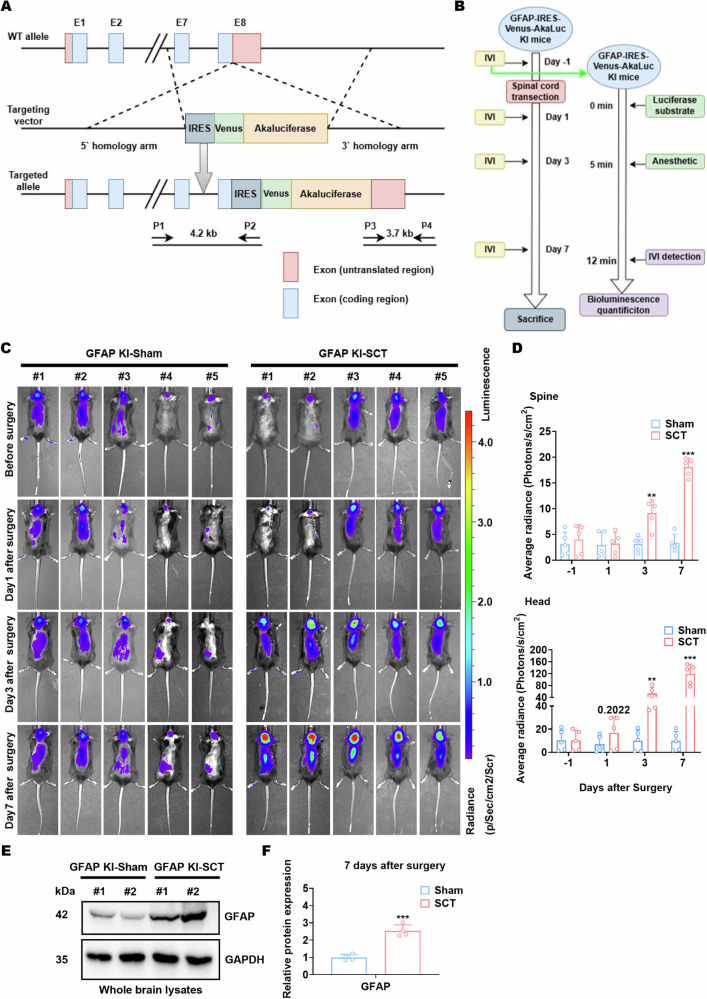
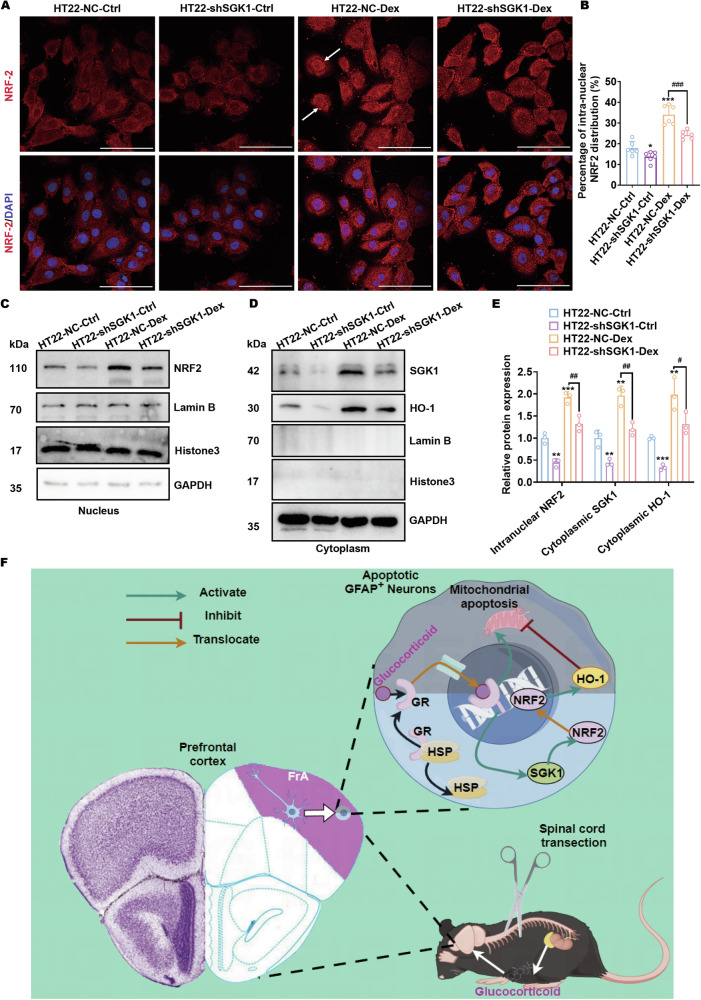
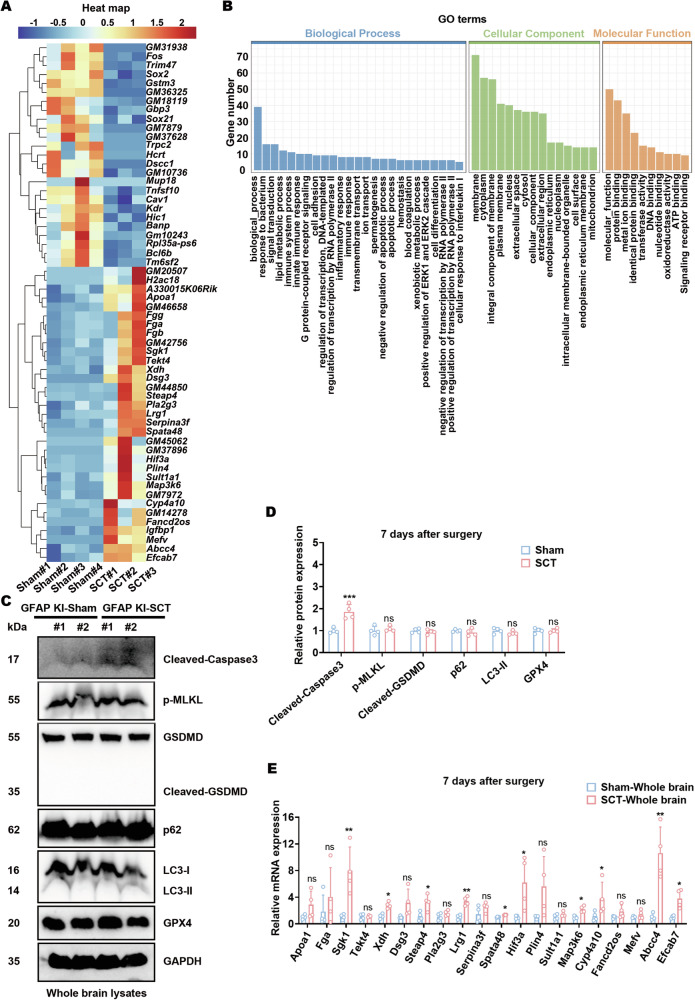
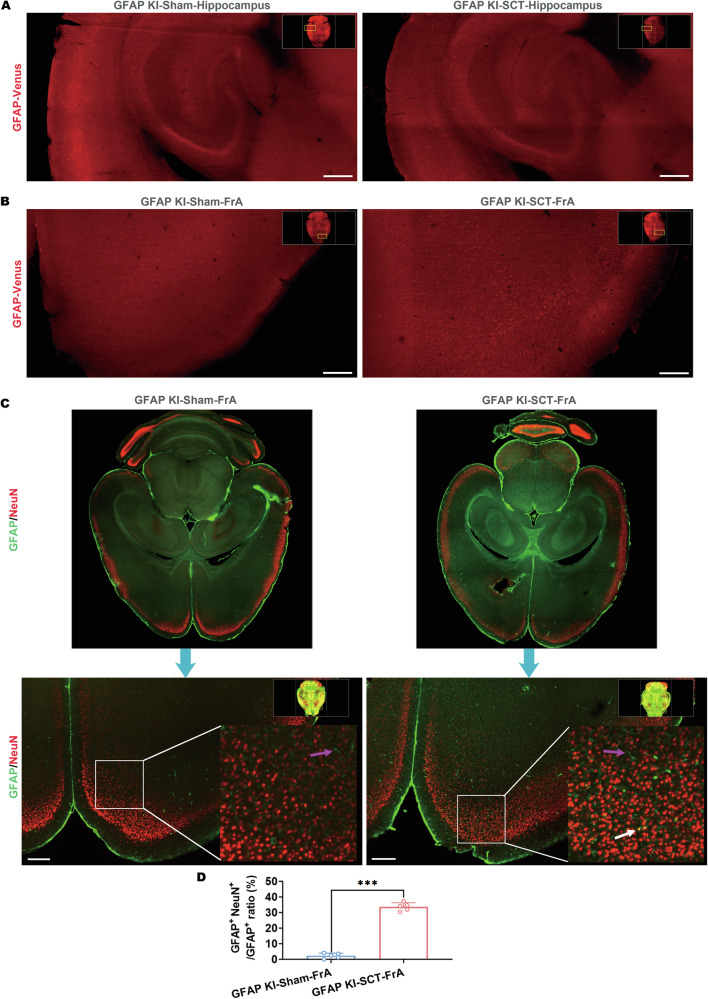
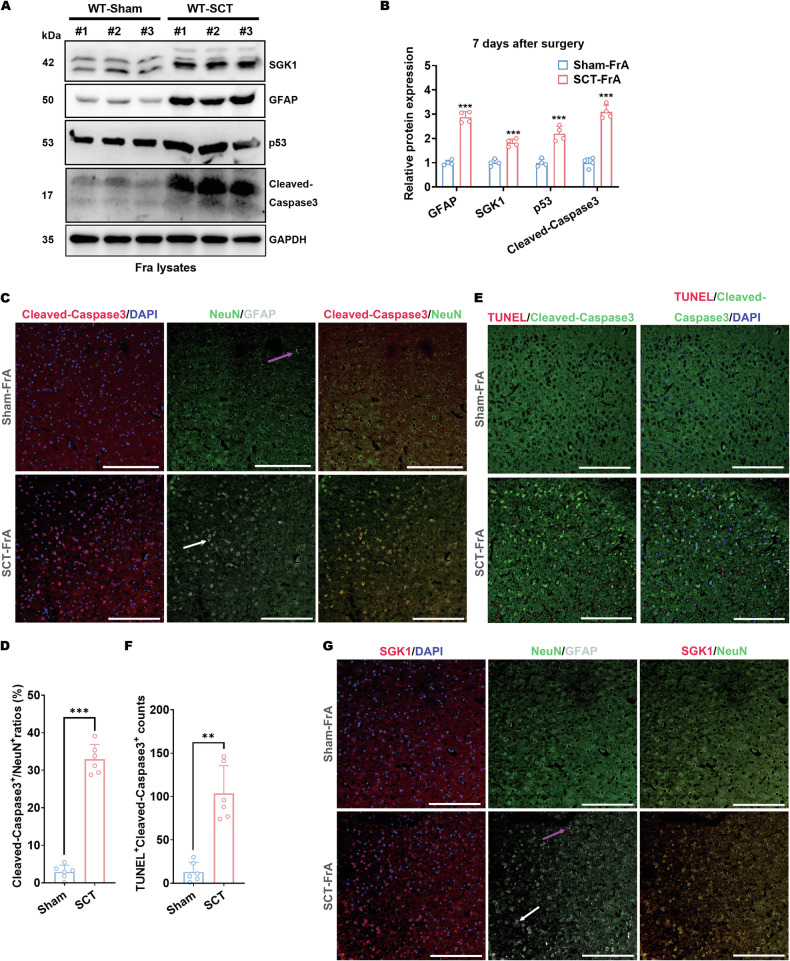
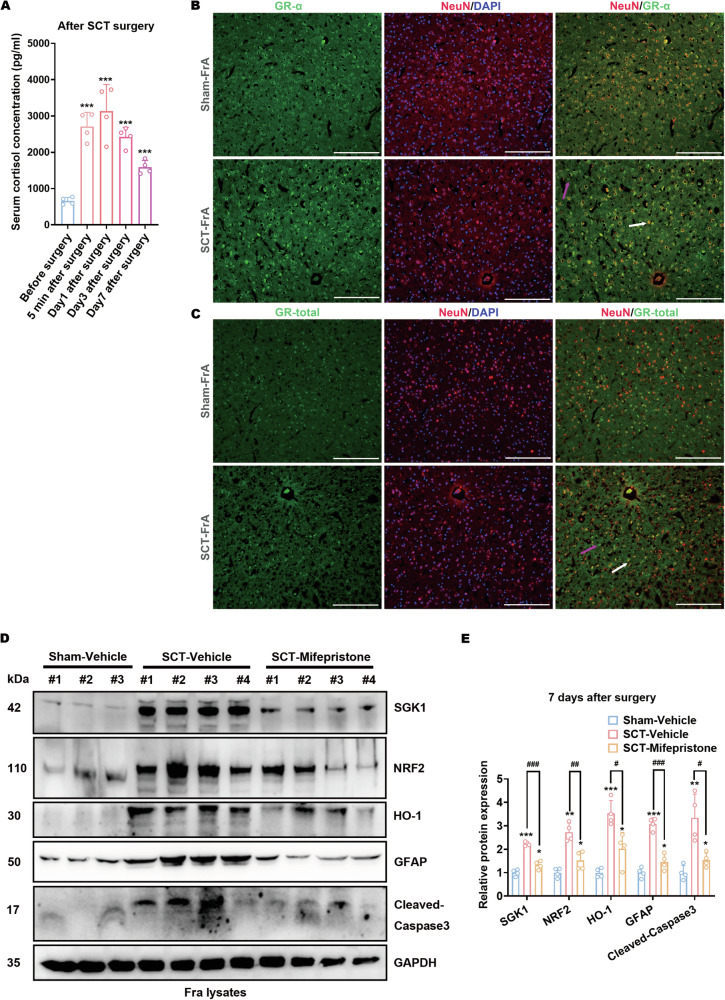
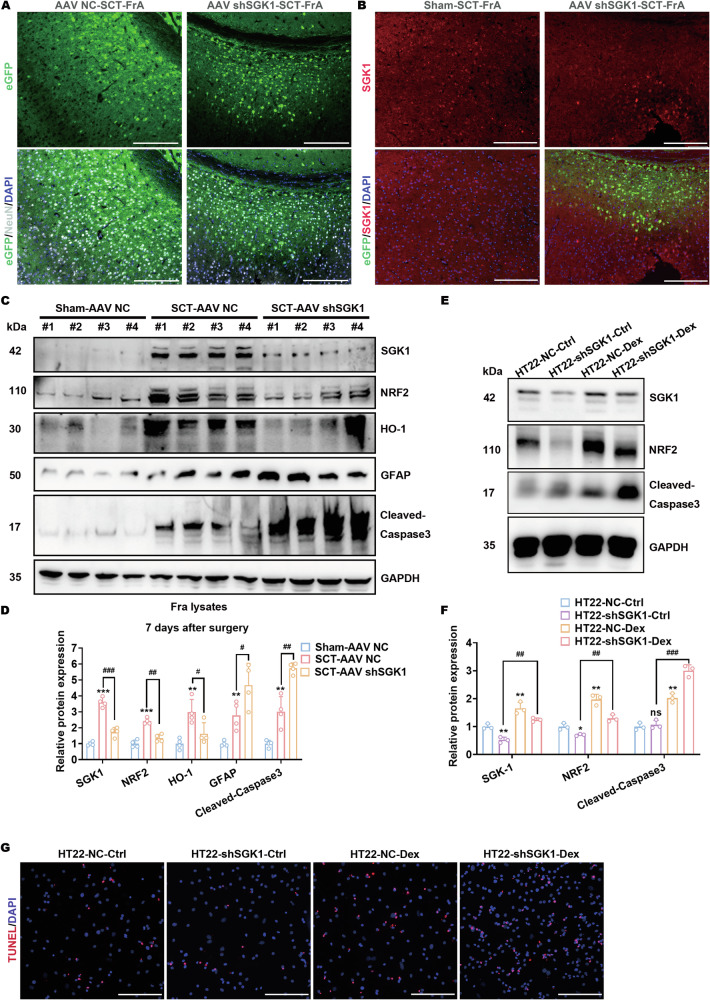
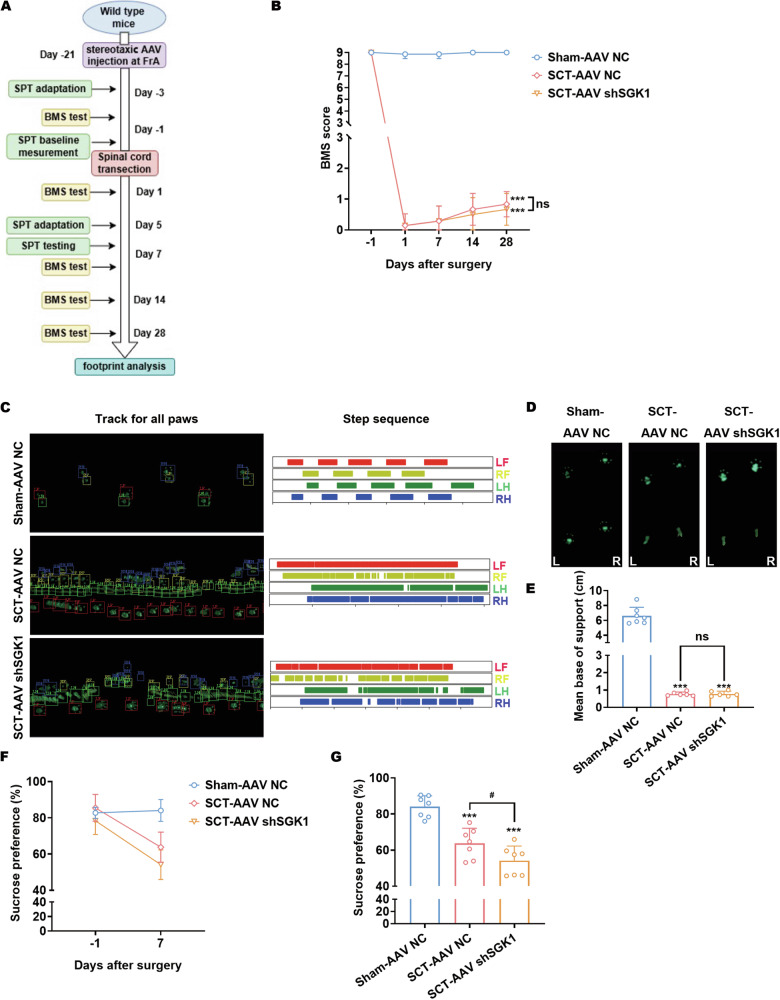
Spinal cord injury (SCI) casts devastating and long-lasting impacts on the well-being of patients. Cognitive deficits and emotional disorders are common in individuals with SCI, yet the underlying mechanisms are not completely understood. Astrogliosis and glial scar formation occur during the subacute phase post-injury, playing complicated roles in remyelination and neurite regrowth. Therefore, we constructed a GFAP-IRES-Venus-AkaLuc knock-in mouse model for the corresponding studies. Surprisingly, complete spinal cord transection (SCT) surgery led to earlier and more prominent augmentation of bioluminescence in the brain than in the spinal cord. Bulk RNA sequencing revealed the activation of apoptotic signaling and the upregulation of serum and glucocorticoid-regulated kinase 1 (SGK1). The pattern of GFAP signals changed throughout the brain after SCT, as indicated by tissue clearing and immunostaining. Specifically, GFAP signals were intensified in the frontal association cortex (FrA), an encephalic region involved in associative learning and recognition memory processes. Further exploration unraveled that intensified GFAP signals in the FrA were attributed to apoptotic neurons with SGK1 upregulation, which was induced by sustained high glucocorticoid levels after SCT. The introduction of SGK1 silencing vectors confirmed that SGK upregulation in these FrA neurons exerted anti-apoptotic effects through NRF2/HO-1 signaling. In addition, SGK1 knockdown in FrA neurons aggravated the post-SCI depressive-like behaviors. Thus, ectopic SGK1 expression designated for limbic neurons could serve as a promising therapeutic target for the future development of treatments for spinal cord injuries.
脊髓损伤(SCI)对患者的健康造成毁灭性且持久的影响。认知缺陷和情绪障碍在脊髓损伤患者中很常见,但其潜在机制尚未完全明确。损伤后亚急性期会发生星形胶质细胞增生和胶质瘢痕形成,在髓鞘再生和神经突再生中发挥复杂作用。因此,我们构建了GFAP-IRES-Venus-AkaLuc基因敲入小鼠模型用于相应研究。令人惊讶的是,完全脊髓横断(SCT)手术导致大脑中生物发光的增强比脊髓中更早且更显著。批量RNA测序揭示了凋亡信号的激活以及血清和糖皮质激素调节激酶1(SGK1)的上调。组织透明化和免疫染色显示,SCT后整个大脑中GFAP信号的模式发生了变化。具体而言,额叶联合皮质(FrA)中的GFAP信号增强,FrA是一个参与联想学习和识别记忆过程的脑区。进一步研究发现,FrA中增强的GFAP信号归因于SGK1上调的凋亡神经元,这是由SCT后持续高糖皮质激素水平诱导的。引入SGK1沉默载体证实,这些FrA神经元中SGK的上调通过NRF2/HO-1信号发挥抗凋亡作用。此外,FrA神经元中SGK1的敲低加剧了脊髓损伤后的抑郁样行为。因此,针对边缘神经元的异位SGK1表达有望成为未来脊髓损伤治疗发展的有前景的治疗靶点。