Rhamttallah Maha, Mahmoud Abubakr, Mohamedelnour Eltoum, Magzoub Hamid, Altayib Lina S
Faculty of medicine, University of Khartoum, Khartoum, Sudan.
BMC Prim Care. 2025 Apr 11;26(1):104. doi: 10.1186/s12875-025-02812-2.
Hypertension is a global health issue, particularly in low- and middle-income countries. Effective management requires medication adherence, which is often compromised in conflict zones such as Sudan. This study examines the relationship between patients' knowledge of hypertension and their adherence to antihypertensive therapy in Sudan amidst ongoing conflict.
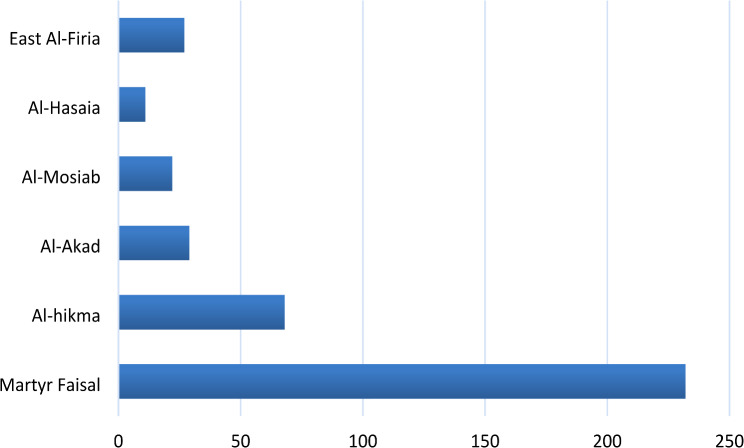
A cross-sectional study conducted across six primary healthcare centers in Al-Dammer, Sudan, included 389 hypertensive patients selected through convenience sampling. Data were collected using face-to-face questionnaire that assessed sociodemographics, medication adherence (GMAS), and hypertension knowledge (HKT). Analyses were conducted in SPSS, with percentages for categorical data, means ± SD for continuous data, and nonparametric tests (Shapiro-Wilk, Kruskal-Wallis) for non-normal distributions.
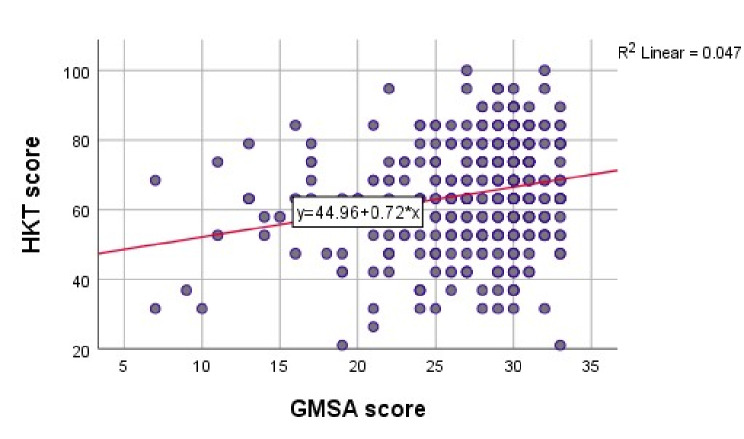
Most participants were female (63%), and 43.7% were over 60 years old. Knowledge levels were categorized as average (57.8%), high (25.2%), and low (17%). Adherence rates were as follows: 1% poor, 2.8% low, 22.6% partial, 26.5% good, and 47% high. A positive correlation was found between knowledge and adherence (r = 0.47, p < 0.001). Major barriers to adherence included affordability (43.4%) and unavailability of medications (36.2%). While 82.3% of participants had a history of controlled hypertension, only 58.4% remained controlled at their most recent measurement, with 41.6% presenting uncontrolled blood pressure, highlighting challenges in sustained hypertension management. Improved adherence was associated with higher income, better education, and controlled blood pressure.
Higher hypertension knowledge was significantly associated with better adherence and improved blood pressure control. However, sustained control remains a challenge, as 41.6% of participants had uncontrolled hypertension at their last measurement. Addressing economic barriers and medication shortages through targeted interventions is essential for improving long-term hypertension management in conflict settings.
高血压是一个全球性的健康问题,在低收入和中等收入国家尤为突出。有效的管理需要患者坚持服药,而在苏丹等冲突地区,这一点常常难以做到。本研究探讨了在苏丹持续冲突的背景下,患者对高血压的认知与他们坚持抗高血压治疗之间的关系。
在苏丹达默的六个初级医疗保健中心进行了一项横断面研究,通过便利抽样选取了389名高血压患者。使用面对面问卷调查收集数据,该问卷评估了社会人口统计学、药物依从性(GMAS)和高血压知识(HKT)。在SPSS中进行分析,分类数据采用百分比表示,连续数据采用均值±标准差表示,非正态分布数据采用非参数检验(Shapiro-Wilk检验、Kruskal-Wallis检验)。
大多数参与者为女性(63%),43.7%的参与者年龄超过60岁。知识水平分为平均水平(57.8%)、高水平(25.2%)和低水平(17%)。依从率如下:差(1%)、低(2.8%)、部分依从(22.6%)、良好(26.5%)和高(47%)。发现知识与依从性之间存在正相关(r = 0.47,p < 0.001)。依从性的主要障碍包括费用负担(43.4%)和药物供应不足(36.2%)。虽然82.3%的参与者有高血压得到控制的病史,但在最近一次测量时,只有58.4%的人血压仍得到控制,41.6%的人血压未得到控制,这凸显了持续高血压管理中的挑战。依从性的提高与更高的收入、更好的教育和血压得到控制有关。
较高的高血压知识水平与更好的依从性和血压控制改善显著相关。然而,持续控制仍然是一个挑战,因为41.6%的参与者在最后一次测量时血压未得到控制。通过有针对性的干预措施解决经济障碍和药物短缺问题,对于改善冲突地区的长期高血压管理至关重要。