Windsor Coleton, Kreynes Anna E, Chilton Jeff S, Chioffi William A, Krishnamurthy Arun, Ishii Melissa
North American Reishi, Ltd. D.ba Nammex, Box 1780, Gibsons, BC V0N 1V0, Canada.
Purity-IQ, Purity-IQ Inc., Suite 102, 150-Research Lane, Guelph, ON N1G 4T2, Canada.
Int J Mol Sci. 2025 Mar 25;26(7):2970. doi: 10.3390/ijms26072970.
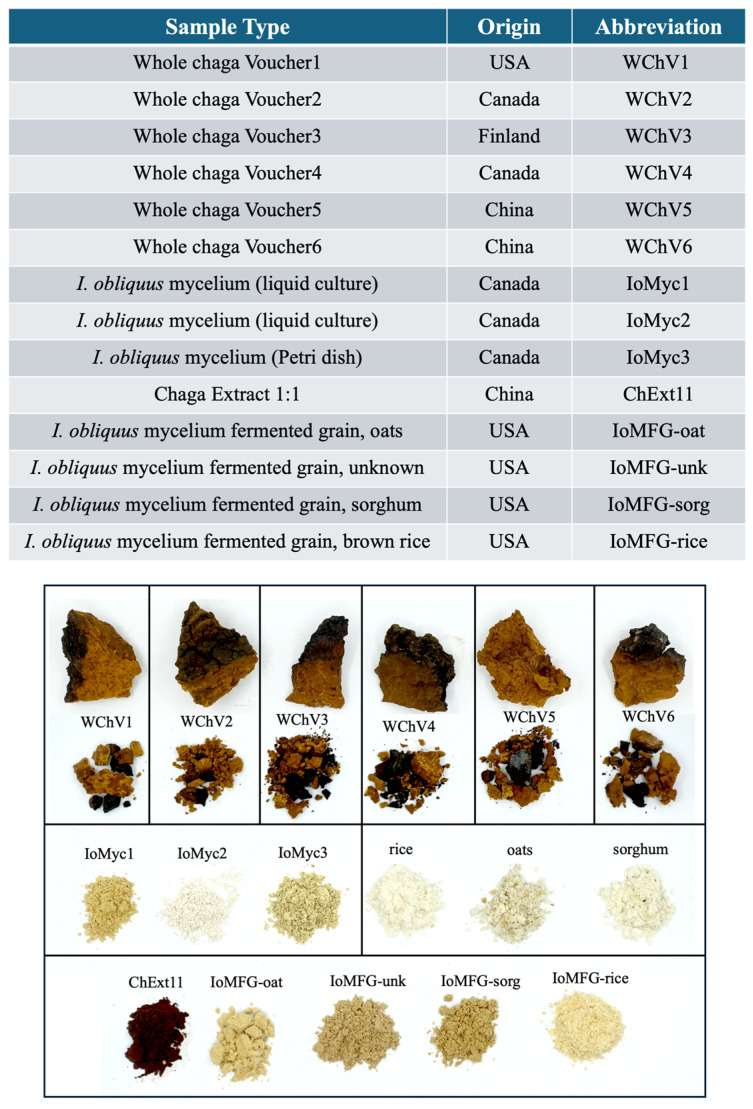
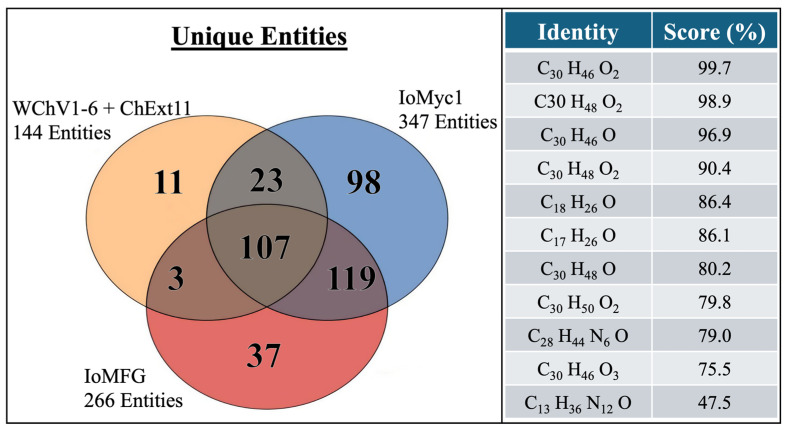
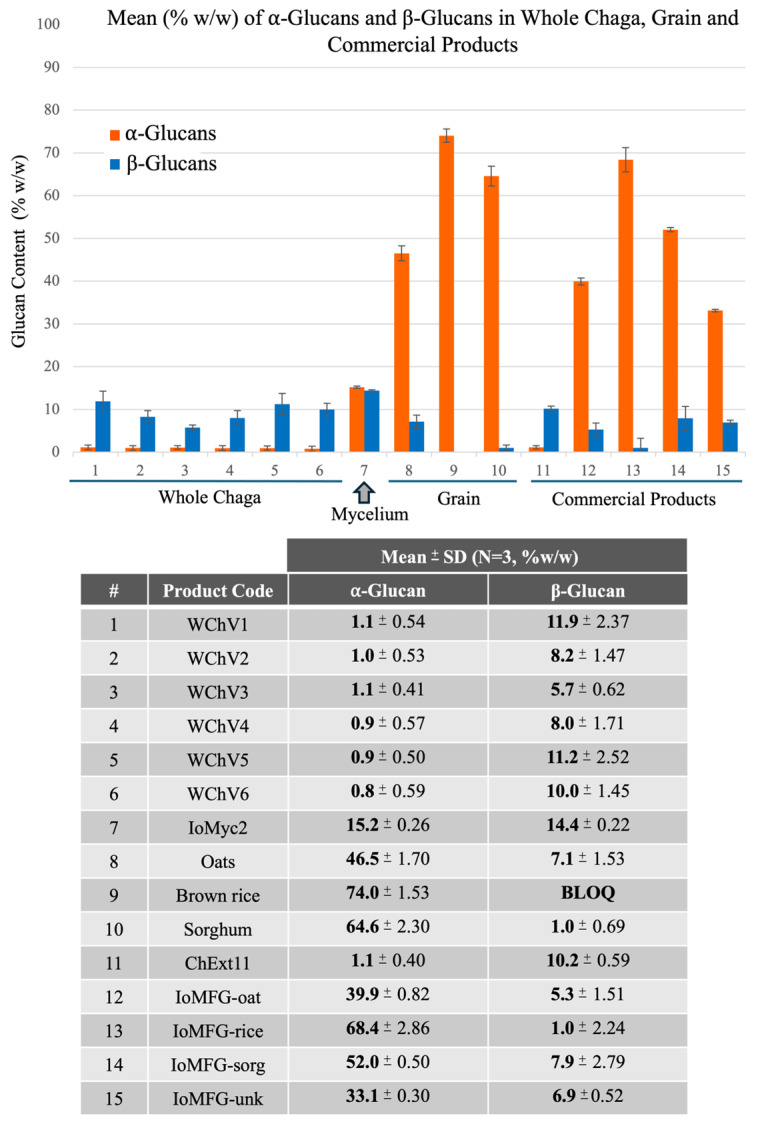
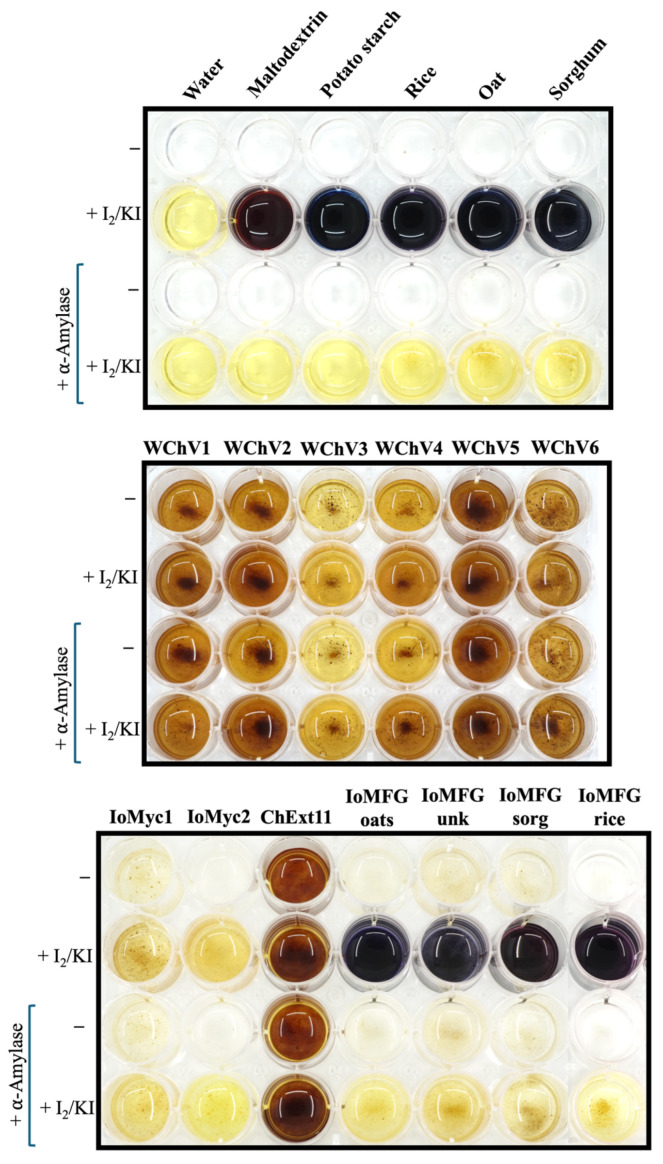
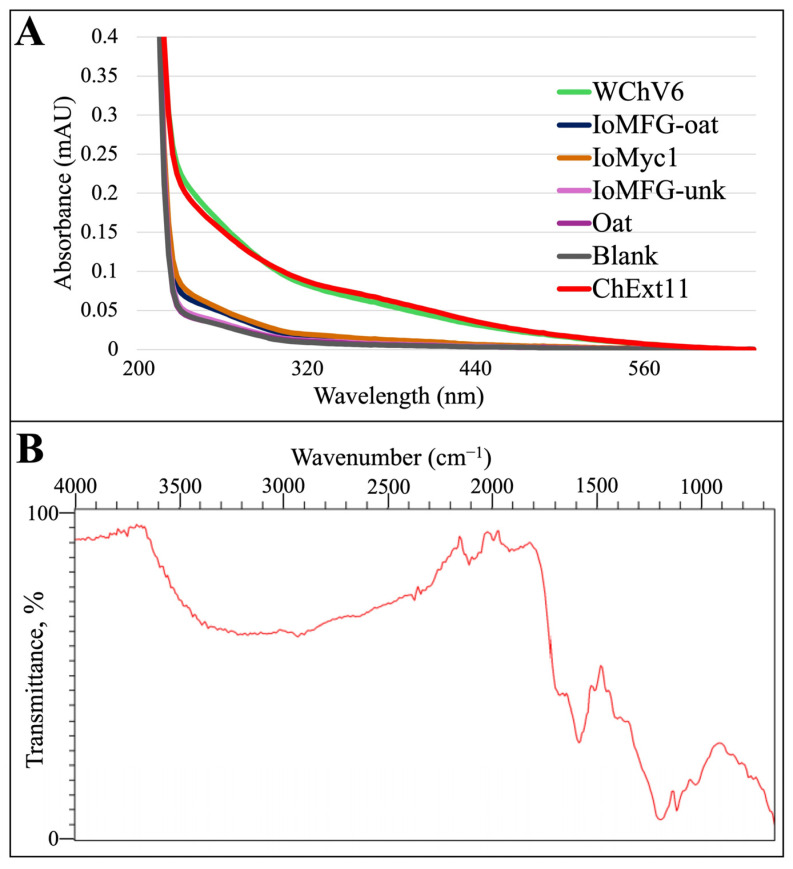
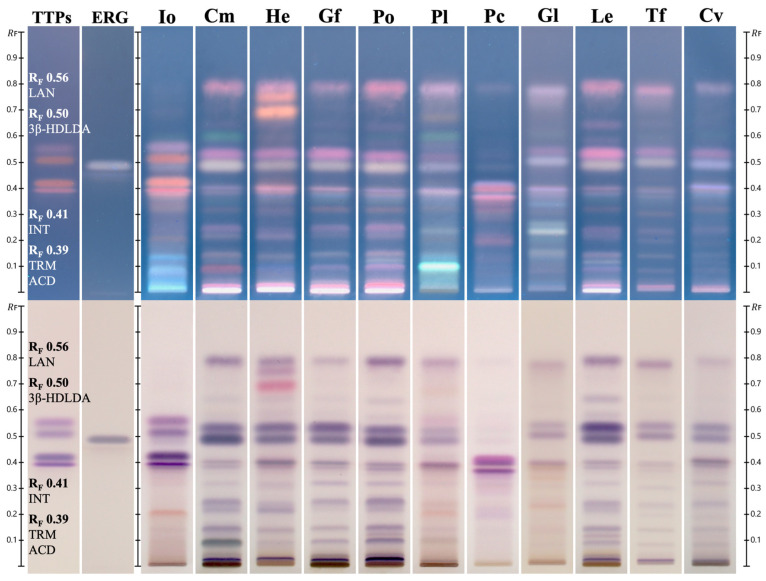
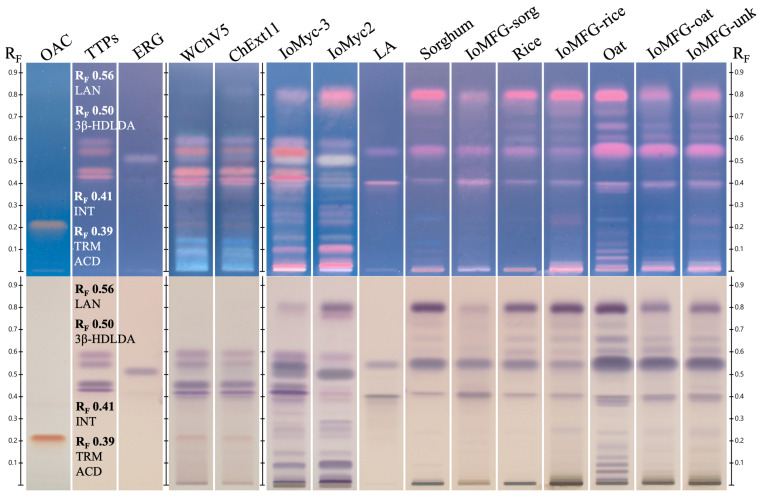
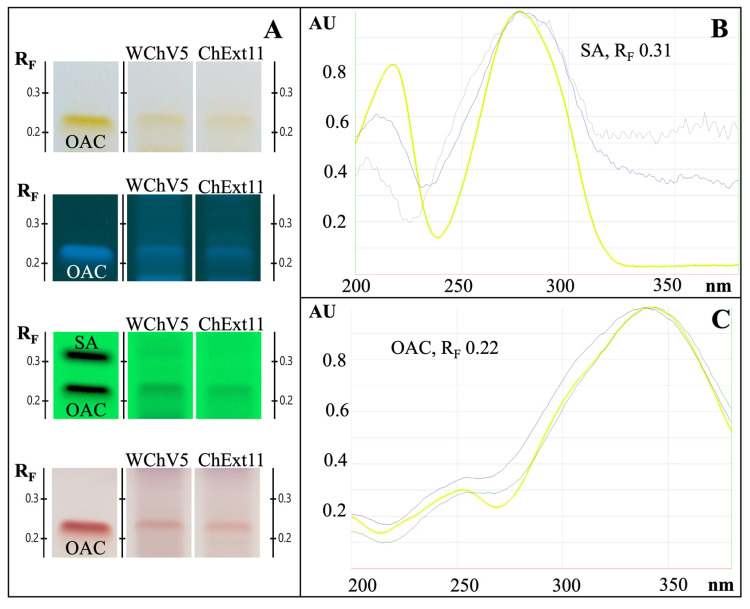
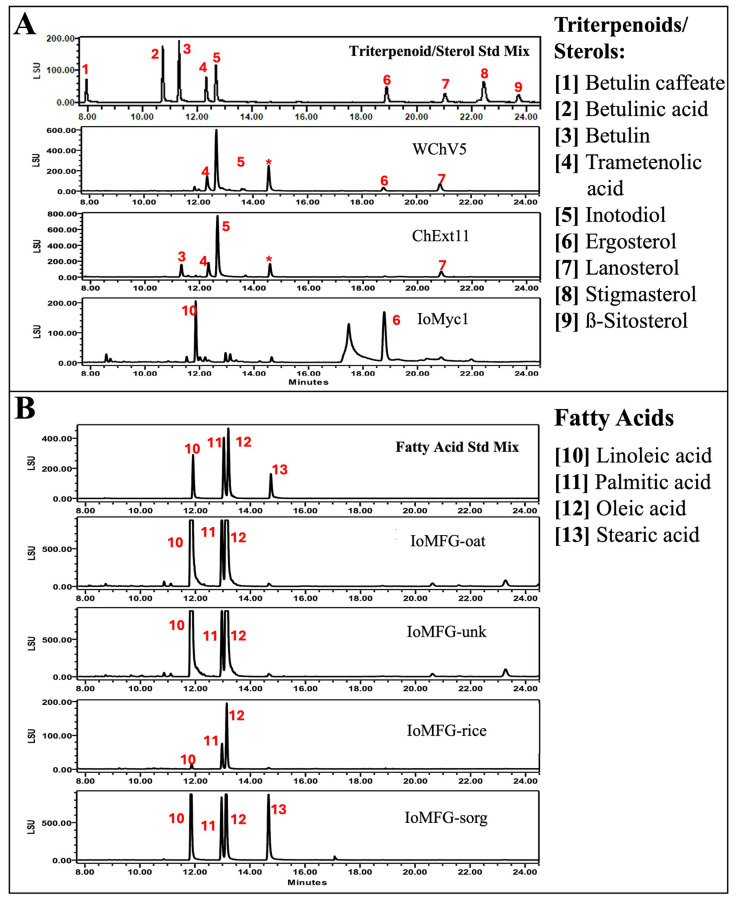
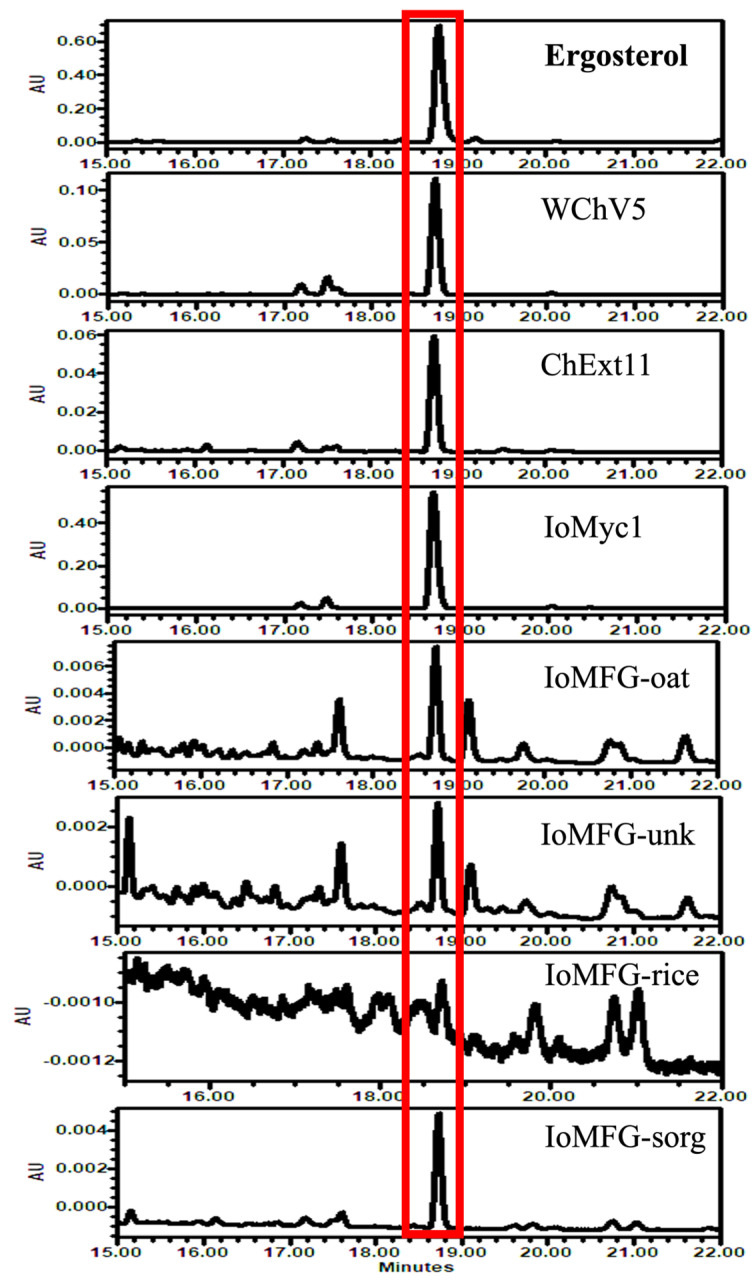
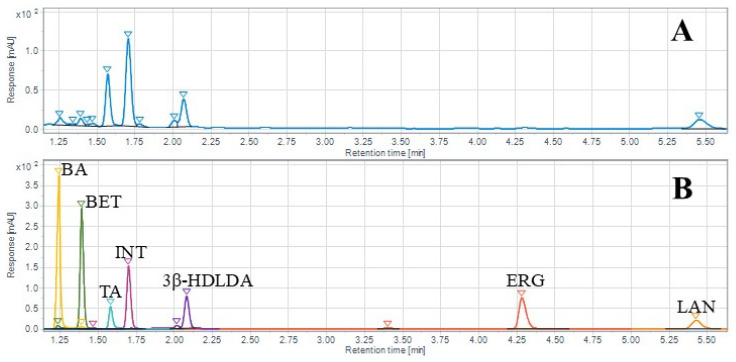
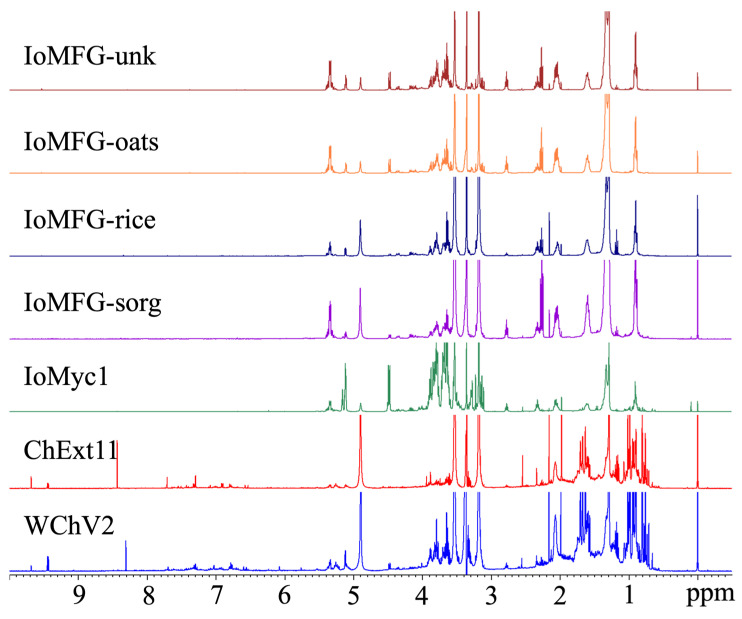
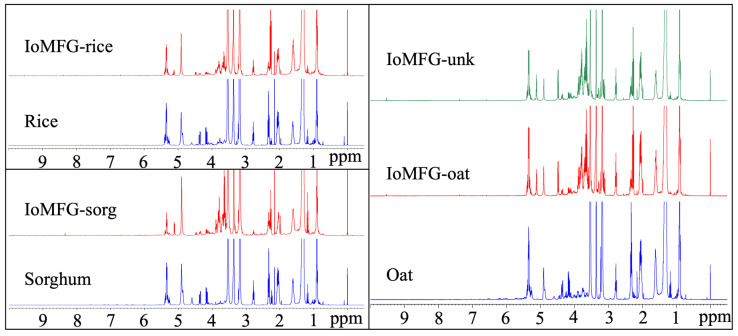
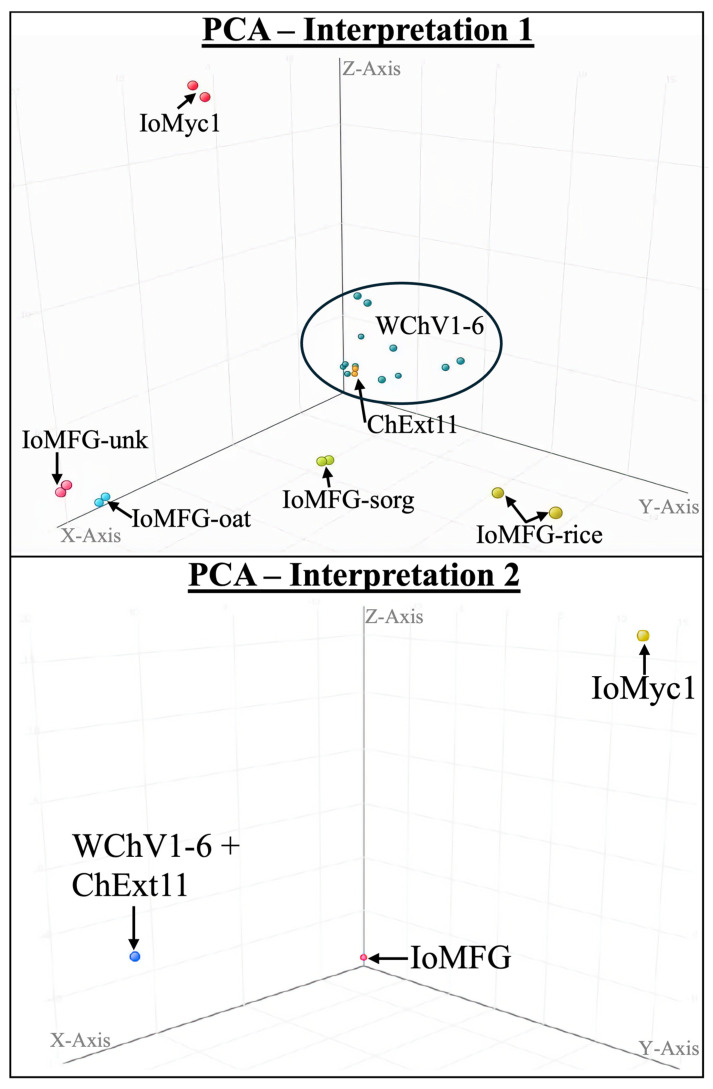
Chaga () is an increasingly used natural product in botanical dietary supplements, valued for its bioactive compounds. However, inconsistent standardized analytical methods raise concerns over product authenticity, mislabeling, and quality control. This study employs a multi-analytical approach to differentiate wildcrafted chaga canker from North American chaga dietary supplements, particularly those containing mycelia fermented grain products. High-Performance Thin-Layer Chromatography (HPTLC), Liquid Chromatography with Evaporative Light Scattering Detection (LC-ELSD) or Photo/Diode Array Detection (LC-PDA/DAD), Liquid Chromatography-Quadrupole Time-of-Flight Mass Spectrometry (LC-QToF-MS), Nuclear Magnetic Resonance (NMR) spectroscopy, UV-Vis spectrophotometry, and iodine-starch assays were used to evaluate key markers, including triterpenoids, polysaccharides, and melanin. Whole chaga canker contained triterpenoids (inotodiol, trametenolic acid) and phenolics, like osmundacetone, while melanin absorbance at 500 nm differentiated it from fermented grain products. β-Glucan quantification and iodine-starch assays confirmed starch-rich composition in fermented grains and its absence in authentic chaga canker. NMR fingerprinting and LC-QToF-MS metabolomics demonstrated stark compositional deviations between wildcrafted chaga canker, mycelium, and fermented grain products. By integrating complementary techniques, we establish a framework that can reliably distinguish genuine chaga canker from misrepresented products, ensuring consumer safety and fostering trust in the functional mushroom, canker, and mycelium markets.
桦褐孔菌(Chaga)是一种在植物性膳食补充剂中使用越来越广泛的天然产品,因其生物活性化合物而受到重视。然而,标准化分析方法的不一致引发了对产品真实性、标签错误和质量控制的担忧。本研究采用多分析方法来区分北美野生桦褐孔菌溃疡和桦褐孔菌膳食补充剂,特别是那些含有菌丝体发酵谷物产品的补充剂。使用高效薄层色谱法(HPTLC)、带蒸发光散射检测的液相色谱法(LC - ELSD)或光电二极管阵列检测法(LC - PDA/DAD)、液相色谱 - 四极杆飞行时间质谱法(LC - QToF - MS)、核磁共振(NMR)光谱法、紫外可见分光光度法和碘 - 淀粉测定法来评估关键标志物,包括三萜类化合物、多糖和黑色素。完整的桦褐孔菌溃疡含有三萜类化合物(桦褐孔菌醇、栓菌酸)和酚类物质,如蕨素丙酮,而在500nm处的黑色素吸光度将其与发酵谷物产品区分开来。β - 葡聚糖定量和碘 - 淀粉测定证实了发酵谷物中富含淀粉的成分,而正宗的桦褐孔菌溃疡中不存在这种成分。NMR指纹图谱和LC - QToF - MS代谢组学表明,野生桦褐孔菌溃疡、菌丝体和发酵谷物产品之间存在明显的成分差异。通过整合互补技术,我们建立了一个框架,可以可靠地将真正的桦褐孔菌溃疡与虚假产品区分开来,确保消费者安全,并增强对功能性蘑菇、溃疡和菌丝体市场的信任。