Wei Jianbo, Huang Huayu, Fan Liangsheng
Department of Obstetrics and Gynecology, the First Affiliated Hospital of Guangzhou Medical University, Guangzhou, 510120, Guangdong, China.
Department of Dermatology, Tongji Hospital, Tongji Medical College, Huazhong University of Science and Technology, Wuhan, China.
Sci Rep. 2025 Apr 30;15(1):15189. doi: 10.1038/s41598-025-94259-9.
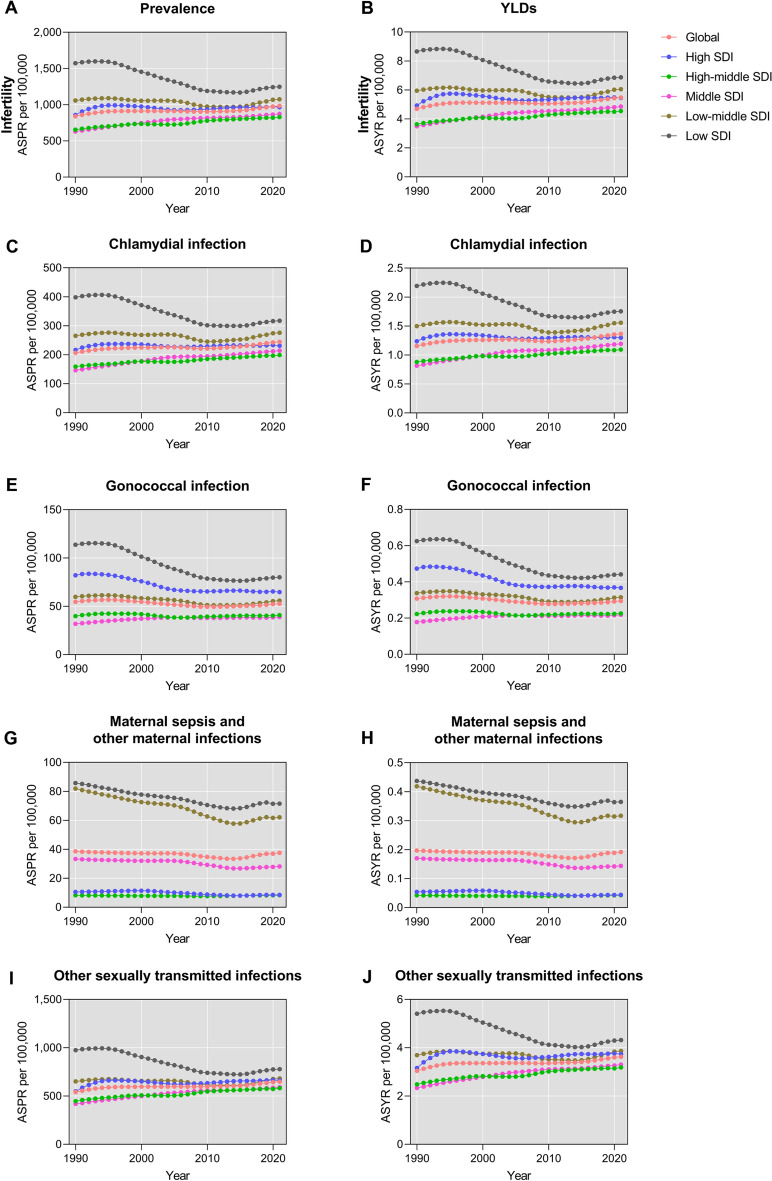
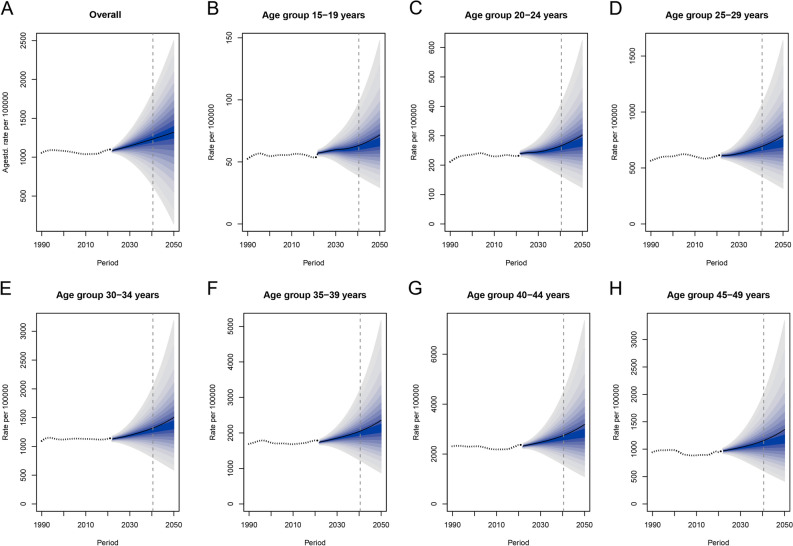
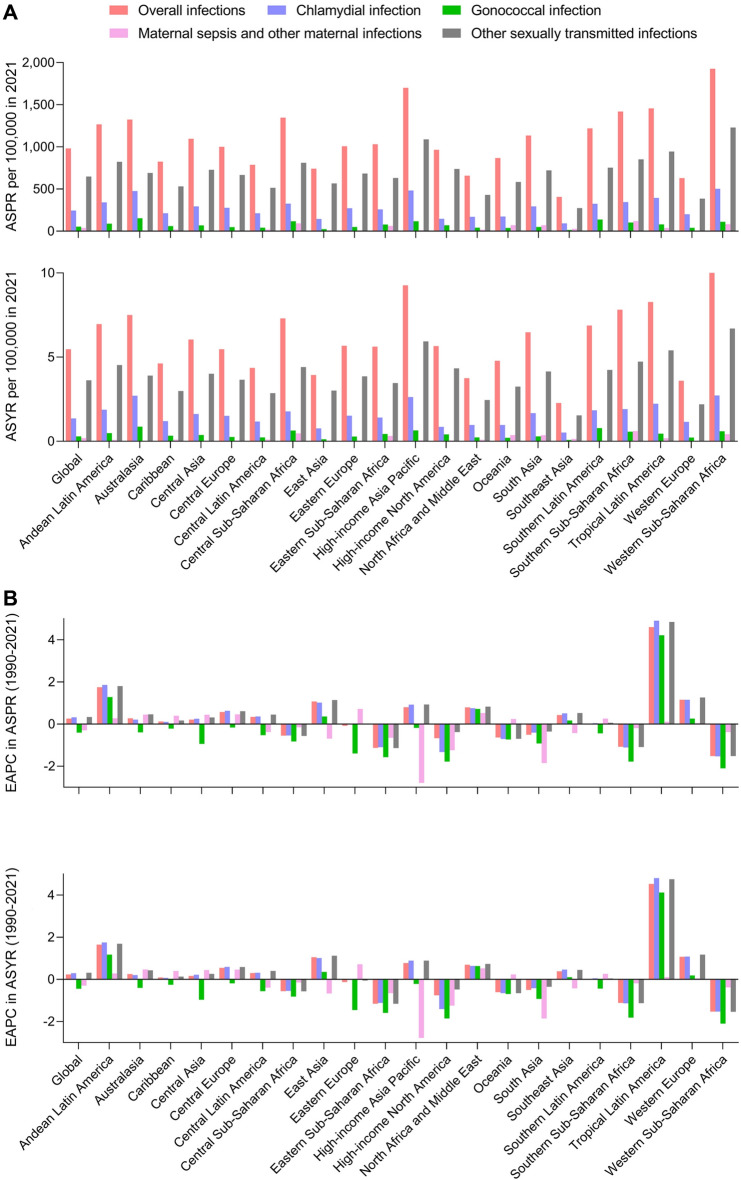
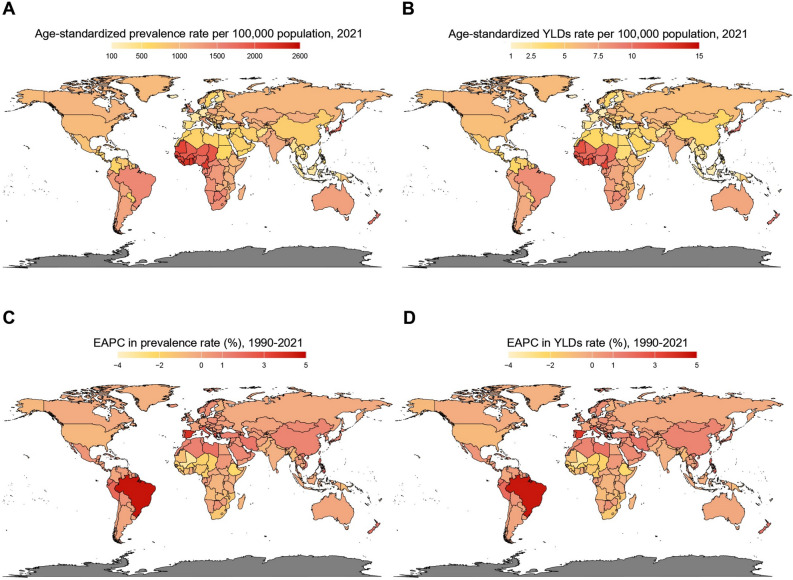
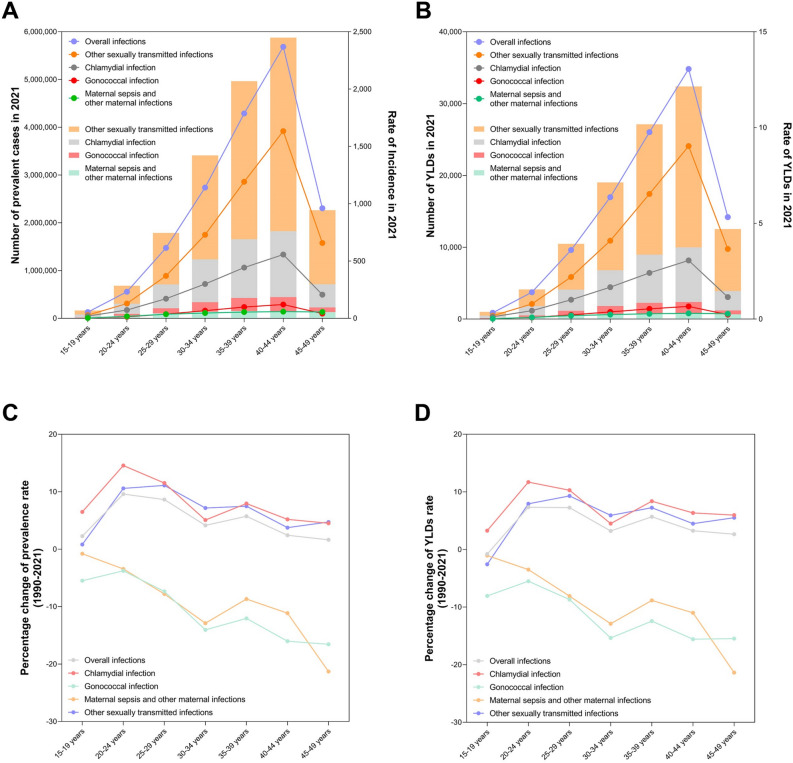
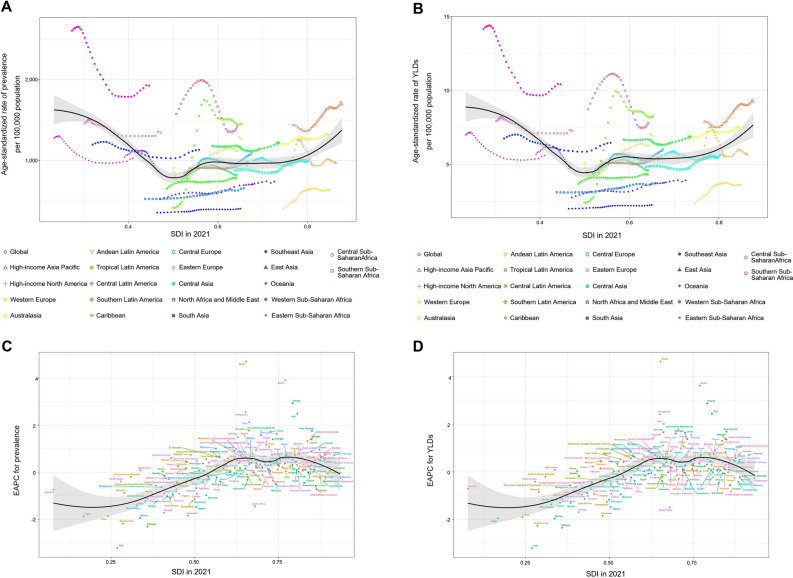
Infectious diseases, such as sexually transmitted infections (STIs) and maternal sepsis, are major contributors to female infertility, creating a substantial burden on women of reproductive age. Based on Global Burden of Disease (GBD) 2021, this study analyzed the global trends and regional disparities in infection-related infertility for women aged 15-49 and projected future burdens. Our result showed that from 1990 to 2021, global age-standardized prevalence rate (ASPR) rose from 839.52 to 982.37 per 100,000 with estimated annual percentage change (EAPC) (0.26 [0.19 to 0.33]), and years lived with disability (YLDs) increasing from 62.81 to 106.69 thousand (EAPC 0.23 [0.16 to 0.31]), and was predicted to continue rising from 2022 to 2050. The disease burden showed significant regional disparities, low socio-demographic index (SDI) regions had the highest ASPR (1247.25 per 100,000 [1085.17 to 1443.57]) but also the fastest decline (EAPC -1.17 [-1.34 to -0.99]), and Western Sub-Saharan Africa (ASPR 1,925.52 [1655.35 to 2241.71] per 100,000) are the regions with highest burden. The disease burden increased with age, peaking at 40-44 years, and was inversely associated with SDI. These findings provide essential insights for policymakers to develop targeted strategies to prevent and control infection-related infertility, particularly in low-SDI regions.
传染病,如性传播感染(STIs)和孕产妇败血症,是导致女性不孕的主要因素,给育龄女性带来了沉重负担。基于《2021年全球疾病负担》(GBD),本研究分析了15至49岁女性感染相关性不孕的全球趋势和地区差异,并预测了未来的负担。我们的结果显示,从1990年到2021年,全球年龄标准化患病率(ASPR)从每10万人839.52例上升至982.37例,估计年变化百分比(EAPC)为0.26(0.19至0.33),伤残调整生命年(YLDs)从6.281万例增加至10.669万例(EAPC 0.23 [0.16至0.31]),预计2022年至2050年将继续上升。疾病负担存在显著的地区差异,社会人口学指数(SDI)较低的地区ASPR最高(每10万人1247.25例[1085.17至1443.57例]),但下降速度也最快(EAPC -1.17 [-1.34至-0.99]),撒哈拉以南非洲西部地区(ASPR为每10万人1925.52例[1655.35至2241.71例])是负担最重的地区。疾病负担随年龄增长而增加,在40 - 44岁达到峰值,且与SDI呈负相关。这些发现为政策制定者制定针对性策略以预防和控制感染相关性不孕提供了重要见解,特别是在低SDI地区。