Sakuta Kohei, Ito Aori, Sassa-O'Brien Yukiko, Yoshida Tomohiro, Fukuhara Toshiyuki, Uematsu Seiji, Komatsu Ken, Moriyama Hiromitsu
Laboratory of Molecular and Cellular Biology, Graduate School of Agriculture, Tokyo University of Agriculture and Technology, Tokyo, Japan.
Laboratory of Veterinary Infectious Disease, Faculty of Agriculture, Tokyo University of Agriculture and Technology, Tokyo, Japan.
J Gen Virol. 2025 May;106(5). doi: 10.1099/jgv.0.002099.
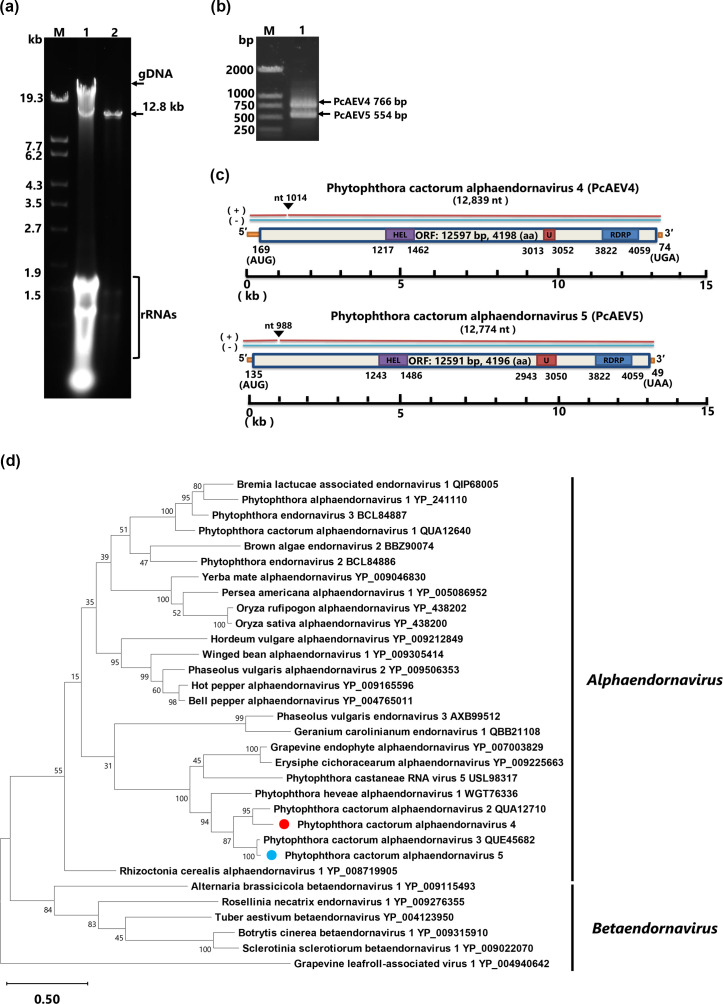
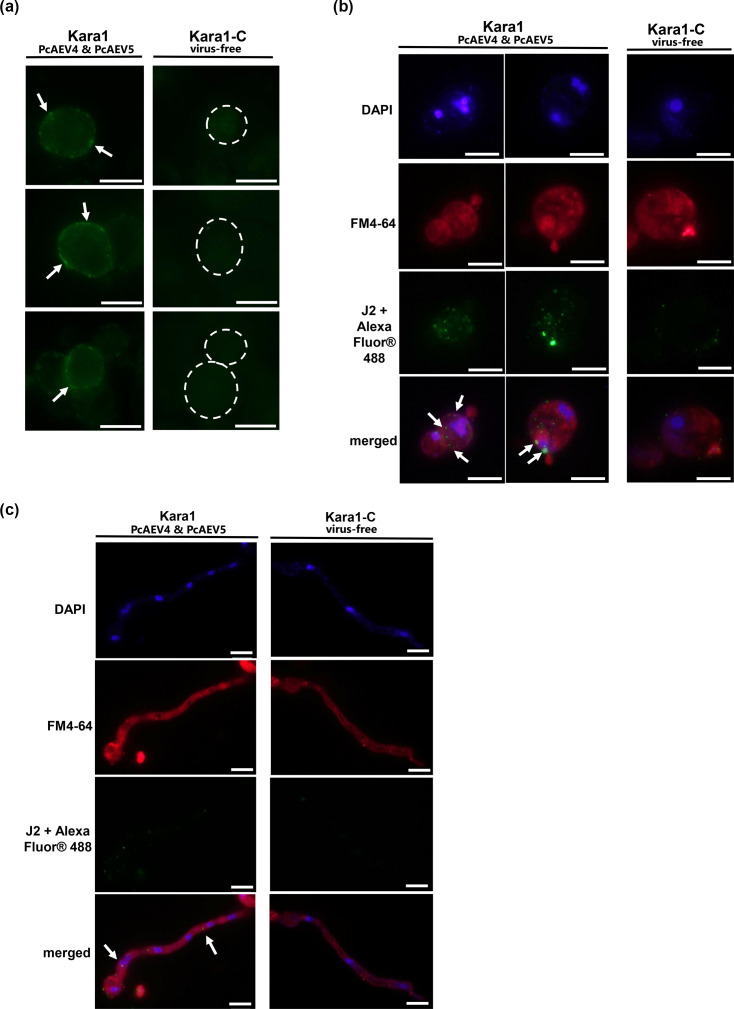
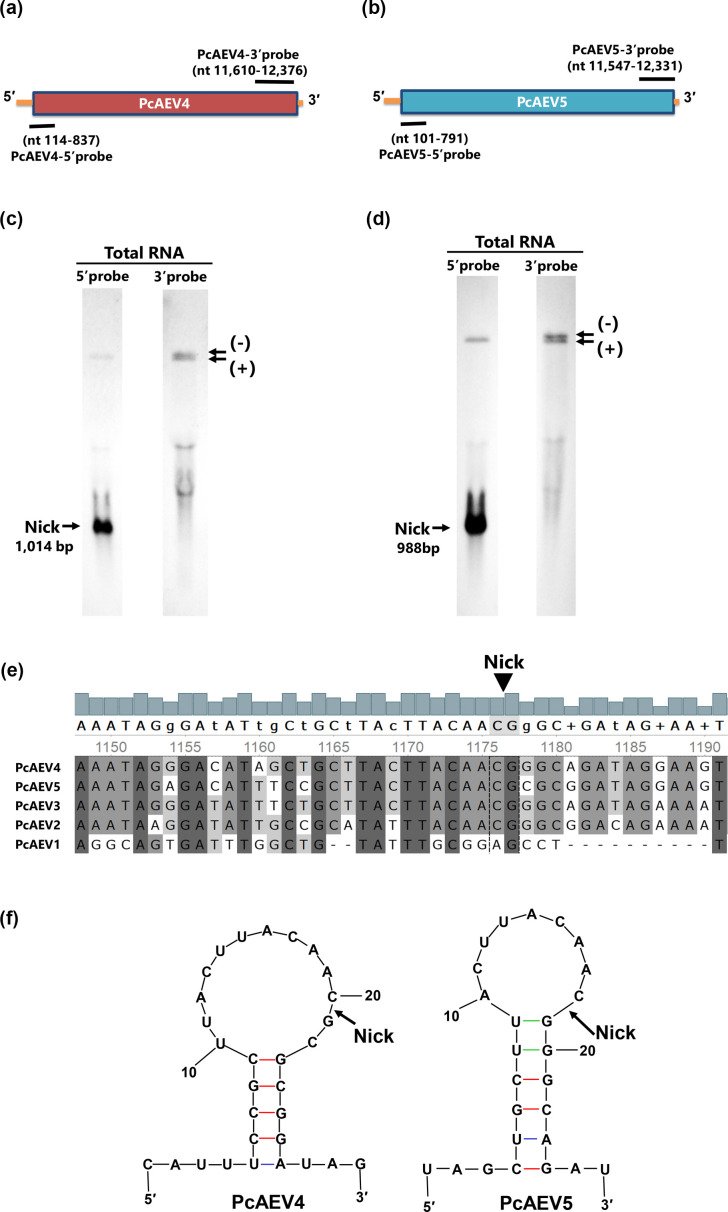
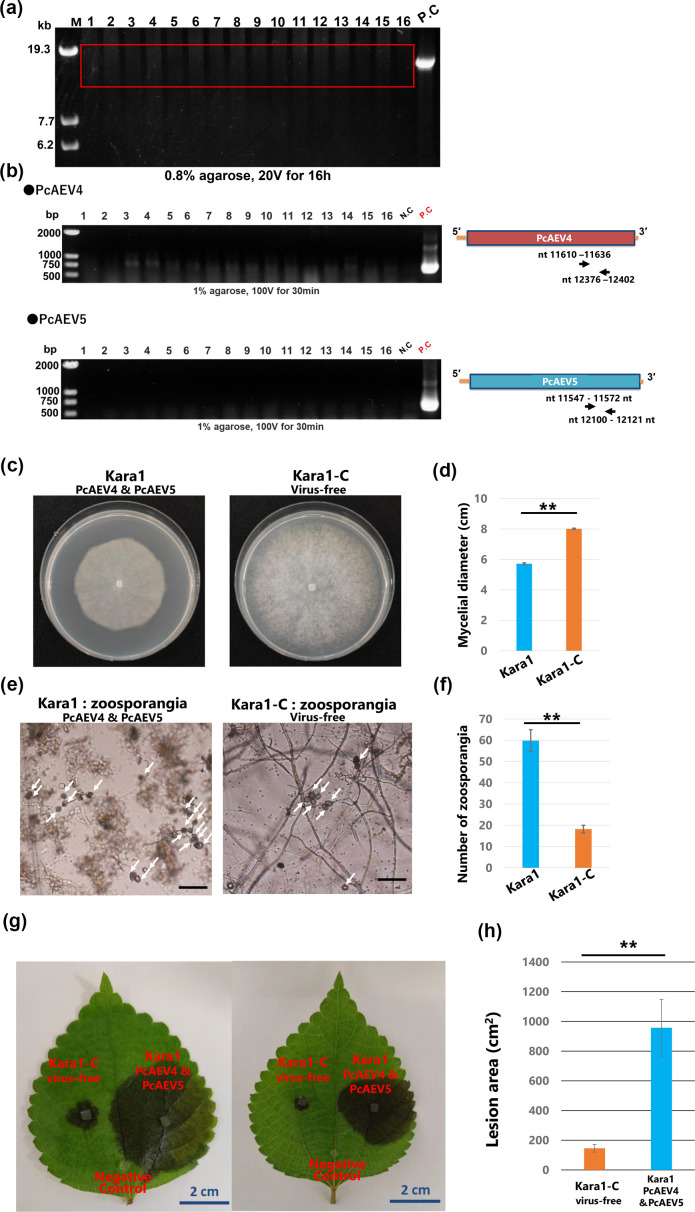
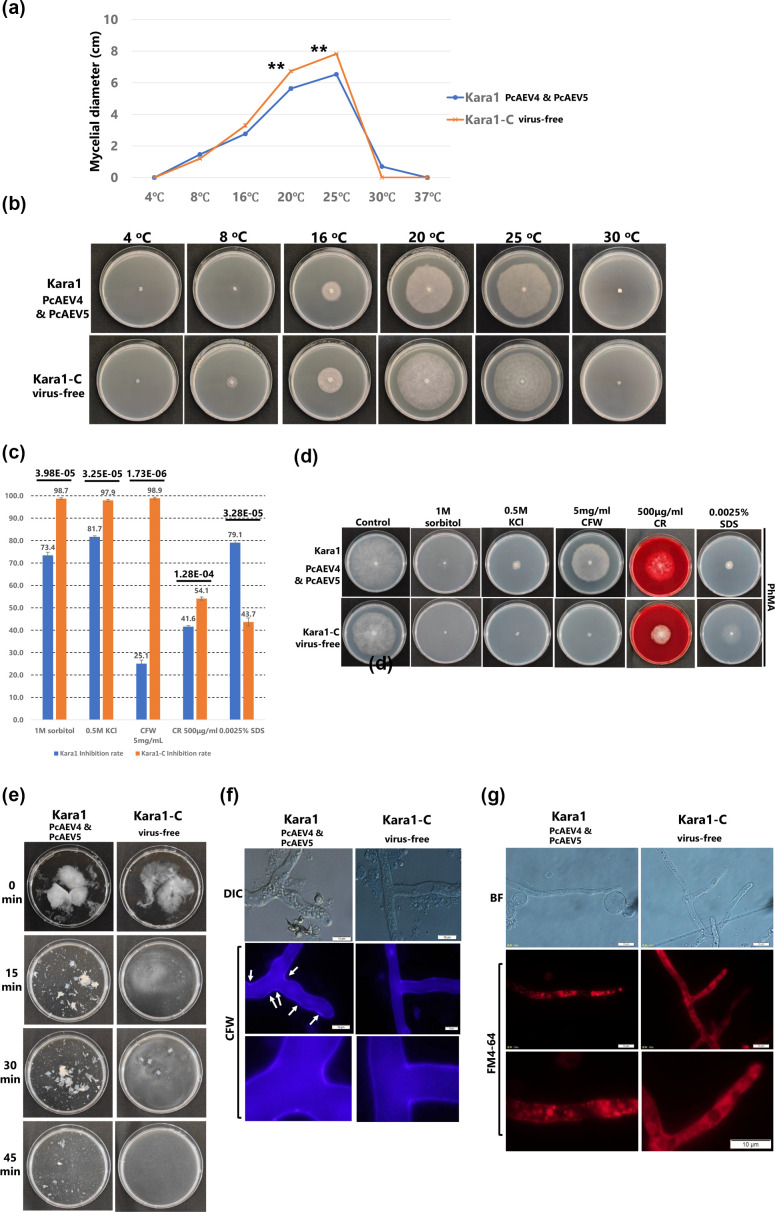
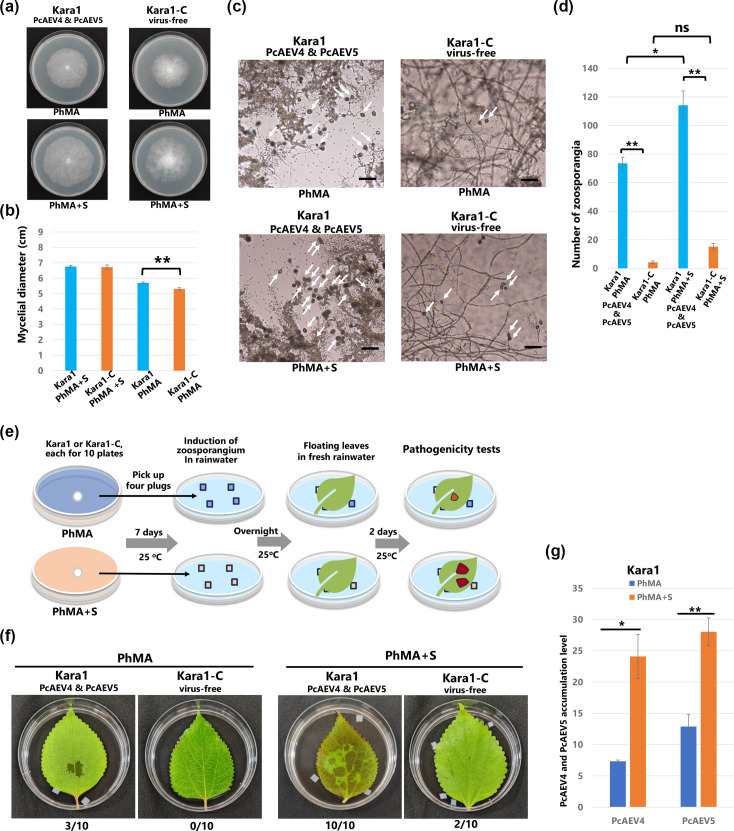
Two novel endornaviruses were found in isolated from black lesions on var. plants in a Japanese forest. These two endornaviruses were named Phytophthora cactorum alphaendornavirus 4 (PcAEV4) and Phytophthora cactorum alphaendornavirus 5 (PcAEV5) and have site-specific nick structures in their positive RNA strands, which are hallmarks of alphaendornaviruses. Ribavirin and cycloheximide treatment of the protoplasts effectively cured the host oomycete (strain Kara1) of the viruses. The resultant virus-free strain (Kara1-C) displayed abundant mycelial growth with less zoosporangia formation as compared to the Kara1 strain. Remarkably, the Kara1-C strain exhibited a reduced ability to form black lesions on leaves, suggesting that the presence of PcAEV4 and PcAEV5 in the Kara1 strain led to enhanced virulence in host plants. Under osmotic pressure and cell wall synthesis inhibition, the Kara1 strain exhibited less growth inhibition compared with the Kara1-C strain. In contrast, the Kara1 strain showed more growth inhibition in the presence of membrane-permeable surfactant compared with the Kara1-C strain, indicating that the two endornaviruses can alter the susceptibility of the host oomycete to abiotic stresses. Co-localization and cell fractionation analyses showed that PcAEV4 and PcAEV5 localized to intracellular membranes, particularly the endoplasmic reticulum membrane fraction. Furthermore, infection with these two endornaviruses was found to affect the host's response to exogenous sterols, which enhanced vegetative growth and zoosporangia formation, as well as virulence of the host oomycete. These results provide insights into the effects of endornavirus infection in spp. and also highlight the usefulness of protoplast-based methods in advancing virus studies.
在日本一片森林中,从 变种植物的黑色病斑中分离出了两种新型内病毒。这两种内病毒被命名为恶疫霉α内病毒4(PcAEV4)和恶疫霉α内病毒5(PcAEV5),它们的正链RNA具有位点特异性切口结构,这是α内病毒的特征。用利巴韦林和环己酰亚胺处理原生质体可有效治愈宿主卵菌(Kara1菌株)的病毒感染。与Kara1菌株相比,产生的无病毒菌株(Kara1-C)表现出丰富的菌丝生长且游动孢子囊形成较少。值得注意的是,Kara1-C菌株在叶片上形成黑色病斑的能力降低,这表明Kara1菌株中PcAEV4和PcAEV5的存在导致宿主植物毒力增强。在渗透压和细胞壁合成抑制条件下,与Kara1-C菌株相比,Kara1菌株表现出较少的生长抑制。相反,与Kara1-C菌株相比,Kara1菌株在存在膜透性表面活性剂的情况下表现出更多的生长抑制,这表明这两种内病毒可以改变宿主卵菌对非生物胁迫的敏感性。共定位和细胞分级分析表明,PcAEV4和PcAEV5定位于细胞内膜,特别是内质网膜部分。此外,发现感染这两种内病毒会影响宿主对外源固醇的反应,这增强了宿主卵菌的营养生长、游动孢子囊形成以及毒力。这些结果为内病毒感染在 物种中的影响提供了见解,也突出了基于原生质体的方法在推进 病毒研究中的有用性。