
MXenes在糖尿病足治疗中的应用:作用机制、治疗意义及未来展望
MXenes in the application of diabetic foot: mechanisms, therapeutic implications and future perspectives.
作者信息
Mengru Zhang, Qinyi Wu, Zimo Yao, Bingqing Guo, Zhongyu Xia, Xu Jianda
机构信息
Department of Orthopaedics, Changzhou Hospital Affiliated to Nanjing University of Chinese Medicine, Changzhou, Jiangsu Province, China.
The Fourth Clinical School of Nanjing Medical University, Nanjing City, Jiangsu Province, China.
出版信息
J Mater Sci Mater Med. 2025 May 15;36(1):42. doi: 10.1007/s10856-025-06895-2.
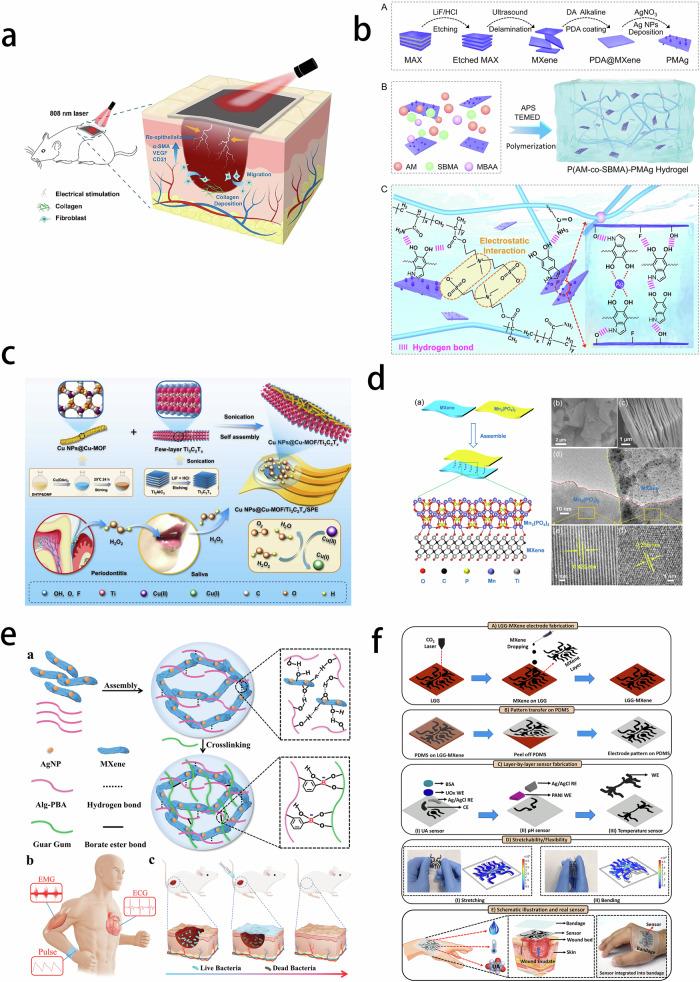
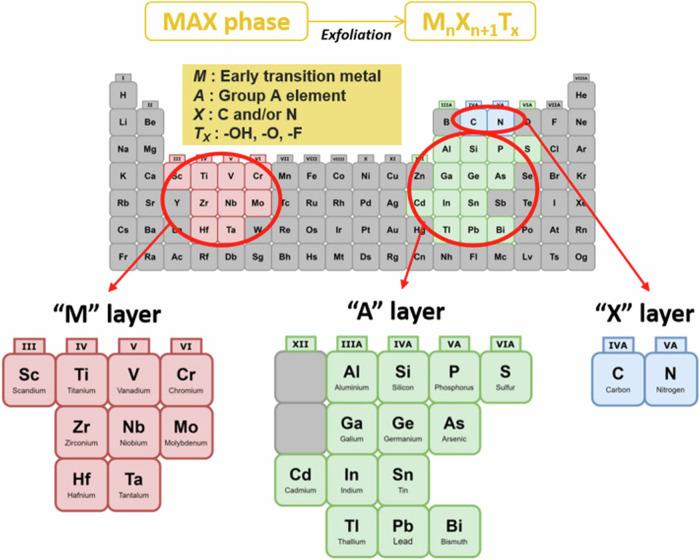
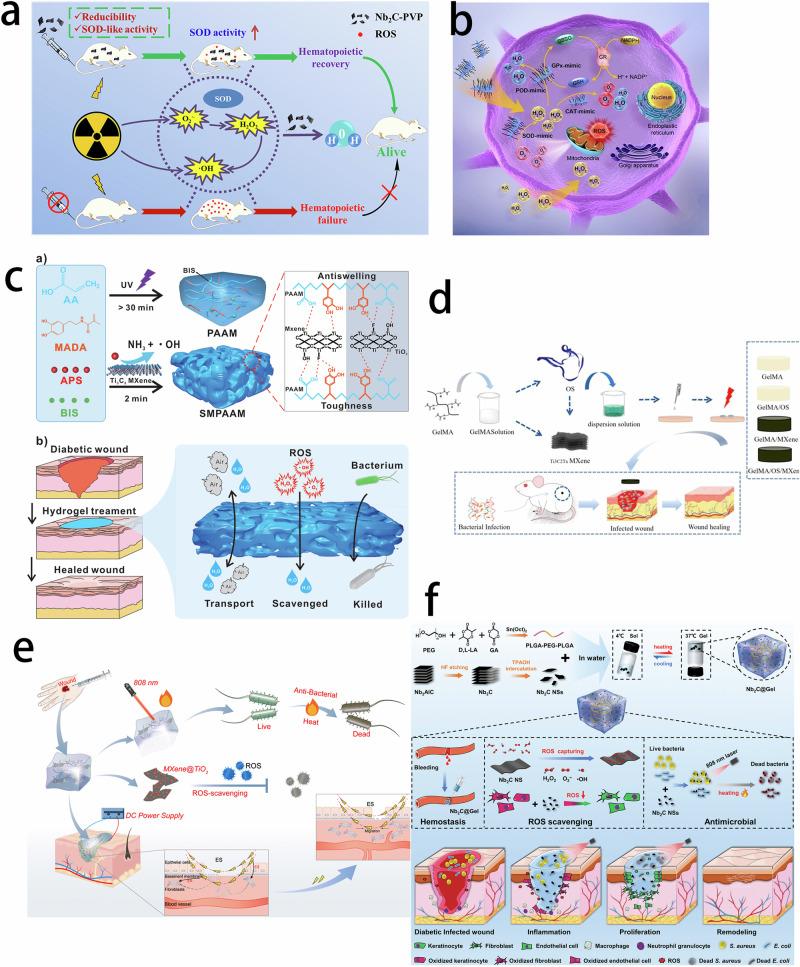
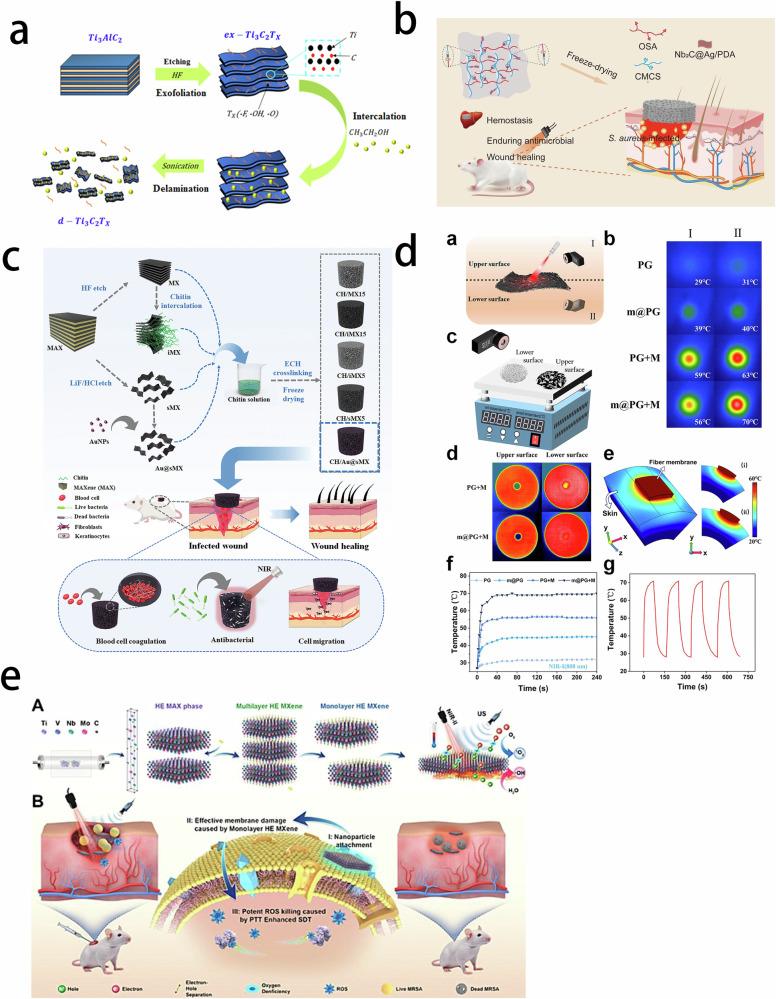
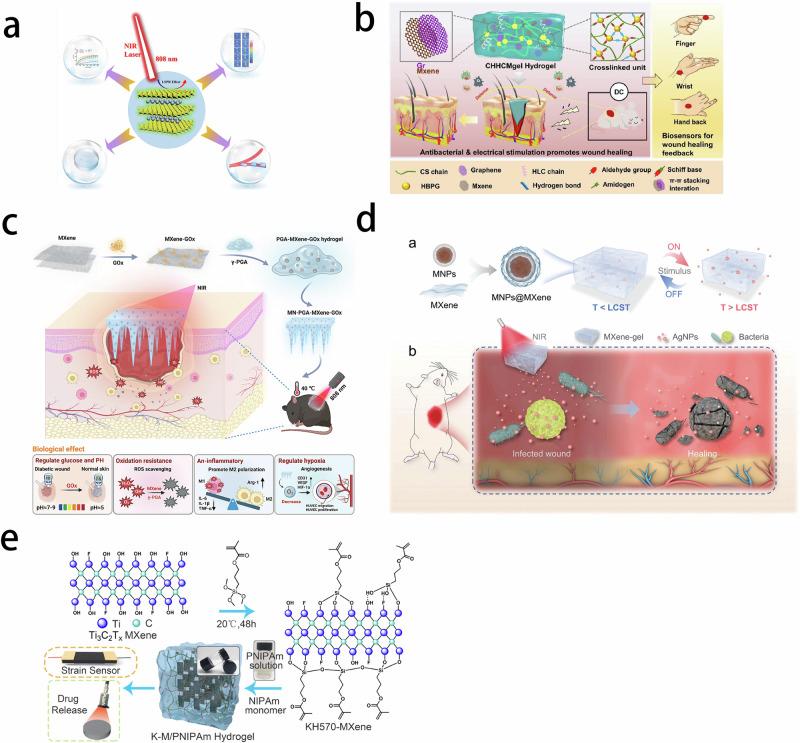
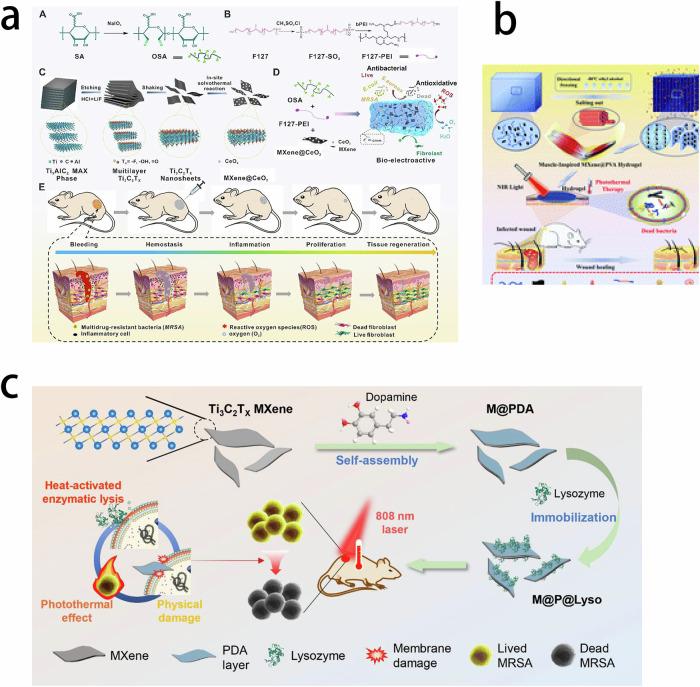
Diabetic foot represents a significant healthcare challenge, accounting for a substantial portion of diabetes-related hospitalizations and amputations globally. The complexity of diabetic foot management stems from the interplay of poor glycemic control, neuropathy, and peripheral vascular disease, which hinder wound healing processes. The high incidence, recurrence, and amputation rates associated with diabetic foot underscore the urgency for innovative treatment strategies. Recent advancements in nanotechnology, particularly the emergence of MXenes (two-dimensional transition metal carbides and/or nitrides), have shown promising potential in addressing these challenges by offering unique physicochemical and biological properties suitable for various biomedical applications. It is a novel potential strategy for diabetic foot wound healing in the future. This review comprehensively summarizes current knowledge, unique characteristics, and underlying mechanisms of MXenes in the context of diabetic foot management. Additionally, we propose the potential application of MXenes-based therapeutic strategies in diabetes foot. Furthermore, we also provide an overview of their current challenges and the future perspectives in related fields of diabetic wound healing.
糖尿病足是一个重大的医疗挑战,在全球范围内,它在与糖尿病相关的住院治疗和截肢病例中占相当大的比例。糖尿病足管理的复杂性源于血糖控制不佳、神经病变和外周血管疾病之间的相互作用,这些因素会阻碍伤口愈合过程。糖尿病足的高发病率、复发率和截肢率凸显了创新治疗策略的紧迫性。纳米技术的最新进展,特别是二维过渡金属碳化物和/或氮化物MXenes的出现,通过提供适用于各种生物医学应用的独特物理化学和生物学特性,在应对这些挑战方面显示出了巨大潜力。这是未来糖尿病足伤口愈合的一种新型潜在策略。本综述全面总结了MXenes在糖尿病足管理方面的现有知识、独特特性和潜在机制。此外,我们提出了基于MXenes的治疗策略在糖尿病足中的潜在应用。此外,我们还概述了它们当前面临的挑战以及糖尿病伤口愈合相关领域的未来前景。



 Zotero 插件