Mohsen Hussein, Blenman Kim, Emani Prashant S, Morris Quaid, Carrot-Zhang Jian, Pusztai Lajos
Computational and Systems Biology, Memorial Sloan Kettering Cancer Center, New York, NY, 10065, USA.
Epidemiology and Biostatistics, Memorial Sloan Kettering Cancer Center, New York, NY, 10065, USA.
BMC Med Genomics. 2025 May 15;18(1):87. doi: 10.1186/s12920-025-02154-z.
Recent decades have witnessed a steady decrease in the use of race categories in genomic studies. While studies that still include race categories vary in goal and type, these categories already build on a history during which racial color lines have been enforced and adjusted in the service of social and political systems of power and disenfranchisement. For early modern classification systems, data collection was also considerably arbitrary and limited. Fixed, discrete classifications have limited the study of human genomic variation and disrupted widely spread genetic and phenotypic continuums across geographic scales. Relatedly, the use of broad and predefined classification schemes-e.g. continent-based-across traits can risk missing important trait-specific genomic signals.
To address these issues, we introduce a dynamic approach to clustering human genomics cohorts based on genomic variation in trait-specific loci and without using a set of predefined categories. We tested the approach on whole-exome sequencing datasets in ten cancer types and partitioned them based on germline variants in cancer-relevant genes that could confer cancer type-specific disease predisposition.
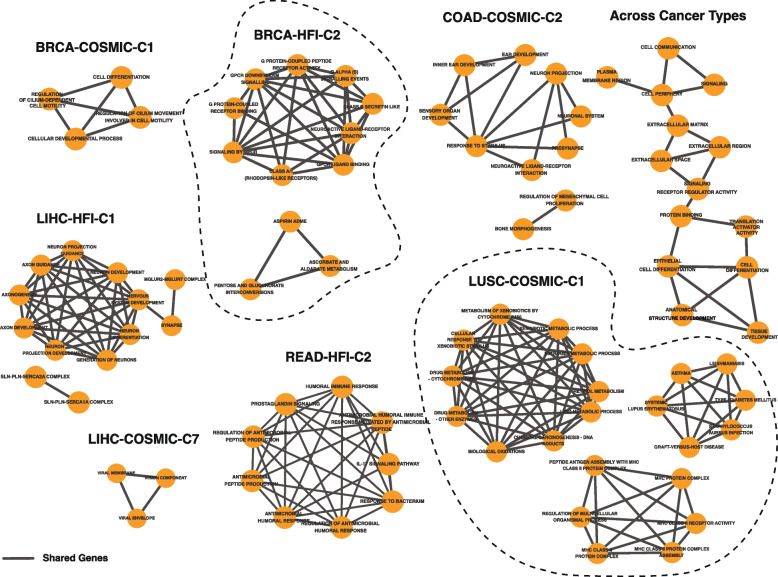
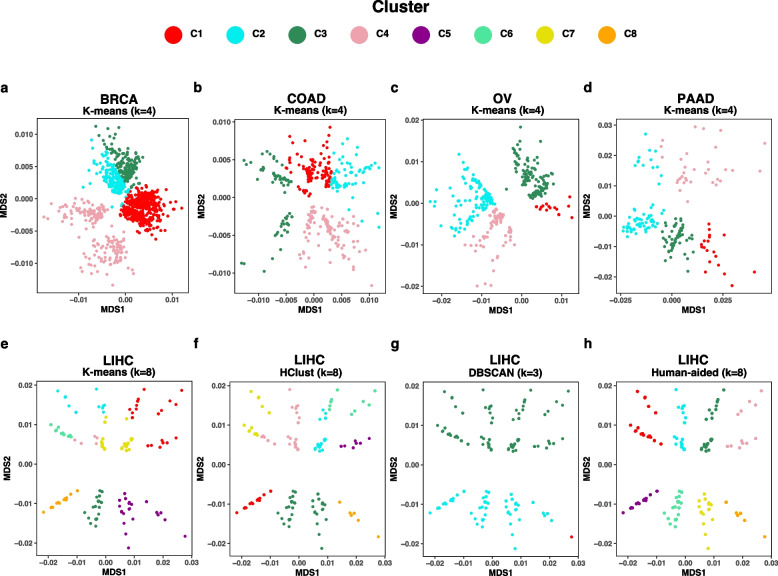
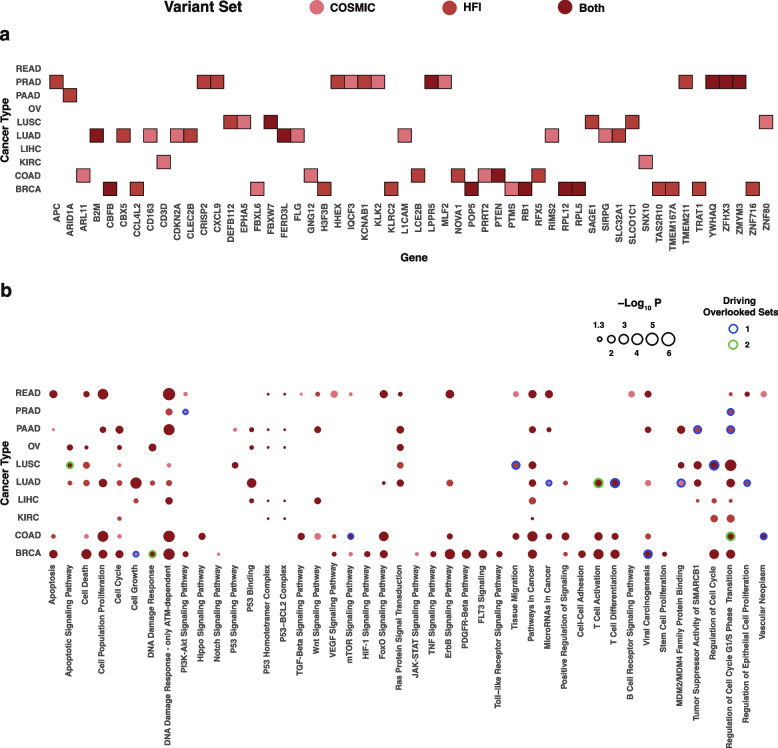
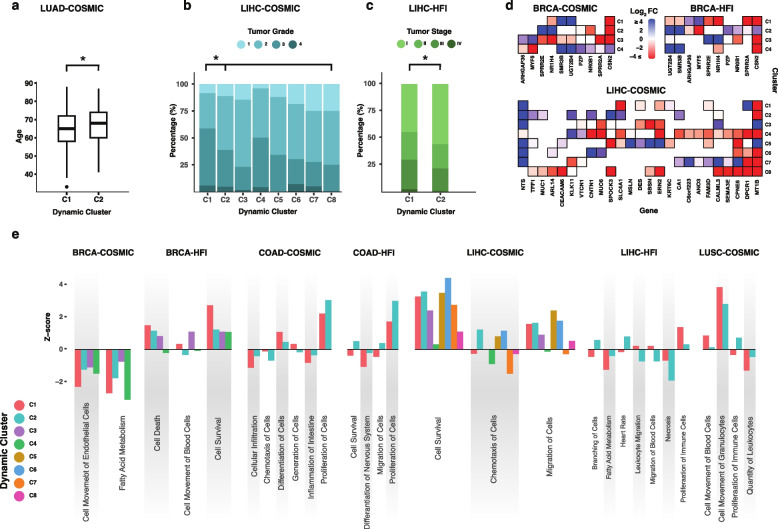
Results demonstrate clustering patterns that transcend discrete continent-based categories across cancer types. Functional analysis based on cancer type-specific clusterings also captures the fundamental biological processes underlying cancer, differentiates between dynamic clusters on a functional level, and identifies novel potential drivers overlooked by a predefined continent-based clustering.
Through a trait-based lens, the dynamic clustering approach reveals genomic patterns that transcend predefined classification categories. We propose that coupled with diverse data collection, new clustering approaches have the potential to draw a more complete portrait of genomic variation and to address, in parallel, technical and social aspects of its study.
近几十年来,基因组研究中种族分类的使用呈稳步下降趋势。虽然仍包含种族分类的研究在目标和类型上各不相同,但这些分类已然建立在一段历史之上,在此期间,种族肤色界限为服务于社会和政治权力及剥夺公民权制度而被强化和调整。对于早期现代分类系统而言,数据收集也相当随意且有限。固定的、离散的分类限制了对人类基因组变异的研究,并打破了地理尺度上广泛分布的遗传和表型连续统。相关地,使用宽泛的、预定义的分类方案(例如基于大陆的分类)来涵盖各种性状,可能会遗漏重要的性状特异性基因组信号。
为解决这些问题,我们引入了一种动态方法,该方法基于性状特异性基因座的基因组变异对人类基因组队列进行聚类,且不使用一组预定义的类别。我们在十种癌症类型的全外显子测序数据集上测试了该方法,并根据可能赋予癌症类型特异性疾病易感性的癌症相关基因中的种系变异对它们进行划分。
结果表明,聚类模式跨越了基于大陆的离散类别,涵盖多种癌症类型。基于癌症类型特异性聚类的功能分析还捕捉到了癌症背后的基本生物学过程,在功能层面区分了动态聚类,并识别出了基于大陆的预定义聚类所忽略的新的潜在驱动因素。
通过基于性状的视角,动态聚类方法揭示了超越预定义分类类别的基因组模式。我们提出,结合多样化的数据收集,新的聚类方法有潜力描绘出更完整的基因组变异图景,并同时解决其研究中的技术和社会方面的问题。