Liu Gaoyan, Song Ye, Yin Shanxue, Zhang Bo, Han Peng
Department of Vascular Surgery, First Affiliated Hospital of Harbin Medical University, No. 23, Youzheng Street, Nangang District, Harbin, 150001, Heilongjiang Province, China.
Department of General Surgery, First Affiliated Hospital of Harbin Medical University, Harbin, 150001, China.
Sci Rep. 2025 May 22;15(1):17794. doi: 10.1038/s41598-025-00834-5.
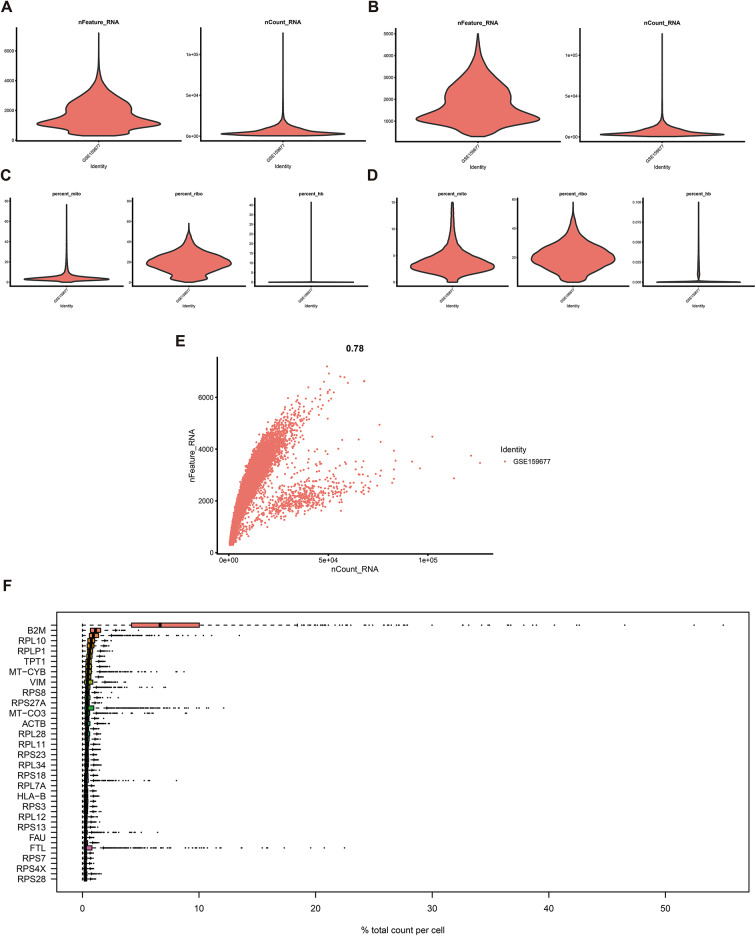
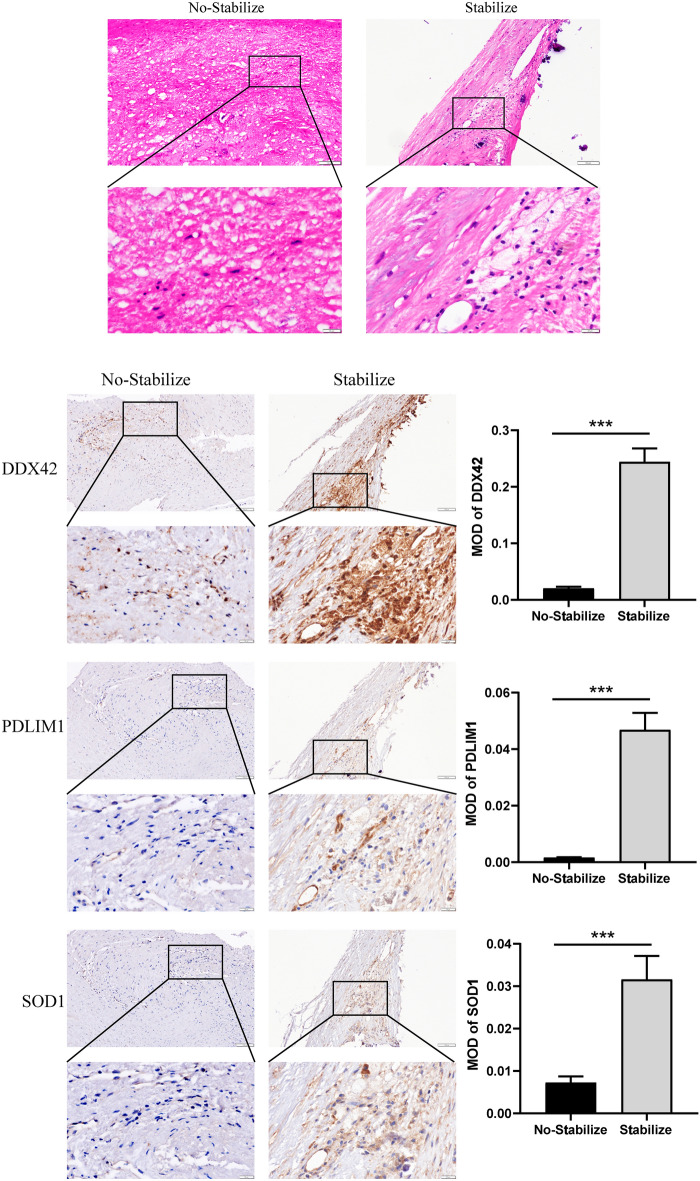
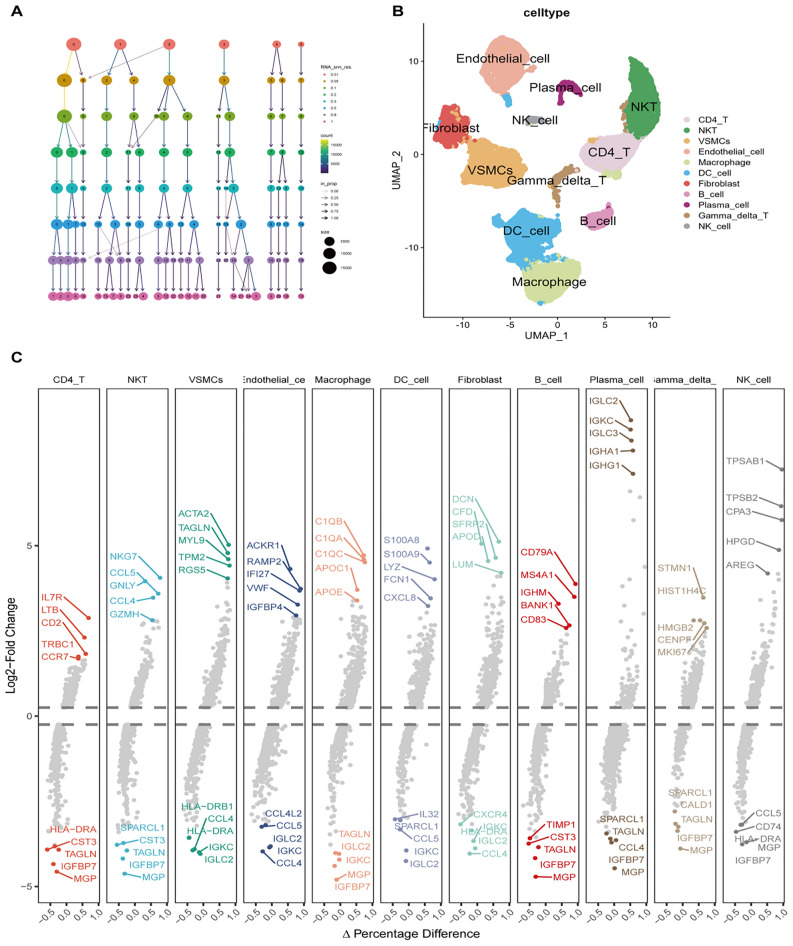
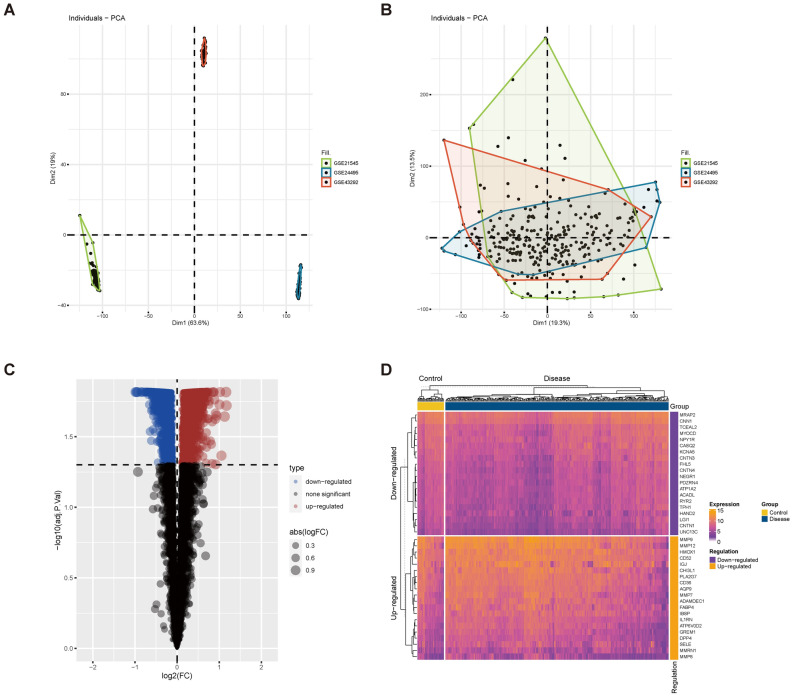
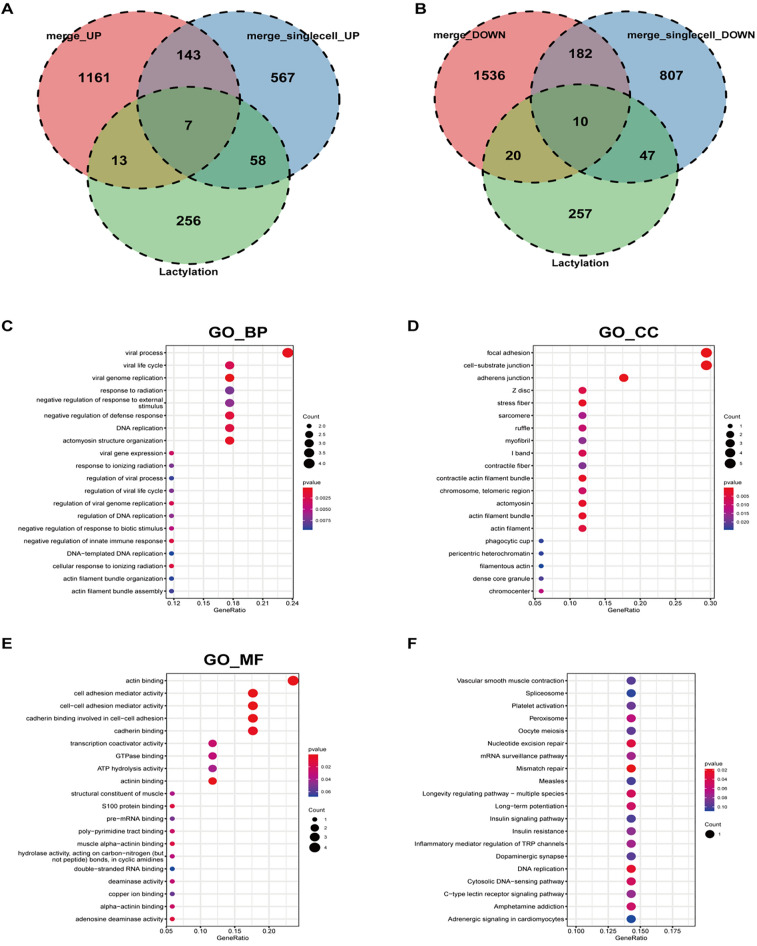
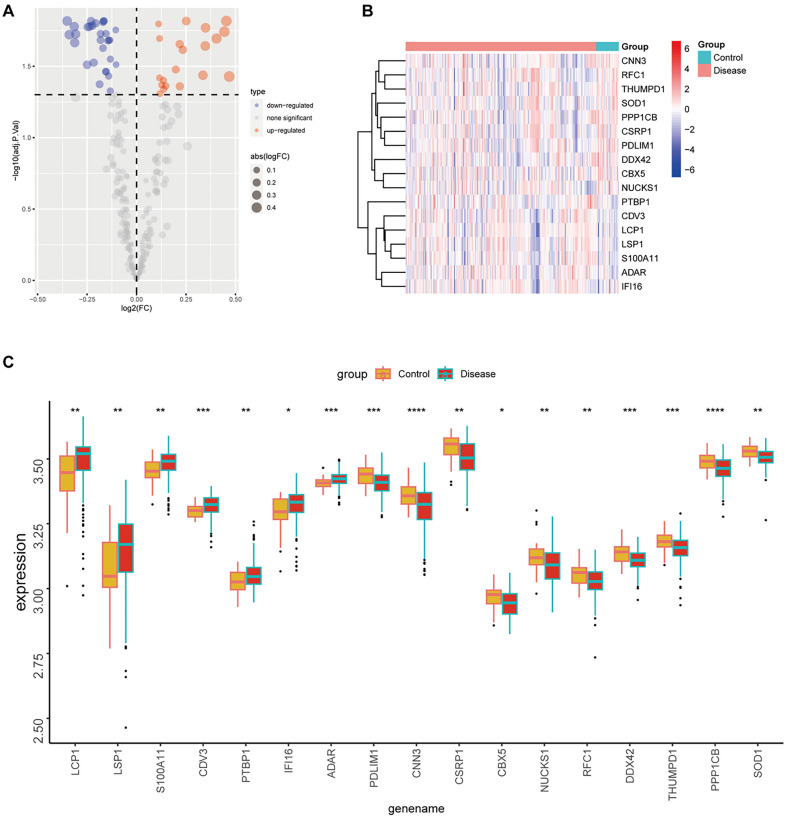
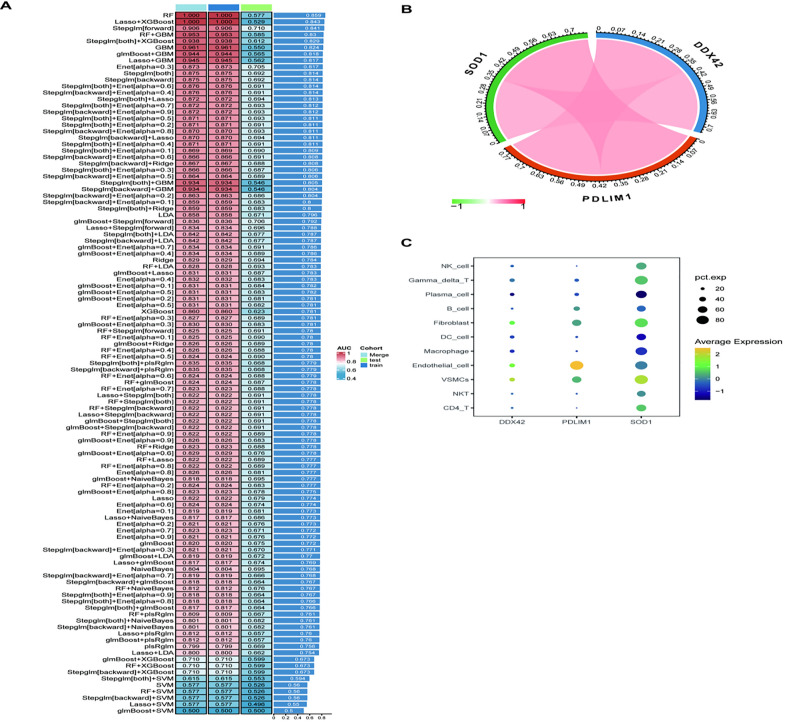
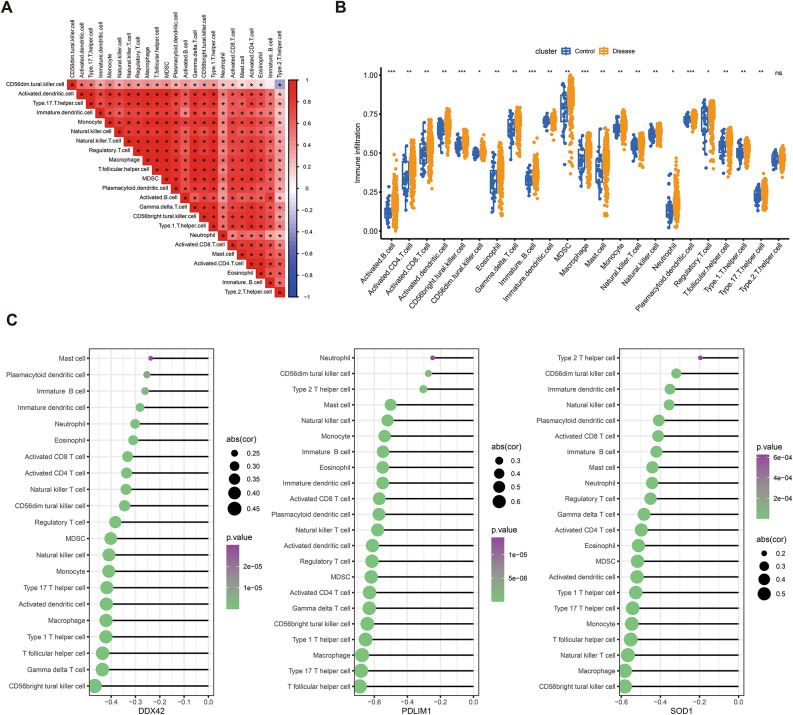
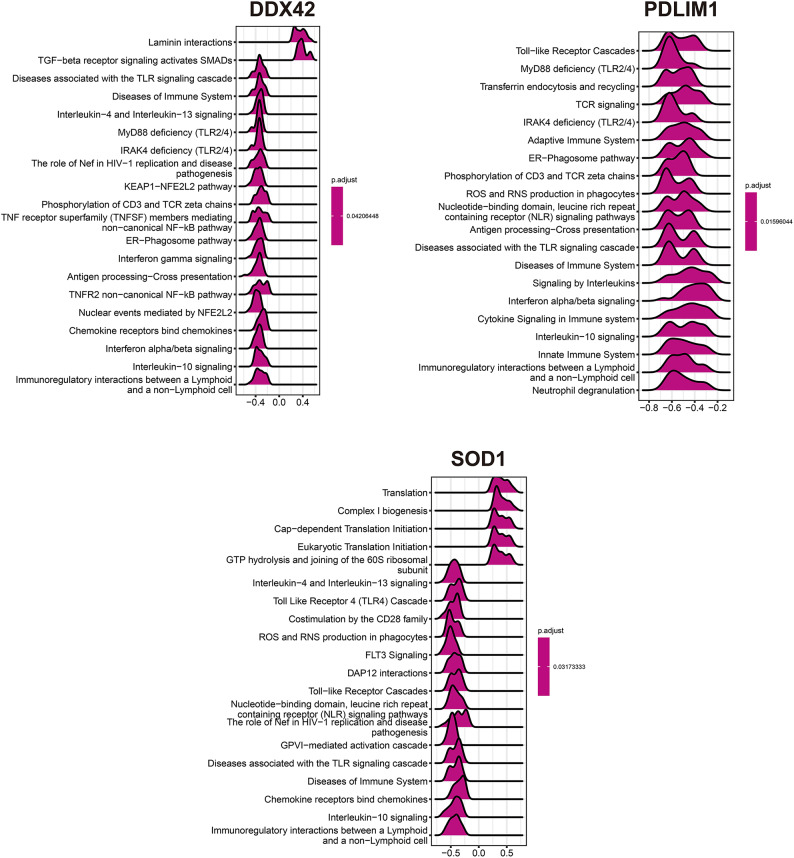
Atherosclerosis is a chronic inflammatory disease, this study aims to investigate the immune landscape in carotid atherosclerotic plaque formation and explore diagnostic biomarkers of lactylation-associated genes, so as to gain new insights into underlying molecular mechanisms and provide new perspectives for disease detection and treatment. Single cell transcriptome data and Bulk transcriptome data of carotid atherosclerosis samples were obtained from the Gene Expression Omnibus (GEO). Eleven cell types were identified by scRNA-seq data. Lactylation scores were significantly higher in γδT cells than in cells of other subtypes, but lower in plasma cells than in cells of other subtypes. The scores of malignant related pathways were significantly increased in cells with high lactylation scores. scRNA-seq combined with bulk-seq identified differentially expressed lactylation genes in carotid atherosclerosis. A diagnostic model was constructed by combining 10 machine learning algorithms and 101 algorithms, SOD1, DDX42 and PDLIM1 as core genes. Further analysis revealed that the expression levels of core genes were significantly correlated with immune cell infiltration, and their regulatory networks were constructed. Clinical samples verified that the expression of core gene in unstable plaque was significantly lower than that in stable plaque, suggesting that it has protective effect on atherosclerosis. By combining scRNA-seq and Bulk transcriptome data in this study, three lactylation-associated genes SOD1, DDX42 and PDLIM1 were identified in carotid atherosclerosis samples, providing targets for the diagnosis and treatment of carotid atherosclerosis samples.
动脉粥样硬化是一种慢性炎症性疾病,本研究旨在探究颈动脉粥样硬化斑块形成中的免疫格局,并探索乳酸化相关基因的诊断生物标志物,从而深入了解潜在的分子机制,为疾病检测和治疗提供新的视角。从基因表达综合数据库(GEO)获取颈动脉粥样硬化样本的单细胞转录组数据和批量转录组数据。通过scRNA-seq数据鉴定出11种细胞类型。γδT细胞中的乳酸化评分显著高于其他亚型的细胞,但浆细胞中的乳酸化评分低于其他亚型的细胞。乳酸化评分高的细胞中恶性相关通路的评分显著增加。scRNA-seq结合批量测序鉴定出颈动脉粥样硬化中差异表达的乳酸化基因。通过结合10种机器学习算法和101种算法构建诊断模型,以超氧化物歧化酶1(SOD1)、解旋酶42(DDX42)和PDLIM1为核心基因。进一步分析表明,核心基因的表达水平与免疫细胞浸润显著相关,并构建了它们的调控网络。临床样本验证了核心基因在不稳定斑块中的表达显著低于稳定斑块,表明其对动脉粥样硬化具有保护作用。通过本研究结合scRNA-seq和批量转录组数据,在颈动脉粥样硬化样本中鉴定出三个乳酸化相关基因SOD1、DDX42和PDLIM1,为颈动脉粥样硬化样本的诊断和治疗提供了靶点。