Xiao Mengna, Tian Yingju, Wang Ya, Guan Yunfang, Zhang Ying, Zhang Yuan, Tao Yanlan, Lan Zengquan, Wang Dexin
College of Landscape Architecture and Horticulture, Southwest Forestry University, Kunming 650224, China.
College of Forestry, Southwest Forestry University, Kunming 650224, China.
Plants (Basel). 2025 May 13;14(10):1454. doi: 10.3390/plants14101454.
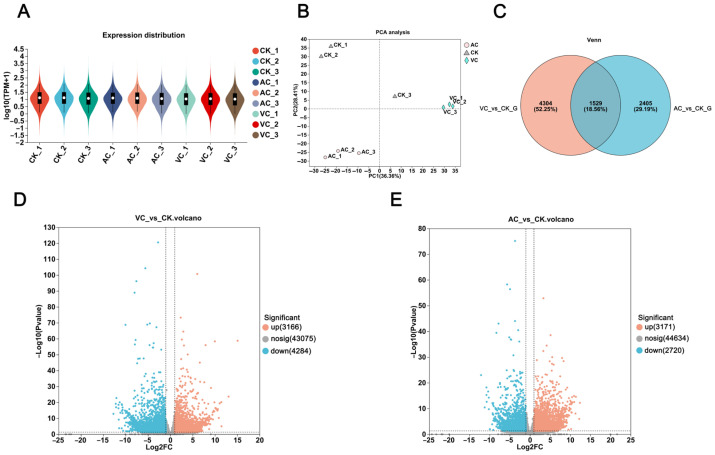
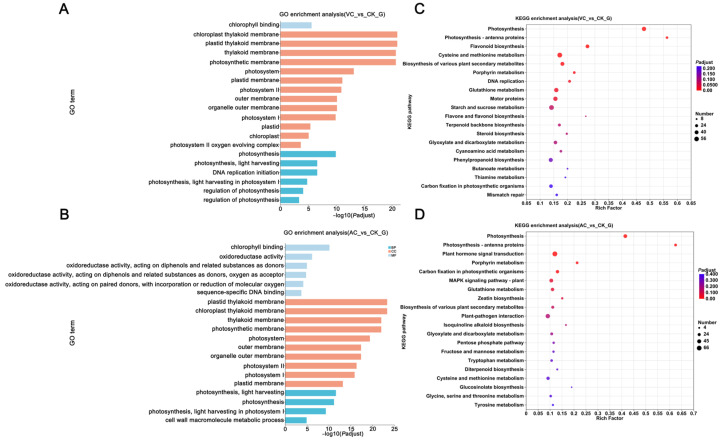
Tea plants () are among the world's most significant economic tree species. Tissue culture serves as a crucial method in commercial breeding by facilitating the rapid propagation of valuable genotypes and the generation of disease-free clones. However, callus browning represents a prevalent challenge in tea plant tissue culture, and may adversely affect explant growth and development. Our research demonstrates that although anti-browning agents can effectively suppress browning, they induce distinct color changes in the callus. These color variations could significantly influence callus induction and subsequent growth patterns. In this study, callus tissues from var. cv. Mengku were employed as experimental materials and treated with three commonly used anti-browning agents: ascorbic acid (VC), activated carbon (AC), and polyvinylpyrrolidone (PVP). The results demonstrated that while these three reagents effectively inhibited browning, they also induced distinct color changes in the explants, which appeared red, green, and white, respectively. Furthermore, this study investigated the molecular mechanisms underlying callus color changes using transcriptomic and metabolomic approaches. Based on transcriptome analysis, it was revealed that photosynthesis and flavonoid biosynthesis pathways were significantly enriched. Metabolome analysis identified 14 phenolic acids, which exhibited significant variation in accumulation across calluses of different colors. The differential expression of genes involved in flavonoid biosynthesis pathways, coupled with the distinct accumulation patterns of metabolites, can effectively alleviate photooxidative damage and enhance the resistance of callus to browning. AC activates the photosynthesis of callus by regulating carbon source allocation and upregulating the expression of key genes in the , , and families within the photosynthetic system. This process promotes chlorophyll biosynthesis, thereby enabling the callus to grow green, while VC activates the expression of key genes such as , , , , and in the flavonoid pathway, which are involved in the regulation of pigment synthesis in red callus. This study elucidated the molecular mechanisms underlying the effects of anti-browning agents on color variations in callus, thereby providing a robust theoretical foundation for optimization, the establishment of tea plant tissue culture systems, and enhancing cultivar quality.
茶树()是世界上最重要的经济树种之一。组织培养是商业育种中的一种关键方法,它有助于珍贵基因型的快速繁殖和无病克隆的产生。然而,愈伤组织褐化是茶树组织培养中普遍存在的挑战,可能会对外植体的生长发育产生不利影响。我们的研究表明,尽管抗褐化剂能有效抑制褐化,但它们会诱导愈伤组织产生明显的颜色变化。这些颜色变化可能会显著影响愈伤组织的诱导及后续生长模式。在本研究中,以勐库种( var. cv. Mengku)的愈伤组织为实验材料,用三种常用的抗褐化剂进行处理:抗坏血酸(VC)、活性炭(AC)和聚乙烯吡咯烷酮(PVP)。结果表明,这三种试剂虽然有效抑制了褐化,但也在外植体中诱导出了明显的颜色变化,外植体分别呈现红色、绿色和白色。此外,本研究采用转录组学和代谢组学方法探究了愈伤组织颜色变化的分子机制。基于转录组分析,发现光合作用和类黄酮生物合成途径显著富集。代谢组分析鉴定出14种酚酸,它们在不同颜色愈伤组织中的积累表现出显著差异。类黄酮生物合成途径中相关基因的差异表达,以及代谢物的不同积累模式,能够有效减轻光氧化损伤,增强愈伤组织对褐化的抗性。AC通过调节碳源分配和上调光合系统中、和家族关键基因的表达来激活愈伤组织的光合作用。这一过程促进叶绿素生物合成,从而使愈伤组织呈现绿色生长,而VC则激活类黄酮途径中、、、和等关键基因的表达,这些基因参与红色愈伤组织中色素合成的调控。本研究阐明了抗褐化剂对茶树愈伤组织颜色变化影响的分子机制,从而为优化茶树组织培养体系及提高品种质量提供了坚实的理论基础。