Das Dipanjan, Chakraborty Joydeep, Mandal Pankaj, Mondal Rittick, Mandal Amit Kumar
Chemical Biology Laboratory, Department of Sericulture, Raiganj University North Dinajpur West Bengal 733134 India
RSC Adv. 2025 Jun 5;15(24):18920-18946. doi: 10.1039/d5ra02100f. eCollection 2025 Jun 4.
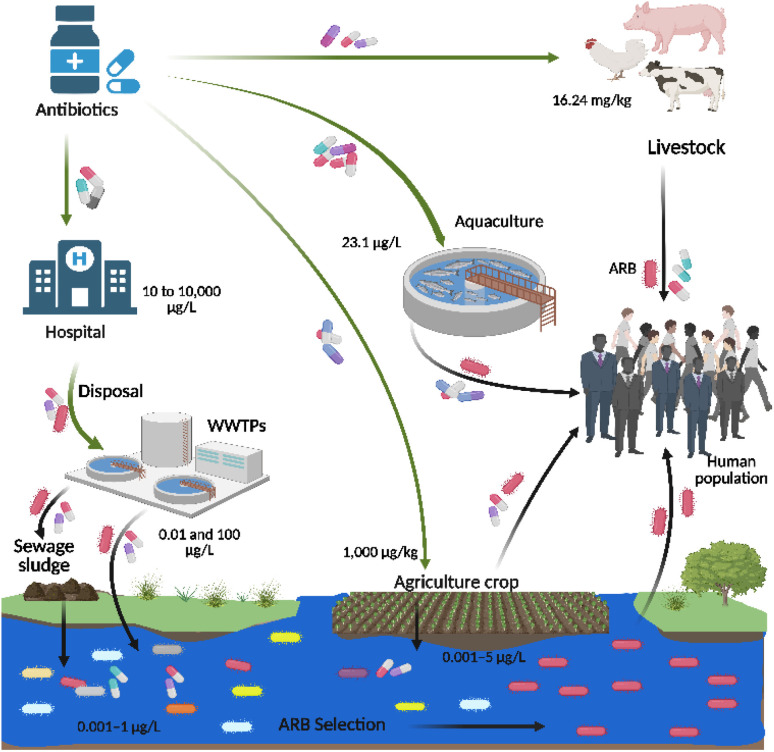
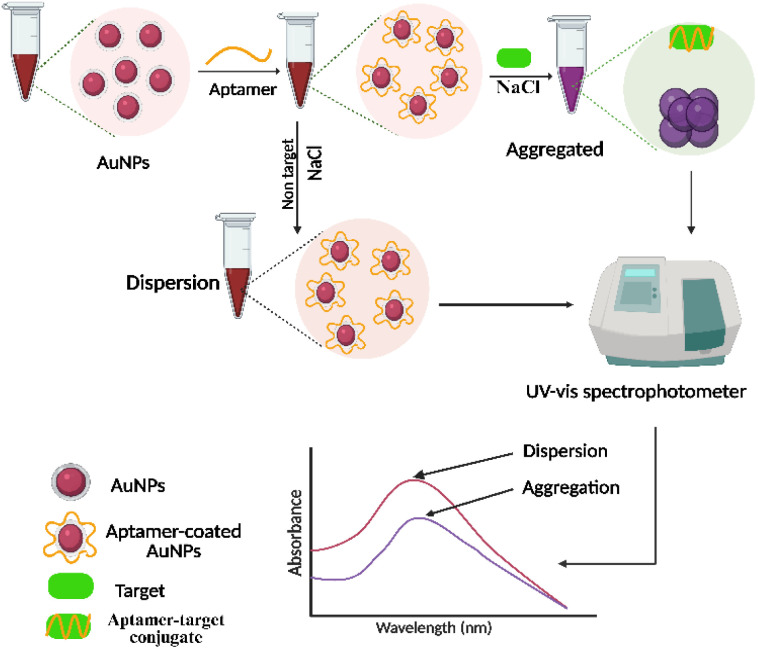
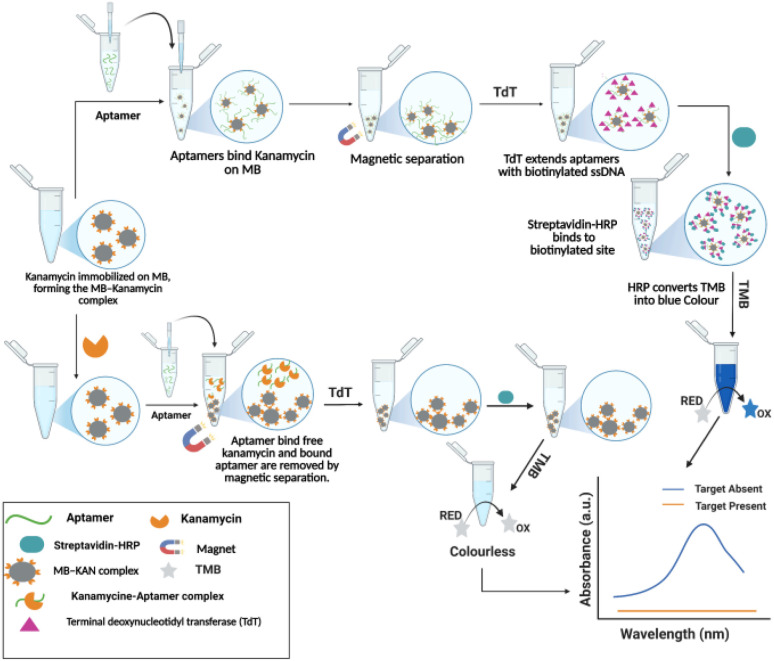
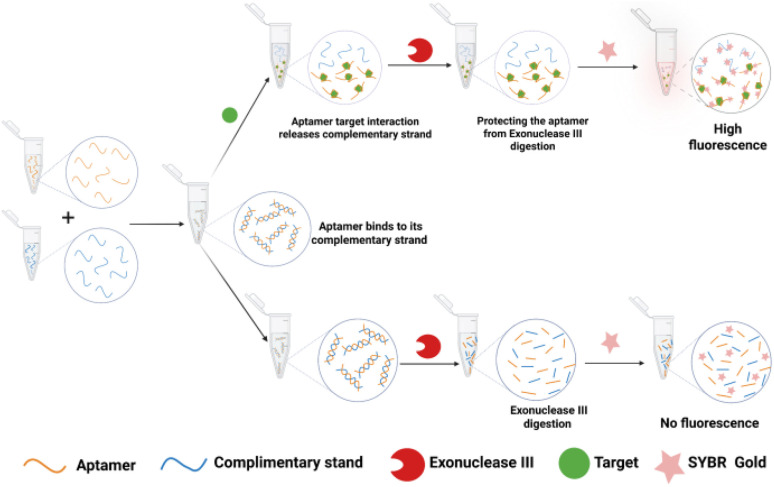
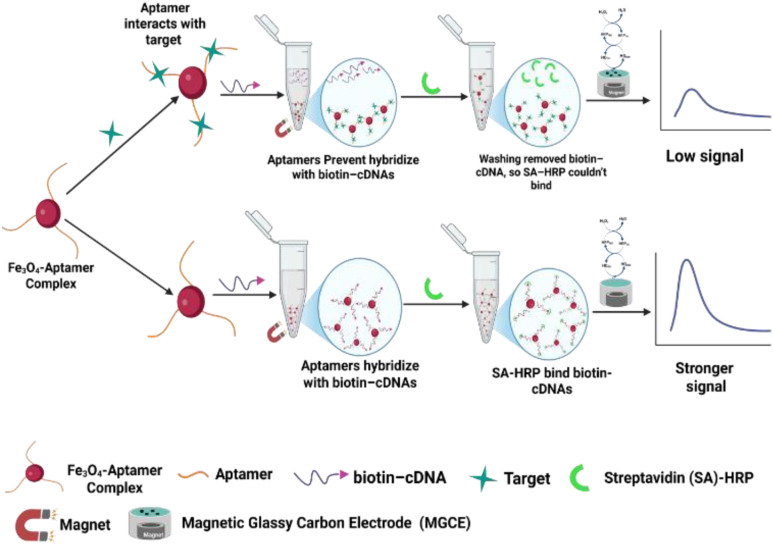
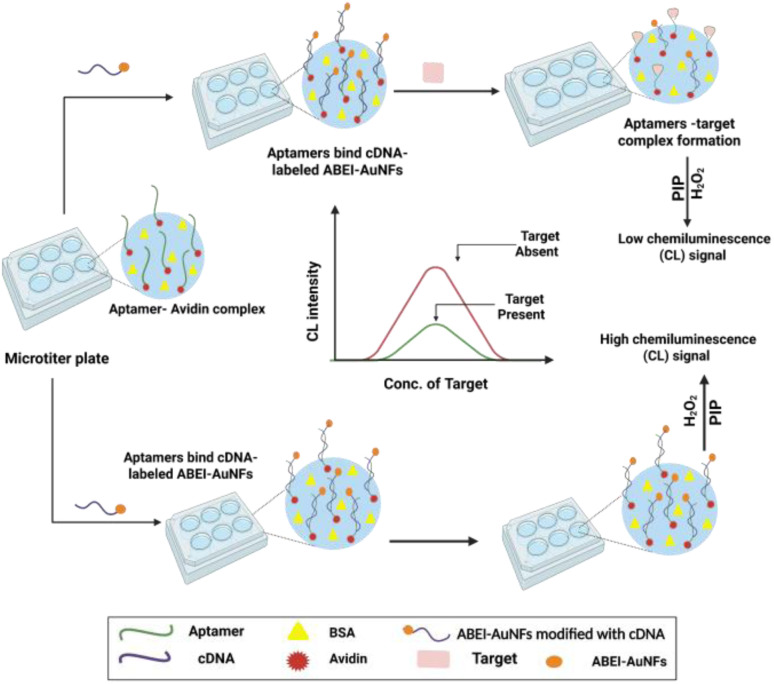
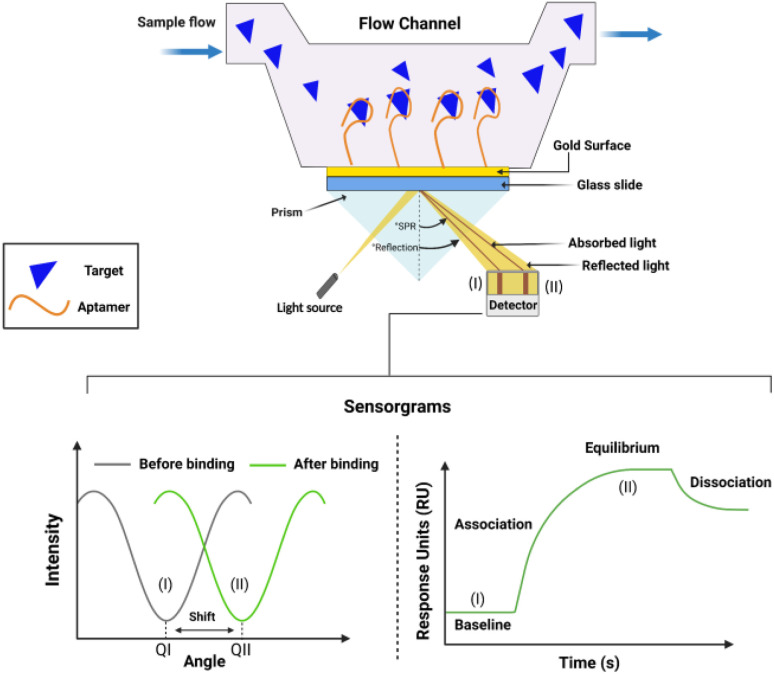
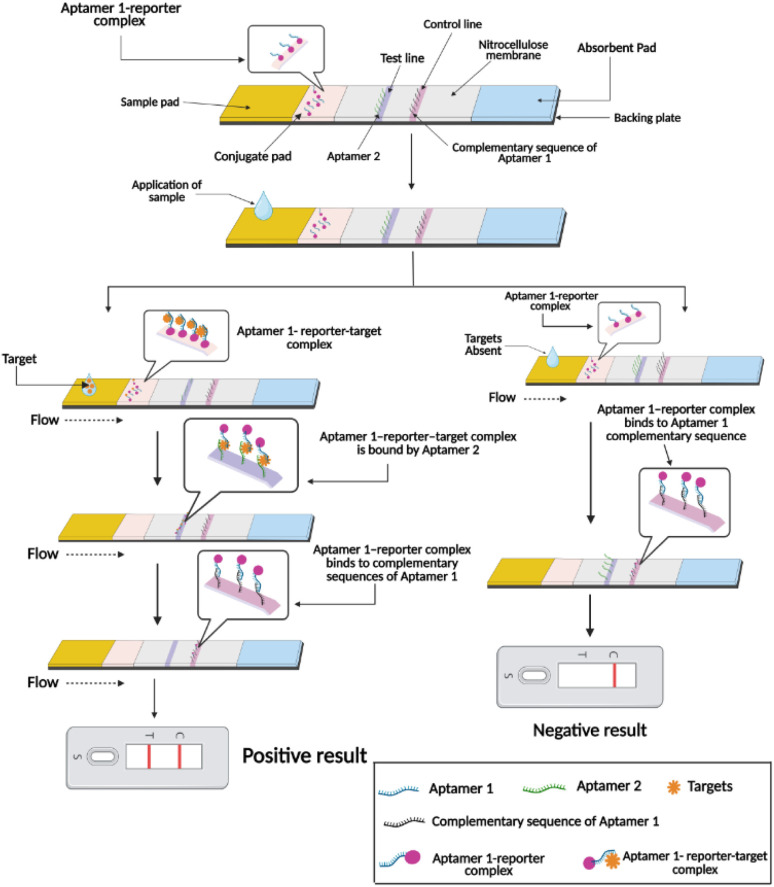
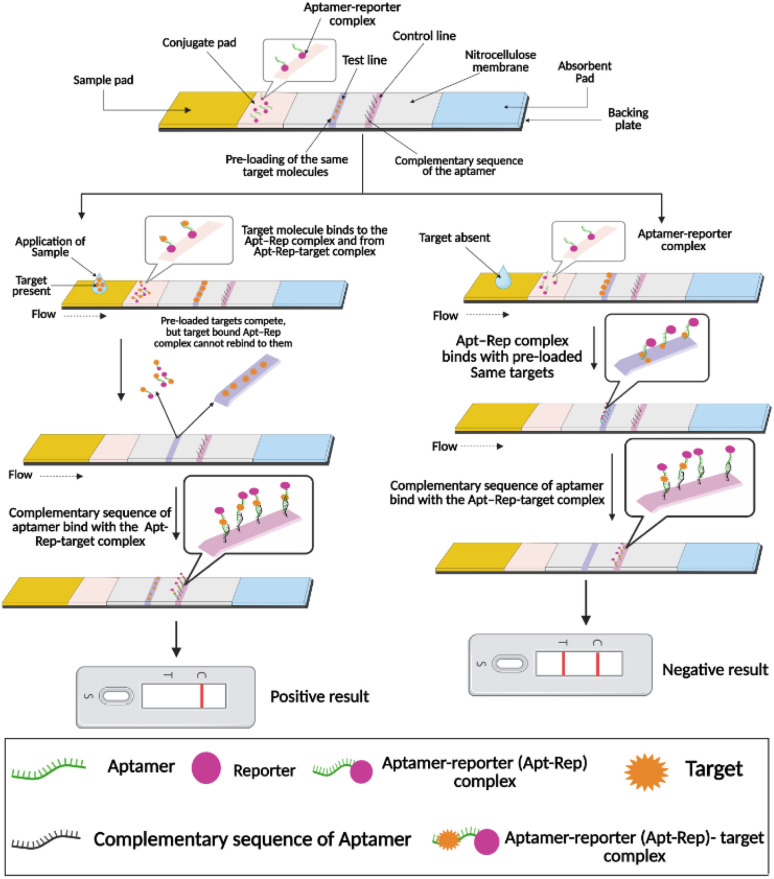
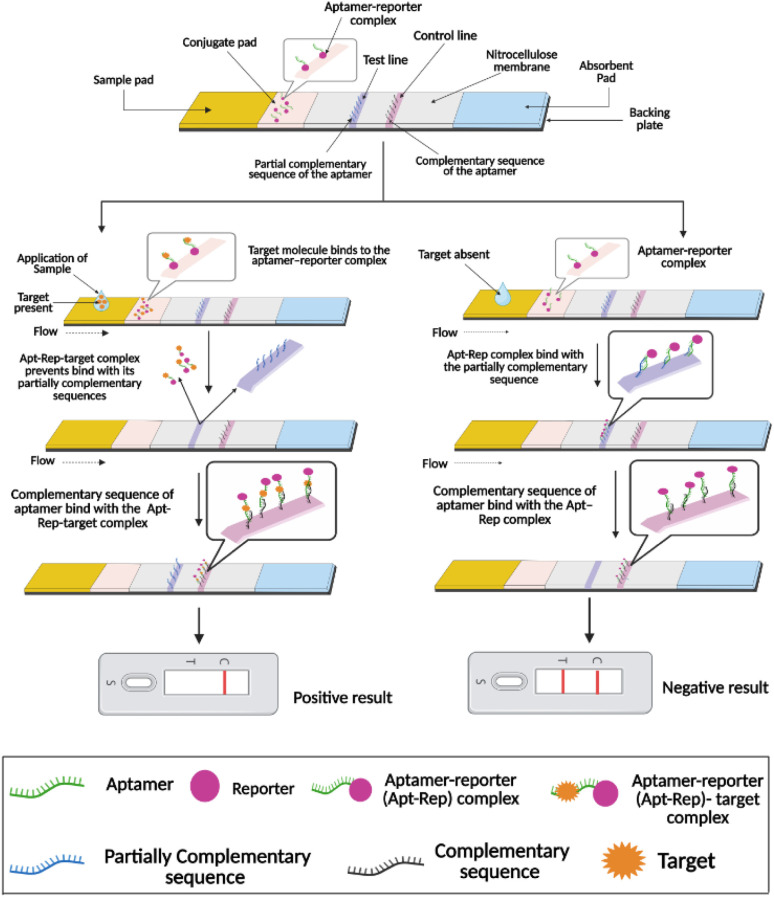
Antibiotics were initially discovered for their medicinal applications, however, since their introduction, the usage of antibiotics has expanded beyond clinical settings into various sectors, including agriculture, aquaculture, and animal husbandry. In these fields, antibiotics have often been employed non-judicially, primarily as growth promoters or preventative measures against infections, rather than strictly for therapeutic purposes. This widespread and often indiscriminate use has resulted in significant repercussions for both the environment and public health. The accumulation of antibiotics in soil and water ecosystems has led to alterations in microbial communities, fostering the emergence and proliferation of antibiotic-resistant bacteria (ARB). As these resistant strains circulate through various environmental pathways, they pose a growing threat not only to animal health but also to human health. Thus, the need for rapid, highly sensitive, and affordable detection platforms for ARB diagnostics has become urgent. Up to now, many analytical methods have been reported for the determination of antibiotics, such as HPLC, LC-MS, GC-MS, capillary electrophoresis-MS, But these techniques are expensive, time-consuming, and demand trained operators. The aptamer based biosensors circumvent these problems and could ensure fast on-site analysis of antibiotics. In this review, we discuss how nucleic acid aptamer functionalized nanoparticles emerged as a sanguine answer to overcome the limitations of traditional detection modalities. Moreover, the latest advancement in the development of lateral flow assay, colorimetric, chemiluminescent, surface plasmon resonance, fluorescence and electrochemical biosensors for antibiotics detection have also been explored.
抗生素最初因其药用价值而被发现,然而,自其问世以来,抗生素的使用已从临床环境扩展到各个领域,包括农业、水产养殖和畜牧业。在这些领域中,抗生素常常被不合理地使用,主要用作生长促进剂或预防感染的措施,而不是严格用于治疗目的。这种广泛且往往不加区分的使用对环境和公众健康都产生了重大影响。抗生素在土壤和水生态系统中的积累导致微生物群落发生变化,促进了抗生素耐药菌(ARB)的出现和增殖。随着这些耐药菌株通过各种环境途径传播,它们不仅对动物健康构成越来越大的威胁,也对人类健康构成威胁。因此,迫切需要用于ARB诊断的快速、高度灵敏且经济实惠的检测平台。到目前为止,已经报道了许多用于测定抗生素的分析方法,如高效液相色谱法(HPLC)、液相色谱 - 质谱联用(LC - MS)、气相色谱 - 质谱联用(GC - MS)、毛细管电泳 - 质谱联用(capillary electrophoresis - MS),但这些技术昂贵、耗时,且需要训练有素的操作人员。基于适配体的生物传感器克服了这些问题,可以确保对抗生素进行快速现场分析。在这篇综述中,我们讨论了核酸适配体功能化纳米颗粒如何成为克服传统检测方式局限性的一个乐观答案。此外,还探讨了用于抗生素检测的侧向流动分析、比色法、化学发光法、表面等离子体共振、荧光和电化学生物传感器开发的最新进展。