Radaelli Marco, Husain Mohammad Saad, Armijo-Alba Julian, Makepeace Joshua Alan, Hadadi Cyrus, Kenigsberg Benjamin B
Internal Medicine Teaching Service, MedStar Washington Hospital Center/Georgetown, Washington, DC, USA.
Internal Medicine Teaching Service, MedStar Washington Hospital Center/Georgetown, Washington, DC, USA.
JACC Case Rep. 2025 Jun 4;30(13):103882. doi: 10.1016/j.jaccas.2025.103882.
Cardiac implantable electrical device (CIED) lead extraction is increasingly common, with up to 15,000 cases annually. Although the procedure is generally safe, complications can occur, and knowledge of potential issues is essential for patient care.
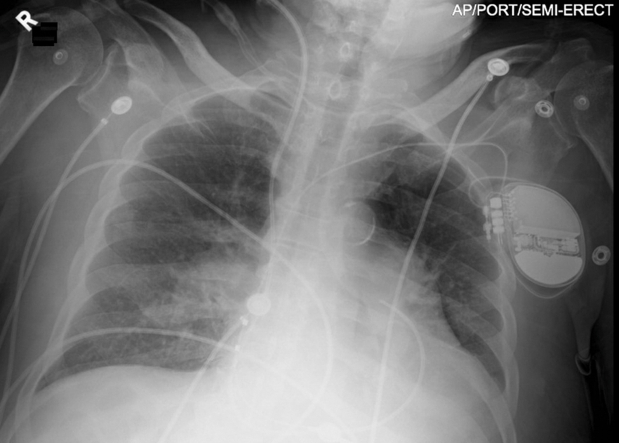
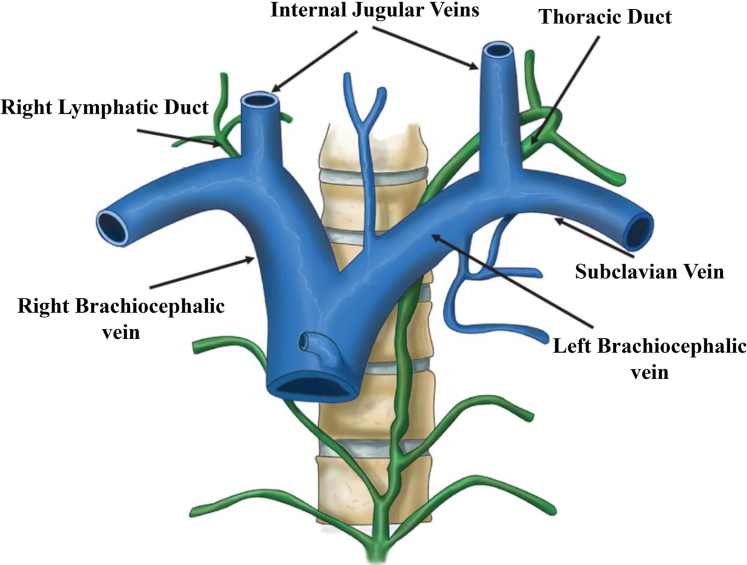
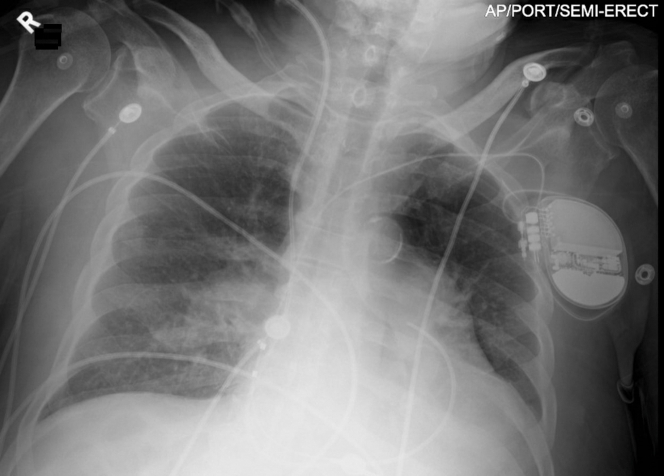
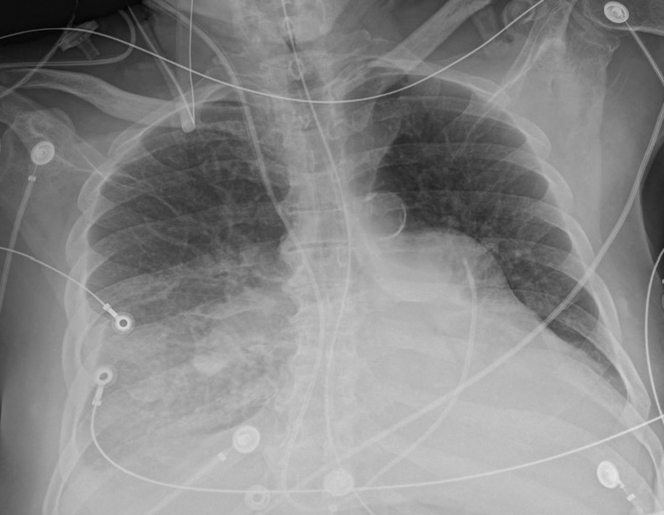
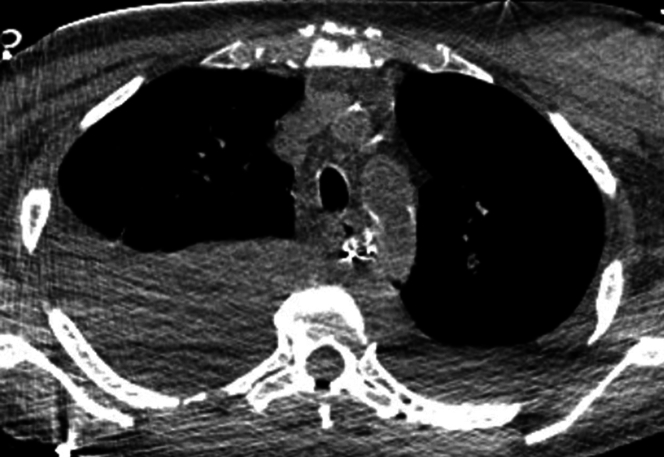
A 63-year-old man with multiple comorbidities underwent implantable cardioverter-defibrillator lead extraction as a result of device pocket infection. Post-procedure, he developed worsening hypoxic respiratory failure. Imaging revealed a new right-sided pleural effusion, which on drainage was confirmed as chylothorax. Despite initial improvement with conservative management, the patient's condition deteriorated, leading to cardiac arrest and eventual death.
This case presents the first reported instance of chylothorax complicating CIED lead extraction. It highlights the importance of considering rare complications in postprocedural care, especially in patients with complex medical histories.
TAKE-HOME MESSAGES: Chylothorax should be considered in patients with new pleural effusions following CIED lead extraction. Early recognition and appropriate management of rare complications are crucial in high-risk patients.
心脏植入式电子设备(CIED)导线拔除术日益常见,每年多达15000例。尽管该手术总体安全,但仍可能发生并发症,了解潜在问题对患者护理至关重要。
一名患有多种合并症的63岁男性因设备囊袋感染接受了植入式心律转复除颤器导线拔除术。术后,他出现了进行性加重的低氧性呼吸衰竭。影像学检查显示右侧胸腔有新的胸腔积液,引流后确诊为乳糜胸。尽管最初通过保守治疗有所改善,但患者病情恶化,导致心脏骤停并最终死亡。
本病例是首例报道的CIED导线拔除术后并发乳糜胸的病例。它强调了在术后护理中考虑罕见并发症的重要性,尤其是在有复杂病史的患者中。
CIED导线拔除术后出现新的胸腔积液的患者应考虑乳糜胸。对高危患者罕见并发症的早期识别和适当管理至关重要。