Işıkgöz Mustafa Enes, Şahbudak Murat, Deveci Melike Esentaş, Öztunç Mustafa
Department of Rectorate, Sakarya University, Sakarya, Türkiye.
Department of Physical Education and Sports, Faculty of Sport Science, Batman University, Batman, Türkiye.
BMC Public Health. 2025 Jun 6;25(1):2117. doi: 10.1186/s12889-025-23373-0.
Physical education and sport can contribute to gender equality by supporting physical, mental, and social well-being. However, persistent challenges, including social norms, gender discrimination, and structural barriers, continue to limit progress in these areas.
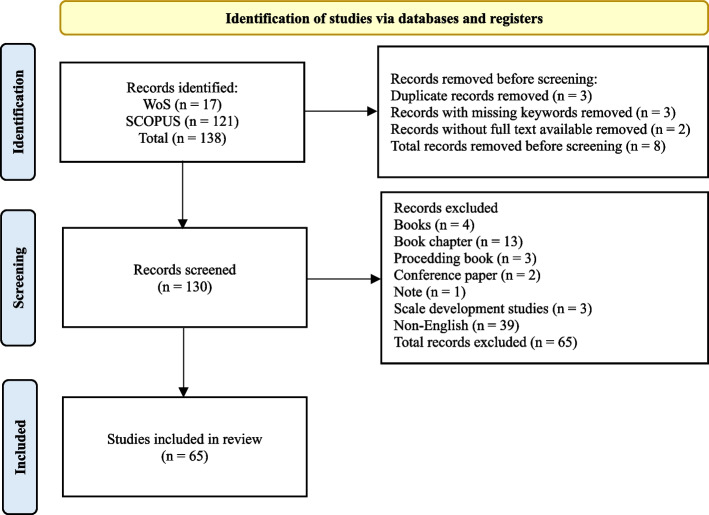
This study used a systematic review methodology following the PRISMA protocol. A thematic analysis of 65 relevant studies was carried out to examine the progress and ongoing challenges in advancing gender equality through physical education and sports.
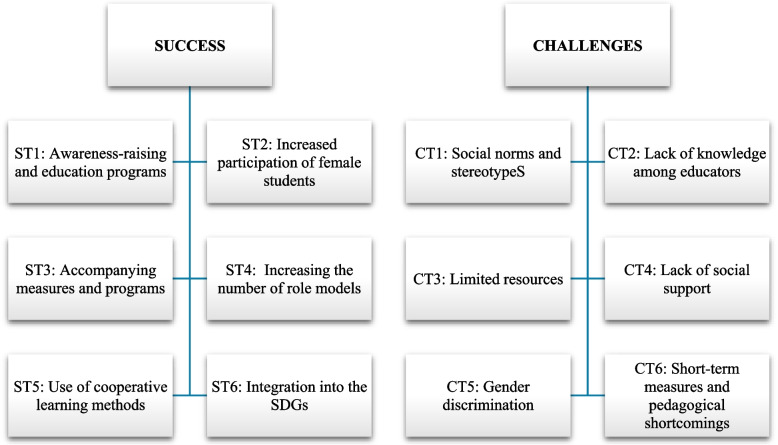
The analysis indicates that educational programmes, progressive policies, and innovative teaching methods have contributed to advancing gender equality, particularly through increased representation of female athletes and leaders, who serve as influential role models. However, these positive developments face challenges, including limited resources, educators' insufficient awareness of gender issues, and the short-term nature of many interventions.
The findings highlight the essential need for long-term systemic strategies aimed at amplifying educator awareness, fortifying women's leadership opportunities, and dismantling structural inequities. Future research must prioritize the development of culturally responsive interventions and an in-depth examination of varied socioeconomic contexts to forge more inclusive and sustainable pathways to achieving gender equality in physical education and sports.
The completed PRISMA checklist is provided as a supplementary file and is also available via the Figshare repository: https://figshare.com/s/a088d4ef6e3b26cfd987.
体育教育和运动可通过促进身体、心理和社会福祉来推动性别平等。然而,包括社会规范、性别歧视和结构性障碍在内的持续挑战,仍在限制这些领域的进展。
本研究采用遵循PRISMA协议的系统综述方法。对65项相关研究进行了主题分析,以考察通过体育教育和运动推进性别平等方面的进展和持续存在的挑战。
分析表明,教育项目、进步政策和创新教学方法有助于推进性别平等,特别是通过增加女性运动员和领导者的代表性,她们可作为有影响力的榜样。然而,这些积极进展面临挑战,包括资源有限、教育工作者对性别问题的认识不足以及许多干预措施的短期性。
研究结果凸显了制定长期系统性战略的迫切需求,这些战略旨在提高教育工作者的认识、加强女性的领导机会以及消除结构性不平等。未来的研究必须优先发展具有文化适应性的干预措施,并深入研究不同的社会经济背景,以打造更具包容性和可持续性的途径,在体育教育和运动中实现性别平等。
完整的PRISMA清单作为补充文件提供,也可通过Figshare存储库获取:https://figshare.com/s/a088d4ef6e3b26cfd987。