Zheng Mengyu
Department of Obstetrics and gynecology, Affiliated People's Hospital of NingBo University, 251 Baizhang east Road, Ningbo, 315040, Zhejiang, People's Republic of China.
Discov Oncol. 2025 Jun 15;16(1):1113. doi: 10.1007/s12672-025-02956-8.
Ovarian cancer (OC) is a highly aggressive malignancy characterized by a complex immune microenvironment. B cells, essential components of immunological regulation, have been implicated in the progression of ovarian cancer. However, the precise mechanisms by which B cells and immune molecules influence ovarian cancer risk remain poorly understood.
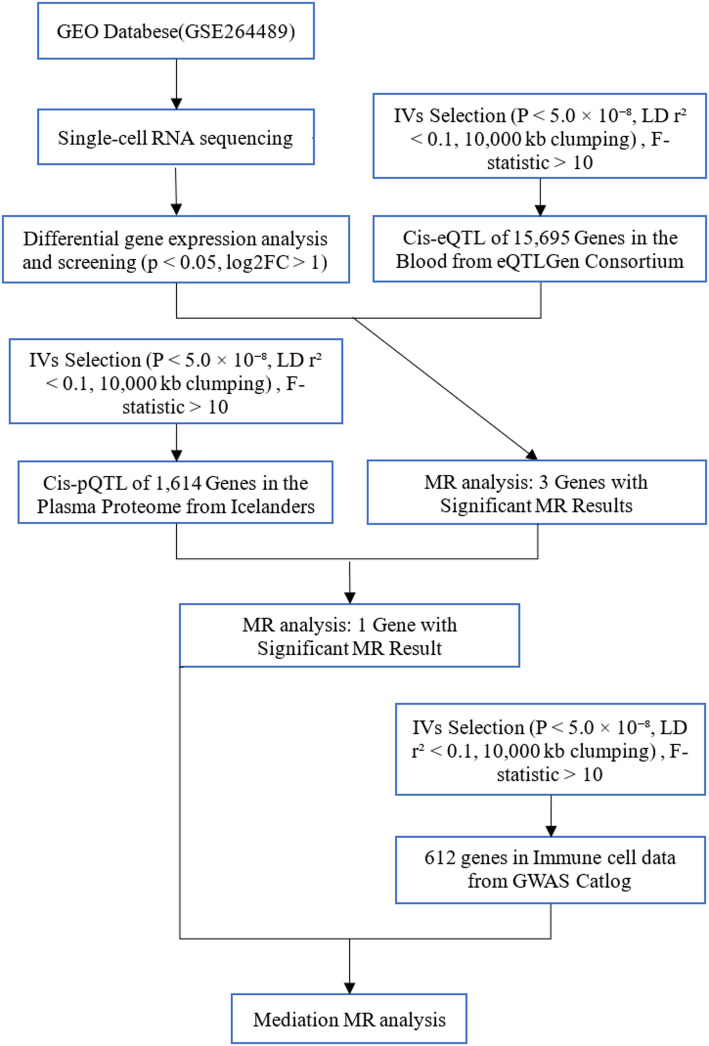
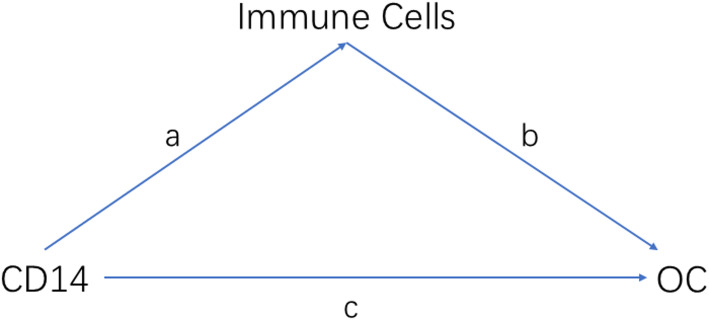
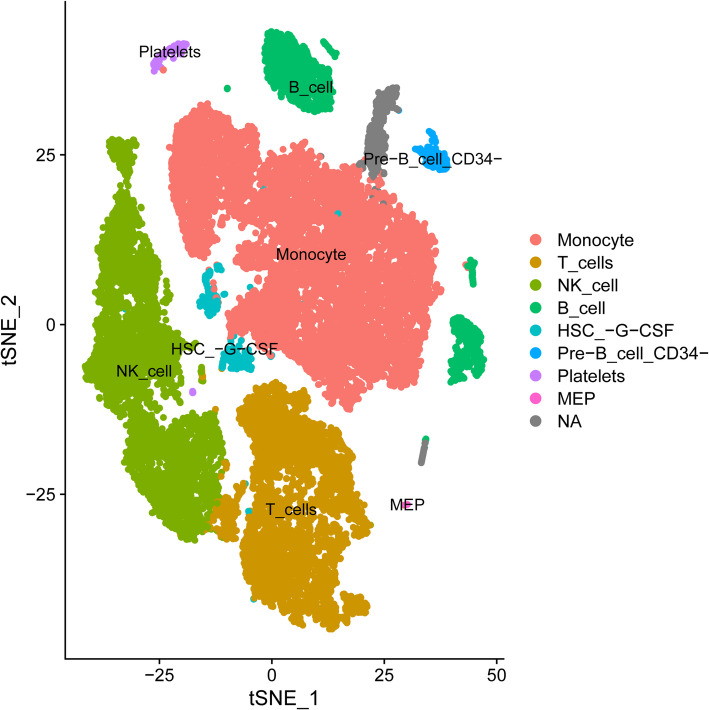
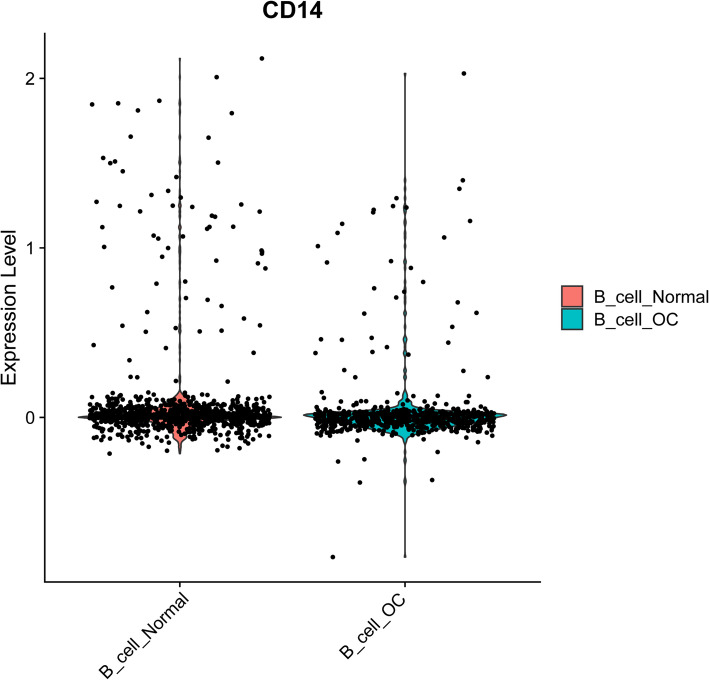
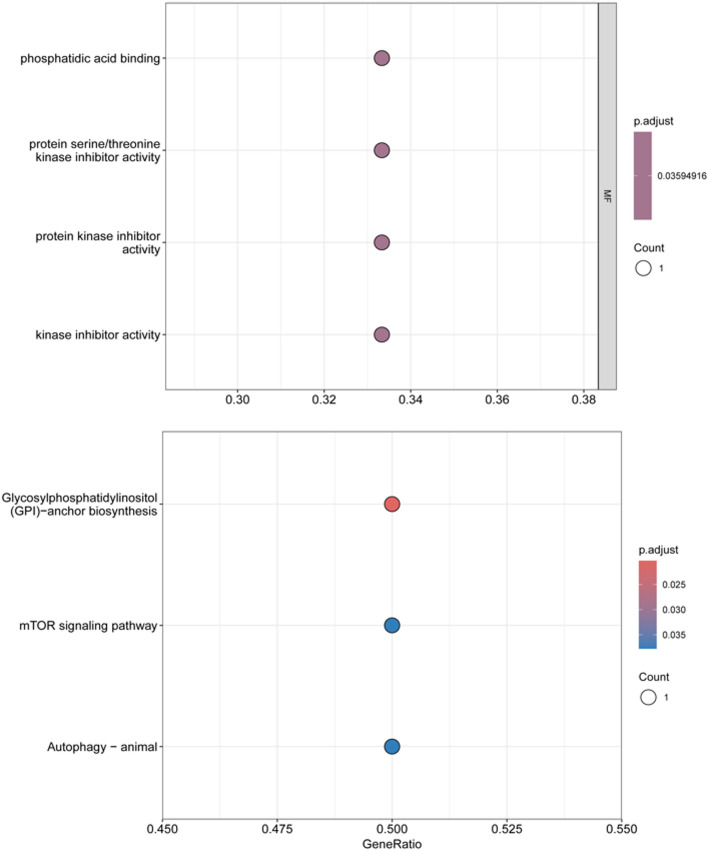
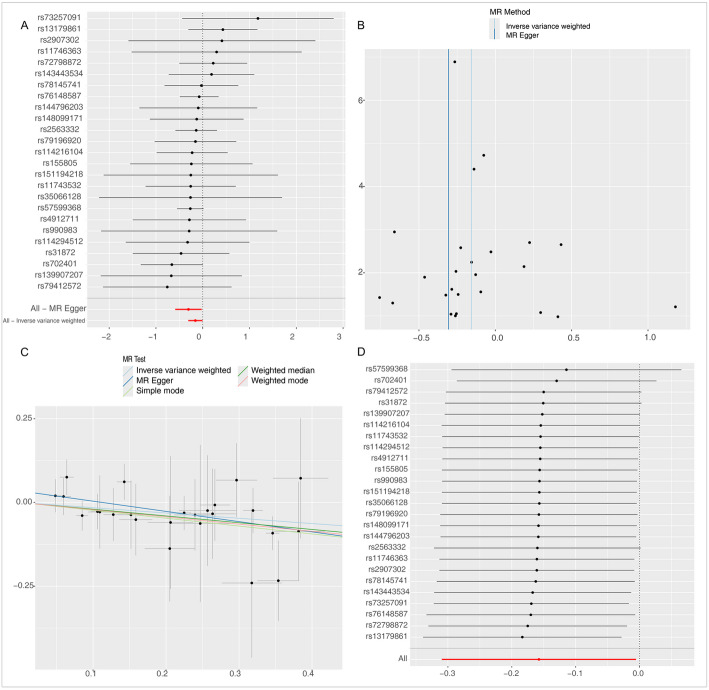
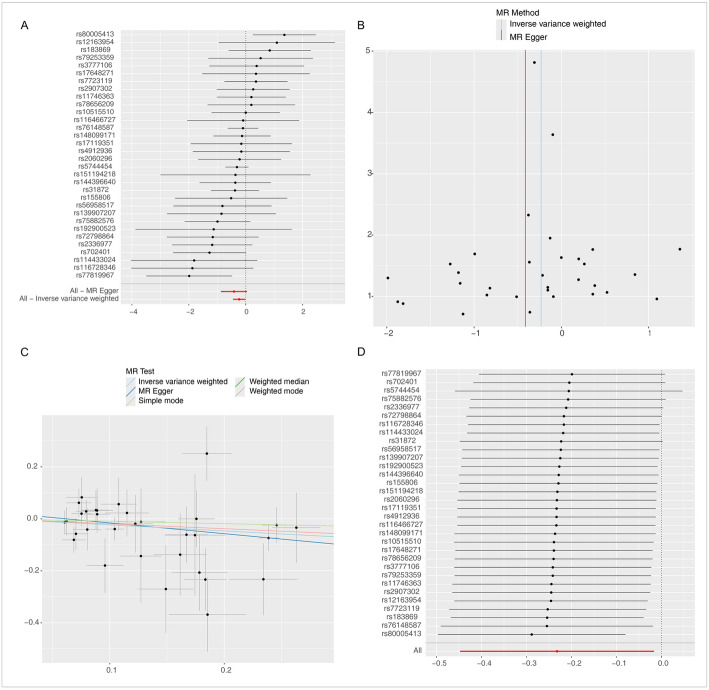
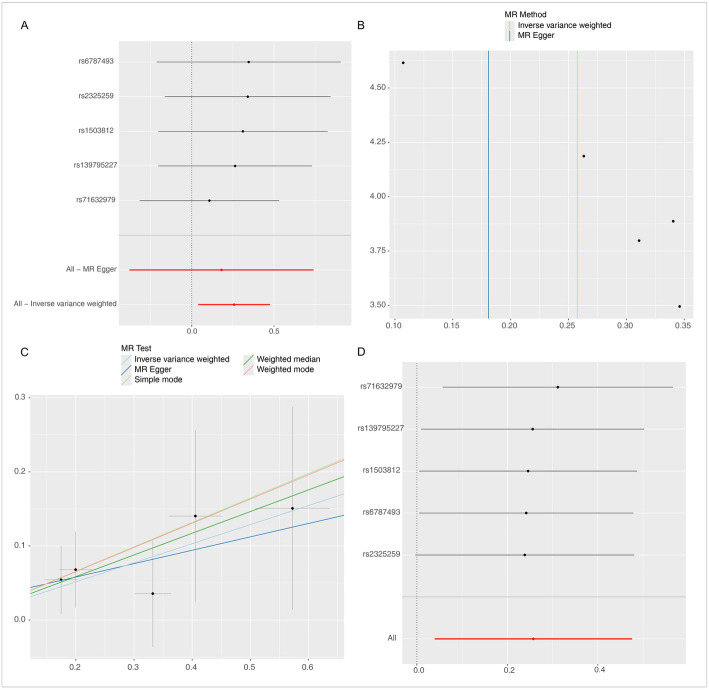
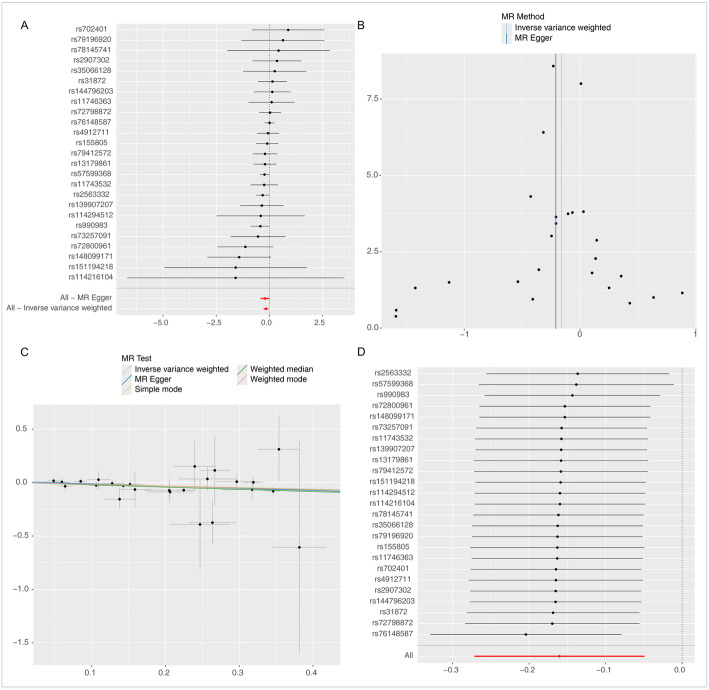
This study employed single-cell RNA sequencing (scRNA-seq) to analyze peripheral blood mononuclear cells (PBMCs) from ovarian cancer patients and healthy donors. Differential gene expression analysis identified CD14 as a critical gene in B cells. Mendelian randomization (MR) analysis, using exposure data from eQTL and pQTL databases, was performed to evaluate the association between CD14 and ovarian cancer risk. Mediation analysis was conducted to assess the role of CD80 on myeloid dendritic cells in mediating the relationship between CD14 and ovarian cancer.
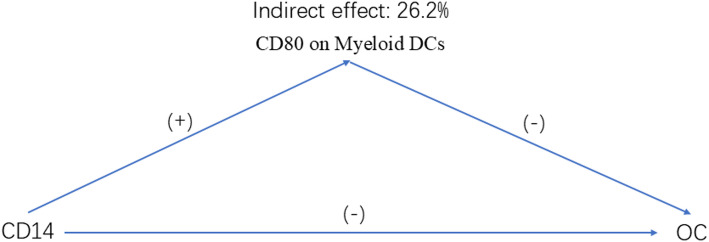
The analysis demonstrated that CD14 expression was significantly downregulated in B cells from ovarian cancer patients compared to healthy donors. MR analysis revealed a significant association between elevated CD14 expression and reduced ovarian cancer risk. Mediation analysis indicated that CD80 mediated 26.2% of this effect.
These findings highlight CD14 as a key regulator of ovarian cancer risk, with CD80 serving as a mediator of the immune response in this context. This study provides insights into potential immune modulation strategies for ovarian cancer therapy.
卵巢癌(OC)是一种侵袭性很强的恶性肿瘤,其特征是免疫微环境复杂。B细胞是免疫调节的重要组成部分,与卵巢癌的进展有关。然而,B细胞和免疫分子影响卵巢癌风险的具体机制仍知之甚少。
本研究采用单细胞RNA测序(scRNA-seq)分析卵巢癌患者和健康供体的外周血单核细胞(PBMC)。差异基因表达分析确定CD14是B细胞中的关键基因。利用来自eQTL和pQTL数据库的暴露数据进行孟德尔随机化(MR)分析,以评估CD14与卵巢癌风险之间的关联。进行中介分析以评估髓样树突状细胞上的CD80在介导CD14与卵巢癌关系中的作用。
分析表明,与健康供体相比,卵巢癌患者B细胞中CD14的表达显著下调。MR分析显示CD14表达升高与卵巢癌风险降低之间存在显著关联。中介分析表明,CD80介导了这种效应的26.2%。
这些发现突出了CD14作为卵巢癌风险的关键调节因子,在这种情况下CD80作为免疫反应的介质。本研究为卵巢癌治疗的潜在免疫调节策略提供了见解。