Borisenko Aleksander A, Bobrysheva Tatyana N, Zolotoreva Marina S, Anisimov Georgiy S, Borisenko Aleksey A, Alexeev Dmitry G, Razinkova Victoria G, Greseva Ekaterina G, Avanesyan Svetlana S, Sizonenko Marina N, Ulrih Natasa Poklar, Dzinamarira Itai S
Faculty of Food Engineering and Biotechnology named after Academician A.G. Khramtsov, North-Caucasus Federal University, Stavropol 355017, Russia.
Biotechnical Faculty, University of Ljubljana, Ljubljana 1000, Slovenia.
Food Chem (Oxf). 2025 May 27;10:100261. doi: 10.1016/j.fochms.2025.100261. eCollection 2025 Jun.
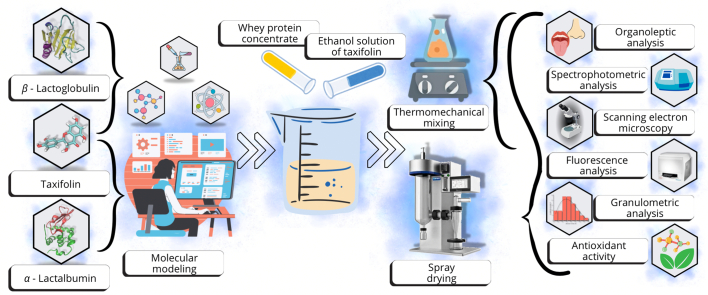
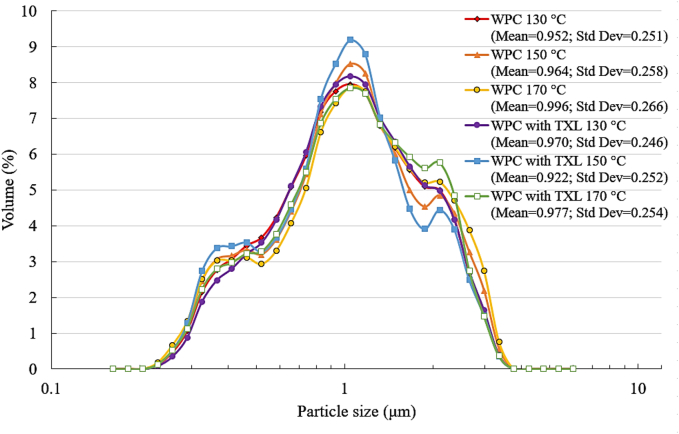
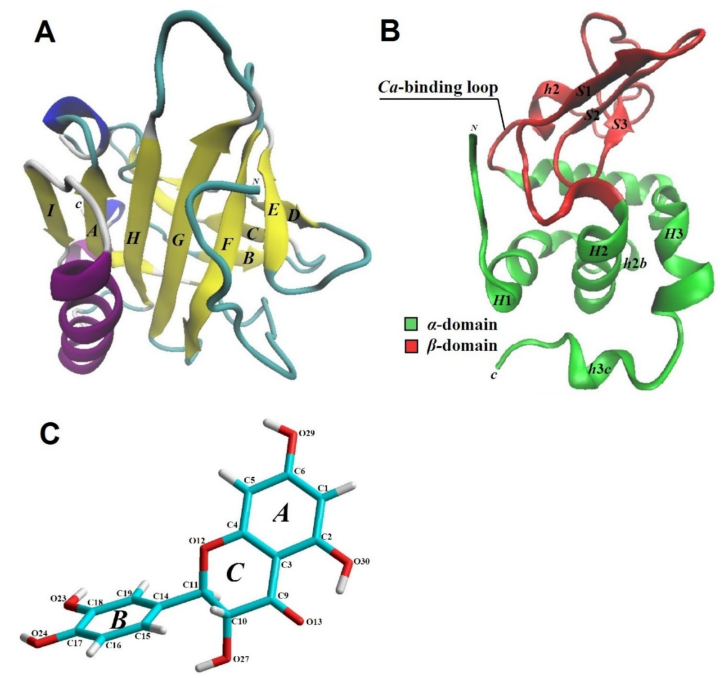
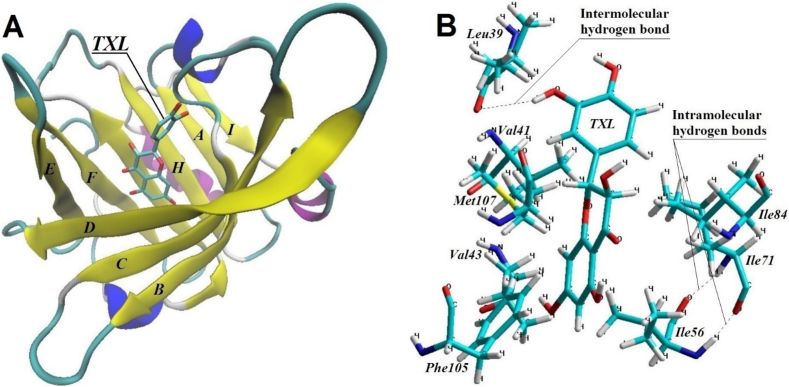
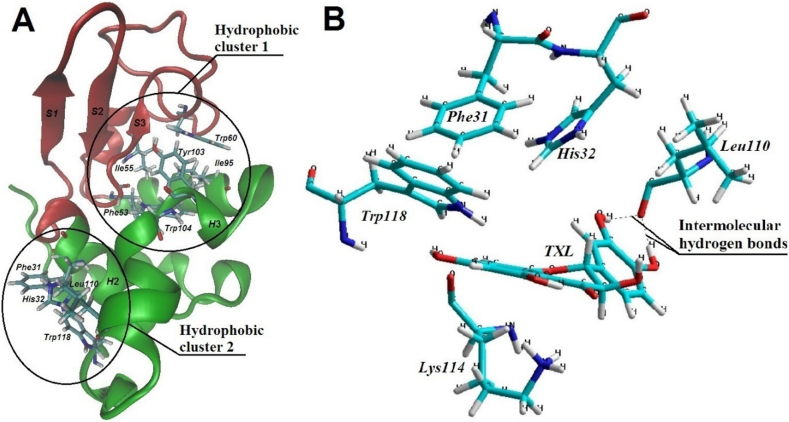
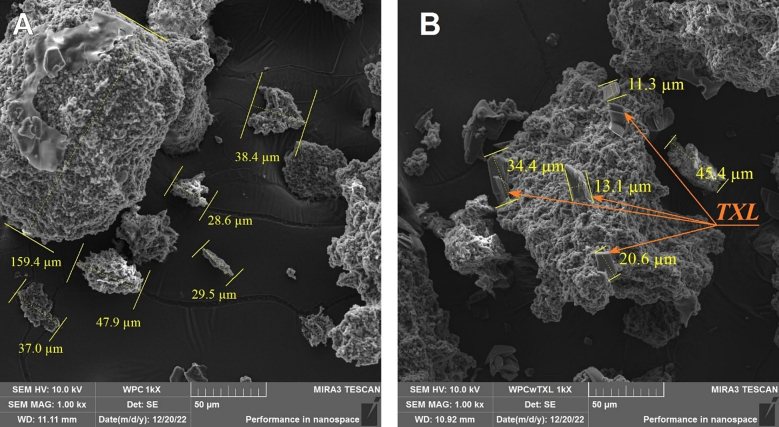
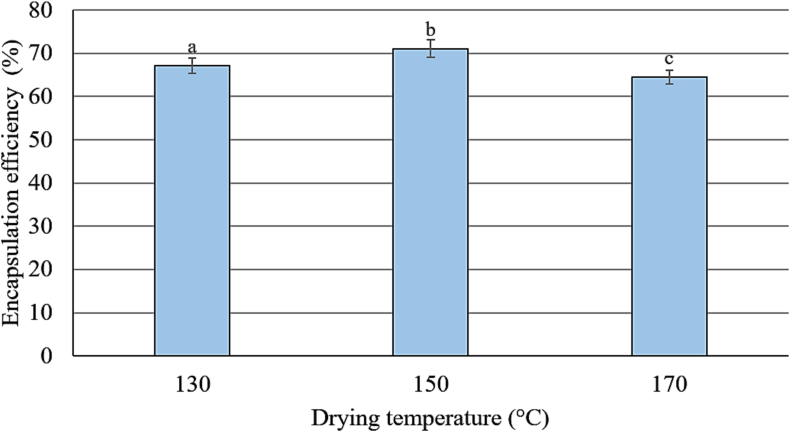
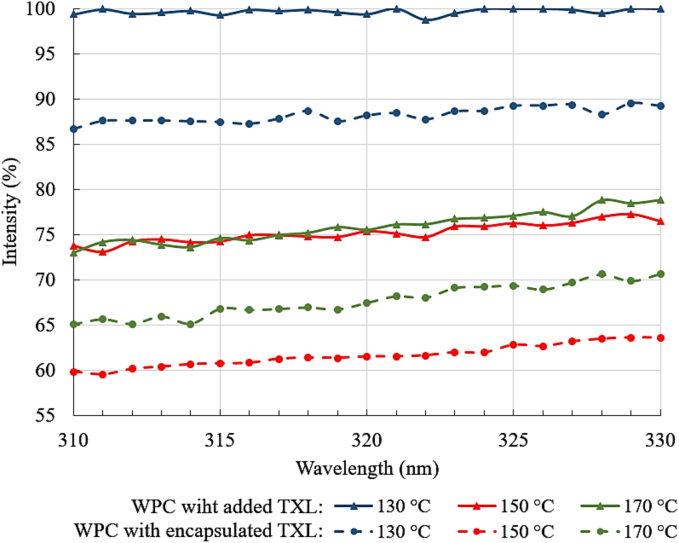
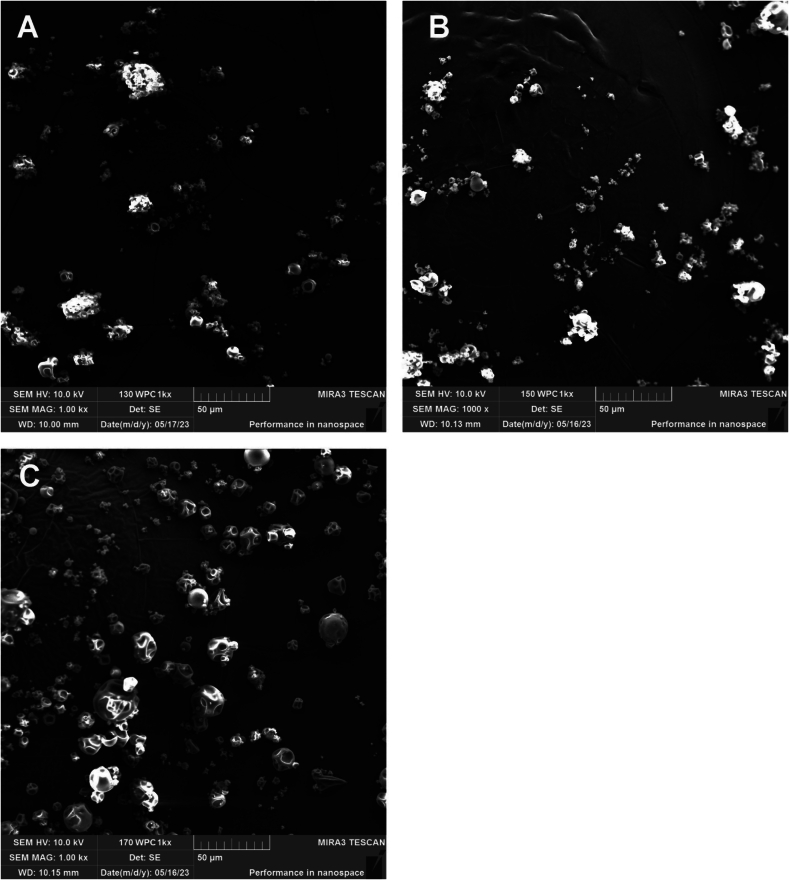
Taxifolin (TXL) is a minor bioactive compound from the polyphenol class that may significantly impact human metabolism when included in food products. However, its application is limited by a bitter taste and low bioavailability. We hypothesized that encapsulating TXL in whey proteins using thermomechanical mixing or spray drying could effectively mask its bitterness and enhance bioavailability. Computational simulations indicated that each molecule of β-lactoglobulin (β-Lg) and α-lactalbumin (α-La) can bind at least one TXL molecule. Consequently, experiments used an equimolar ratio of whey proteins to TXL (1:1). Thermomechanical stirring of liquid whey protein concentrate (WPC) at 80 ± 2 °C followed by lyophilisation formed protein aggregates up to 160 μm in size, incorporating large TXL crystals. Encapsulation efficiency was 63 ± 3 %, and the bitter flavour remained unmasked. In contrast, encapsulation via spray drying achieved up to 71 ± 2 % efficiency at an inlet air temperature of 150 °C. The resulting WPC microcapsules, up to 30 μm in size, did not contain large TXL crystals, and bitterness was fully masked. This aligns with the observed reduction in TXL's antioxidant activity. After disrupting WPC microcapsules with ethanol, antioxidant activity of the polyphenol was nearly fully restored. These findings suggest that when such microcapsules are ingested with food, the antioxidant activity of TXL will be expressed in the intestine following proteins breakdown. The results may support the development of novel food products containing whey proteins with encapsulated TXL.
紫杉叶素(TXL)是一种来自多酚类的微量生物活性化合物,当它被添加到食品中时,可能会对人体新陈代谢产生重大影响。然而,它的应用受到苦味和低生物利用度的限制。我们推测,通过热机械混合或喷雾干燥将TXL包封在乳清蛋白中,可以有效掩盖其苦味并提高生物利用度。计算模拟表明,β-乳球蛋白(β-Lg)和α-乳白蛋白(α-La)的每个分子至少可以结合一个TXL分子。因此,实验使用了等摩尔比的乳清蛋白与TXL(1:1)。在80±2°C下对液体乳清蛋白浓缩物(WPC)进行热机械搅拌,然后冻干,形成了尺寸达160μm的蛋白质聚集体,其中包含大的TXL晶体。包封效率为63±3%,苦味仍未被掩盖。相比之下,在150°C的进风温度下通过喷雾干燥进行包封,效率高达71±2%。所得的尺寸达30μm的WPC微胶囊不含大的TXL晶体,苦味被完全掩盖。这与观察到的TXL抗氧化活性降低相一致。用乙醇破坏WPC微胶囊后,多酚的抗氧化活性几乎完全恢复。这些发现表明,当这种微胶囊与食物一起摄入时,TXL的抗氧化活性将在蛋白质分解后在肠道中表达。这些结果可能支持开发含有包封TXL的乳清蛋白的新型食品。