Mushayi Malven, Shimelis Hussein, Derera John, Tesfamariam Seltene Abady
African Centre for Crop Improvement (ACCI), College of Agriculture, Engineering and Science (CAES), University of KwaZulu-Natal, Scottsville, Pietermaritzburg, South Africa.
Seed Co, Rattray Arnold Research Station, Chisipite, Harare, Zimbabwe.
Front Plant Sci. 2025 Jun 3;16:1590870. doi: 10.3389/fpls.2025.1590870. eCollection 2025.
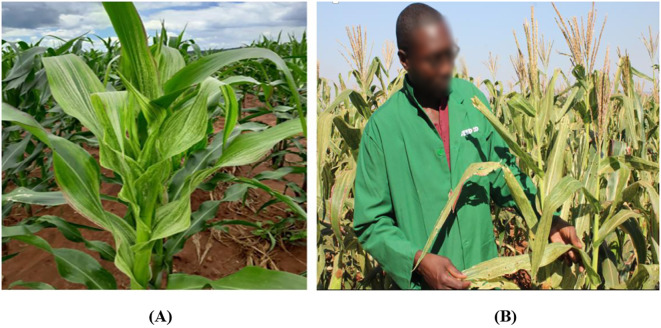
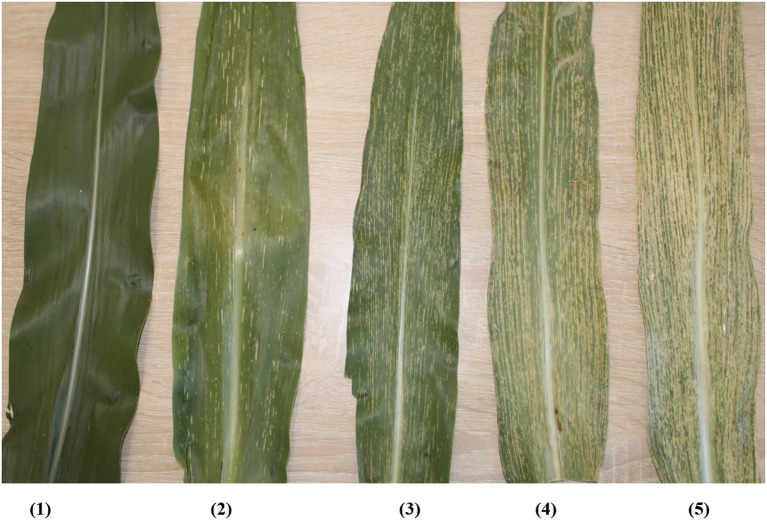
Maize ( L.) is a commodity crop sustaining livelihoods and economies globally. However, maize productivity is challenged by many factors. Maize streak virus disease (MSV) is the most damaging in sub-Saharan Africa (SSA). It causes grain yield losses of up to 100% when susceptible varieties are grown without protection. MSV also affects the quantity and quality of crop biomass and silage production. Therefore, there is a need for effective MSV control strategies to minimize both crop yield and quality losses. Breeding and deploying MSV-resistant varieties is the most sustainable, cost-effective, and amenable control measure, especially for smallholder growers. Hence, breeding for MSV resistance in maize varieties targeted for the smallholder sector in SSA is an integral component of most breeding programs in the region. The aim of this review is to document the challenges posed by MSV, management options, breeding approaches, and progress, as well as provide recommendations and future directions. To gain insight into the host-pathogen interaction for parental selection and breeding, the first section of the paper discusses the impact, biology, host range, symptoms and epidemiology of MSV. The second section reviews breeding progress and research gaps in new variety design with MSV resistance as part of the product profiles. The paper reveals the breeding sources of genetic variation, quantitative trait loci, major- and minor-effect genes for MSV resistance and the disease control in maize. Finally, the review highlights the conventional and modern breeding methods, innovations and prospects for MSV resistance breeding. The review would guide scientists and maize breeders in developing and deploying MSV-resistant maize varieties.
玉米(L.)是一种维持全球生计和经济的商品作物。然而,玉米生产力受到多种因素的挑战。玉米条纹病毒病(MSV)在撒哈拉以南非洲(SSA)危害最大。种植易感品种且无防护措施时,它会导致谷物产量损失高达100%。MSV还会影响作物生物量和青贮饲料生产的数量和质量。因此,需要有效的MSV控制策略,以尽量减少作物产量和质量损失。培育和推广抗MSV品种是最可持续、最具成本效益且最可行的控制措施,尤其对于小农户种植者而言。因此,为SSA小农户部门培育抗MSV的玉米品种是该地区大多数育种计划的一个组成部分。本综述的目的是记录MSV带来的挑战、管理选择、育种方法和进展,并提供建议和未来方向。为了深入了解宿主 - 病原体相互作用以进行亲本选择和育种,本文第一部分讨论了MSV的影响、生物学特性、宿主范围、症状和流行病学。第二部分回顾了以抗MSV作为产品特性之一的新品种设计中的育种进展和研究差距。本文揭示了玉米中MSV抗性的遗传变异育种来源、数量性状位点、主效和微效基因以及病害控制方法。最后,综述强调了抗MSV育种的传统和现代育种方法、创新及前景。该综述将指导科学家和玉米育种者开发和推广抗MSV的玉米品种。