
以藻类甲酯为燃料的CI发动机中诱导氧化铜纳米颗粒热障涂层的优化
Optimization of thermal barrier coating with induced copper oxide nanoparticles in CI engine using algae methyl ester as fuel.
作者信息
Prabhahar M, Prakash S, Dharsan P, Elumalai P V, Xueyi Fang, Hasan Nasim
机构信息
Department of Mechanical Engineering, Aarupadai Veedu Institute of Technology, Vinayaka Mission's Research Foundation, Deemed to be University, Salem, Tamil Nadu, India.
Depertment of Mechanical Engineering, Aditya University, Surampalem, India.
出版信息
Sci Rep. 2025 Jul 1;15(1):21221. doi: 10.1038/s41598-025-02711-7.
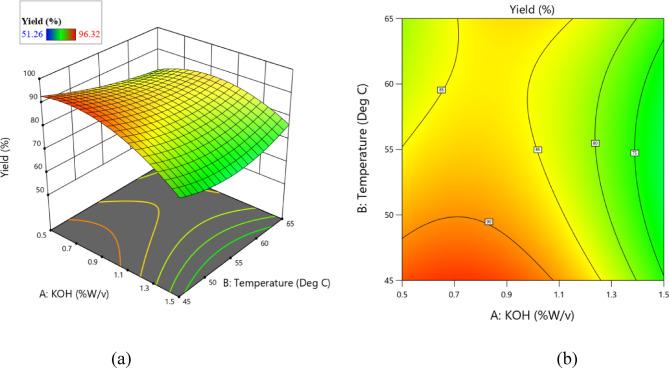
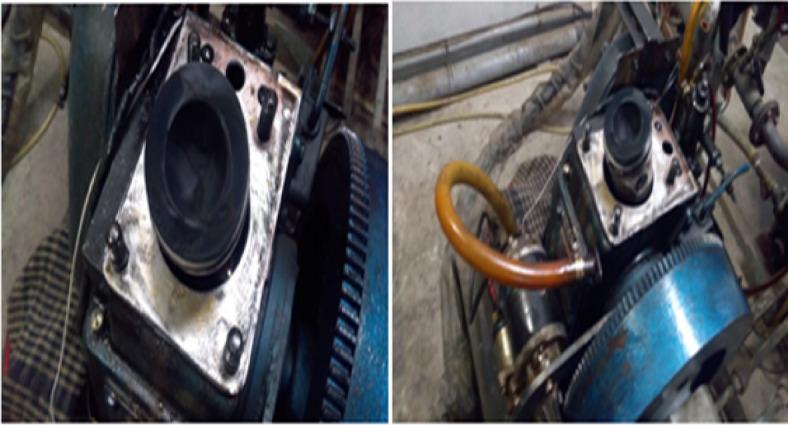
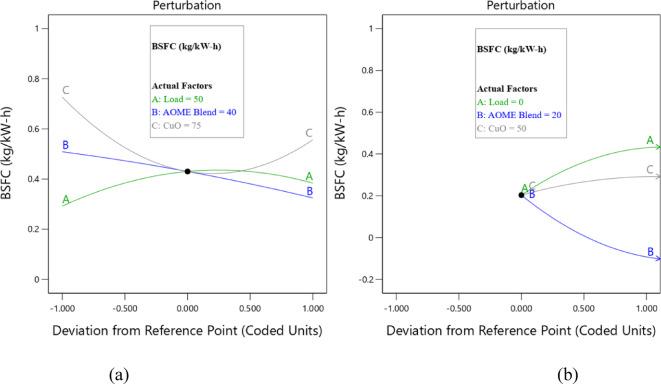
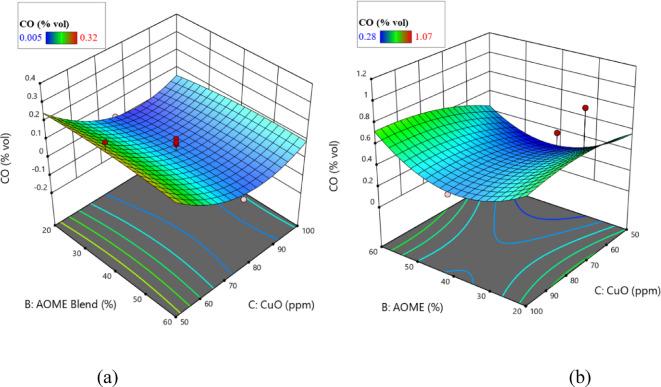
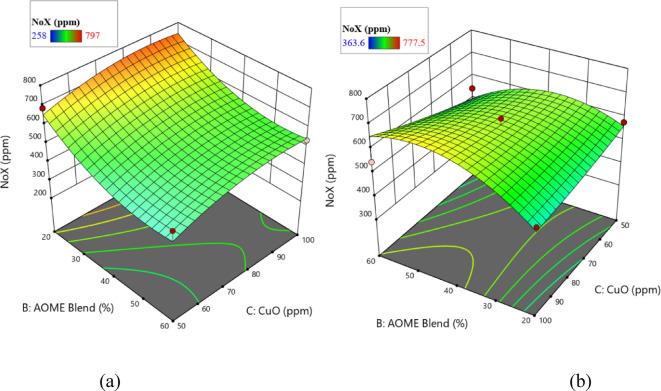
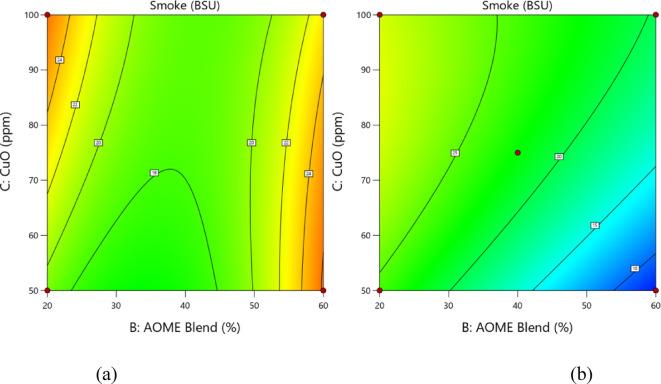
The research investigation of Response Surface Methodology (RSM) optimization to analyze the impact of load, Algae Oil Methyl Ester (AOME), and CuO copper oxide nano-fuel enhancement on engine performance and exhaust gas emissions, employing both normal and YSZ-coated pistons. The maximum yield observed with 96.32% AOME mix with diesel-biodiesel blends (10%, 20%, and 30%), load variations (10, 50, and 100 kg), and CuO concentrations (50, 75, and 100 ppm) Statistical and experimental data reveal that load and CuO concentrations significantly influence NOx emissions, while AOME blends enhance combustion efficiency, impacting Brake Thermal Efficiency (BTE) and Brake Specific Fuel Consumption (BSFC). In normal and coated piston types, load and CuO concentration considerably affect NOx emissions, although the thermal barrier YSZ coating improves performance at the cost of higher peak flame temperatures and NOx emissions. Experimental results show that with a 60% AOME blend, 75 ppm CuO, and a load of 50 kg, the BTE reached 32% with a BSFC of 0.21 kg/kWh for normal pistons, while YSZ-coated pistons achieved a comparable BTE of 31.1% but with higher NOx emissions (385 ppm compared to 560 ppm for normal pistons). Smoke density reductions of 12.5% were observed with YSZ-coated pistons at optimal conditions. Load, CuO concentration, and AOME blend significantly influenced key performance parameters such as BTE, BSFC, NOx, CO, HC, and smoke density. Surface plots and perturbation diagrams highlighted critical interactions, demonstrating the potential of biodiesel blends, CuO additives, and thermal barrier coatings to improve engine efficiency while minimizing smoke emissions, although at the cost of increased NOx levels.
采用响应面法(RSM)优化研究负载、藻类油甲酯(AOME)和氧化铜纳米燃料增强对发动机性能和废气排放的影响,同时使用普通活塞和涂有YSZ的活塞。在AOME与柴油 - 生物柴油混合物(10%、20%和30%)、负载变化(10、50和100千克)以及氧化铜浓度(50、75和100 ppm)的情况下观察到最大产率。统计和实验数据表明,负载和氧化铜浓度对氮氧化物排放有显著影响,而AOME混合物提高了燃烧效率,影响了制动热效率(BTE)和制动比油耗(BSFC)。在普通活塞和涂层活塞类型中,负载和氧化铜浓度对氮氧化物排放有相当大的影响,尽管热障YSZ涂层以更高的峰值火焰温度和氮氧化物排放为代价提高了性能。实验结果表明,对于普通活塞,在AOME混合物为60%、氧化铜为75 ppm且负载为50千克的情况下,BTE达到32%,BSFC为0.21千克/千瓦时,而涂有YSZ的活塞实现了相当的BTE为31.1%,但氮氧化物排放更高(普通活塞为560 ppm,涂有YSZ的活塞为385 ppm)。在最佳条件下,涂有YSZ的活塞的烟度密度降低了12.5%。负载、氧化铜浓度和AOME混合物对BTE、BSFC、氮氧化物、一氧化碳、碳氢化合物和烟度密度等关键性能参数有显著影响。表面图和扰动图突出了关键相互作用,表明生物柴油混合物、氧化铜添加剂和热障涂层在提高发动机效率同时最小化烟雾排放方面的潜力,尽管以增加氮氧化物水平为代价。











 Zotero 插件