Kabalan Yasmin, Tylkowski Bartosz, De La Flor Silvia, Giamberini Marta, Montané Xavier
Department of Chemical Engineering, Universitat Rovira i Virgili, Av. Països Catalans 26, 43007, Tarragona, Spain.
Eurecat, Centre Tecnològic de Catalunya, Unitat de Tecnologia Química, C/ Marcel·lí Domingo 2, Tarragona, 43007, Spain.
Sci Rep. 2025 Jul 1;15(1):22215. doi: 10.1038/s41598-025-05352-y.
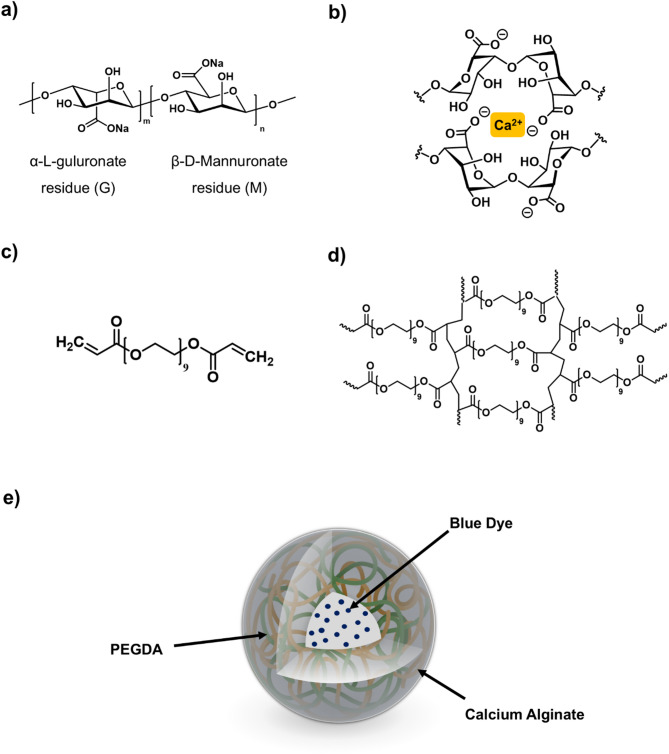
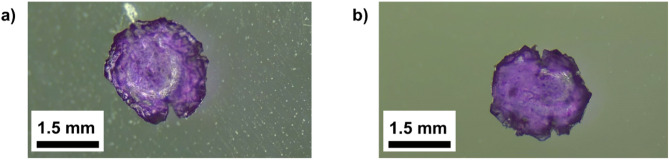
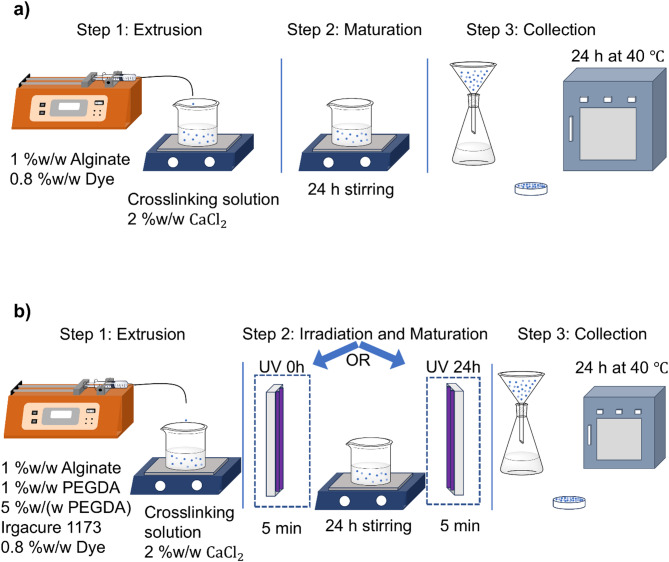
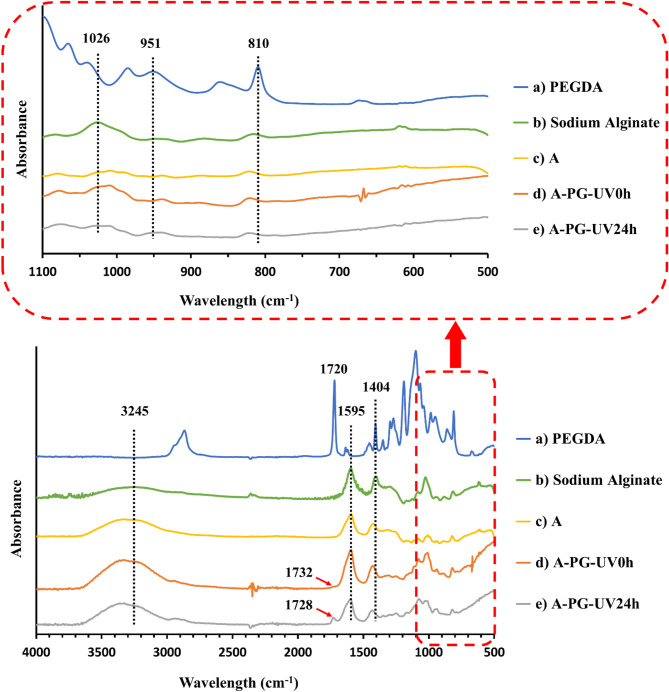
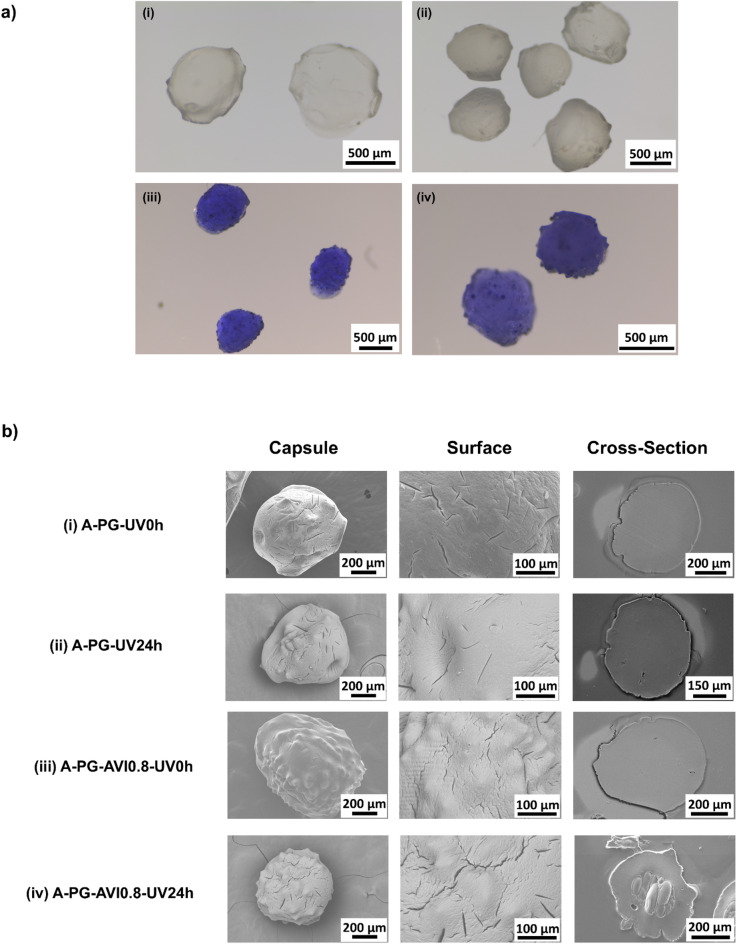
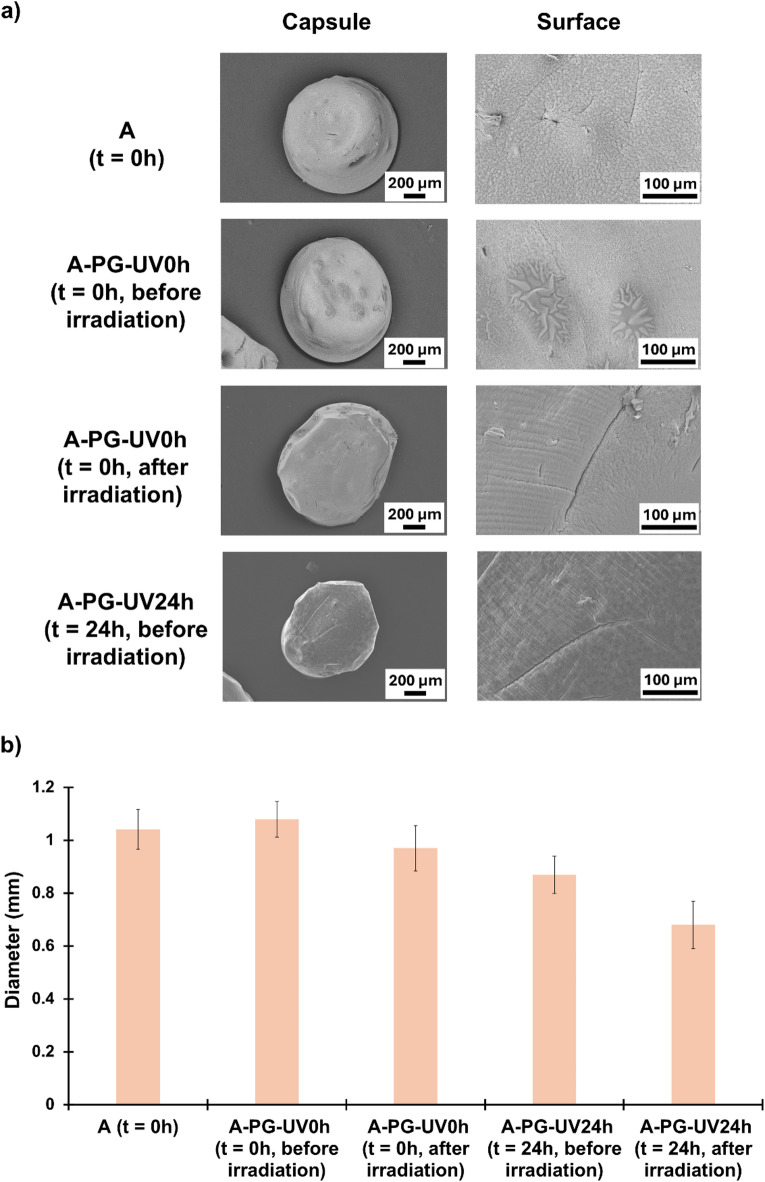
Encapsulation technologies have been utilized in laundry detergents mainly as formaldehyde-based capsules which are commonly used to encapsulate active compounds like fragrances, bluing agents and fluorescent whitening agents. Nevertheless, formaldehyde derived materials are toxic, carcinogenic, and non-biodegradable leading to an increase in the microplastic pollution in oceans and consequently harming the marine life. Therefore, the researchers are currently tending towards the replacement of these components by biobased ones. In this work, we present the synthesis of capsules with more than one shell using biodegradable polymers to replace these materials. Moreover, the blue dye used in laundry detergent industry was successfully encapsulated in biodegradable capsules formed by an interpenetrating network of alginate and poly(ethylene glycol) diacrylate (PEGDA) prepared using different conditions. Besides, the capsules were characterized to study their chemical, morphological, thermal, and mechanical properties, to evaluate their water solubility, and to determine how the composition and the preparation methods can affect their properties. The novelty of this system lies in evaluating how modifying a previously reported system using poly(ethylene glycol) dimethacrylate (PEGDMA) and alginate as shells -achieved by replacing the PEGDMA diacrylic monomer with PEGDA- affects the morphology and properties of the resulting capsules. It has been shown that the capsules with PEGDA exhibited improved thermal and mechanical properties compared to the previously described system, which could make them more suitable for their intended applications.
包封技术已主要作为基于甲醛的胶囊应用于洗衣粉中,这些胶囊通常用于包封香料、增蓝剂和荧光增白剂等活性化合物。然而,甲醛衍生材料有毒、致癌且不可生物降解,导致海洋中的微塑料污染增加,进而危害海洋生物。因此,研究人员目前倾向于用生物基材料替代这些成分。在这项工作中,我们展示了使用可生物降解聚合物合成具有多层壳的胶囊以替代这些材料。此外,洗衣粉行业中使用的蓝色染料成功地被包封在由藻酸盐和聚(乙二醇)二丙烯酸酯(PEGDA)通过不同条件制备的互穿网络形成的可生物降解胶囊中。此外,对胶囊进行了表征,以研究其化学、形态、热和机械性能,评估其水溶性,并确定组成和制备方法如何影响其性能。该系统的新颖之处在于评估通过用PEGDA替代PEGDMA二丙烯酸单体来改性先前报道的以聚(乙二醇)二甲基丙烯酸酯(PEGDMA)和藻酸盐为壳的系统如何影响所得胶囊的形态和性能。结果表明,与先前描述的系统相比,含有PEGDA的胶囊表现出更好的热性能和机械性能,这可能使其更适合其预期应用。