Dekkar Sanaa, Mahloul Kamilia, Falco Amandine, Konate Karidia, Pisteur Romane, Maurel Sarah, Maïmoun Laurent, Chauvet Norbert, Boisguérin Prisca, Nocca David, Sultan Ariane, Pallot Florian, Walther Guillaume, Cenac Nicolas, Breuker Cyril, Faure Sandrine, de Santa Barbara Pascal
PHYMEDEXP, University of Montpellier, INSERM, CNRS, Montpellier, France.
IRSD, INSERM, INRAe, ENVT, UPS, University of Toulouse, Toulouse, France.
J Biomed Sci. 2025 Jul 12;32(1):67. doi: 10.1186/s12929-025-01163-5.
Clinical research has identified stomach dysmotility as a common feature of obesity. However, the specific mechanisms driving gastric emptying dysfunction in patients with obesity remain largely unknown. In this study, we investigated potential mechanisms by focusing on the homeostasis of gastric smooth muscle.
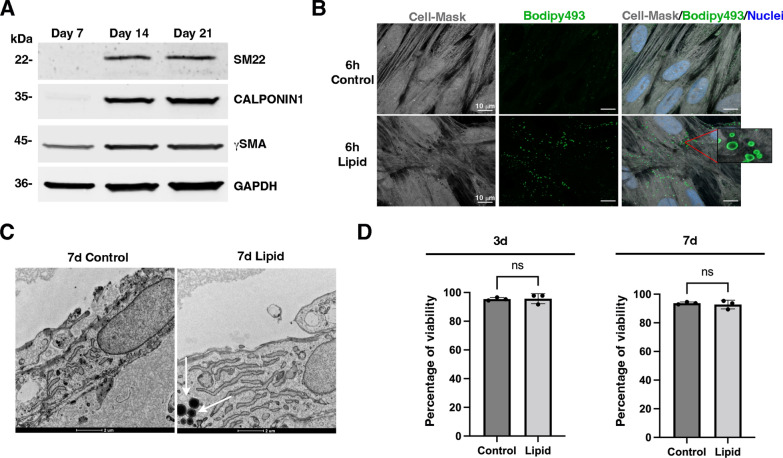
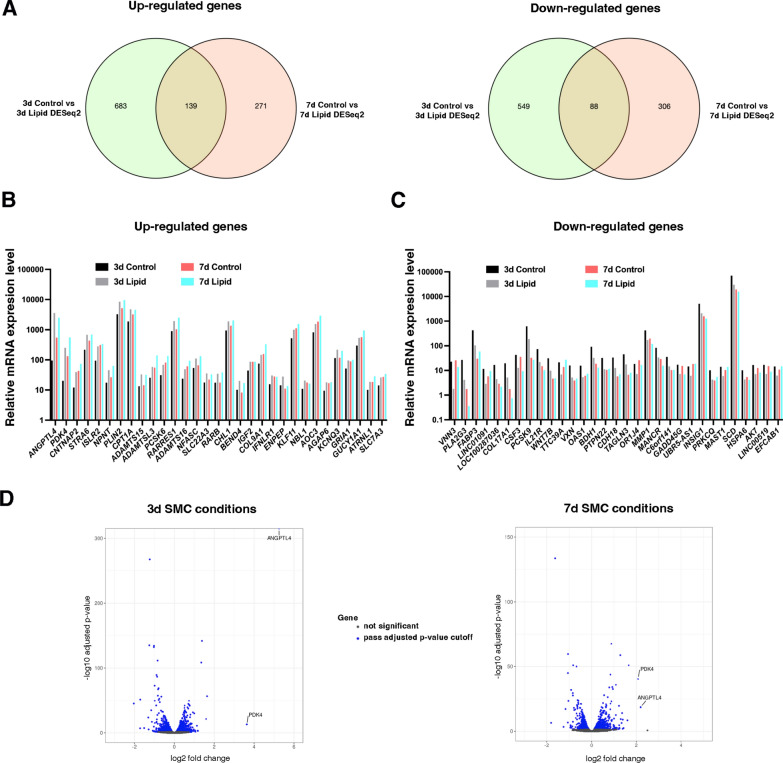
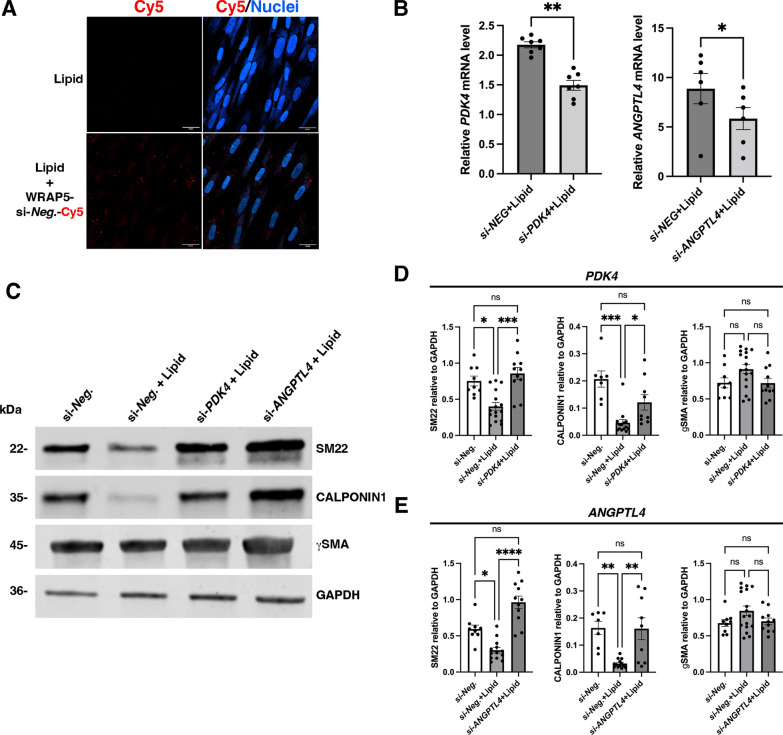
An obese mouse model was established using a high-fat diet (HFD). Immunofluorescence analysis and Western blotting were employed to assess smooth muscle status using stage-specific markers. An in vitro culture model of differentiated human gastric smooth muscle cells (SMCs) was treated with lipids, siRNA-peptide-based nanoparticles and pharmaceutical compounds. Global lipidomic and RNA sequencing analyses were performed. The findings were evaluated in patients with obesity, using gastric samples from individuals who underwent sleeve gastrectomy, to evaluate their clinical relevance.
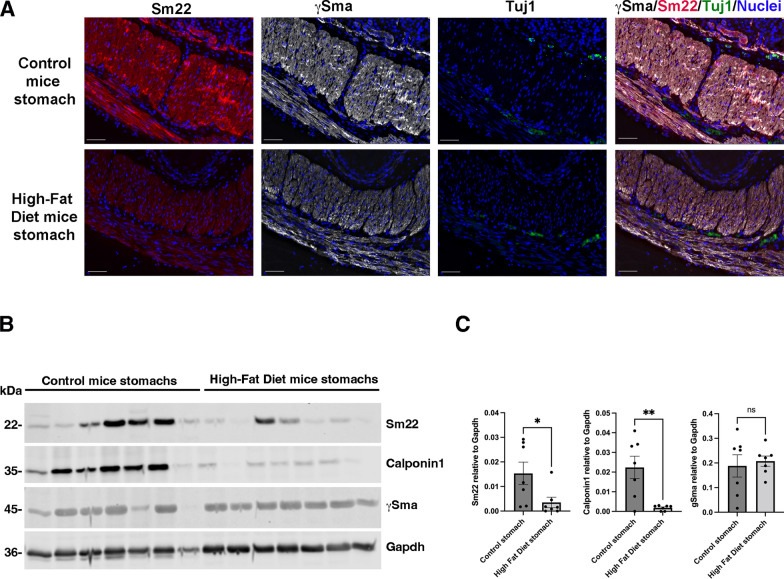
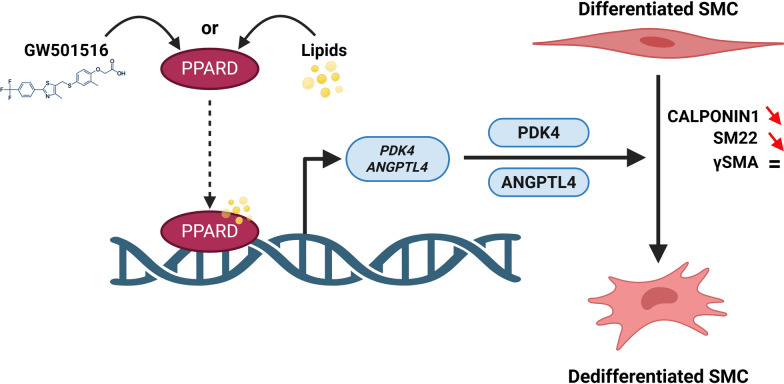
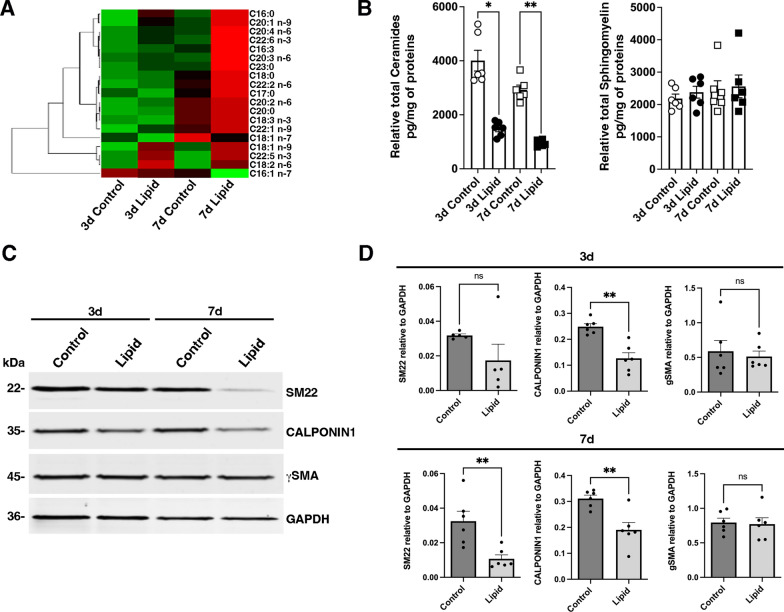
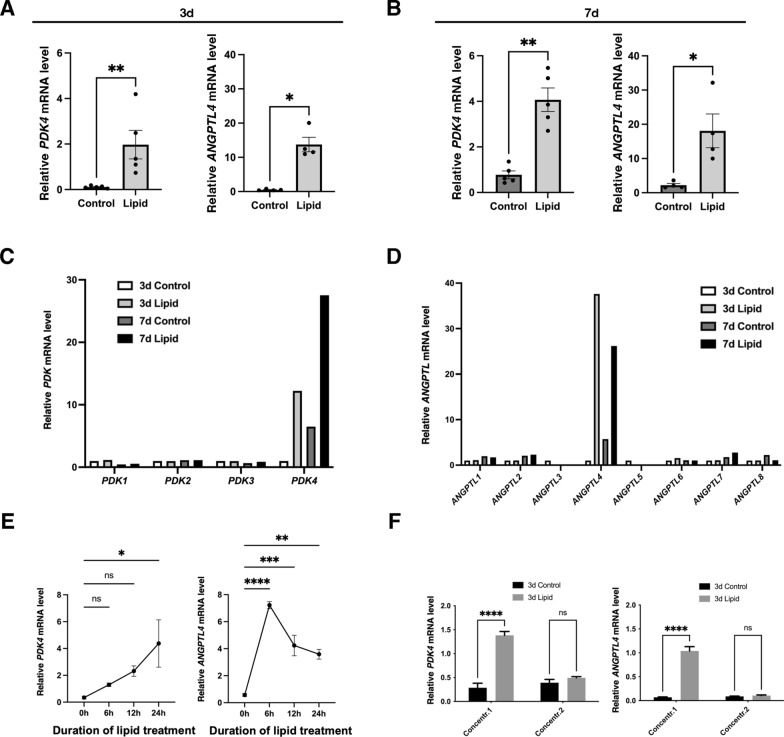
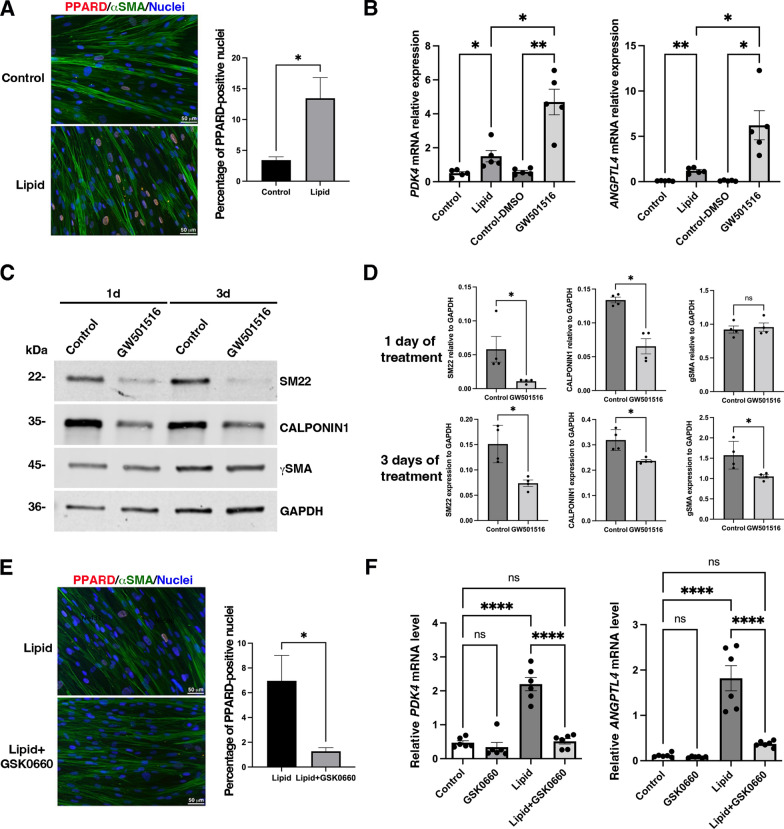
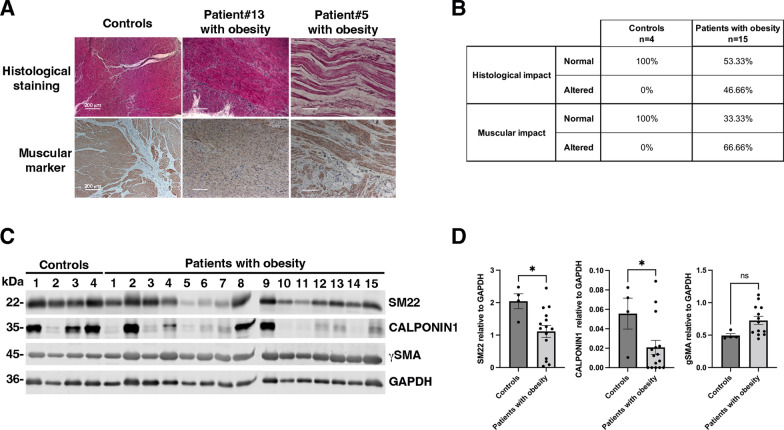
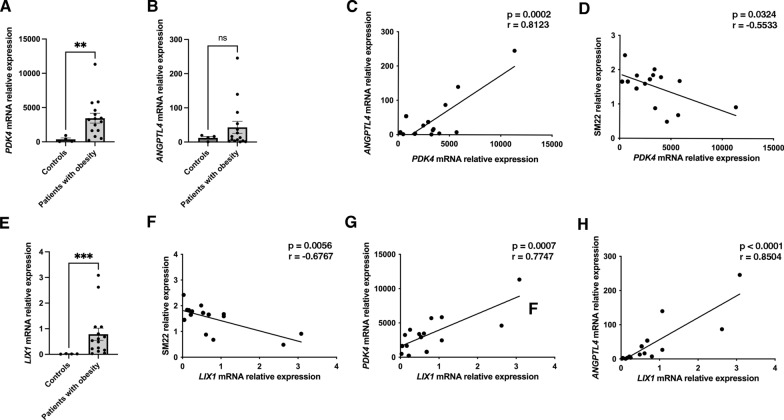
The smooth muscle layers in gastric tissue from both mice fed on a HFD as well as patients with obesity exhibited altered differentiation status. Treatment of differentiated human gastric SMCs with lipids phenocopies these alterations and is associated with increased expression of PDK4 and ANGPTL4. Inhibition of PDK4 or ANGPTL4 upregulation prevents these lipid-induced modifications. PPARD activation stimulates PDK4 and ANGPTL4 upregulation, leading to SMC dedifferentiation. Notably, PDK4 and ANGPTL4 levels correlate with immaturity and alteration of gastric smooth muscle in patients with obesity.
Obesity triggers a phenotypic change in gastric SMCs, driven by the activation of the PPARD/PDK4/ANGPTL4 pathway. These mechanistic insights offer potential biomarkers for diagnosing stomach dysmotility in patients with obesity.
临床研究已确定胃动力障碍是肥胖的一个常见特征。然而,肥胖患者胃排空功能障碍的具体机制仍 largely 未知。在本研究中,我们通过关注胃平滑肌的稳态来研究潜在机制。
使用高脂饮食(HFD)建立肥胖小鼠模型。采用免疫荧光分析和蛋白质印迹法,使用阶段特异性标志物评估平滑肌状态。用脂质、基于 siRNA 肽的纳米颗粒和药物化合物处理分化的人胃平滑肌细胞(SMC)的体外培养模型。进行全局脂质组学和 RNA 测序分析。使用接受袖状胃切除术患者的胃样本,对肥胖患者的研究结果进行评估,以评估其临床相关性。
喂食 HFD 的小鼠以及肥胖患者的胃组织中的平滑肌层均表现出分化状态改变。用脂质处理分化的人胃 SMC 可模拟这些改变,并与 PDK4 和 ANGPTL4 的表达增加相关。抑制 PDK4 或 ANGPTL4 的上调可防止这些脂质诱导的修饰。PPARD 激活刺激 PDK4 和 ANGPTL4 的上调,导致 SMC 去分化。值得注意的是,PDK4 和 ANGPTL4 的水平与肥胖患者胃平滑肌的不成熟和改变相关。
肥胖通过 PPARD/PDK4/ANGPTL4 途径的激活触发胃 SMC 的表型变化。这些机制性见解为诊断肥胖患者的胃动力障碍提供了潜在的生物标志物。