El Kamali Layla, Nagy Peter, Girard Justine, Buchon Nicolas, Mavingui Patrick, El-Kalamouni Chaker, Osman Dani
University of La Réunion, INSERM U1187, CNRS UMR 9192, IRD UMR 249, Unité Mixte Processus Infectieux en Milieu Insulaire Tropical (UMR PIMIT), Plateforme Technologique CYROI, 97490, Sainte Clotilde, France.
Lebanese University, Faculty of Sciences III Lebanese University Tripoli Lebanon, Azm Center for Research in Biotechnology and its Applications (LBA3B, EDST), Tripoli Lebanon.
bioRxiv. 2025 Jun 25:2025.06.25.661044. doi: 10.1101/2025.06.25.661044.
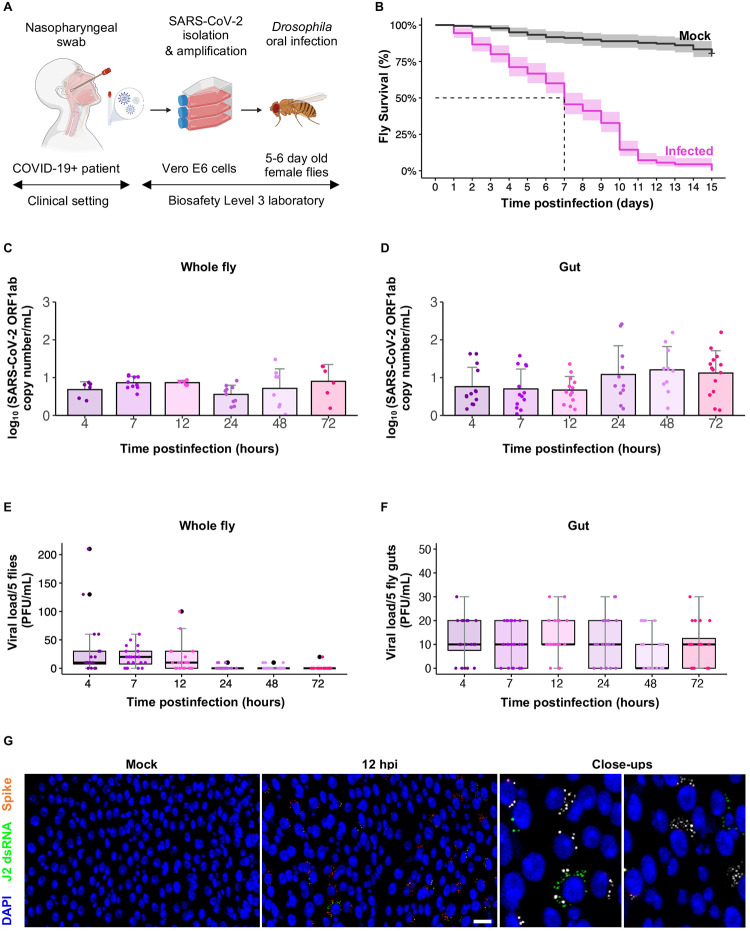
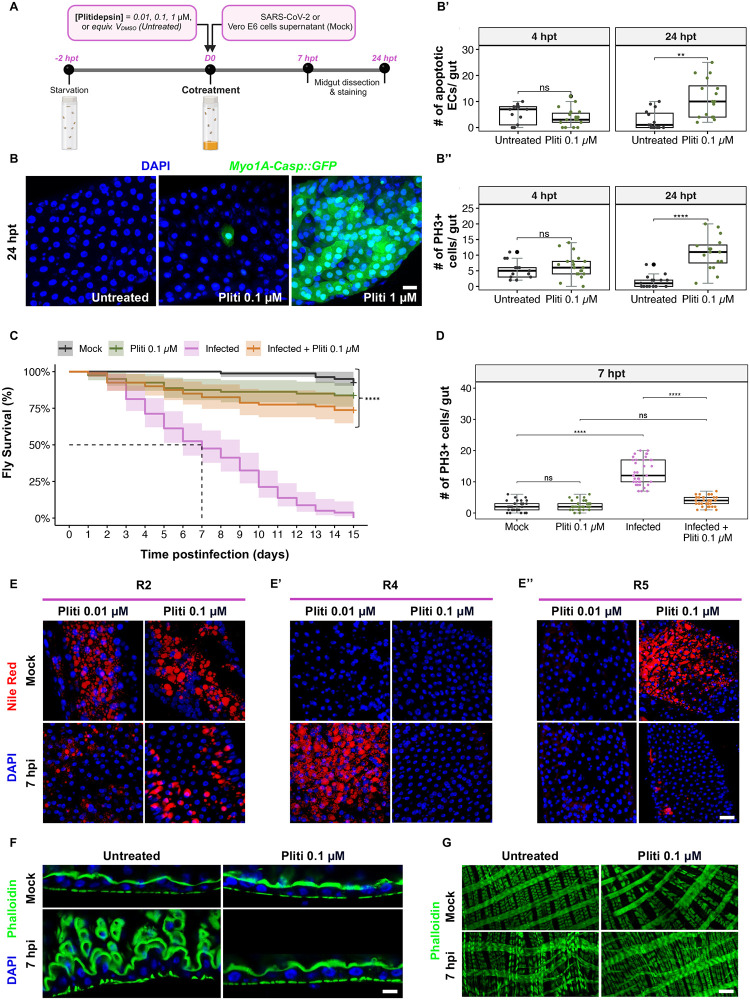
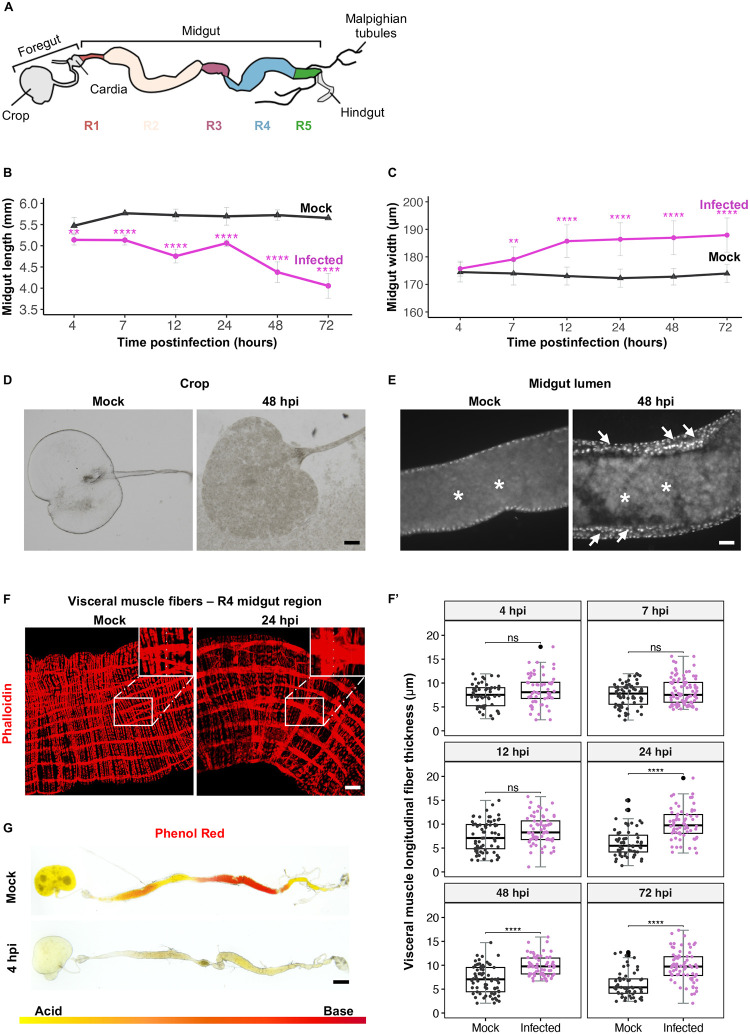
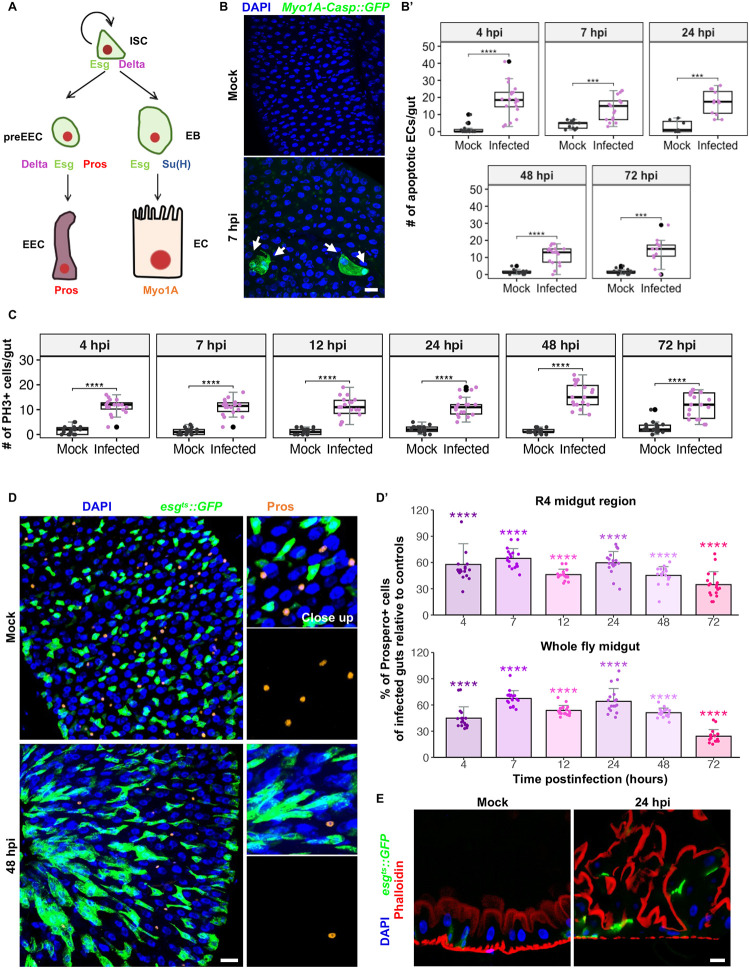
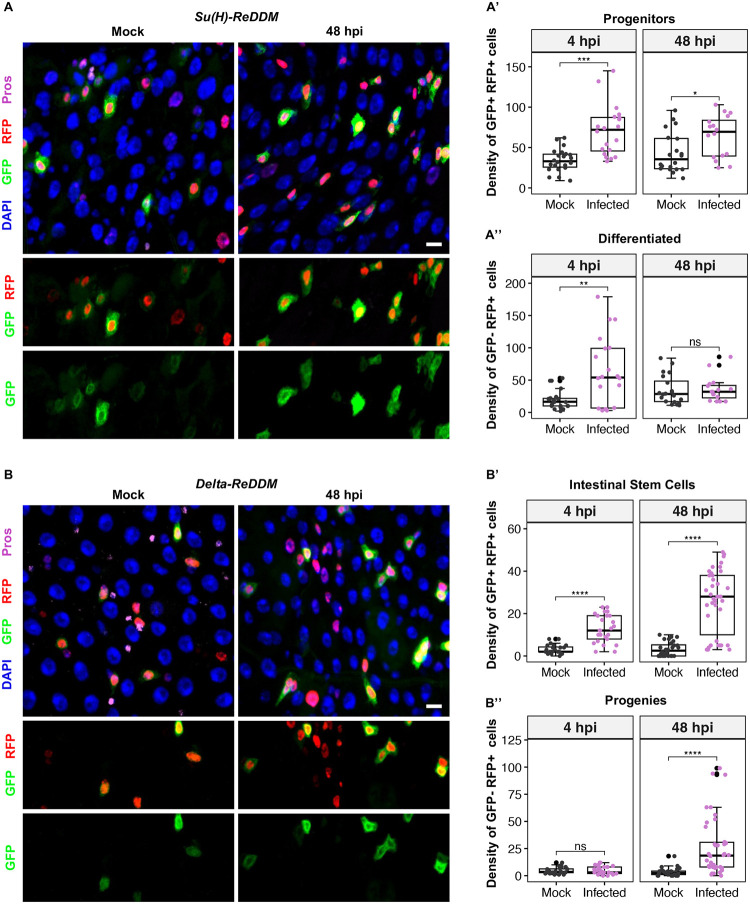
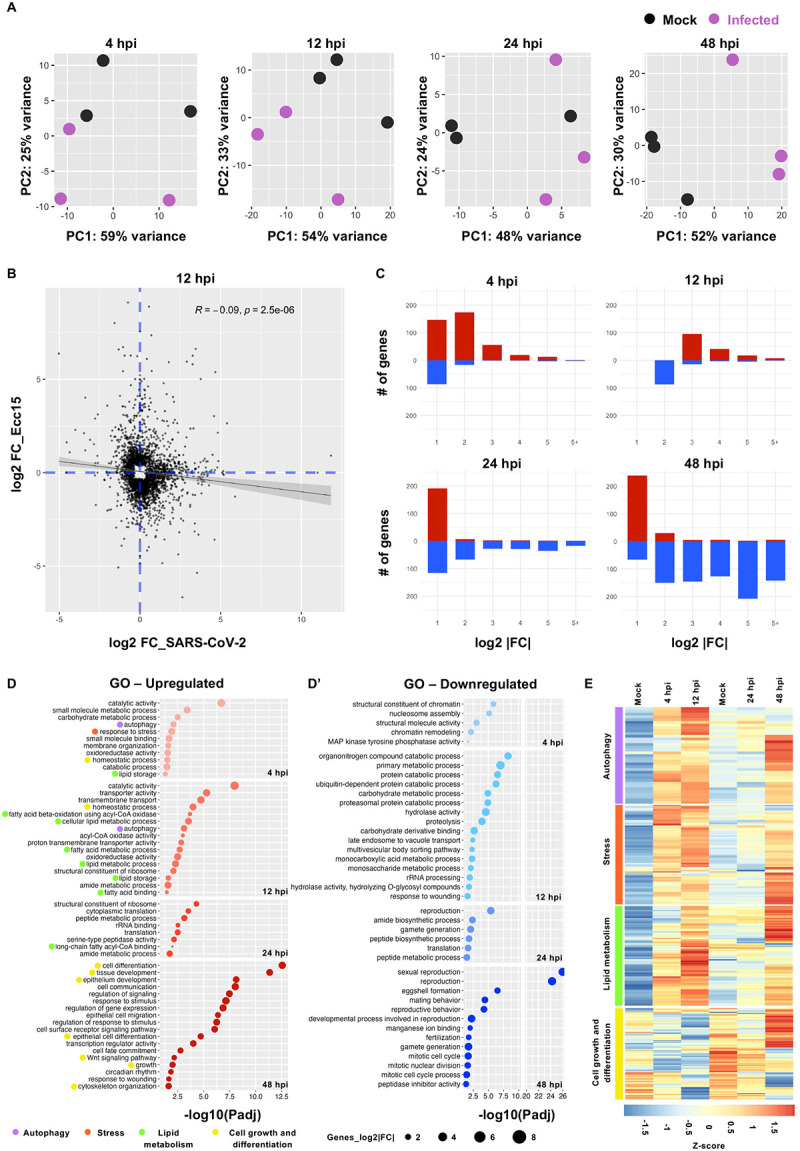
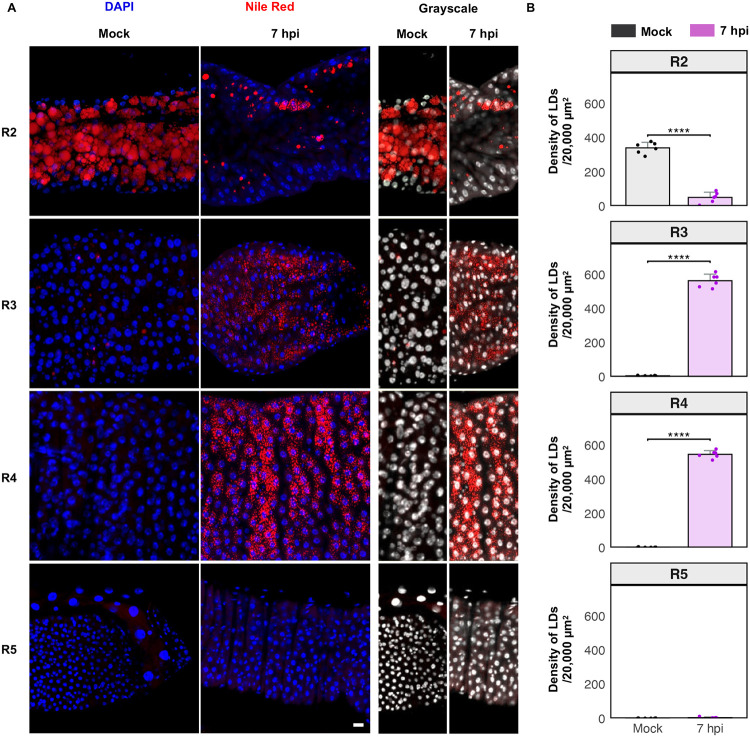
Gastrointestinal (GI) manifestations have been increasingly reported in COVID-19 patients. Here, we use the midgut model to investigate SARS-CoV-2-induced GI pathogenesis. The fly midgut exhibits susceptibility to orally administered virus, resulting in disrupted epithelial architecture, reduced organ size, and altered visceral muscle dynamics. These effects are accompanied by sustained proliferation of intestinal stem cells alongside decreased replenishment and viability of differentiated cells. Transcriptomic profiling reveals biphasic perturbations in midgut gene expression, particularly in pathways related to lipid metabolism. Intriguingly, SARS-CoV-2 elicits a dichotomous effect on lipid homeostasis, with lipid droplet accumulation in the posterior midgut and depletion in anterior segments. Treatment with Plitidepsin, a COVID-19 drug candidate, mitigates most SARS-CoV-2 pathogenic features in both the midgut and human pulmonary cells, while modulating basal lipid droplet homeostasis in uninfected conditions. These findings establish the midgut as a potent model for studying SARS-CoV-2 GI pathogenesis and evaluating antiviral compounds.
胃肠道(GI)表现越来越多地在新冠病毒疾病(COVID-19)患者中被报道。在此,我们使用中肠模型来研究严重急性呼吸综合征冠状病毒2(SARS-CoV-2)诱导的胃肠道发病机制。果蝇中肠对口服病毒表现出易感性,导致上皮结构破坏、器官尺寸减小以及内脏肌动力学改变。这些影响伴随着肠道干细胞的持续增殖,同时分化细胞的补充和活力下降。转录组分析揭示了中肠基因表达的双相扰动,特别是在与脂质代谢相关的途径中。有趣的是,SARS-CoV-2对脂质稳态产生了二分效应,在后肠中脂质滴积累,在前肠段中脂质消耗。用普利地辛(一种COVID-19候选药物)治疗可减轻中肠和人肺细胞中大多数SARS-CoV-2致病特征,同时在未感染条件下调节基础脂质滴稳态。这些发现确立了中肠作为研究SARS-CoV-2胃肠道发病机制和评估抗病毒化合物的有力模型。