Sayson Steven G, Ashbaugh Alan, Bauer Lillian C, Smulian George
bioRxiv. 2025 Jun 17:2025.06.17.660080. doi: 10.1101/2025.06.17.660080.
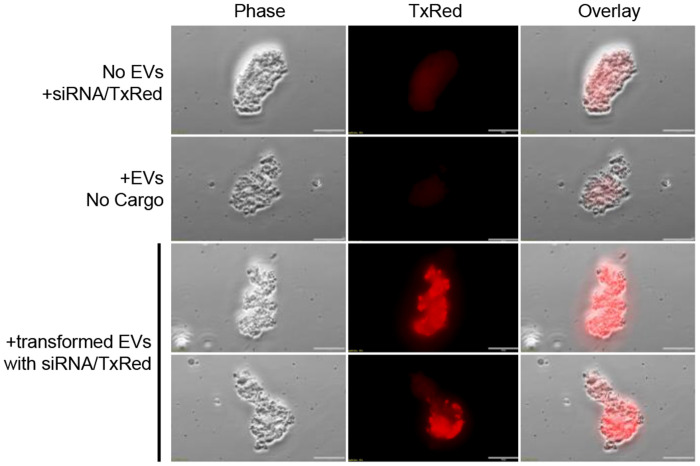
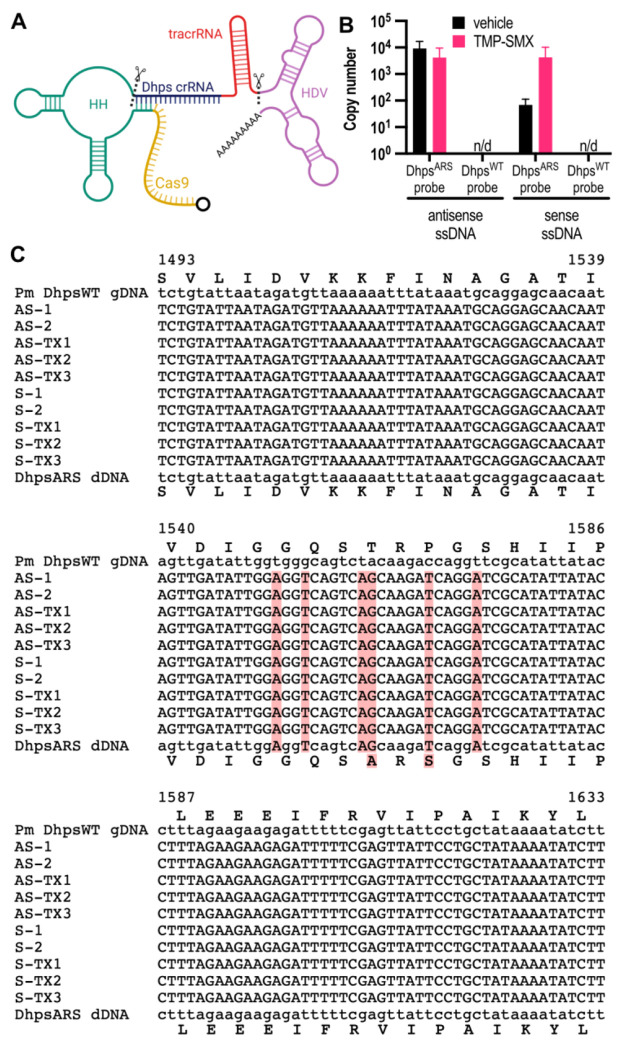
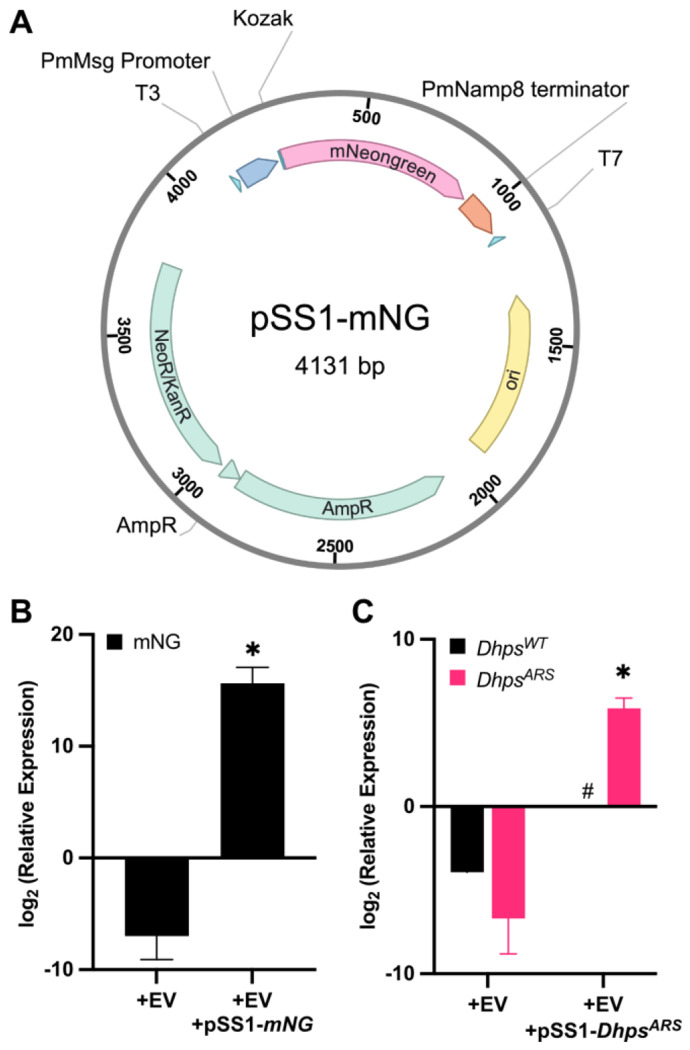
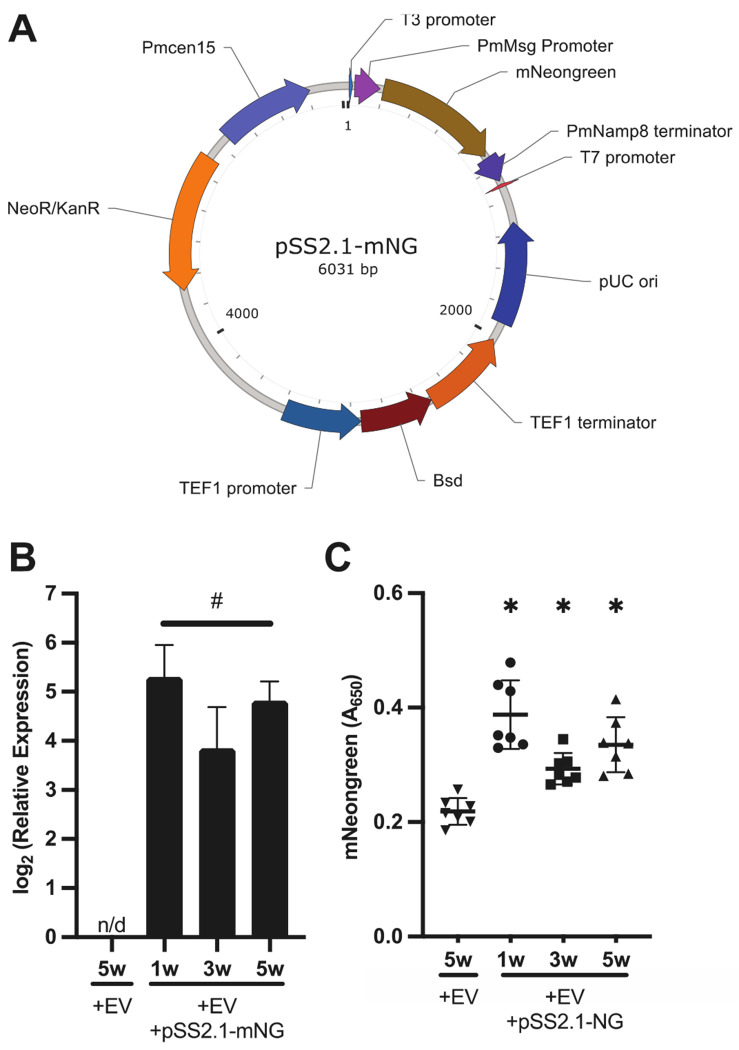
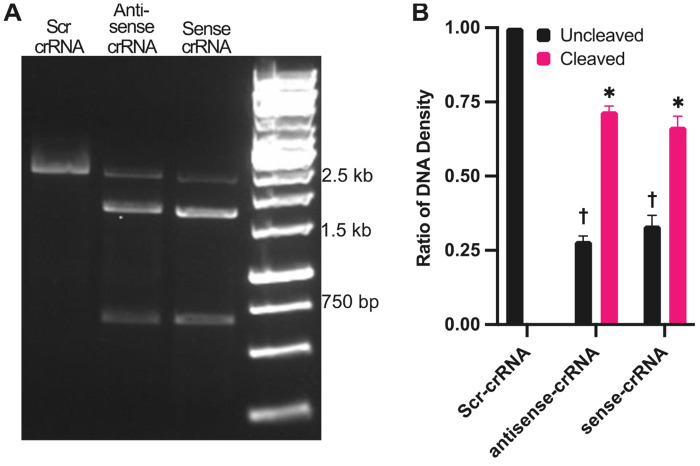
species are obligate fungal pathogens that cause severe pneumonia, particularly in immunocompromised individuals. The absence of robust genetic manipulation tools has impeded our mechanistic understanding of biology and the development of novel therapeutic strategies. Herein, we describe a novel method for the stable transformation and CRISPR/Cas9-mediated genetic editing of utilizing extracellular vesicles (EVs) as a delivery vehicle. Building upon our prior investigations demonstrating EV-mediated delivery of exogenous material to , we engineered mouse lung EVs to deliver plasmid DNA encoding reporter genes and CRISPR/Cas9 components. Our initial findings demonstrated successful transformation and subsequent expression of and in organisms. Subsequently, we established stable expression of in mice infected with transformed for a duration of up to 5 weeks. Furthermore, we designed and validated a CRISPR/Cas9 system targeting the gene, confirming its cleavage efficiency. Ultimately, we achieved successful CRISPR/Cas9-mediated homologous recombination, precisely introducing a mutation into the genome, which was confirmed by Sanger sequencing across all tested animals. Here, we establish a foundational methodology for genetic manipulation in , thereby opening avenues for functional genomics, drug target validation, and the generation of genetically modified strains for advanced research and potential therapeutic applications.
species are obligate fungal pathogens and major causes of pneumonia in immunocompromised individuals. However, their strict dependence on the mammalian lung environment has precluded the development of genetic manipulation systems, limiting our ability to interrogate gene function, study antifungal resistance mechanisms, or validate therapeutic targets. Here, we report the first successful approach for stable transformation and CRISPR/Cas9-based genome editing of , achieved through delivery of engineered extracellular vesicles (EVs) containing plasmid DNA and encoding CRISPR/Cas9 components. We demonstrate sustained transgene expression and precise modification of the locus via homology-directed repair. This modular, scalable platform overcomes a long-standing barrier in the field and establishes a foundation for functional genomics in and other obligate, host-adapted microbes.
[物种名称]是专性真菌病原体,可引起严重肺炎,尤其是在免疫功能低下的个体中。缺乏强大的基因操作工具阻碍了我们对[物种名称]生物学机制的理解以及新型治疗策略的开发。在此,我们描述了一种利用细胞外囊泡(EVs)作为递送载体对[物种名称]进行稳定转化和CRISPR/Cas9介导的基因编辑的新方法。基于我们先前的研究表明EV介导的外源物质向[物种名称]的递送,我们对小鼠肺EVs进行工程改造,以递送编码报告基因和CRISPR/Cas9组件的质粒DNA。我们的初步研究结果表明在[物种名称]生物体中成功实现了[物种名称]的转化以及随后[报告基因名称1]和[报告基因名称2]的表达。随后,我们在感染了转化后的[物种名称]的小鼠中建立了长达5周的[报告基因名称1]的稳定表达。此外,我们设计并验证了一种靶向[基因名称]基因的CRISPR/Cas9系统,证实了其切割效率。最终,我们成功实现了CRISPR/Cas9介导的同源重组,将一个[突变类型]突变精确引入[物种名称]基因组,这在所有测试动物中均通过桑格测序得到证实。在此,我们建立了一种用于[物种名称]基因操作的基础方法,从而为功能基因组学、药物靶点验证以及为高级研究和潜在治疗应用生成基因改造菌株开辟了道路。
[物种名称]是专性真菌病原体,是免疫功能低下个体肺炎的主要病因。然而,它们对哺乳动物肺环境的严格依赖阻碍了基因操作系统的开发,限制了我们探究基因功能、研究抗真菌耐药机制或验证治疗靶点的能力。在此,我们报告了第一种成功的方法,即通过递送含有质粒DNA并编码CRISPR/Cas9组件的工程化细胞外囊泡(EVs),对[物种名称]进行稳定转化和基于CRISPR/Cas9的基因组编辑。我们证明了通过同源定向修复实现了持续的转基因表达和[物种名称]基因座的精确修饰。这个模块化、可扩展的平台克服了该领域长期存在的障碍,并为[物种名称]和其他专性、宿主适应性微生物的功能基因组学奠定了基础。